

Painting Web Design: 5 Stunning Trends in 2025
Painting Web Design combines artistic expression with the practicality of digital presence. In today’s visual-centric digital landscape, a beautifully designed website can greatly improve the appeal of your art. Whether you’re a seasoned artist or a budding painter, having an eye-catching website is vital for showcasing your work and connecting with potential customers. Here’s why painting web design matters:
- Showcase Your Art: Highlight your artwork in stunning detail.
- Engage Visitors: Use engaging visuals and interactive elements.
- Build Your Brand: Reflect your style and personality in your site design.
- Drive Sales: Turn website visitors into customers.
Whether you are looking for modern aesthetics or a minimalist approach, effective painting web design will inspire your visitors and create a memorable online experience.
As Robert P. Dickey, I’ve seen how powerful effective painting web design can be in showcasing artistic talents and driving business growth. With over 20 years in digital marketing and web design, I’ve helped small and medium-sized businesses harness the potential of the digital landscape.
Painting Web Design glossary:
– Landscaping Web Design
– Websites for Home Service Businesses
– small business website design services
Top Painting Website Designs
Creating a standout Painting Web Design requires a blend of creativity, functionality, and visual appeal. Let’s explore some exceptional examples that capture these elements perfectly:
1. Sergei Arsenievich Vinogradov
Sergei Arsenievich Vinogradov’s website breaks away from traditional layouts with its unique use of large fonts and expansive painted images. The subtle animations breathe life into the site, keeping visitors engaged without overwhelming them. This distinctive approach not only highlights the artist’s work but also offers an immersive experience that sets it apart from typical painting sites.
2. Wayne Pearce Artist
Wayne Pearce’s site masterfully uses color contrast against a dark background to make the artwork pop. The interactive nature of the site guides visitors effortlessly, with clear instructions on creating their own paintings. This user-friendly design makes it an excellent resource for both art enthusiasts and aspiring artists.
3. Tobiasse
Tobiasse’s website showcases a modern and minimalistic design that emphasizes clean typography against a white background. This simplicity allows the artwork to take center stage, offering a polished and professional look. The innovative design choices make it a perfect example of how minimalism can improve the viewing experience.
4. Archivio Mario Russo
Archivio Mario Russo’s site offers something for everyone with its diverse themes and user-friendly interface. The crisp, high-quality images draw visitors in, making it easy to explore and appreciate the artist’s portfolio. This approach ensures that the site appeals to a broad audience while maintaining a professional aesthetic.
5. ARTSTUDIO.app
ARTSTUDIO.app captivates with its simple yet neat design. The charming animations bring the site’s illustrations to life, creating a delightful and engaging experience for users. This site exemplifies how animation can add personality and depth to a painting web design without complicating the user experience.
These top painting website designs demonstrate the power of thoughtful design in showcasing art online. Each site offers a unique perspective on how to effectively present artwork, engage visitors, and create a lasting impression. Whether through bold visuals, interactive elements, or minimalist aesthetics, these designs inspire and lift the online presence of artists.
Best Practices for Painting Web Design
Creating an impactful Painting Web Design involves combining several key design principles. Let’s dig into the best practices that can make your painting website both beautiful and functional.
Balance
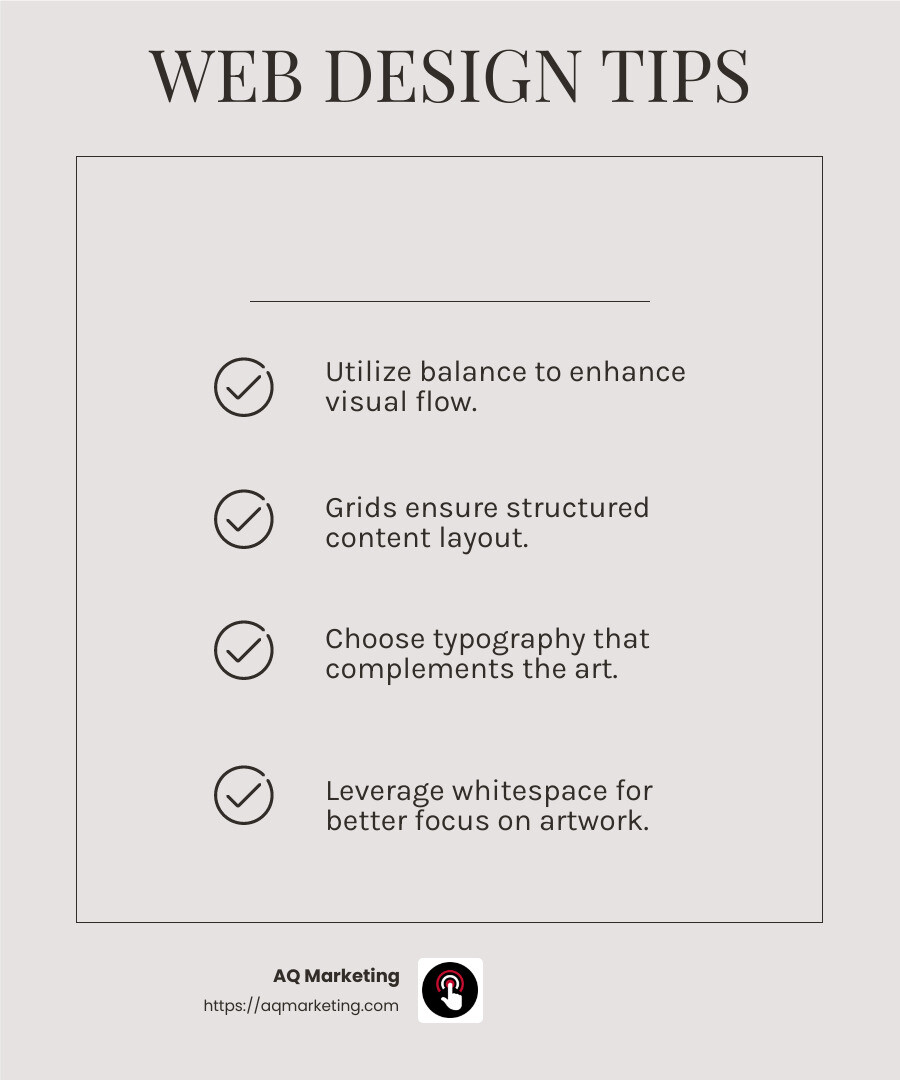
Balance in web design refers to the distribution of visual elements across a page. It’s crucial for ensuring that no single part of your website feels too heavy or too light. A well-balanced design helps guide the viewer’s eye smoothly across the content. For instance, Wayne Pearce Artist’s website achieves balance by contrasting vibrant artwork against a dark background, making each piece stand out without overwhelming the viewer.
Grids
Using grids in web design is like having a blueprint for your layout. Grids help organize content in a structured way, making it easier for users to steer. Dan Kozar’s website is a great example of using tiles and grids to create a dynamic browsing experience, allowing visitors to explore art pieces effortlessly.
Typography
Typography is more than just choosing a font; it’s about ensuring readability and enhancing the overall aesthetic of your site. Tobiasse’s website uses clean typography against a minimalist white background, allowing the artwork to shine while maintaining a professional look. This choice of typography complements the art, rather than competing with it.
Whitespace
Whitespace, or negative space, is the empty space around elements on a page. It can significantly affect the readability and aesthetic of your website. V-Art’s website uses generous whitespace to create a polished and professional appearance, allowing each art piece to breathe and capture the viewer’s attention without distractions.
Interactive Elements
Interactive elements can make your website more engaging and memorable. They can include animations, hover effects, or interactive galleries. The Next Rembrandt website exemplifies this with creative transitions and interactive elements that invite users to explore the artwork in a more immersive way. These features can improve the user experience by making the site more dynamic and engaging.
By incorporating these best practices into your Painting Web Design, you can create a visually appealing, user-friendly website that effectively showcases your art. Each element, from balance to interactivity, plays a vital role in ensuring your website not only looks great but also functions seamlessly.
Essential Features for Painting Websites
Creating a standout Painting Web Design involves not just aesthetics but also the right features that make the site functional and secure. Here are the essential elements every painting website should have:
Domain Name
Your domain name is your website’s address on the internet. It should be unique, easy to remember, and reflective of your brand. A good domain name helps in building a professional image and makes it easier for potential clients to find you online. For example, a domain like “YourNameArt.com” is straightforward and personal.
Hosting Provider
Choosing a reliable hosting provider is crucial for your website’s performance. A good host ensures your site loads quickly and is always online. It also provides security features to protect your data. Many painting contractors use specialized hosting services that offer domain purchasing, hosting, and ongoing maintenance, ensuring that your site remains up-to-date without extra effort on your part.
Website Builder
A website builder is a tool that helps you create your site without needing to code. It’s perfect for artists who want to focus on their art rather than technical details. A user-friendly website builder allows you to drag and drop elements, customize templates, and easily update your content. This is essential for maintaining a professional-looking site with minimal hassle.
Essential Pages
Your painting website should include a few key pages to provide visitors with all the information they need:
- Home Page: A welcoming introduction to your art.
- Gallery: Showcase your artwork with high-quality images.
- About Page: Share your story and artistic journey.
- Services: Clearly outline the painting services you offer.
- Contact Page: Make it easy for visitors to reach you, with details like your phone number, email, and a contact form.
Artwork Protection
Protecting your artwork online is vital to prevent unauthorized use. Consider using watermarks on your images or disabling right-click downloads. You can also use plugins or software that restrict image copying. This ensures that your art is displayed beautifully while keeping it safe from misuse.
Selling Artwork
If you plan to sell your artwork directly from your site, having an e-commerce setup is essential. This includes a secure payment gateway, product listings with detailed descriptions, and a user-friendly checkout process. Offering options like prints or custom commissions can also attract a wider audience and boost sales.
By integrating these essential features into your Painting Web Design, you ensure that your website is not only visually appealing but also functional, secure, and user-friendly. These elements work together to create a professional online presence that effectively showcases and protects your art.
Painting Web Design Tools and Software
Creating a Painting Web Design that stands out requires the right tools and software. These digital tools help artists bring their creative visions to life online, ensuring that their websites are both beautiful and functional.
Adobe Photoshop
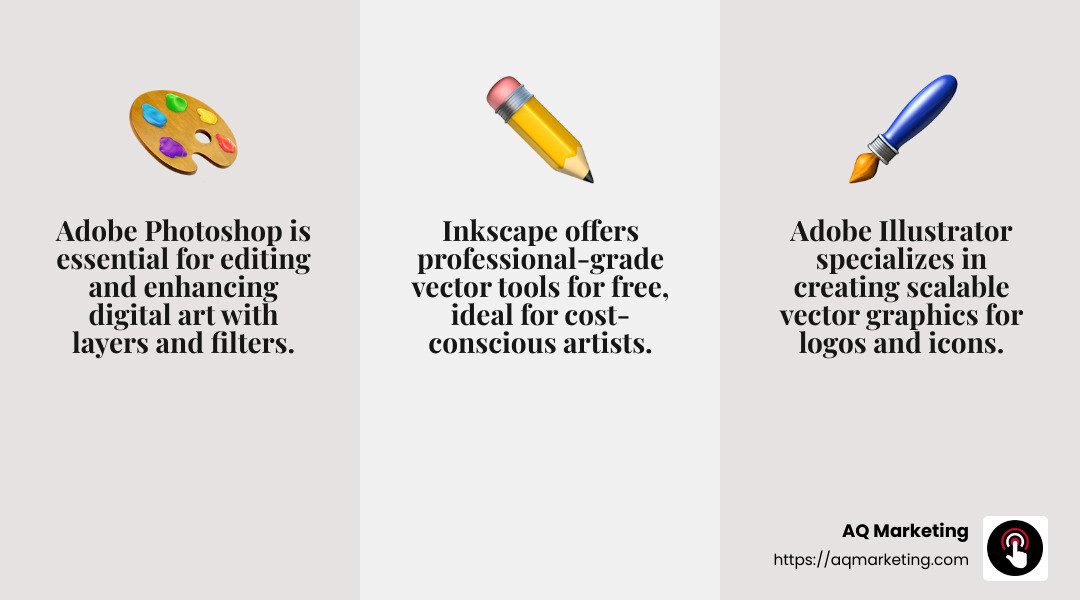
Adobe Photoshop is a powerhouse for digital artists. Known for its photo editing capabilities, it also offers extensive tools for creating and enhancing digital artwork. With layers, filters, and brushes, artists can craft intricate designs and prepare images for web display. It’s a staple for anyone serious about digital art.
Adobe Illustrator
While Photoshop is great for raster images, Adobe Illustrator excels with vector graphics. It’s perfect for creating logos, icons, and clean, scalable designs that maintain quality at any size. Illustrator’s precision makes it ideal for artists focusing on crisp, detailed illustrations.
Inkscape
For those seeking a free alternative, Inkscape is a robust open-source vector graphics editor. It offers many of the same features as Illustrator, such as shape tools, text manipulation, and path editing. Inkscape is a favorite among artists who want professional-grade tools without the cost.
Drawing Apps
Drawing apps like Procreate and Krita provide artists with the flexibility to create anywhere. These apps are designed for touchscreens and tablets, making them perfect for sketching and painting on the go. They often include customizable brushes and layers, allowing for detailed and dynamic artwork.
Digital Art Software
Beyond individual programs, digital art software encompasses a range of tools that support creative processes. Whether it’s PaintShop Pro for photo editing or SketchUp for 3D design, these tools cater to specific needs and styles. Artists can choose software based on their project requirements, ensuring they have the right features for their artistic endeavors.
By leveraging these tools, artists can create stunning Painting Web Designs that showcase their work effectively. Whether you’re a seasoned professional or a budding artist, exploring these software options can lift your digital art and web presence.
Frequently Asked Questions about Painting Web Design
What is the best painting website?
When it comes to the best painting websites, Guilbo – Artiste Peintre, Parnell Gallery, and V-Art stand out. Each offers unique features that make them exceptional showcases for art.
- Guilbo – Artiste Peintre: This site sets itself apart with its heavy investment in high-quality visuals. The imagery is not just a backdrop but a central element of the site’s branding. It’s a breakthrough in using visuals to create a memorable user experience.
- Parnell Gallery: This site exemplifies what a professional portfolio should look like in the digital age. Its design is a direct showcase of modern artistry, seamlessly integrating artwork with an neat layout.
- V-Art: With a clean, modern, and classy design, V-Art uses ample whitespace to create a polished and professional look. This approach allows the artwork to breathe and captures the viewer’s attention without overwhelming them.
How to make a website for paintings?
Creating a website for paintings involves several key steps:
- Domain Name: Choose a memorable and relevant domain name that reflects your art style or brand. This is your online identity, so make it count.
- Hosting Provider: Select a reliable hosting provider that ensures your website is fast, secure, and always accessible. This is crucial for maintaining a professional web presence.
- Website Builder: Use a user-friendly website builder to design your site. Look for one that offers templates optimized for showcasing artwork. Builders like WordPress or Wix can be great choices for artists.
- Essential Pages: Include essential pages like an “About” section, a gallery to display your works, and a contact page. Consider also having a blog to share your artistic process or insights.
- Artwork Protection: Implement measures to protect your artwork online, such as watermarking images or using plugins that prevent right-click downloads.
- Selling Artwork: If you plan to sell your art, integrate e-commerce features. Platforms like Shopify can be integrated to handle transactions smoothly.
Do you need to be good at art for web design?
While having an art background can be beneficial in web design, it’s not a strict requirement. Web design focuses on creating visually appealing and functional interfaces. Here’s what matters:
- Art Background: An understanding of art can improve your design skills, particularly in areas like color theory, composition, and aesthetics. It can help you create more visually engaging websites.
- Web Design Skills: These include proficiency in design software, understanding of user experience (UX), and knowledge of coding languages like HTML and CSS. These skills are crucial for building effective and responsive websites.
A balance of artistic insight and technical skills can make you a well-rounded web designer. However, even without an art background, you can excel in web design by focusing on the technical and user experience aspects.
Conclusion
At AQ Marketing, we understand the importance of a strong online presence for home service businesses. Our expertise in Painting Web Design helps businesses like yours stand out in a crowded market. We focus on delivering impactful results that improve your brand’s visibility and attract more customers.
Why Choose AQ Marketing?
- Experience and Expertise: Since 2003, we’ve been dedicated to helping small and medium-sized businesses thrive online. Our team specializes in creating websites that not only look great but also perform well in search engines.
- Impactful Results: We believe in long-term success. Our strategies are designed to boost your online presence and drive real business results. Whether it’s through SEO, social media management, or custom web design, we tailor our approach to meet your specific needs.
- Focus on Home Services: We have a deep understanding of the home services industry, from painting to plumbing. This allows us to craft targeted marketing strategies that resonate with your audience and convert leads into loyal customers.
By partnering with us, you’re choosing a team that’s committed to your success. We provide the tools and expertise needed to transform your online presence and grow your business.
Ready to take your painting business to the next level? Find how AQ Marketing can help you achieve impactful results.
