Why Home Renovation Websites Are Essential for Homeowners and Contractors
Home Renovation Websites are your gateway to planning, designing, and executing successful renovation projects. Whether you’re a homeowner seeking inspiration, a DIYer needing guidance, or a contractor looking for clients, these platforms offer tools and resources to make renovations easier and more cost-effective.
The top home renovation websites include:
Houzz – Best for design inspiration and finding professionals
Angi (formerly Angie’s List) – Best for vetting contractors and cost estimates
This Old House – Best for expert DIY advice and how-to guides
HomeAdvisor – Best for connecting with local service professionals
The Spruce – Best for budget-friendly home improvement tips
HGTV – Best for design trends and television-inspired ideas
Remodelaholic – Best for affordable DIY projects
Family Handyman – Best for maintenance and repair tutorials
Apartment Therapy – Best for small space solutions
Bob Vila – Best for comprehensive remodeling advice
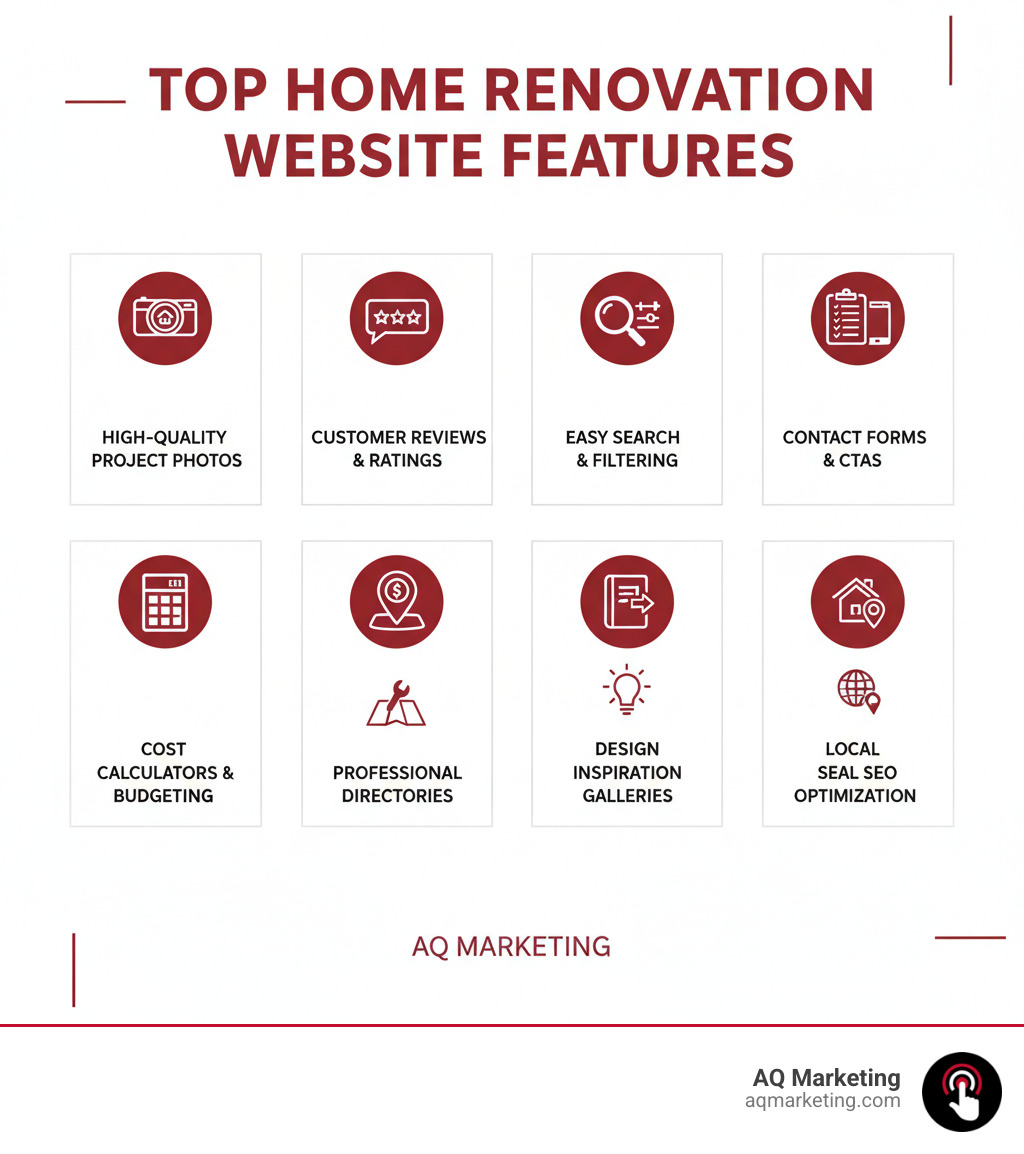
These websites help homeowners tackle everything from minor repairs to full-scale remodels by offering photo galleries, cost calculators, contractor directories, and user reviews.
For contractors in Boston, Woburn, and throughout Middlesex County, a strong online presence on these platforms—or your own well-designed website—can mean the difference between landing a project and losing it to a competitor.
The research shows that 97% of internet users search online to find a local business, and your website has just 50 milliseconds to make a good first impression. That’s why understanding what makes a great home renovation website matters, whether you’re searching for one or building one.
I’m Robert P. Dickey, President and CEO of AQ Marketing. With over 20 years of experience helping businesses in the Boston area succeed online, I’ve seen how Home Renovation Websites can transform a contractor’s business or help homeowners make smarter decisions. In this guide, I’ll walk you through the best platforms and what makes them stand out.
What to Look for in a Trustworthy Home Improvement Website
Not all Home Renovation Websites are created equal. When planning a major remodel or a simple fix, you need reliable information, not a website with broken links and outdated advice.
So what separates the helpful sites from the time-wasters?
Credibility and an established reputation should be at the top of your checklist. The best home improvement websites are backed by industry experts, established brands, or trusted publications with years of experience. These platforms offer well-researched articles, detailed step-by-step instructions, and high-quality photographs that show you what to do. It’s like having a seasoned contractor guide you through your project, without the hourly rate.
When evaluating a site’s credibility, look for author credentials, references to industry standards, and regularly updated content. A website that has been around for years and consistently produces helpful content is usually a safe bet.
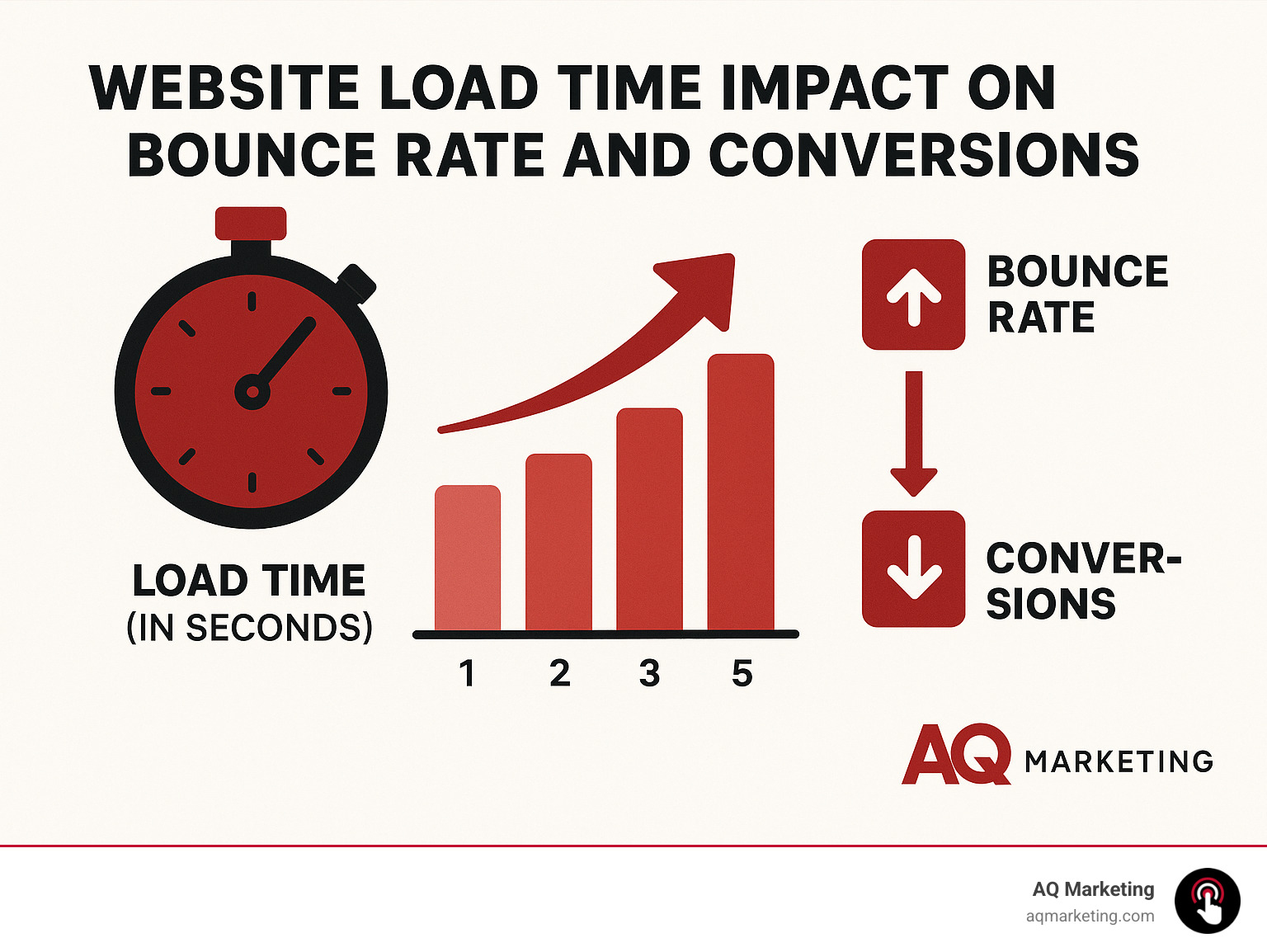
User-friendly design and seamless navigation might sound like a given, but many websites miss the mark. If you get lost in a maze of menus trying to find a simple guide, that’s a red flag. The best sites have clean layouts, intuitive navigation, and lightning-fast loading times.
Here’s something that might surprise you: 40% of consumers won’t wait more than three seconds for a page to load. They’ll just click away. Even worse, a one-second delay can lead to a 7% drop in conversions. Google knows this too, which is why loading speed affects how well a site ranks in search results.
Mobile-friendliness isn’t optional—it’s essential. With over 63% of organic search results coming from mobile devices, you need a site that works beautifully on your phone or tablet. Picture this: you’re in your Woburn kitchen, measuring cabinets, and want to quickly check a design idea. A mobile-friendly site makes that possible without squinting at tiny text or fighting a clunky interface.
If you’re a contractor building your own website and want to ensure it’s accessible to everyone, including people with disabilities, we can help. More info about web accessibility solutions.
Finally, don’t underestimate the power of user-generated content. Reviews, forums, and community discussions are gold mines of real-world information. Seeing how other homeowners in Middlesex County tackled their bathroom remodel, reading honest reviews of local contractors, or getting quick answers in a forum can save you time, money, and headaches.
It’s like tapping into the collective wisdom of thousands of homeowners who’ve been exactly where you are now.
The Top Home Renovation Websites for Every Project
Whether you’re planning a grand overhaul or a simple fix, the digital world offers a wealth of Home Renovation Websites to support you. These platforms have become indispensable for homeowners throughout Middlesex County, Essex County, and beyond, offering everything from initial inspiration to practical budgeting tools and professional connections.
The beauty of these websites is that they cater to every stage of your renovation. Some excel at sparking creative ideas, while others shine when it comes to rolling up your sleeves for a DIY project. And when you need to bring in professionals, there are platforms dedicated to helping you find and vet the right contractor for your needs.
Best for Inspiration & Design Ideas
Let’s start with the fun part: dreaming up your perfect space. For igniting your creative spark and gathering design ideas, a few websites stand out.
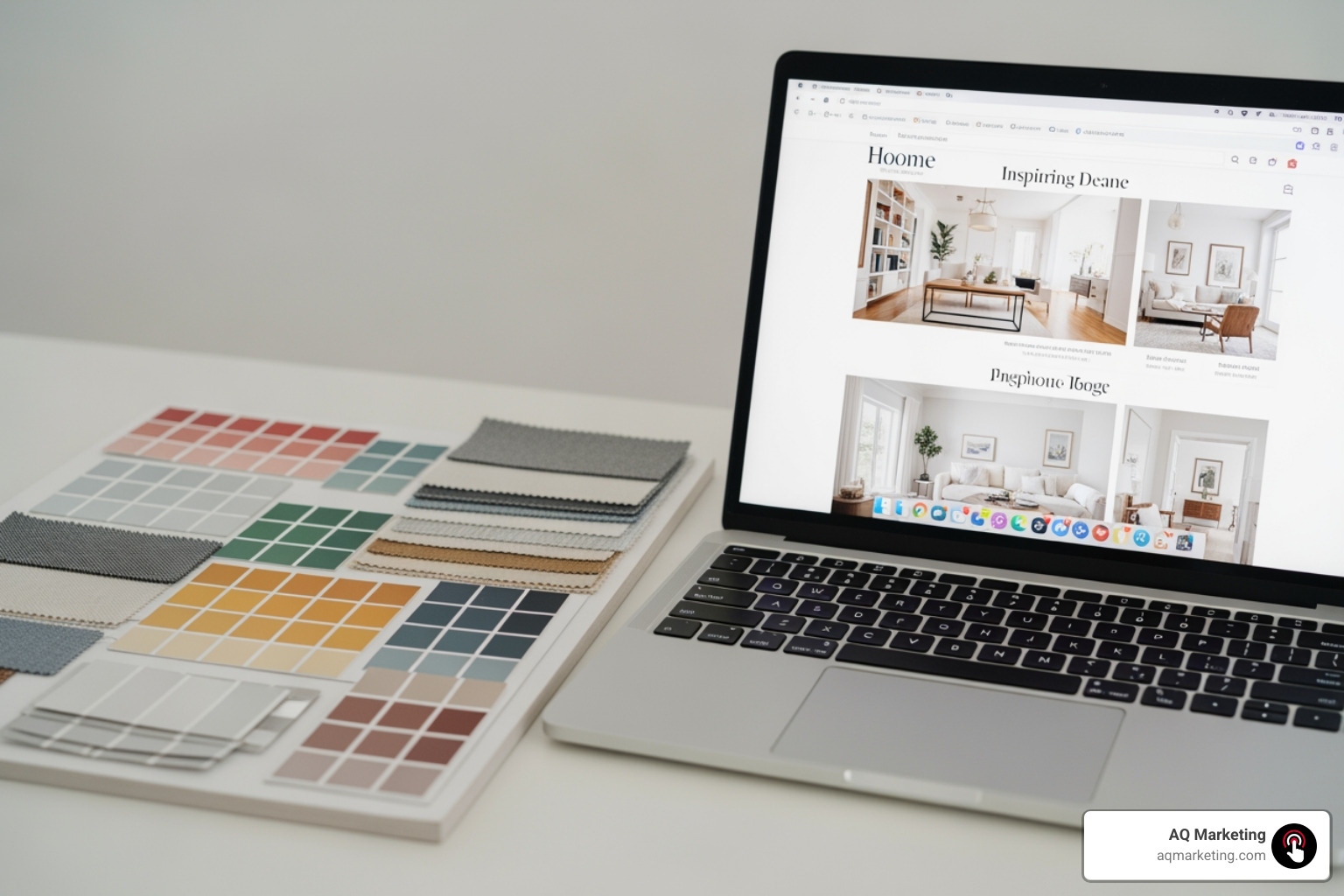
Houzz is like stepping into the world’s largest home design showroom. This platform offers a seemingly endless supply of interior design photos and home decor ideas that will have you scrolling for hours. You can save images to “ideabooks,” browse by room or style, and even use their apps for 3D modeling and virtual room tours. The user forums are fantastic for getting advice from professionals and fellow homeowners. Whether you’re renovating a condo in Boston or a farmhouse in Southern New Hampshire, Houzz has the visual inspiration you need. You can explore a world of Home design ideas to help you articulate what you want.
House Beautiful brings you abundant information on making your home gorgeous, with extensive advice on decorating, gardening, and glimpses into celebrity homes. Their content covers everything from bathroom remodel ideas to clever ways to organize closets. It’s particularly strong for finding the latest design trends that translate beautifully into New England homes.
Apartment Therapy might sound like it’s just for city dwellers, but this home design and improvement website offers practical advice for people in all types of homes, from Boston apartments to suburban houses in Woburn. They’re particularly strong for clever small-space solutions, inspiring home tours, and unique decor concepts that won’t break the bank. Plus, their cleaning tips are a welcome bonus for maintaining your newly renovated space.
Best for Finding & Vetting Professionals
Once you have a vision, the next step is finding the right people to bring it to life. Choosing the wrong contractor can turn your dream renovation into a nightmare.
Angi (formerly Angie’s List) is a household name for a reason. It acts as a comprehensive search engine for finding and hiring professional contractors. You can easily search for the type of contractor you need by zip code, which is incredibly useful for homeowners in Middlesex or Essex County, MA. Their “cost center” breaks down the expenses of common projects, helping you budget realistically. The user reviews are invaluable for vetting potential pros.
HomeAdvisor operates on a similar principle, connecting homeowners with local service professionals. From handypersons to landscapers, plumbers, and roofers, you can search by zip code to find someone in your area. They also offer detailed cost guides that help residents in Merrimack Valley budget effectively. You can easily Find Local Home Repair & Improvement Services through their platform, making the task of hiring a contractor much more manageable.
Best for DIY Advice & How-To Guides
Whether you’re a hands-on DIYer or just want to understand the process before hiring a pro, these sites offer practical knowledge to make you a more informed homeowner.
This Old House is a titan in the home improvement world, extending its legacy from television to a comprehensive website. It features just about anything you might want to know about home improvement. You’ll find detailed how-to guides, design tips, product reviews, and cost guides for major projects. It’s an authoritative source for projects, especially for maintaining the charm of older New England homes.
Family Handyman is a fantastic resource for DIY projects, maintenance, and renovations. They offer a wealth of how-to guides covering everything from cleaning an air conditioner to understanding the solar panel tax credit. They even provide online classes through DIY University, allowing you to learn new skills and confidently tackle projects.
The Spruce offers practical advice to help you create your best home, with topics spanning beyond home improvement to include decor, cleaning, and gardening. You’ll find step-by-step guides for various projects, budget-friendly ideas, and articles on green home renovation projects. It’s a well-rounded resource for enhancing every aspect of your living space.
Best Niche & Specialty Home Renovation Websites
Sometimes you need specific advice for a tight budget or a vintage restoration. These specialty sites cater to unique needs the bigger platforms might miss.
Remodelaholic is your go-to if you’re a budget-minded homeowner. This team of DIY experts features affordable projects and provides clear instructions, often with YouTube tutorials that show you exactly how to manage their featured projects. It’s perfect for those who want to achieve a designer look without the designer price tag.
Retro Renovation is a delightful journey back in time for enthusiasts of mid-century and vintage design. This site focuses on remodeling homes in a mid-century modern style, offering a unique perspective. It’s a wonderful resource for anyone looking to restore an older home with period-appropriate flair, a cherished endeavor throughout New England.
Beyond these, many other specialty sites cater to specific interests like outdoor living, organization solutions, flooring, or paint. For our local contractors, understanding these niche sites can inform your marketing strategy. More info about search engine optimization can help you tap into these targeted markets.
For Contractors: Key Elements of a High-Converting Website
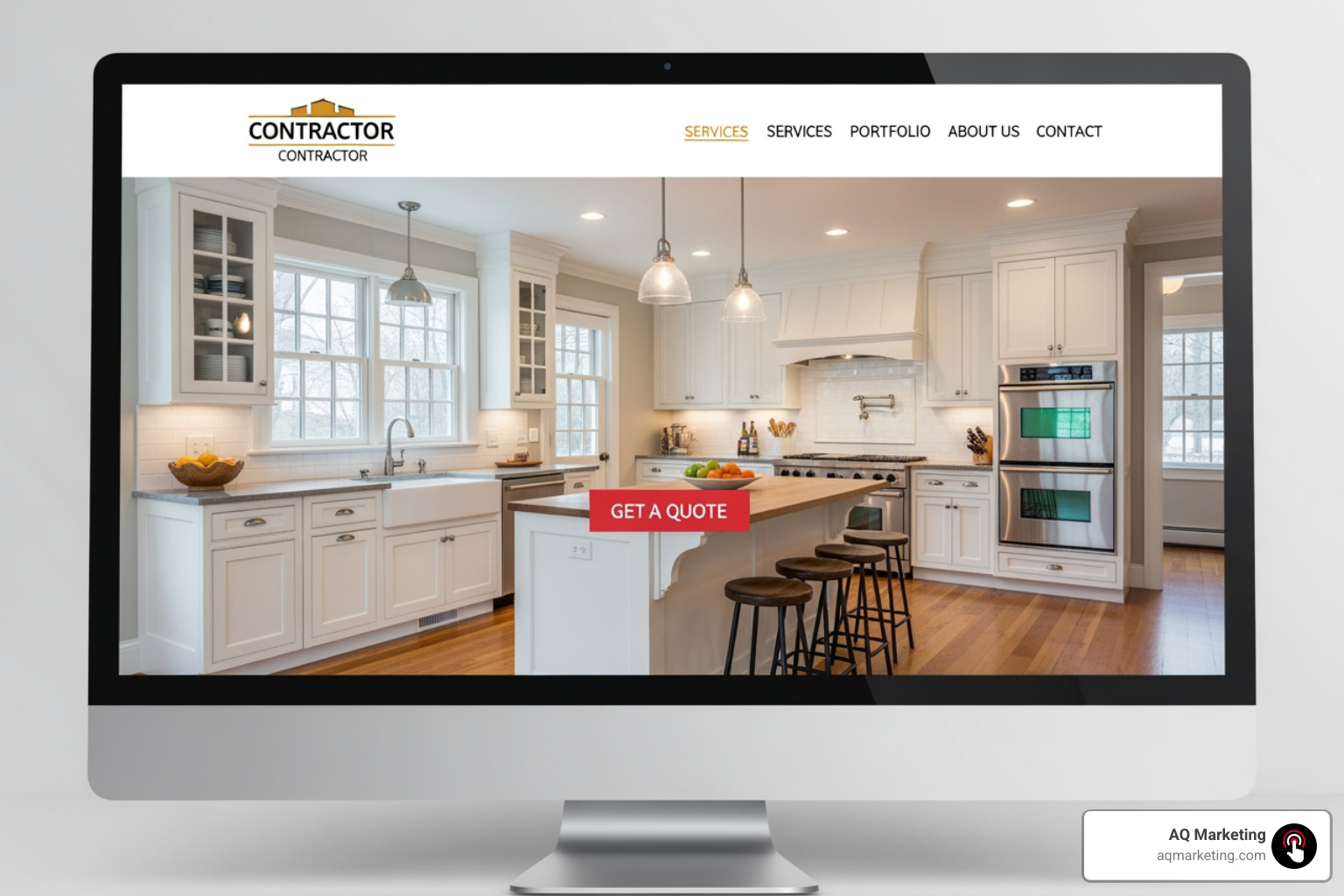
For contractors in Boston, Woburn, or Middlesex County, your website is more than a digital business card—it’s your most valuable sales tool, working 24/7 to bring in new clients. A well-crafted contractor website blends beautiful design with smart functionality to turn visitors into customers.
Here at AQ Marketing, we’ve spent over 20 years helping local contractors build websites that work. We’ve seen what separates a passive site from one that actively generates leads. Here are the elements that make the biggest difference.
Your portfolio is your proof. Stunning photos and videos of your completed projects speak volumes. Professional photography is worth every penny. Before-and-after images are particularly powerful because they show the change you can deliver. A beautifully renovated Victorian kitchen in Essex County or a custom deck in Southern New Hampshire deserves to be showcased in its best light. Organize your portfolio by project type so visitors can quickly find relevant work.
Make it ridiculously easy for people to contact you. Your phone number and a clear call-to-action button (like “Get a Free Estimate”) should be visible on every page, ideally above the fold. Your lead generation forms should be simple—ask for just the essential information. Some contractors include a minimum project value field, which helps filter inquiries and saves time.
Let your happy clients do the talking. Trust is everything in contracting. Feature testimonials prominently, ideally with photos or videos of satisfied homeowners. Mention your reviews on Google, Houzz, or other platforms. This social proof reassures potential clients that you’re reliable and worth hiring.
Local SEO is your secret weapon. When someone in Woburn searches for “kitchen remodeler near me,” you want to be at the top of those results. This means optimizing your site for local search, maintaining an active Google Business Profile, and encouraging reviews. 97% of internet users search online to find local businesses. If you’re not in local searches, you’re invisible to potential clients in Merrimack Valley and Southern New Hampshire.
Your site must work flawlessly on phones. Over 63% of organic search traffic comes from mobile devices. If your site is broken or slow on a smartphone, you’ve lost that visitor and potential project. Your site should load within two seconds. A one-second delay can slash conversions, and 40% of people will abandon a site that takes longer than three seconds to load. Google even factors loading speed into search rankings, so a slow site hurts you twice.
Tell people what makes you special. Do you specialize in historic home renovations? Are you known for eco-friendly building? Maybe you’re the go-to for high-end kitchen remodels on Boston’s North Shore. Whatever sets you apart, state it clearly on your homepage. Use simple, benefit-focused language that speaks to the homeowner’s needs.
Design matters more than you think. A clean, professional layout with plenty of white space can increase readability by 20%. Modern typography and a logical flow guide visitors through your services without overwhelming them. This is good UI (User Interface) and UX (User Experience) design, and it’s the difference between a site that converts and one that confuses.
Some contractors take it a step further with interactive tools like cost calculators or 3D design visualizers. These aren’t essential, but they can engage visitors and give them a taste of what working with you might be like.
Frequently Asked Questions about Home Renovation Websites
We’ve worked with many homeowners and contractors in the Boston area and often hear the same questions about using Home Renovation Websites effectively. Here are the answers to the most common ones.
What is the first step in renovating a house?
Before demo day, developing a comprehensive plan is your true first step. This groundwork will save you from costly mistakes.
Start by identifying your goals and priorities. Are you craving more space, a modern aesthetic, or better functionality? Getting clear on your “why” helps guide every decision.
Next, assess your home’s current condition. This means understanding any structural or systemic issues that need addressing first. A new kitchen isn’t so great if the foundation has problems.
Here’s where many homeowners in Boston and Woburn hit a snag: researching local building codes and obtaining necessary permits. This step is critical, especially in historic Middlesex County neighborhoods where regulations can be specific. You don’t want to redo work because you skipped this step.
While planning, gather inspiration from sites like Houzz or House Beautiful to refine your vision. Create those digital mood boards! Then consult with professionals—even if you plan to DIY most of the work, getting expert advice early can prevent expensive mistakes.
Finally, establish a realistic timeline and budget. Be honest with yourself about both. We’ve seen too many projects stall because the initial budget was more wishful thinking than actual math. A solid plan ensures your renovation journey is as smooth as possible.
How can home renovation websites help you find and vet local contractors?
This is where Home Renovation Websites truly shine for homeowners in Middlesex County, MA, or Southern New Hampshire who need reliable help.
These platforms offer professional directories that let you search by service type and zip code. Need a kitchen remodeler in Woburn or a roofer in Essex County? You can filter results to find contractors serving your specific area.
But here’s the real treasure: user reviews and ratings. Reading about previous clients’ experiences with professionalism, quality, budget, and timelines is invaluable community feedback. It’s like hearing from hundreds of neighbors about who to hire.
Most contractor profiles also feature detailed project portfolios with photos, letting you see their work quality and style before you call. This visual proof helps ensure their aesthetic aligns with your vision.
Many platforms include cost centers that provide average price ranges for common projects in your local market. This helps you gauge if a contractor’s quote is reasonable. Some sites even have initial vetting processes for the professionals they list, adding an extra layer of confidence.
Of course, you should always do your own due diligence. For any professional working on your property, remember to verify they have current Massachusetts contractor licenses. It’s a simple step that protects you.
What home improvements typically add the most value?
If you’re thinking about future resale in the competitive Essex County, MA, real estate market, or anywhere in New England, certain renovations consistently deliver stronger returns on investment.
Kitchen remodels often top the list. An updated kitchen with modern appliances, fresh countertops, and quality cabinetry appeals to almost every buyer. Similarly, bathroom updates are incredibly appealing—new fixtures, updated tiling, and improved layouts can transform these essential spaces.
Don’t underestimate curb appeal improvements. First impressions matter! Fresh exterior paint, thoughtful landscaping, an inviting entryway, or a new roof can significantly boost your home’s value before buyers even step inside.
Adding usable living space directly increases your home’s value. Finishing a basement or attic, or adding a deck, creates square footage that buyers will pay for. A finished basement in a New England home is especially appealing for those long winters.
Finally, energy-efficient upgrades like new windows, improved insulation, or solar panels not only reduce utility bills but also attract environmentally conscious buyers. These improvements are becoming increasingly important in our market.
While every neighborhood is different, focusing on these areas is generally a smart strategy for increasing your home’s value. The best improvements for a historical home in Boston might differ from a newer construction in Southern New Hampshire, but these fundamentals remain solid across the Merrimack Valley.
Conclusion
Whether you’re a homeowner dreaming of a change or a contractor looking to land your next project, Home Renovation Websites have fundamentally changed the game. These digital platforms have made home improvement more accessible, more informed, and less scary than it used to be.
For homeowners in Boston, Woburn, and beyond, these sites are like a knowledgeable friend, always available to answer questions, share ideas, and offer resources. Need inspiration for an awkward corner? There’s a website for that. Want to learn how to tile a backsplash? You have options. Looking for a trustworthy contractor in Middlesex County? The right platform can connect you with vetted professionals in minutes.
For contractors serving the Merrimack Valley, Essex County, and Southern New Hampshire, the message is clear: your digital presence is about being found when homeowners are searching for exactly what you offer. That first impression happens online, often on a smartphone, while someone is standing in their outdated bathroom imagining something better.
That’s where we come in. At AQ Marketing, we’ve spent over 20 years helping businesses like yours build powerful online presences that drive results. We know the local market, from the challenges of renovating historical Boston homes to the needs of growing families in suburban Woburn. We understand that a beautiful website means nothing if people can’t find it, which is why our approach combines stunning design with rock-solid SEO and strategic digital marketing.
We believe every contractor deserves to showcase their best work and connect with homeowners who will appreciate their craftsmanship. We’re here to make that happen. Ready to strengthen your digital presence and grow your business? More info about our digital marketing services.
Home Services Web Design: 10 Powerful Ways to Boost in 2025
Why Home Services Web Design Is Critical for Business Success
Home services web design is specialized website design that focuses on converting local visitors into paying customers for contractors, plumbers, electricians, HVAC companies, and other service-based businesses.
Key Elements of Effective Home Services Web Design:
– Clear calls-to-action like “Schedule Now” or “Get Free Quote”
– Mobile-responsive design for customers searching on phones
– Local SEO optimization to appear in area-based searches
– Social proof through customer reviews and testimonials
– Fast loading speeds (under 3 seconds to avoid losing 40% of visitors)
– Easy contact methods with prominent phone numbers and forms
With over 97% of consumers searching online to find local services, a professional website isn’t optional – it’s essential for survival. Research shows that nearly 90% of consumers will choose a competitor after a poor website experience.
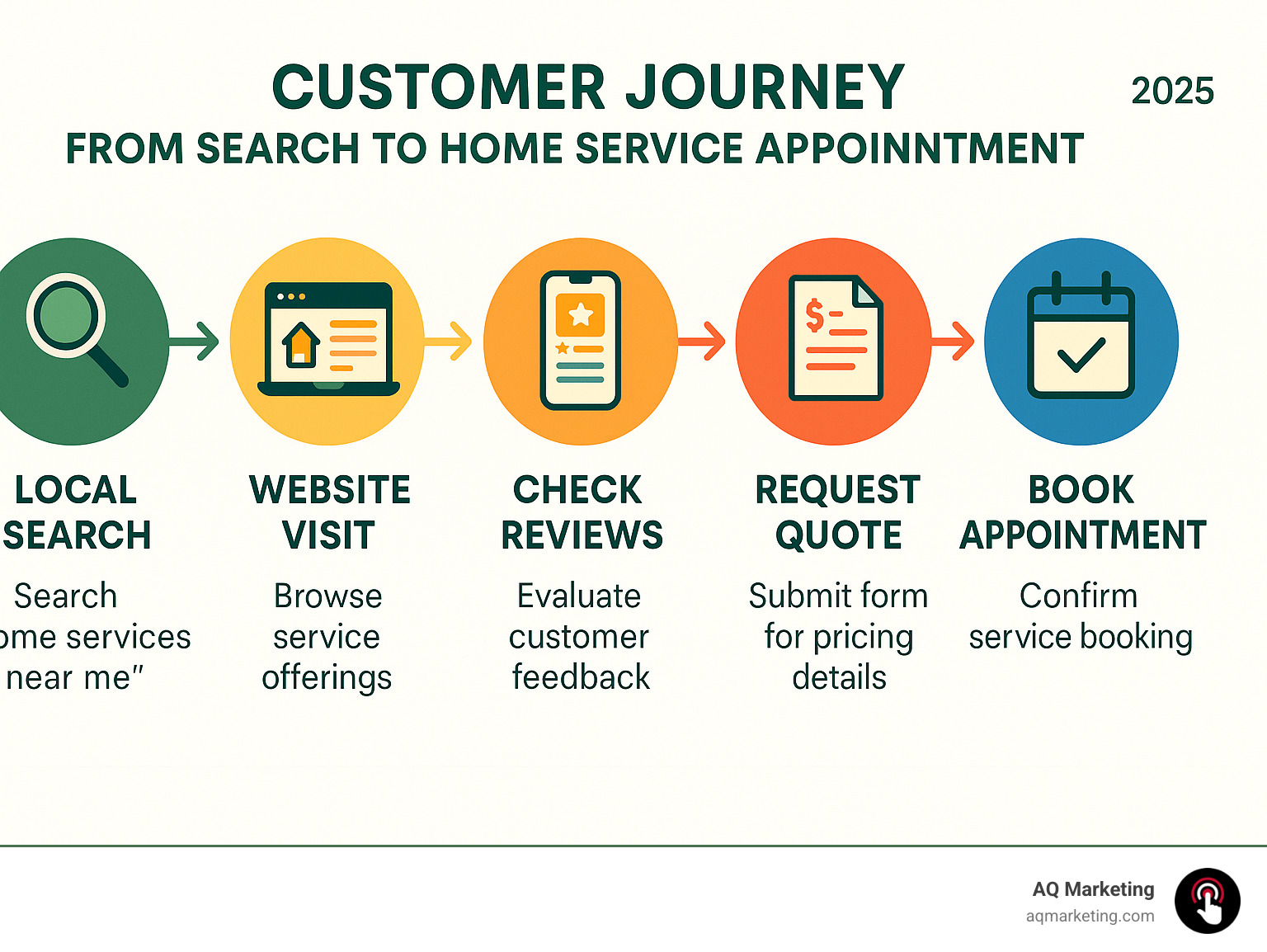
When someone’s water heater breaks at midnight or they need emergency electrical work, they need to find service providers online, compare options quickly, and book appointments with just a few clicks. Your website needs to build trust instantly while making it simple for visitors to become customers.
I’m Robert P. Dickey, President and CEO of AQ Marketing, with over 20 years of experience helping small businesses succeed through effective digital marketing strategies. I’ve specialized in home services web design that converts visitors into loyal customers.
What Is Home Services Web Design and Why It Matters
Home services web design creates websites specifically for contractors, plumbers, electricians, HVAC technicians, landscapers, and other service-based businesses with one clear mission: turning local visitors into paying customers.
Unlike regular business websites that focus on company stories, home services websites focus on solving immediate problems. When someone’s air conditioner dies on a 95-degree day, they don’t want company history – they want to know if you can fix it today.
What makes “home services web design” unique?
Emergency-focused elements dominate the best home service websites because urgency drives most calls. That prominent “24/7 Emergency Service” button is often the difference between landing a customer and losing them to a competitor.
Service-specific visual cues help visitors instantly understand what you do. Instead of generic business icons, effective sites use recognizable symbols like wrenches, electrical bolts, or HVAC units.
Location-based functionality solves the “do you serve my area?” question with features like zip code finders and service area maps, eliminating frustration and saving time.
Impact on Lead Generation & Trust
Websites with clear calls-to-action like “Schedule Now” consistently outperform sites that make customers hunt for contact information. Building trust quickly becomes critical because you’re asking people to let strangers into their homes.
Scientific research on website load speed shows that 40% of consumers abandon sites that take over three seconds to load. For emergency home services, this becomes even more critical.
Core Business Benefits
Brand authority develops when your website matches the quality of your work, positioning you as an established, trustworthy business rather than someone working out of their garage.
Repeat client relationships strengthen when customers can easily find your information for future needs. Over 75% of successful home service business comes from repeat and referred customers.
Measurable ROI becomes possible through proper tracking, changing your website from an expense into a trackable business investment.
Essential Features of a High-Converting Home Services Website
When someone’s basement floods or their air conditioner breaks, they need help fast. Your website has about three seconds to convince them you’re the right choice.
Home services web design success comes down to understanding this urgency and building every element around making it easy for stressed customers to contact you. Clear call-to-action buttons grab attention immediately. Project galleries show proof you can do what you claim. Customer testimonials build necessary trust. ADA compliance ensures everyone can use your site while helping search rankings. Mobile-first design is essential since most people search for emergency services on their phones.
Sticky contact bars follow customers as they scroll, keeping contact options always available. Quote request forms should be short – name, phone, email, service needed, and preferred call time. Live chat functionality can capture leads even when you can’t monitor it 24/7. Bold, clickable phone numbers matter more than you think, especially on mobile devices.
Social Proof & Reviews
Google ratings and reviews should be front and center on your homepage. Customer video testimonials are nearly impossible to fake and build incredible credibility. Industry badges and certifications prove your qualifications. Case study snippets help visitors understand exactly what you can do for them.
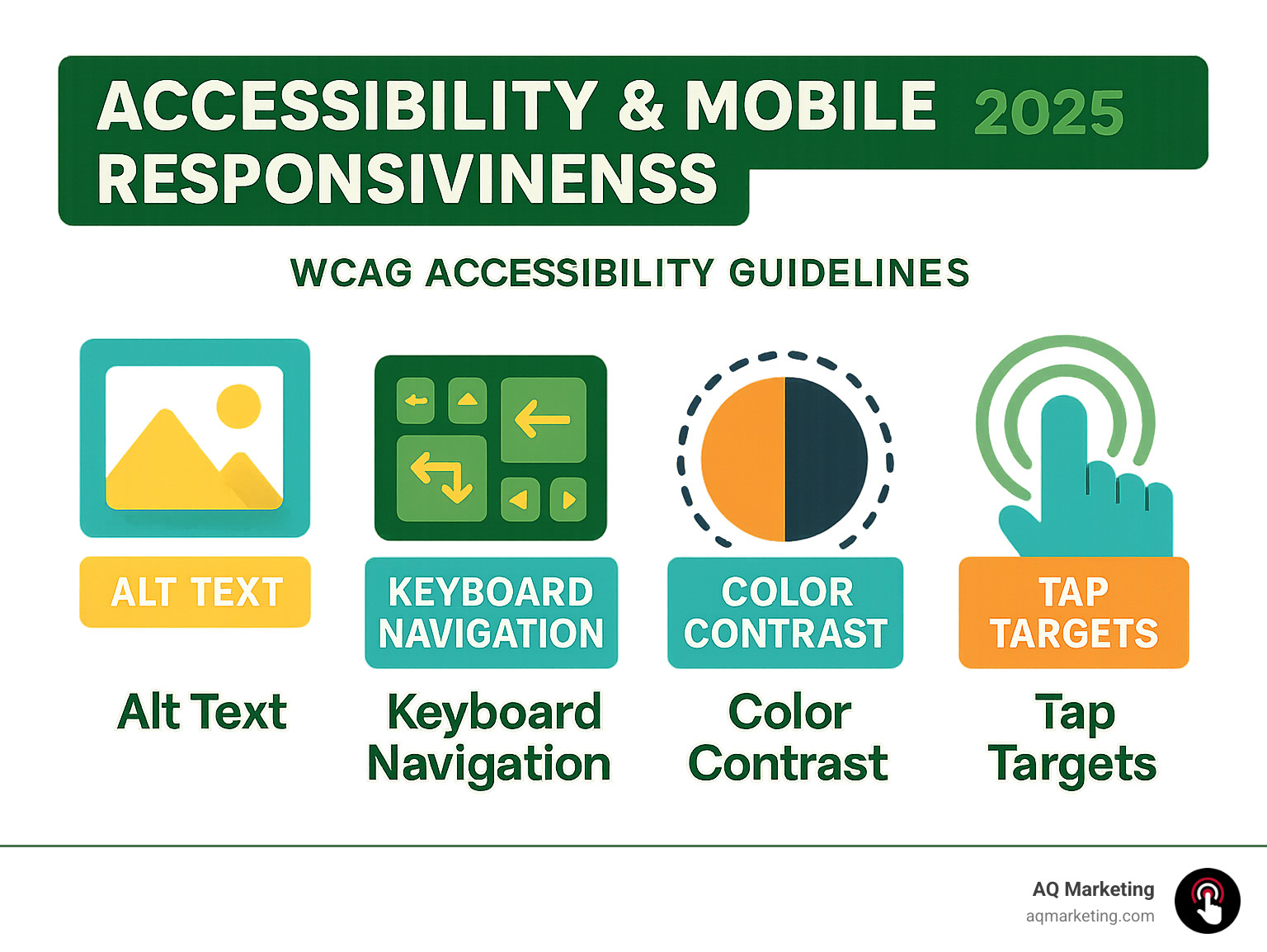
Accessibility & Mobile Responsiveness
Contrast adjustment tools help people with visual impairments read your content easily. Large tap targets prevent frustration on phone screens. Fluid grid systems ensure your website looks great on any screen size.
Speed & Performance Essentials
Lazy loading loads images only when visitors scroll to them, making homepages load lightning-fast. Image compression reduces file sizes without making photos look terrible. Caching systems speed up loading for returning visitors. Content Delivery Networks (CDNs) serve your website from servers close to your visitors.
According to scientific research on white-space readability, proper use of white space improves readability by up to 20%, helping customers quickly find important information like phone numbers and emergency availability.
Optimizing Your Home Services Website for Local SEO & Performance
When potential customers search for “plumber near me” or “emergency HVAC repair,” they need someone who can show up at their door. That’s why home services web design must prioritize local SEO optimization.
A homeowner with a burst pipe at 2 AM won’t scroll through pages of search results. They’ll call one of the first three businesses in their local area. If your website isn’t optimized for local search, you’re invisible to customers who need you most.
Dedicated service-area pages for each city you serve need genuine local content – mention landmarks, neighborhoods, and community involvement. Google Business Profile integration should work seamlessly with your website. Schema markup helps search engines understand what your business does and where. Core Web Vitals measure whether your website provides a good user experience.
City-specific keywords should feel natural in your content. Write about serving local homeowners rather than stuffing “Boston plumber” into every sentence. NAP consistency (Name, Address, Phone number) across all platforms is critical – conflicting information hurts local rankings. Internal linking between location and service pages helps search engines understand what you do and where.
Technical SEO & Schema
Service schema markup tells search engines your services, areas, and hours in language they understand perfectly. FAQ schema can display your answers directly in search results. JSON-LD formatting keeps schema organized without cluttering your code. Crawlability optimization ensures search engines can find and understand all important pages.
Performance, Security, and Core Web Vitals
HTTPS encryption is essential for protecting customer information and building trust. Largest Contentful Paint (LCP) under 2.5 seconds is crucial because customers with urgent needs won’t wait. Cumulative Layout Shift (CLS) under 0.1 prevents pages from jumping around while loading. Security badges and certificates should be visible to customers, not hidden in code.
Design Process, Cost & Ongoing Management Options
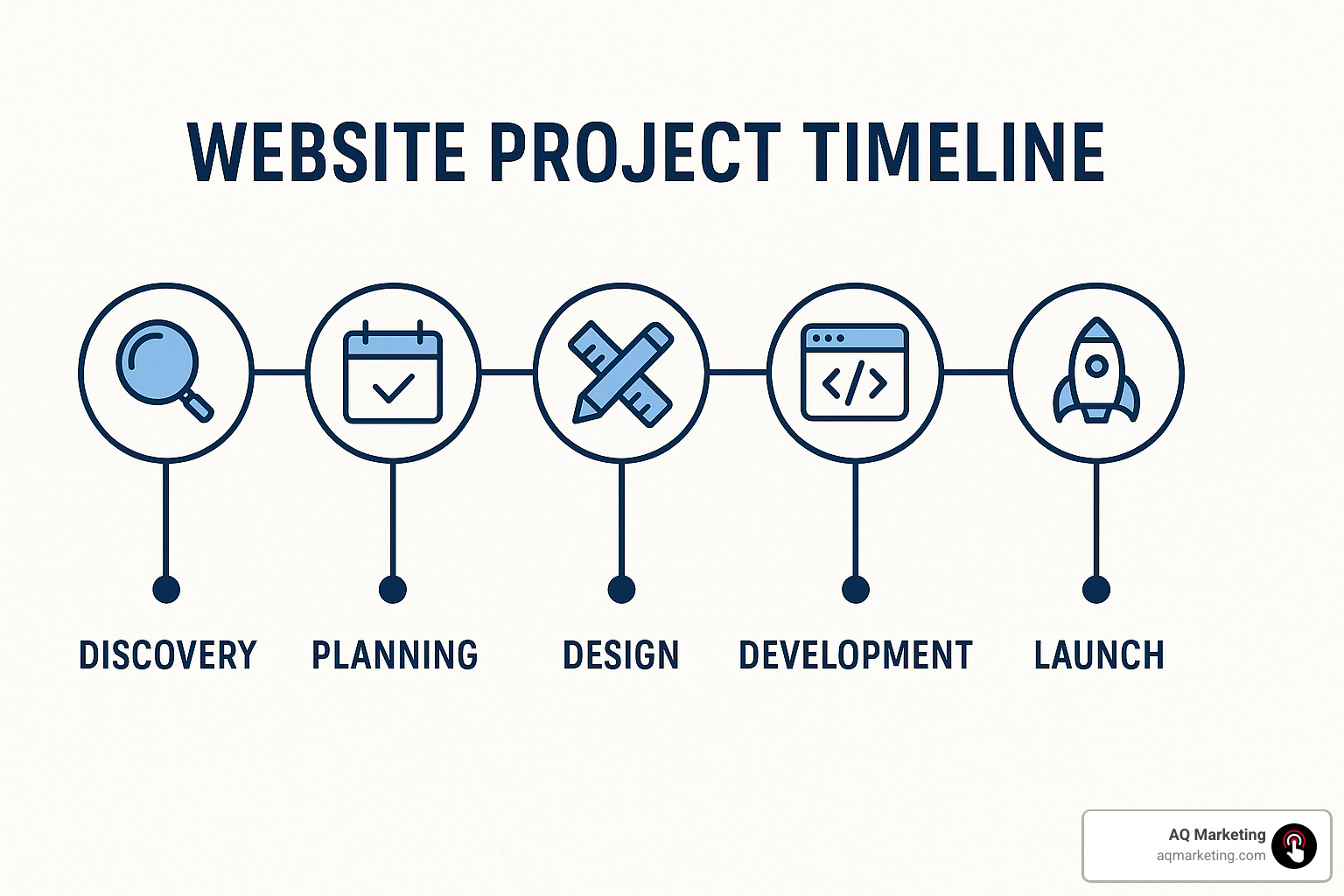
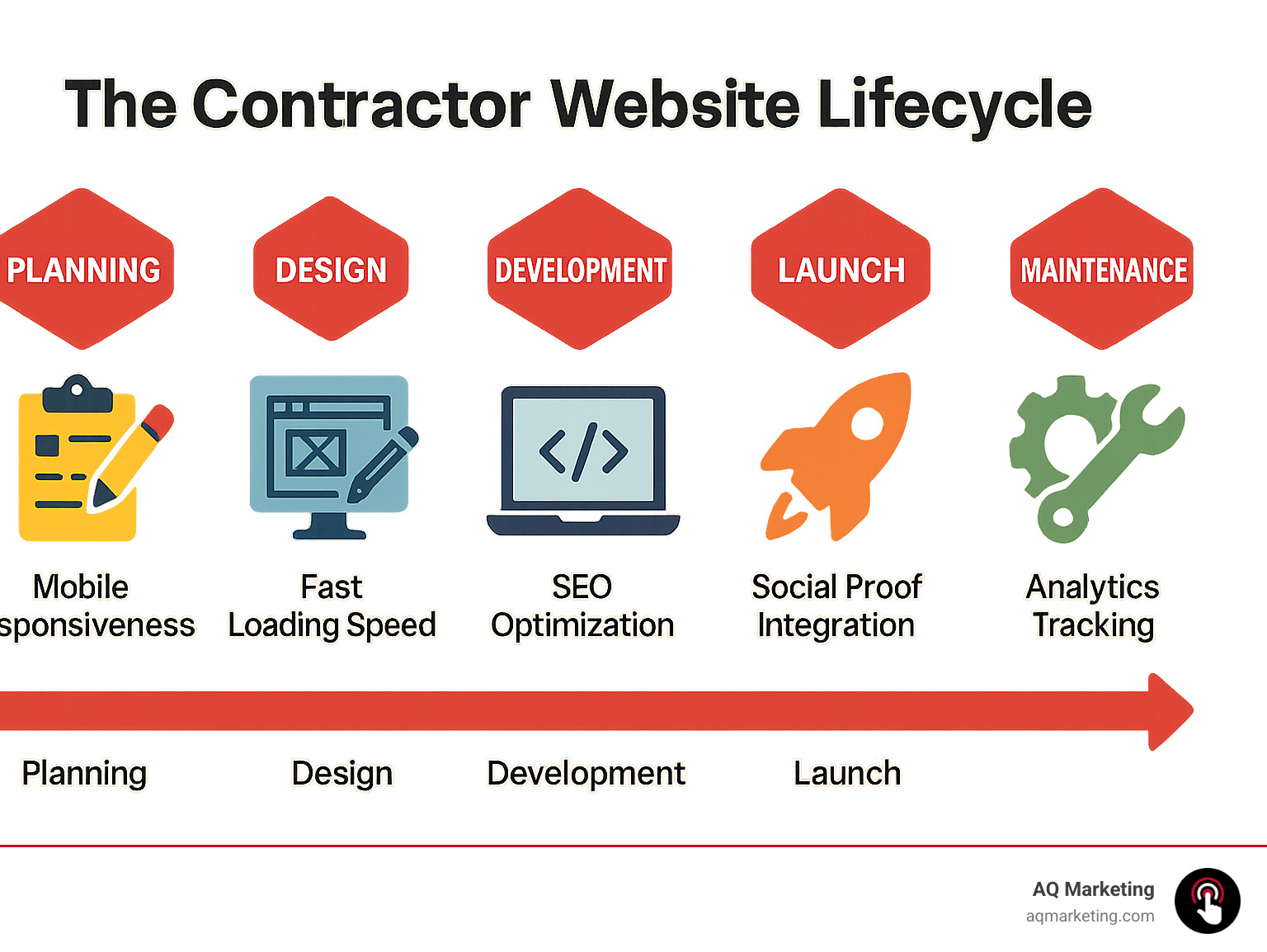
Planning your home services web design project follows a clear roadmap. The biggest question contractors ask is “What’s this going to cost?” A well-designed website typically pays for itself within months through increased leads.
Findy and planning involves understanding your business, ideal customers, and goals. Sitemap development maps out necessary pages and connections. Wireframing and design creates the blueprint before building. Development and testing transforms designs into a working website. Content creation and optimization writes compelling, SEO-friendly text. Quality assurance and launch includes thorough testing before going live.
How Much Does It Cost to Build in 2025?
Professional home services web design typically costs between $2,500 and $25,000, with most quality projects landing in the $3,500 sweet spot. Focus on return on investment rather than just price. If your average customer is worth $500 and a professional website helps you land one extra customer per month, it pays for itself quickly.
Subscription vs One-Time Build
Month-to-month subscription models work like having a dedicated web team without employee overhead. You get unlimited changes, maintenance, security updates, and improvements with no long-term contract. Upfront ownership models involve larger initial investment but give you complete control. Each approach has advantages depending on your technical comfort level and preferences.
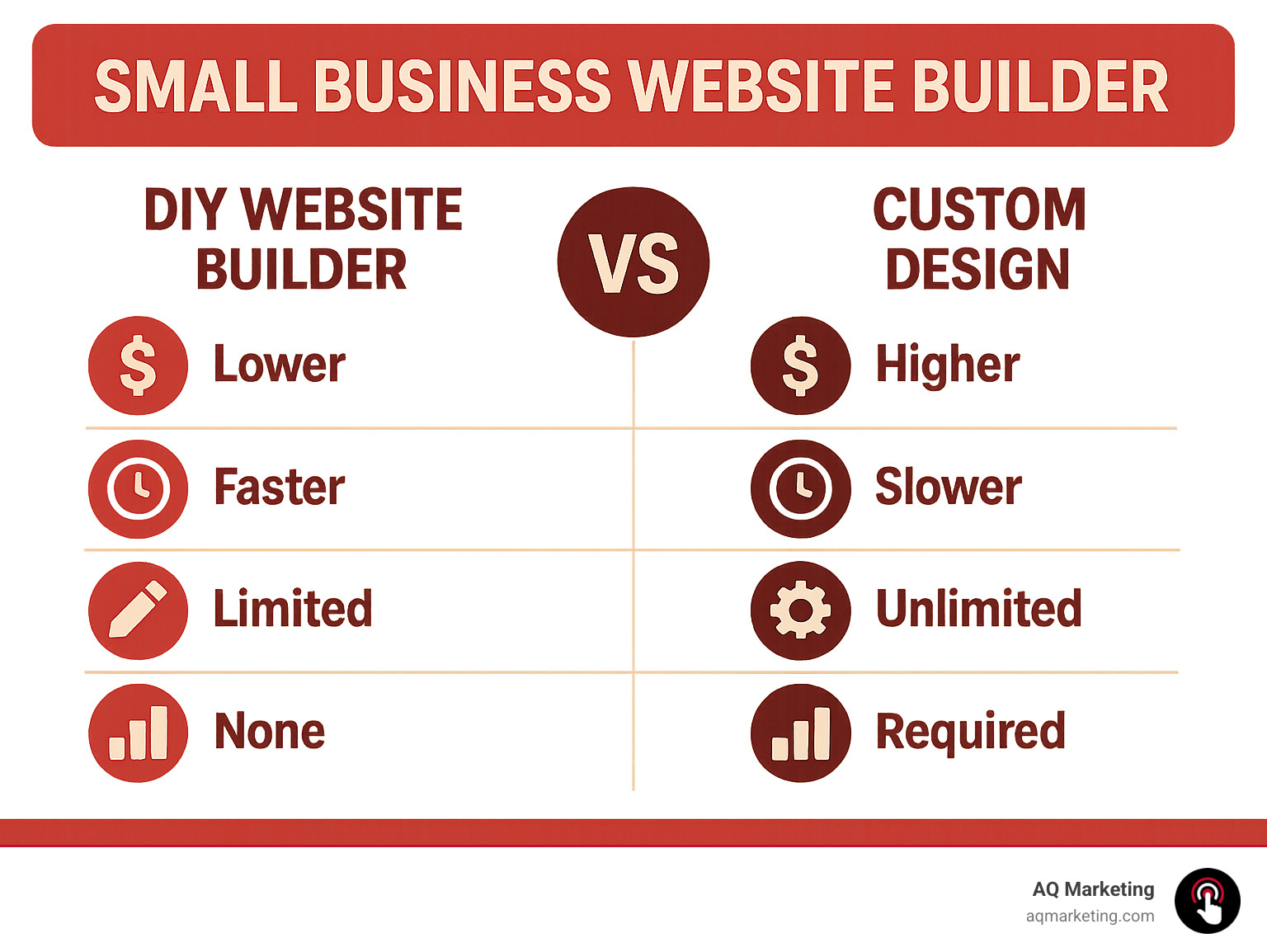
Choosing Custom vs Template
Custom design creates completely unique websites with specialized functionality. Template-based solutions start with professional frameworks customized to match your brand. Consider your branding needs, timeline, and budget. Templates cost less initially and launch faster, while custom sites provide more long-term flexibility.
Common Mistakes to Avoid & Best Practices to Follow
Creating effective home services web design can be tricky. Urgent service needs create unique online behavior – when someone’s air conditioner breaks on a 95-degree day, they need immediate solutions and will quickly abandon confusing sites.
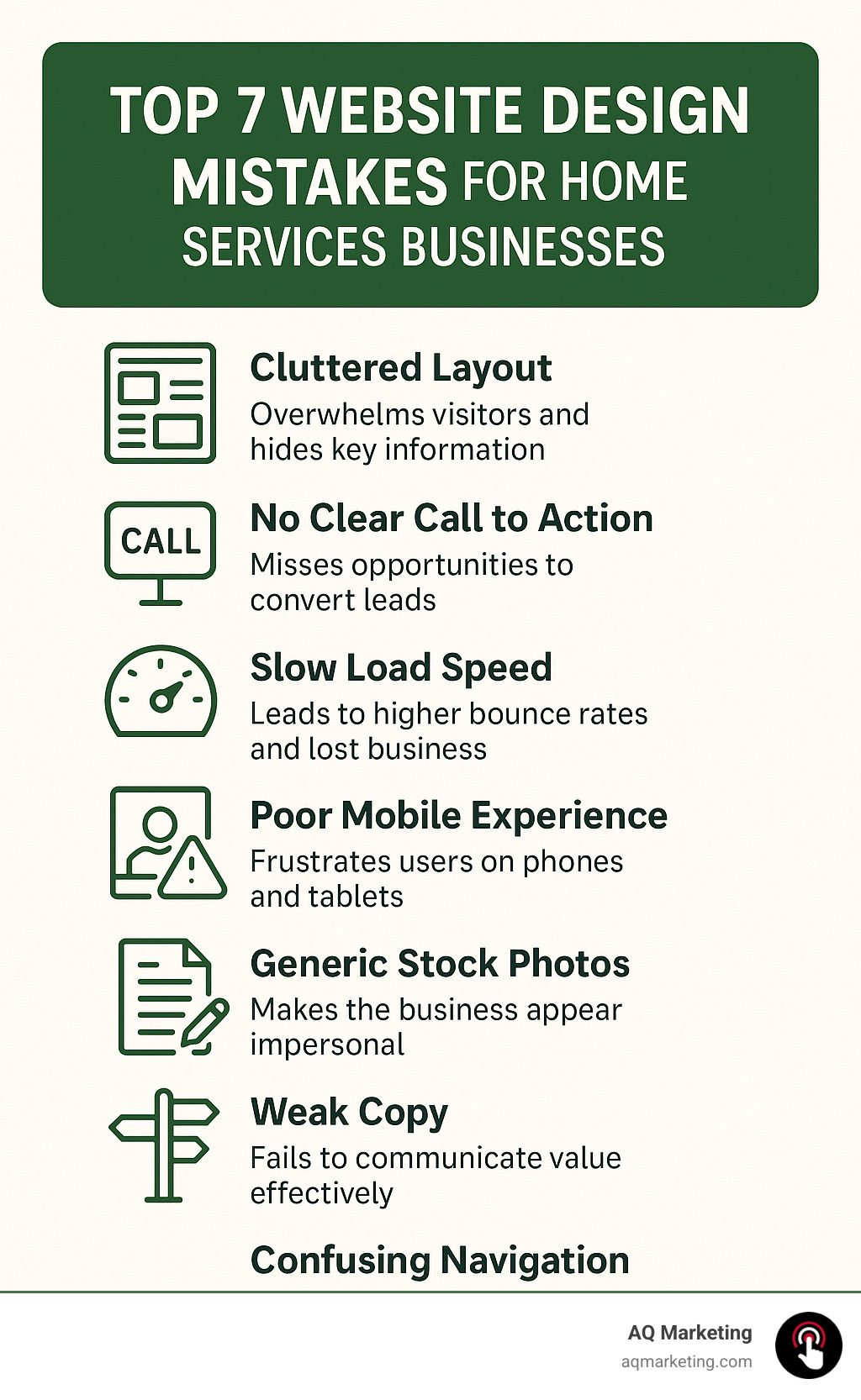
Crowded layouts overwhelm stressed visitors. Buried contact information kills conversions – don’t make people scroll past three screens to find your phone number. Slow loading pages are devastating when furnaces stop working in January. Ignoring mobile users closes doors to half your potential customers. Weak copywriting should sound like talking to a neighbor, not delivering a sales presentation.
Generic stock photos make you look like every other contractor. Show your actual work and real team. Confusing navigation frustrates visitors dealing with stressful situations. Missing testimonials represent missed opportunities to build trust. Outdated information makes your business look abandoned. No SSL certificate creates scary security warnings. Poor color contrast makes content hard to read. Auto-playing audio startles and annoys visitors.
Best Practices Checklist
Ample white space gives content room to breathe and helps important elements stand out. Clear visual hierarchy guides visitors’ eyes to important information first. Professional photography of actual work builds trust and credibility. A/B testing different elements helps find what converts visitors into customers. Continuous content updates keep your website fresh and show your business is active.
Frequently Asked Questions about Home Services Web Design
What pages are essential for a home services website?
Your home services web design needs six core pages. Your homepage acts like your digital storefront – visitors should immediately understand your services, location, and contact methods. Services pages deserve separate pages for main services with clear explanations and contact options. Your about page builds crucial trust with your story, team photos, and credentials. A testimonials page showcases customer feedback and project photos. Your contact page should offer multiple contact methods and service area information. A blog section establishes expertise while improving search rankings.
Should I choose custom design or a template?
Custom design makes sense when your brand is a key differentiator or you need specialized features. The investment typically pays off through better conversion rates. Templates work well for most home service businesses, especially when starting out or working with limited budgets. Modern templates can be extensively customized while providing professional functionality at lower costs. Consider your long-term business plans – you can start with templates and upgrade later.
How often should I update my site content?
Quarterly reviews should be your minimum – check service descriptions, pricing, and contact information. Seasonal content updates help capture customers during peak periods. Fresh customer testimonials should be added immediately after project completion. Service area changes need immediate attention. Monthly blog posts provide the biggest SEO benefit while demonstrating expertise to potential customers.
Conclusion
Your home services web design isn’t just another business expense – it’s the foundation of your digital growth strategy. With 97% of customers starting their search for local services online, having a professional website that converts visitors into paying customers is critical for survival.
When someone’s water heater breaks at 2 AM, they’re grabbing their phone and searching for help immediately. If your website doesn’t load quickly, work perfectly on mobile, and make it simple to contact you, they’ll be calling your competitor within seconds.
The elements we’ve explored – emergency-focused calls-to-action, mobile-responsive design, local SEO optimization, and social proof – aren’t just nice features. They’re the difference between a website that looks pretty and one that actually grows your business.
A well-designed site that generates just one additional customer per month typically covers its entire cost within the first year. The best sites build your reputation, streamline your sales process, and give you a competitive edge that compounds over time.
Since 2003, we’ve been helping home services businesses throughout Massachusetts and Southern New Hampshire transform their online presence into powerful lead-generation machines. We understand the unique challenges you face and focus on what actually matters: converting visitors into customers and delivering measurable results.
Your customers are searching for you right now. Make sure they find a website that converts them into loyal clients instead of sending them to your competition.
Small Business Website Builder: 7 Powerful Best Choices 2025
Why Small Business Website Builders Are Essential for Growth
A small business website builder is your fastest path to a professional online presence without hiring expensive developers or learning complex code. These platforms let you create, customize, and launch business websites in hours instead of months.
Top Categories of Small Business Website Builders:
All-in-one drag-and-drop platforms with hundreds of templates and intuitive editors
Ecommerce-focused builders that support multiple payment gateways and inventory tools
Design-centric builders offering polished, visually stunning templates for creative brands
Budget-friendly options that bundle hosting, SSL, and basic marketing tools at a low monthly cost
Rapid-setup builders that generate a starter site in minutes and include generous free trials
Modern website builders combine drag-and-drop editing with AI-powered tools that can generate entire sites from simple prompts. Whether you’re a home services contractor, insurance agent, or fitness coach, these platforms eliminate technical barriers while delivering mobile-responsive, SEO-optimized websites.
The key is matching your specific business needs—from simple brochure sites to full ecommerce stores—with the right builder’s strengths and limitations.
I’m Robert P. Dickey, and over my 20+ years in digital marketing, I’ve helped countless businesses choose and implement the right small business website builder solutions. My experience guiding companies through their online change gives me unique insight into what actually works for growing enterprises.
Why Every Small Enterprise Needs a Small Business Website Builder
After helping businesses across Boston, Woburn, and throughout Middlesex County since 2003, I’ve watched small business website builders completely change the game. What used to require months of development time and thousands of dollars now happens in an afternoon with a modest monthly investment.
Today’s platforms pack enterprise-grade features into user-friendly interfaces that anyone can master. You get SSL certificates for security, mobile optimization that works flawlessly, and basic SEO tools that actually help customers find you – all built right in.
Speed matters more than ever in today’s market. While your competitors are still getting quotes from web developers, you could be online capturing leads by dinner time. Modern no-code platforms eliminate the technical headaches that used to keep small business owners awake at night.
The mobile-first approach isn’t optional anymore – it’s survival. Your customers are searching on their phones while standing in line at coffee shops or sitting in waiting rooms. Website builders automatically create mobile-responsive designs that look professional on every device.
Core Benefits for Small Businesses
The biggest game-changer is 24/7 lead generation. Your website works the night shift, weekend shifts, and holiday shifts without overtime pay. It qualifies prospects, collects contact information, and can even process payments while you’re sleeping or focusing on existing customers.
Trust badges and professional design instantly level the playing field with bigger competitors. Research shows visitors decide whether to trust your business within milliseconds of landing on your site. A polished, professional website signals that you’re established and competent.
Modern builders create omnichannel experiences that connect everything. Your website talks to your social media, email campaigns, and even your physical location. Many include built-in CRM systems and appointment scheduling, turning your simple website into a complete business management hub.
Common Pitfalls to Avoid
Template overload paralyzes more business owners than you’d expect. With hundreds of beautiful options, it’s easy to spend weeks comparing designs instead of getting online. Pick an industry-appropriate template in your first session and customize it gradually – perfect is the enemy of done.
Slow-loading sites kill conversions before visitors even see your amazing content. Free plans often come with speed limitations, and cramming too many high-resolution photos without optimization creates frustrating user experiences.
Those free plan advertisements might save money upfront, but they scream “amateur hour” to potential customers. Nothing undermines professional credibility like competitor ads showing up on your business website. Budget for at least a basic paid plan to remove platform branding.
Poor SEO setup wastes all your hard work on design. Many business owners obsess over colors and fonts while completely ignoring meta descriptions, alt tags, and page titles. These invisible elements determine whether customers can actually find your beautiful site through Google searches.
For detailed guidance on avoiding these costly mistakes, check out our comprehensive guide on 5 Website Design Mistakes that can seriously hurt your business growth.
Must-Have Features in a Small Business Website Builder
Choosing the right small business website builder feels overwhelming when you’re staring at dozens of options. After two decades of helping businesses steer these waters, I’ve learned that the best platforms share certain core features that make the difference between a site that works and one that frustrates.
The foundation starts with drag-and-drop editing that actually makes sense. You shouldn’t need a computer science degree to move a button or change a photo. The best builders let you point, click, and drag elements exactly where you want them – no coding required.
AI-powered site generation has become a game-changer for busy business owners. These smart tools can create your entire website from a simple conversation about your business. Describe what you do, and the AI handles the heavy lifting – writing content, selecting images, and structuring pages that convert visitors into customers.
Responsive templates ensure your site looks professional whether someone visits on their phone during lunch or their laptop at home. With most people browsing on mobile devices, this isn’t just nice to have – it’s essential for staying competitive.
The technical essentials include integrated ecommerce capabilities for selling products or services, appointment booking systems for service businesses, blogging platforms for content marketing, and SEO optimization tools that help customers find you online. Don’t forget analytics dashboards to track what’s working and 24/7 customer support for when things go sideways.
Design & Branding Essentials
Your website is often the first impression customers get of your business, so consistency matters more than perfection. The best small business website builder platforms include color themes and typography controls that keep your brand looking professional across every page.
Built-in logo makers save you hundreds of dollars on design fees. These AI-powered tools create multiple logo options based on your business name and industry. While they won’t replace custom design for major brands, they give small businesses a professional starting point without breaking the budget.
Accessibility features ensure everyone can use your website, including visitors with disabilities. Look for builders that prompt you to add alt text for images, check color contrast, and support keyboard navigation.
Ecommerce & Online Selling Toolkit
If you’re selling anything online, inventory management capabilities vary wildly between platforms. Simple product catalogs work for basic needs, while growing businesses need stock tracking, product variants for different sizes or colors, and automatic alerts when you’re running low.
Payment gateway integration determines how customers can pay you. The most flexible builders support dozens of payment methods including credit cards, PayPal, Apple Pay, and regional options your customers prefer. Watch those transaction fees though – they add up quickly.
Tax automation prevents costly compliance mistakes that can haunt small businesses. Choose builders that integrate with tax services, handle multi-state requirements, and generate reports your accountant will actually appreciate.
Marketing, SEO & Growth Tools
Meta tags and structured data form the invisible foundation of search engine success. Quality builders guide you through creating compelling titles and descriptions that appear in search results. This behind-the-scenes work directly impacts whether potential customers click through to your site.
Email campaign integration connects your website visitors to your marketing efforts. The best builders capture email addresses through opt-in forms and automatically add them to follow-up sequences. This turns one-time visitors into long-term customers.
Social media scheduling tools and CRM integration save hours each week while keeping your online presence consistent. Advanced platforms track where leads come from and how they behave on your site, giving you data to make smart business decisions instead of guessing what works.
Recent industry changes highlight why owning your web presence matters. Scientific research on business site shutdowns shows the risks of relying solely on third-party platforms for your online presence.
Emerging AI-Powered Helpers
AI copy generation tools create website content from simple prompts, turning “I need a page about my plumbing services” into professional copy in minutes. While you’ll want to review and personalize the results, these tools eliminate the blank page problem that stops many businesses from launching.
Heatmap analysis reveals where visitors actually click and scroll on your pages. This data often surprises business owners – that important call-to-action button might be in the wrong spot, or visitors aren’t scrolling down to see your best testimonials.
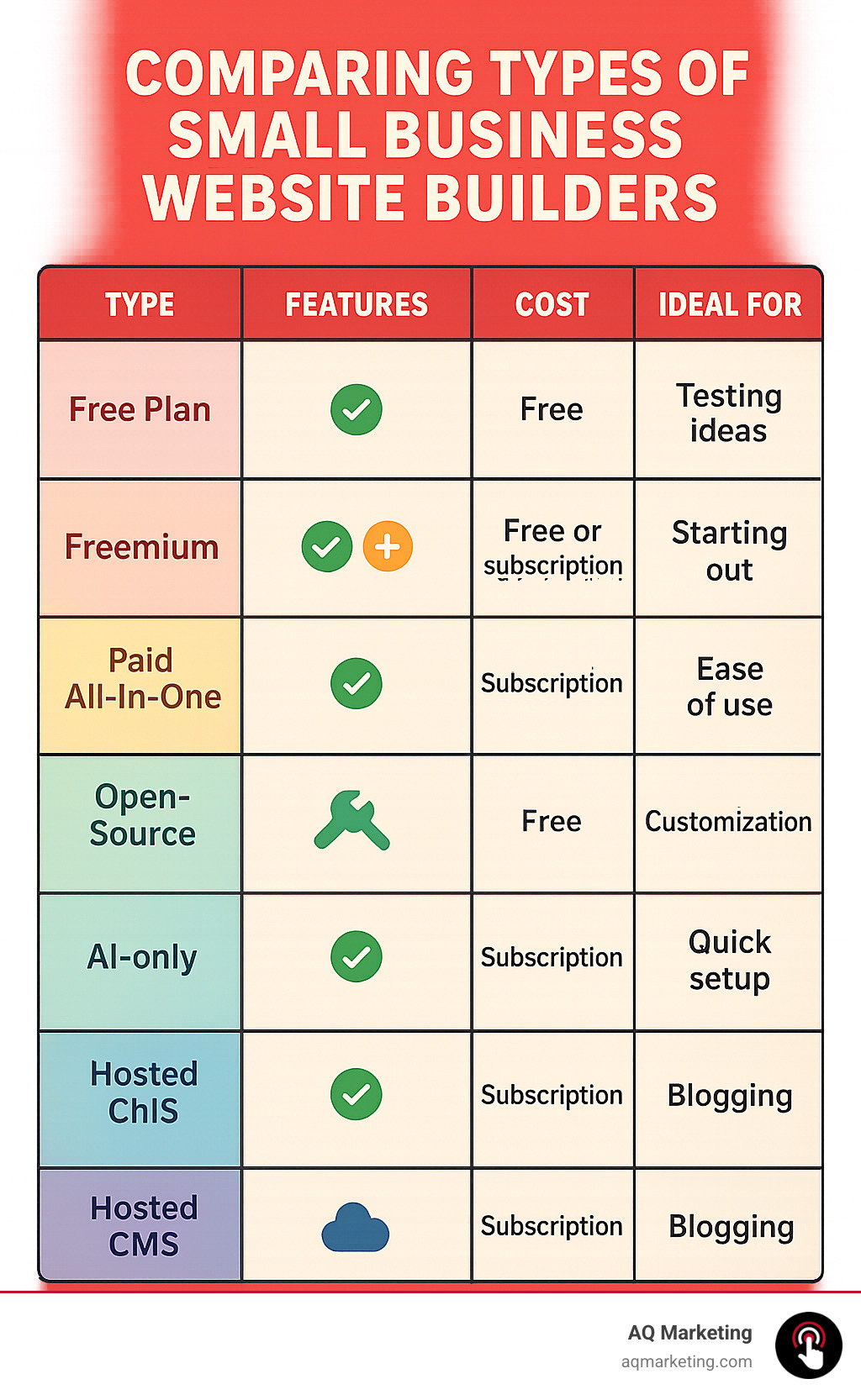
Comparing Types of Small Business Website Builders
Choosing the right small business website builder feels overwhelming when you’re staring at dozens of options. After helping businesses steer this decision for over 20 years, I’ve learned that understanding the main categories makes everything clearer.
Think of website builders like cars – they all get you from point A to point B, but some are basic economy models while others are luxury vehicles with all the bells and whistles. Your choice depends on your budget, technical comfort level, and business goals.
Free-plan builders are like borrowing your friend’s car. They work for short trips, but you can’t customize them or remove the “Student Driver” sticker. These platforms give you basic website creation at no cost, but you’ll get a subdomain like “yoursite.buildersite.com” and display their advertisements.
Freemium models offer the best of both worlds – start free and upgrade when you’re ready. It’s like test-driving a car before buying. The free versions include enough limitations to encourage upgrades, so think of them as extended trial periods rather than permanent solutions.
Paid all-in-one solutions are the luxury SUVs of website builders. You pay more upfront, but everything’s included – website building, ecommerce, marketing tools, and analytics. No juggling multiple subscriptions or worrying about integration headaches.
Open-source platforms give you complete control, like building your own custom car from parts. They’re incredibly powerful and flexible, but you need technical knowledge to maintain them. Most small business owners find them more trouble than they’re worth.
AI-only builders represent the newest category – imagine a car that drives itself to exactly where you need to go. They create entire websites from simple business descriptions in minutes. The trade-off? Less customization than traditional builders.
Free vs. Paid Plans for a Small Business Website Builder
Here’s the uncomfortable truth about free plans: they work against your business credibility. When potential customers see “yoursite.wixsite.com” instead of “yoursite.com,” they immediately question your professionalism.
The bandwidth caps on free plans can crash your site during traffic spikes. Imagine finally getting featured in the local newspaper, only to have interested customers find a “bandwidth exceeded” error message instead of your website.
Platform advertisements on free plans might actually promote your competitors. Nothing undermines your marketing efforts like having ads for rival businesses displayed prominently on your website.
Transaction fees on free ecommerce plans add up quickly. Most charge 2-3% per sale, while paid plans often include transaction-free processing. If you’re selling $1,000 monthly, those fees already exceed most paid plan costs.
Traditional Drag-and-Drop vs. AI-Generated Sites
Traditional drag-and-drop builders give you complete creative control. You can position every button, adjust every color, and create unique layouts that perfectly match your vision. It’s like being the architect, interior designer, and contractor all rolled into one.
The learning curve varies dramatically between platforms. Some feel as intuitive as rearranging furniture in a room, while others require understanding technical concepts like responsive breakpoints and grid systems.
AI-generated sites prioritize speed over customization. Answer a few questions about your business, and the AI creates a complete website with appropriate content, images, and layout. It’s remarkably effective – what used to take weeks now happens in minutes.
The choice between traditional and AI approaches often comes down to personality. Detail-oriented business owners who enjoy the creative process prefer drag-and-drop builders. Busy entrepreneurs who want professional results quickly gravitate toward AI-generated solutions.
From Idea to Launch: Step-by-Step Blueprint
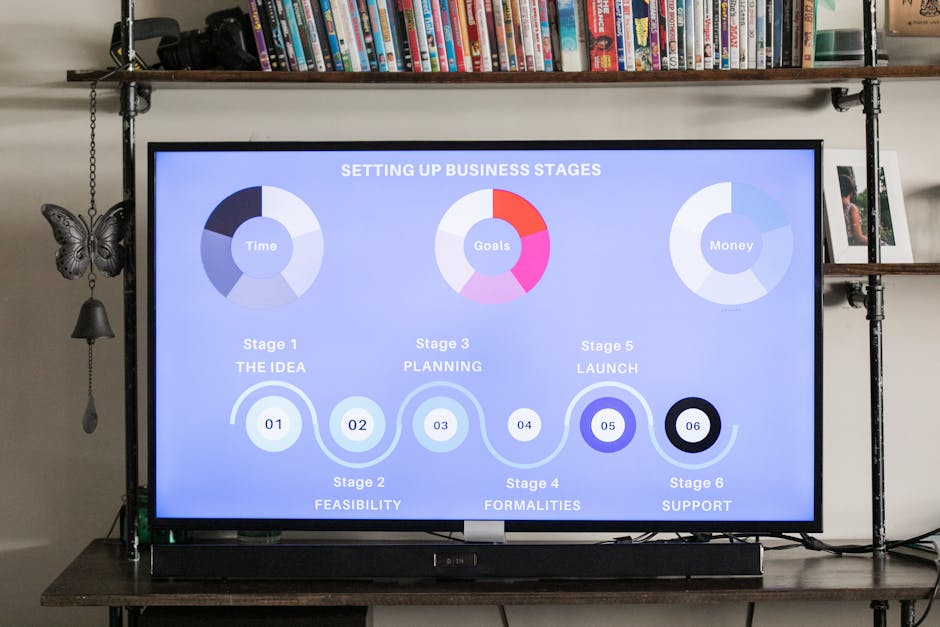
Launching your first small business website builder project doesn’t have to feel overwhelming. After helping businesses across Woburn and Boston get online since 2003, I’ve learned that success comes from following a clear roadmap rather than diving in headfirst.
The secret is planning before building. Companies that spend time thinking through their goals, organizing their content, and mapping out their site structure consistently create better websites than those who jump straight into design mode.
Start by asking yourself one crucial question: what’s the main thing you want your website to accomplish? Maybe you need to generate leads for your HVAC business, sell handmade jewelry online, or help clients book appointments at your salon. This core purpose will guide every decision you make.
Next comes sitemap creation – basically sketching out what pages you’ll need and how they’ll connect. Most small businesses need fewer pages than they think. Your home page introduces visitors to your business. An about page builds trust by sharing your story. Services or products pages explain what you offer. A contact page makes it easy to reach you.
Don’t forget the power of content preparation. Gather your business description, team photos, customer testimonials, service explanations, and contact details before you start building. Having everything ready prevents those frustrating moments when you’re staring at a blank template wondering what to write.
Registering Your Domain & Securing Hosting
Your domain name becomes your digital address, so choose something that’s easy to remember and spell. Stick with your business name when possible, and avoid hyphens or creative spellings that confuse potential customers trying to find you online.
Most small business website builder platforms handle the technical DNS stuff automatically, which is a huge relief if you’re not tech-savvy. Just know that once you register your domain, it can take up to 48 hours for everything to connect properly across the internet.
SSL certificates might sound technical, but they’re essential for protecting your visitors’ information. The good news? Modern website builders include SSL automatically. You’ll know it’s working when you see that little lock icon in your browser’s address bar.
Uptime guarantees ensure your website stays accessible when customers need it. Look for builders promising 99.9% uptime or better. Every minute your site is down potentially costs you sales and damages your search engine rankings.
For comprehensive guidance on domain registration and management, Domains offers detailed information about securing your online identity.
Customizing for Brand Consistency
Your color palette shapes how customers perceive your business before they read a single word. Professional services often gravitate toward trustworthy blues and sophisticated grays, while creative businesses might choose bold, energetic colors that reflect their personality. Pick three to five colors and use them consistently throughout your site.
Typography choices affect both readability and brand personality. Most builders suggest font pairings that combine clear body text with distinctive headings. Stick to two or three fonts maximum – using too many makes your site look scattered and unprofessional.
Logo integration creates instant brand recognition. Position your logo prominently in the header, make sure it links back to your homepage, and keep the sizing consistent across all pages.
Call-to-action optimization guides visitors toward taking the actions you want. Use clear, action-oriented language like “Schedule Your Free Consultation” or “Get Your Custom Quote Today.” Position these buttons prominently on each page and style them consistently so visitors know exactly what to do next.
Optimizing for Search & Conversions
Keyword mapping connects your content with the terms potential customers actually search for. Research the phrases people use when looking for businesses like yours, then incorporate them naturally into your page titles, headings, and content. Focus on being helpful rather than stuffing keywords awkwardly into sentences.
Internal linking helps both search engines and visitors steer your site effectively. Connect related pages naturally – link from your services page to relevant case studies, from blog posts back to your service offerings, and from general information to specific solutions you provide.
Page speed optimization keeps visitors happy and search engines satisfied. Compress your images, avoid overloading pages with unnecessary features, and choose builders with fast hosting infrastructure. Most modern platforms handle the technical speed optimization automatically.
For detailed guidance on creating effective websites that convert visitors into customers, check out our comprehensive guide on Website Design for Small Business.
Post-Launch Marketing & Maintenance
Analytics review reveals how visitors actually use your website versus what you assumed they’d do. Set up Google Analytics or use your builder’s built-in tracking to monitor page views, bounce rates, and conversion patterns. Regular review helps you spot optimization opportunities you might otherwise miss.
Content calendar planning keeps your website fresh and gives customers reasons to return. Plan blog posts, service updates, customer testimonials, and seasonal promotions in advance. Search engines favor sites with regularly updated content, and fresh information keeps your business top-of-mind with customers.
Security scans catch potential problems before they become expensive disasters. Many builders include automated security monitoring, but consider additional protection for sites handling sensitive customer information.
Frequently Asked Questions about Small Business Website Builders
How easy is it for a non-tech owner to build a site?
Here’s the honest truth: if you can use email or social media, you can build a website with a modern small business website builder. I’ve watched countless business owners who couldn’t even change their computer wallpaper successfully launch professional websites in a single afternoon.
The magic happens through drag-and-drop interfaces that work just like arranging furniture in a room. You literally click on elements and move them where you want them. No mysterious code, no technical jargon – just point, click, and customize.
What really changed the game is AI technology. Today’s smart builders can create your entire website by having a simple conversation with you. Tell it you run a plumbing business in Boston, and it’ll generate pages for your services, write initial content, and even suggest relevant images.
The learning curve is surprisingly gentle. Most platforms include video tutorials that walk you through each step, plus live chat support when you get stuck. Think of it like learning to use a new smartphone app – there might be a few “where’s that button?” moments, but you’ll be comfortable within hours, not weeks.
Can I switch builders later as my company scales?
Switching website builders isn’t like changing your phone number – it’s possible, but it requires some planning. The good news is that most small business website builder platforms make it relatively straightforward to export your content, images, and basic site structure when you’re ready to move.
The smoothest transitions happen when you upgrade within the same company’s ecosystem. Starting with a basic plan and moving to their premium features usually preserves everything perfectly. Your design, content, and even your SEO progress typically transfer seamlessly.
Moving between different companies gets trickier. While migration tools exist to help transfer your site, expect to spend some time recreating custom elements and fine-tuning the new design. It’s like moving houses – the big stuff transfers, but you’ll need to reorganize and make everything feel like home again.
What hidden costs should I budget for?
Nobody likes surprise expenses, so let’s talk about the costs that catch business owners off guard. Beyond your monthly small business website builder subscription, you’ll need a custom domain name (about $15 per year) and professional email addresses that match your domain (usually $5-10 monthly per email account).
Transaction fees can really add up for online sellers. Some builders charge 2-3% on every sale, which might seem small until you’re processing thousands in monthly revenue. Do the math – sometimes paying higher monthly fees for lower transaction costs saves money in the long run.
Premium features often require separate subscriptions. That advanced booking system, email marketing tool, or professional analytics dashboard might cost an extra $10-50 monthly each. These add-ons provide real value, but they can double or triple your website costs if you’re not careful.
The biggest hidden cost? Your own time. While builders are easier than ever, creating compelling content, optimizing for search engines, and maintaining your site requires ongoing effort. Budget time for regular updates, or consider professional help to maximize your website’s impact on your business growth.
Conclusion
The journey to finding the perfect small business website builder doesn’t have to be overwhelming. After exploring everything from drag-and-drop simplicity to AI-powered automation, you now have the roadmap to make an informed choice that fits your unique business needs and budget.
Your website isn’t just another business expense – it’s your hardest-working employee. While you’re sleeping, it’s qualifying leads, building trust with potential customers, and even processing sales. The small business website builder you choose becomes the foundation for all your digital marketing efforts, from social media campaigns to email marketing.
Future-proofing your decision means thinking beyond today’s needs. Will the platform grow with you as you expand? Does it offer emerging technologies like AI copywriting and advanced analytics? Can it handle increased traffic and more complex functionality as your business evolves?
The beauty of modern website builders lies in their accessibility. You don’t need a computer science degree or a massive budget to create something that looks like a Fortune 500 company designed it. The credibility boost alone – having a professional, mobile-responsive website with your own domain – levels the playing field against much larger competitors.
At AQ Marketing, we’ve watched countless small businesses transform their fortunes through smart digital choices. Since 2003, we’ve helped companies across Boston, Woburn, Middlesex County, Essex County, the Merrimack Valley, and Southern New Hampshire turn their online presence from afterthought to profit center.
The most successful business owners we work with understand a simple truth: small beginnings paired with the right tools create extraordinary outcomes. Your website builder choice is one of those pivotal decisions that compounds over time, generating more leads, building stronger customer relationships, and creating the professional image that drives growth.
Whether you’re a contractor looking to book more jobs, an insurance agent building client trust, or any service professional ready to expand your reach, the right platform is waiting. The technology exists, the templates are beautiful, and the opportunity is enormous.
Ready to see how the right digital strategy can amplify your website’s impact? Explore our Industries We Service to find how AQ Marketing helps turn small beginnings into lasting online success across diverse business sectors.
Your professional website is just the beginning – but what a beginning it can be.
Why Your CrossFit Gym Website Needs to Be More Than Just a Digital Business Card
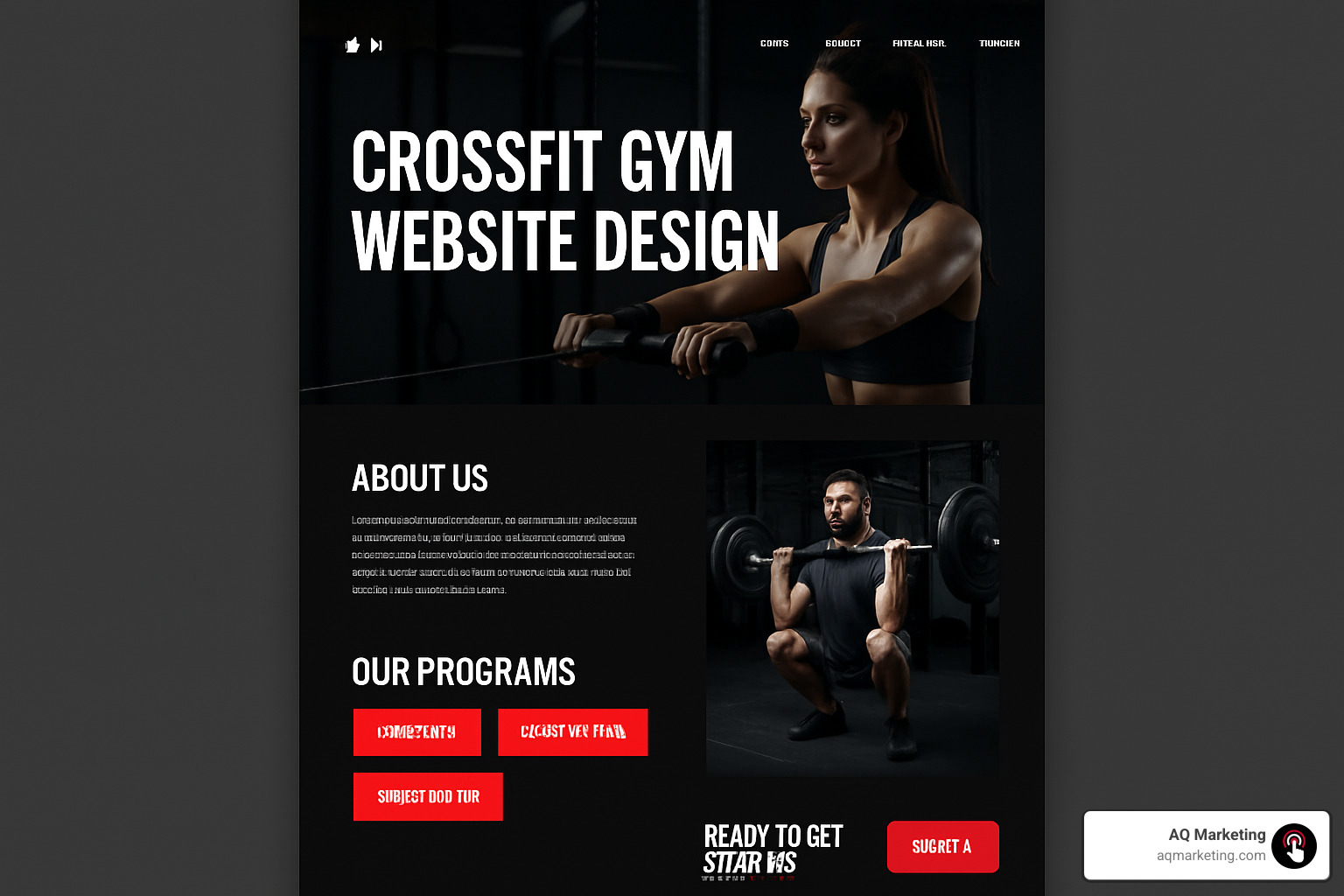
CrossFit gym website design is the critical foundation for attracting new members and building your box’s community online. Based on our research, an effective CrossFit website must achieve these four essential goals:
Key Website Goal
What It Means
1. Communicate Your Unique Value
Show what makes your coaching, community, and approach different
2. Generate & Convert Leads
Turn visitors into trials and trials into members
3. Provide Clear Location & Membership Info
Make it obvious where you are and what you offer
4. Showcase Success Stories & Community
Build trust through real results and authentic community
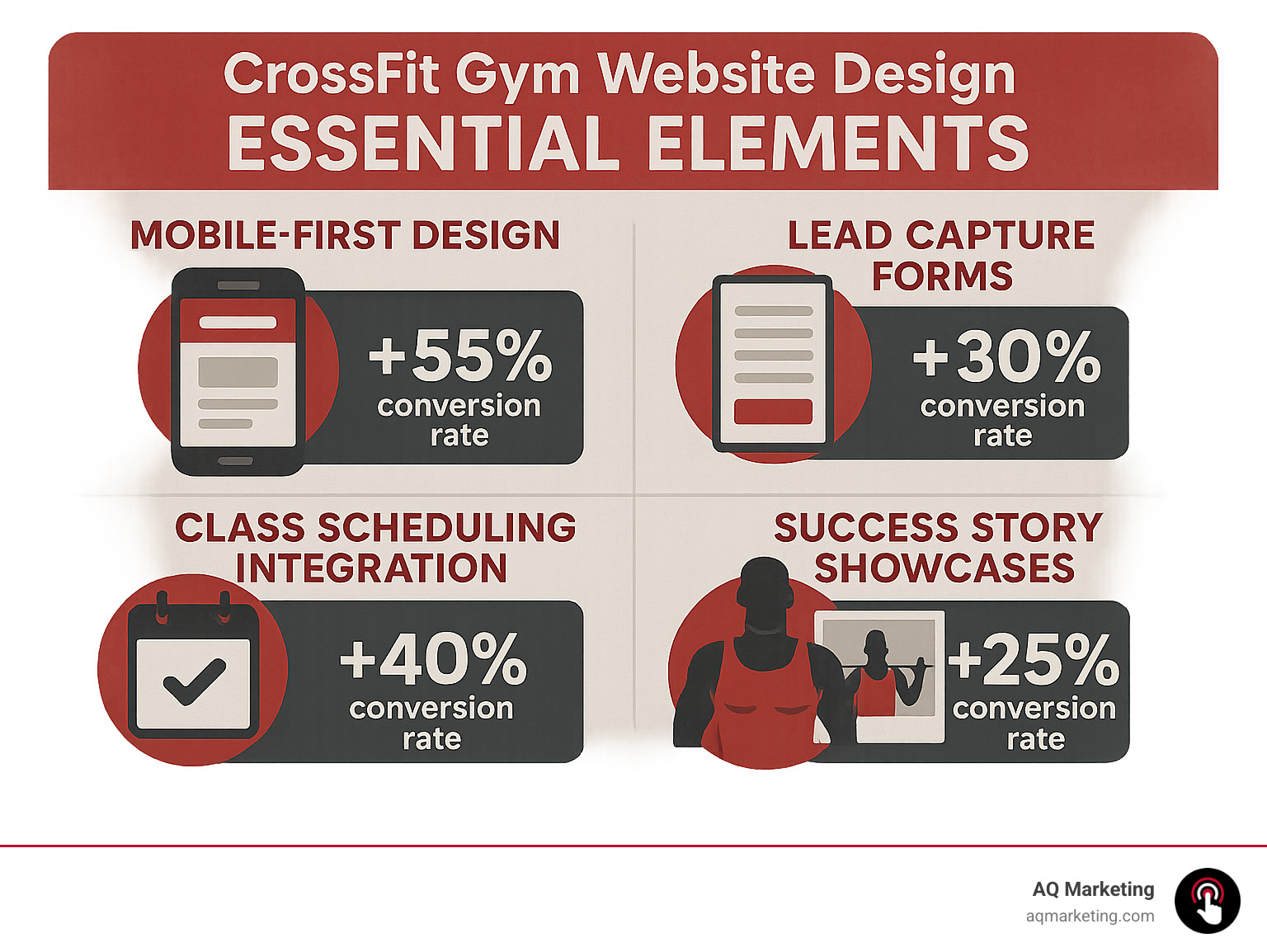
A responsive website is essential, as over 55% of website visits come from mobile devices. CrossFitters are busy, and most potential members will look you up on their phones first.
Your website is not just an online brochure – it is your 24/7 salesperson. As one gym owner noted: “Our site is now a salesman, not just a digital scrapbook.” The right design can generate 2-5x more leads after switching to a purpose-built CrossFit website.
When designing your CrossFit gym website, it needs to work harder than the average business site by simultaneously:
Educating newcomers about CrossFit’s benefits
Overcoming intimidation factors for beginners
Showcasing your community’s energy and results
Making scheduling and trying a class frictionless
Keeping current members engaged with WODs and events
I’m Robert P. Dickey, President and CEO of AQ Marketing with over two decades of experience helping fitness businesses succeed online.
10 Essential Goals for CrossFit Gym Website Design
When building a CrossFit gym website design, you’re not just creating another fitness page – you’re crafting a digital home for your community and a powerful tool to grow your business. After working with dozens of fitness clients throughout Boston and Merrimack Valley, we’ve identified 10 must-have elements that truly move the needle:
Clearly communicate your unique value proposition
Build trust through social proof and testimonials
Provide easy access to location and contact information
Deliver a lightning-fast mobile user experience
Capture leads with compelling offers
Optimize for local SEO visibility
Foster community engagement
Enable frictionless class booking
Provide WOD (Workout of the Day) access
Maintain consistent branding across all pages
Let’s dive deeper into the elements that transform curious visitors into committed members.
Educate With a Killer UVP (Unique Value Proposition)
Your Unique Value Proposition is not just gym-speak – it is your promise to potential members. Within seconds of landing on your site, visitors should understand exactly why your box is worth their time and investment.
The most effective CrossFit UVPs go beyond generic “get fit” messaging. They offer a benefits snapshot that speaks directly to what members truly gain. Highlight your coaching edge too. One gym owner told us, “When we started showcasing our coaches’ certifications and specialties, people could see we weren’t just another box – we were experts.”
Don’t forget a virtual facility tour – today’s members want to see your space before they ever step foot inside.
Convert Visitors Into Members
Your website should work harder than your hardest-working coach. Its primary job? Turning visitors into paying members.
The secret sauce is a prominent free intro offer that is impossible to miss. Include risk-reversal language that addresses common fears. Many people worry CrossFit might be too intense or that they’re not fit enough to start.
Finally, make your CTAs pop with bold, contrasting colors that guide the eye exactly where you want it to go.
Clarify Logistics in Seconds
When someone’s considering your gym, they have three immediate questions: Where are you? When can I come? How much does it cost?
Answer these questions instantly with an embedded location map showing your exact position. Include a simplified schedule snapshot right on your homepage – not hidden three clicks deep.
Be transparent about pricing tiers and what’s included in each. Hiding prices does not prevent sticker shock – it just delays it until after you’ve wasted time on leads who can’t afford your services.
Showcase Proof & Community
CrossFit is not just fitness – it is family. Your website should capture this community spirit through real stories and results.
Create a compelling before-after gallery showcasing actual member changes. Include a testimonial slider featuring diverse member types – the competitive athlete, the busy parent, the former couch potato.
Don’t shy away from sharing specific change stats – whether it is pounds lost, PRs (Personal Records) achieved, or competitions won. Numbers tell a story that general statements can’t match.
Feature-Packed Pages: Must-Have Elements That Convert
The most effective CrossFit gym website designs include specific features that drive engagement and conversions. Here’s what your pages need to include:
Lead-Generation Engines That Never Sleep
Your website should be working hard to bring in new members even when you’re catching some well-deserved rest. Think of it as your tireless sales team that never takes a day off.
We’ve seen remarkable results when gyms implement sticky CTAs that follow visitors as they explore your site. One gym owner I worked with recently told me, “Adding a simple pop-up offering a free nutrition guide increased our email capture by 215% in the first month.”
The secret sauce for CrossFit lead generation often comes in the form of irresistible content offers. Free workout guides, nutrition templates, and “what to expect” videos all make fantastic lead magnets that prospects genuinely want. When you pair these offers with streamlined forms that ask for just the essentials – name, email, phone – you remove friction from the signup process.
Don’t forget to implement Facebook Pixel integration for retargeting and connect everything to your CRM system for automatic follow-ups.
Mobile-Friendly CrossFit Gym Website Design Tips
With over 55% of website visits coming from mobile devices, your CrossFit gym website design absolutely must shine on smaller screens.
Fluid breakpoints are essential for a seamless experience across all devices. Position important buttons in what designers call the “thumb zone” – that sweet spot where people can easily tap without adjusting their grip.
Page speed is crucial for mobile users. Implement lazy-loading for your media so visitors don’t bounce while waiting for content to load. Make sure your text is comfortably readable without zooming (16px minimum), and enable tap-to-call functionality for your phone numbers.
Google now prioritizes mobile-first indexing, which means they primarily use your mobile site for ranking decisions. For more insights on mobile optimization, check out our guide on mobile-friendly website elements.
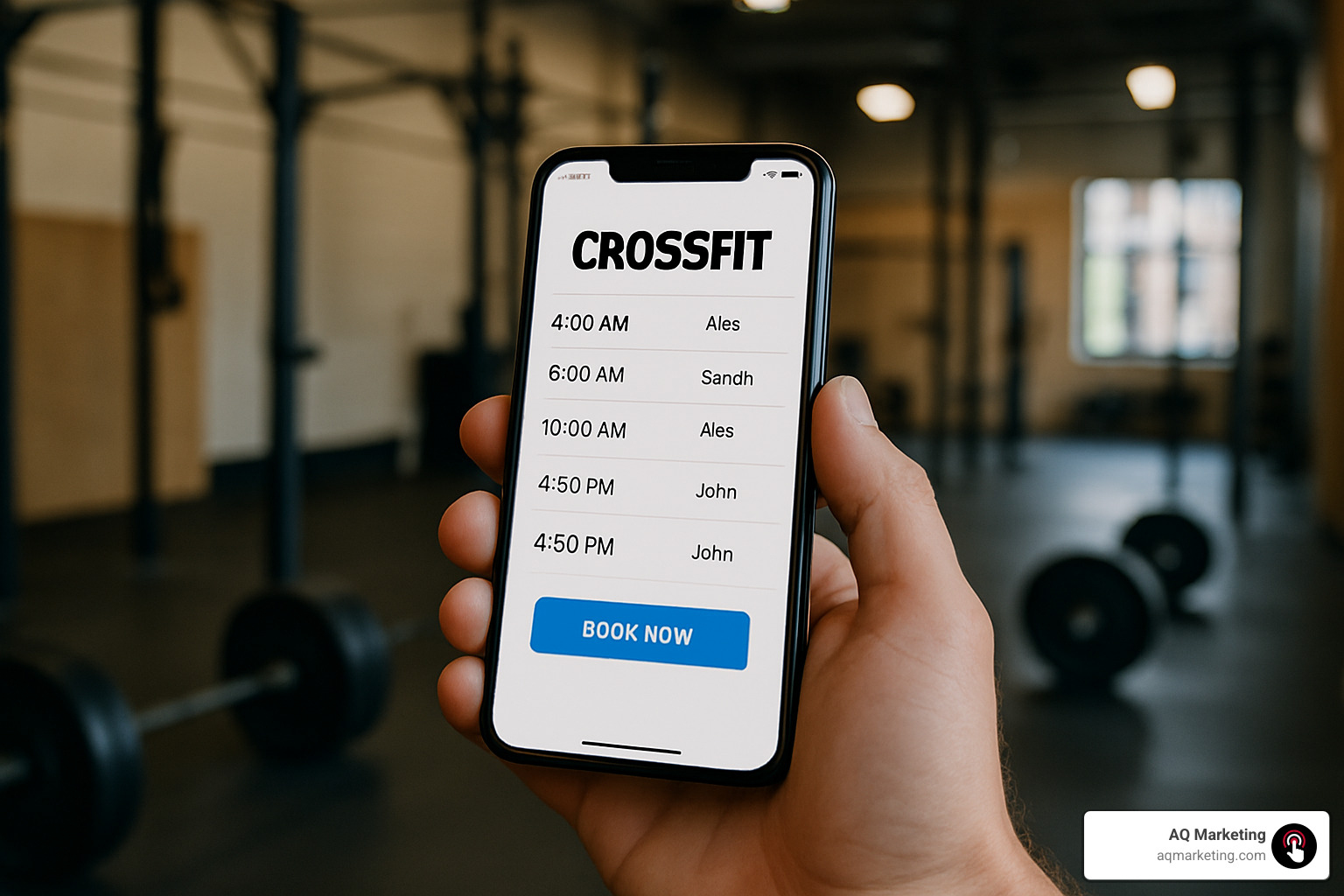
Class Scheduling & WOD Tracking Integration
The functionality that truly separates exceptional CrossFit websites from mediocre ones is seamless class scheduling and WOD tracking.
An embedded calendar view makes class booking intuitive and immediate. When members can see availability and reserve their spot in just a couple of taps, attendance improves dramatically. One gym we worked with in the Boston area reported, “After adding online booking, our class no-show rate dropped from 18% to under 5%.”
Member portals add tremendous value by giving your community a place to track personal records and attendance history. Automated reminder emails or texts for upcoming classes further reduce no-shows.
Popular integration options include MindBody, Wodify, ZenPlanner, PushPress, and Acuity Scheduling.
Testimonials & Success Stories for Credibility
Nothing builds trust quite like seeing real people achieve their goals. Your website should strategically showcase authentic success stories that potential members can relate to.
Video testimonials pack an emotional punch that written reviews simply can’t match. Pair these videos with specific, measurable results to provide concrete evidence of your program’s effectiveness.
Feature diverse member stories representing different ages, fitness levels, and goals. A busy professional who found time for fitness, a former athlete refinding their competitive edge, a complete beginner who overcame gym anxiety – these varied perspectives help prospects see themselves in your community.
Design Inspiration: 7 CrossFit Gym Websites That Crush It
Looking for some real-world examples to spark your creativity? I’ve gathered seven CrossFit gym websites that nail the essentials of CrossFit gym website design while driving serious results for their boxes:
Sharp Edge CrossFit – Grit Meets Clarity
When you land on Sharp Edge CrossFit’s homepage, you immediately feel the intensity of their training culture without feeling overwhelmed as a user. Their design brilliantly balances a dark theme with high-contrast elements that captures that raw, gritty CrossFit vibe. Their auto-playing background video shows diverse athletes mid-workout, instantly communicating what happens in their box.
What makes it work so well is how they’ve stripped away navigation clutter to focus visitors on the key conversion paths.
Bridgeport Athletics – Warm Visual Story
Bridgeport takes a refreshingly different approach that feels like a warm welcome rather than an intimidating challenge. Their site features everyday members engaged in workouts and celebrating together.
Their headlines focus on results and belonging rather than intensity, with messaging that addresses what people really care about: change and community. They display clear, transparent pricing tiers that remove the mystery from membership options.
SOCF CrossFit – Responsive Done Right
If you’re looking for a masterclass in mobile-first design, SOCF CrossFit delivers the blueprint. Their site features layouts that adjust beautifully whether you’re viewing on a desktop monitor, tablet, or smartphone.
Their cleverly designed sticky sign-up bar follows you as you browse, keeping the conversion opportunity present without feeling pushy. Everything loads lightning-fast, thanks to their optimized images and minimal scripts.
CrossFit NYC – Urban Energy
CrossFit NYC’s website captures the dynamic pulse of big city fitness with style. Their looping workout video immediately showcases the energy of their packed classes and impressive facility.
What stands out is their minimalist navigation that keeps visitors focused on the main conversion paths without distractions. The design elements themselves reflect their urban environment, creating an authentic brand experience.
Badger CrossFit – Community First
Badger CrossFit understands that people join for the workout but stay for the community. Their site puts their box’s culture front and center with a compelling testimonial wall featuring diverse member stories.
They publish daily WODs as blog posts, which serves double duty: keeping current members engaged while creating fresh, keyword-rich content that boosts their search visibility.
Foundation CrossFit – Education Hub
Foundation CrossFit takes a different approach, positioning themselves as the educational authority in their market. Their site features comprehensive nutrition guides and resources that provide value before you ever set foot in their facility.
Their clever FAQ accordions address common CrossFit questions, removing barriers to entry for newcomers intimidated by the terminology or movements.
CrossFit Amsterdam – Multilingual Reach
CrossFit Amsterdam shows how to effectively serve a diverse, international audience with their thoughtfully designed site. Their seamless language toggles make the experience accessible regardless of your primary language.
Looking for more inspiration? Check out CrossFit Panoply for another excellent example of effective CrossFit gym website design.
Build vs. Buy: Choosing the Right Platform
Let’s face it – deciding how to build your CrossFit gym website design can feel as challenging as your first muscle-up. Should you DIY it or invest in something custom? As someone who’s guided dozens of gym owners through this decision, I can tell you there’s no one-size-fits-all answer – but there is a perfect fit for your specific situation.
Platform Option
Pros
Cons
Typical Cost
Best For
Custom Development
Completely unique design, full control
Highest cost, longest timeline
$10,000-$40,000
Established boxes with unique needs
WordPress Theme
Flexible, widely supported
Requires some technical knowledge
$2,000-$10,000
Mid-sized gyms with some tech comfort
Webflow
Visually stunning, no coding needed
Learning curve, subscription costs
$1,000-$5,000 + monthly
Design-focused gyms wanting visual impact
CrossFit-Specific Platforms
Built for the industry, WOD features
Less customization, ongoing fees
$50-$200/month
New gyms needing quick, functional sites
DIY Website Builders
Lowest initial cost, quick setup
Generic look, limited functionality
$0-$500 + monthly
Bootstrapping startups, temporary sites
DIY Templates vs. Custom Builds
Many CrossFit gym owners, particularly those just opening their doors, gravitate toward DIY templates – and with good reason. They’re affordable, quick to launch, and don’t require you to know what HTML stands for.
“We started with a template site while we built our member base, then reinvested in a custom site once we had consistent revenue,” shared one gym owner we worked with. This approach makes perfect sense – your website can evolve as your business grows.
If you’re leaning toward the template route, look for options that at least give you some flexibility with custom color schemes to match your branding, easy embedding of scheduling tools, truly mobile-responsive layouts, and simple content updates.
CrossFit-Specific Platforms
Several platforms have emerged specifically for CrossFit gyms, offering specialized features that generic website builders simply don’t have. These platforms shine with their built-in WOD posting and archiving, member management systems, attendance tracking, and PR tracking features.
The main trade-off? Design limitations. As one gym owner candidly told us, “The CrossFit-specific platform gave us all the functionality we needed, but we struggled to stand out visually from other boxes in our area using the same platform.”
Custom CrossFit Gym Website Design Pros & Cons
For established boxes ready to create something truly unique, custom CrossFit gym website design offers significant advantages. You’ll get complete control over your visual identity, user experience custom to your specific community, seamless integration with your preferred tools, and a long-term asset that grows with your business.
The obvious drawbacks are the higher upfront investment and longer development timeline. But as many of our clients find, this approach often pays for itself through increased lead generation and conversion rates.
At AQ Marketing, we’ve helped CrossFit gyms across Boston, Woburn, and Southern New Hampshire develop websites that don’t just look good – they work hard as 24/7 marketing tools. More info about design services
SEO & Ongoing Marketing Playbook
A beautiful website won’t help your business if no one can find it. Implementing a strong SEO strategy is crucial for CrossFit gym website design success:
On-Page Fundamentals
Let’s start with the building blocks of good SEO that every CrossFit gym website needs. Think of these as the foundation movements – like learning proper squat form before adding weight.
Your title tags should include location-specific keywords (like “CrossFit Gym in Woburn, MA”) to help Google understand exactly where you are. Each page deserves a unique meta description that highlights specific benefits – this is your 155-character elevator pitch that appears in search results.
Don’t forget your images! Adding descriptive alt text isn’t just good for accessibility – it helps search engines understand what they’re looking at.
Schema markup might sound technical, but it’s essentially just structured data that helps Google display your business information more effectively. When implemented correctly, it can help you score that coveted Google Knowledge Panel that displays your hours, location, and reviews directly in search results.
For CrossFit gyms, local SEO isn’t just important – it’s essential. Make sure your NAP (Name, Address, Phone) information appears consistently on every page. An embedded Google Map shows visitors exactly where to find you.
Content That Builds Community
Creating regular content serves two masters: it feeds the Google algorithm while nurturing your community. It’s the perfect win-win strategy.
Daily WOD posts create a steady stream of keyword-rich content while keeping your members informed. Nutrition tips, member spotlights, and technique articles showcase your expertise while providing genuine value to readers.
One gym owner told me, “Publishing our WODs as blog posts improved our search rankings, but the unexpected benefit was how it created shareable content for our social channels.”
The most effective content strategy balances educational material for prospects, motivational content for current members, and community-building content that brings everyone together.
Tracking & Optimization
In CrossFit, you track your progress carefully – your website deserves the same attention. Setting up proper analytics isn’t just about collecting data; it’s about gathering insights that drive improvement.
Google Analytics helps you understand where your traffic comes from and how visitors behave on your site. Heatmapping tools show you exactly how visitors interact with your pages – where they click, how far they scroll, and what they ignore.
A/B testing critical elements like your call-to-action buttons, form layouts, and headlines helps you continually refine your conversion path. Even small improvements can compound over time – a 5% improvement in conversion rate might mean dozens of additional members over a year.
Many of our CrossFit clients in Middlesex County and Essex County see lead generation increases of 30% or more after implementing data-driven optimization strategies.
Frequently Asked Questions about CrossFit Gym Website Design
What Makes a CrossFit Gym Website Design Convert Visitors Into Paying Members?
Converting website visitors into committed members isn’t magic – it’s about creating the right combination of elements that build trust and make taking action irresistible.
The secret sauce for a high-converting CrossFit gym website design comes down to three key ingredients:
First, your offer needs crystal-clear messaging. Within seconds, visitors should understand exactly what makes your box special, who thrives in your community, and the change you promise.
Second, nothing sells like seeing others succeed. Real member stories, authentic before-and-after photos, and community highlights help prospects envision their own journey at your gym.
Third, make signing up ridiculously simple. Every extra field in your form, every additional click, and any confusion about next steps will cost you members.
How Do I Integrate Class Bookings and Payments Seamlessly?
Nothing kills excitement faster than a clunky booking process. Your members shouldn’t need a user manual to sign up for tomorrow’s WOD!
The most successful gyms create a seamless experience by thoughtfully connecting their tech stack:
Popular scheduling platforms like MindBody, Wodify, and ZenPlanner offer direct API connections that let you embed booking functionality right into your website. This means members stay in your branded environment rather than being shuttled to a third-party site.
For payments, Stripe and PayPal provide developer-friendly tools that make transactions smooth and secure. The best implementations allow members to save payment information for one-click registration.
Consider creating a dedicated member portal that serves as a one-stop hub for all member activities – from booking classes to tracking PRs and managing payments.
Which Platform Fits My Budget and Growth Goals?
Choosing the right platform for your CrossFit gym website design is a bit like programming a good workout – it needs to challenge you appropriately without causing injury to your budget!
The perfect platform balances three critical factors:
Cost vs. control is your first consideration. Generally, the more customization and control you want, the higher the investment. Be honest about which aspects of your site truly need to be unique to your brand.
Next, think about future features. The platform that’s perfect today might become limiting as your box grows. Will you need to integrate with more sophisticated member management tools? Add e-commerce for supplements or gear?
Finally, be realistic about support needs. Some platforms expect you to handle technical issues yourself, while others provide extensive support.
For most CrossFit gyms we work with across Boston and Southern New Hampshire, WordPress with a fitness-focused theme provides the sweet spot – enough customization without requiring a computer science degree, with plenty of room to grow as your community expands.
Conclusion
Let’s be honest – your CrossFit gym website design needs to sweat as hard as your members do. It’s not just about looking pretty with some barbell photos and a contact form. Your website should be your hardest-working team member, generating leads and building community while you sleep.
After helping dozens of CrossFit boxes transform their online presence, we’ve seen what separates the high-performers from the digital deadweight. The most successful CrossFit websites consistently nail these essentials:
Mobile-first design that looks amazing on phones (where 55% of your traffic comes from)
Crystal-clear calls-to-action that make it obvious how to take the next step
Seamless scheduling integration so booking that first class feels effortless
Authentic community showcases that let your box’s unique culture shine through
Regular content updates that build both SEO momentum and member engagement
Think about it – your website is often the first impression potential members get of your box. That first digital handshake needs to be firm, friendly, and followed by a clear path to your door.
The CrossFit landscape keeps evolving, and your website needs to serve double duty: captivating curious prospects while providing genuine value to your existing community.
Here at AQ Marketing, we’ve been partnering with fitness businesses throughout Boston, Woburn and Massachusetts since 2003. We understand the unique energy of the CrossFit community and how to translate that intensity into websites that don’t just look good, but actually perform.
Your website should be more than a digital business card – it should be a lead-generating, community-building powerhouse that works around the clock. When strategically designed, it becomes your most valuable marketing asset, consistently bringing new faces through your door.
Ready to give your CrossFit box’s online presence the same attention you give to perfecting your coaching? Let’s talk about creating a website that truly captures what makes your community special. More info about custom website design services
Web Design for Contractors: 7 Powerful Tips for Success 2025
Building a Digital Foundation: Why Contractor Websites Matter
Web design for contractors is essential for establishing credibility and generating qualified leads in today’s digital-first marketplace. Here’s what makes an effective contractor website:
Mobile-responsive design – 63% of organic search visits come from mobile devices
Fast loading speed – 40% of visitors abandon sites that take over 3 seconds to load
Clear calls-to-action – Guide potential clients to contact you
High-quality project photos – Showcase your craftsmanship
Customer testimonials – Display reviews to boost sales by up to 380%
Service-specific pages – Establish authority in your specialty areas
Contrary to popular belief, word-of-mouth alone doesn’t cut it anymore. With 97% of consumers searching online to find local businesses, your website serves as your 24/7 digital salesperson. A professionally designed contractor website builds trust through personal storytelling while showcasing your unique value and craftsmanship.
When potential clients visit your site, they form an impression in just 50 milliseconds. That first impression can be the difference between securing a new project or losing business to a competitor with a more polished online presence.
The stakes are high: A well-designed contractor website can increase conversions by an average of 358% compared to outdated sites, while also generating 35% more online traffic.
I’m Robert P. Dickey, President and CEO of AQ Marketing, and I’ve spent over two decades helping contractors develop effective web design for contractors that drive measurable results and business growth. Let me show you how to hammer out a website that works as hard as you do.
Why Every Contractor Needs a Professional Website
Your reputation in the construction industry is everything. But these days, that reputation begins online long before you ever set foot on a job site. At AQ Marketing, we’ve watched countless contractors transform from local businesses into recognized authorities in their field—all because they invested in professional web design for contractors.
Think of your website as your hardest-working employee—a tireless salesperson who never sleeps, takes vacations, or calls in sick. While you’re hanging drywall, rewiring a kitchen, or installing new plumbing, your website is simultaneously educating potential clients, showcasing your craftsmanship, and collecting leads that turn into real projects.
The numbers tell the story: 3 out of 4 people now use the internet to find local services, and a whopping 91% of that traffic goes to businesses on the first page of search results. Without a strong online presence, you’re essentially invisible to these potential customers—like having a truck with no signage parked behind a building where nobody can see it.
For our contractor clients across Massachusetts and Southern New Hampshire, we’ve seen dramatic increases in conversion rates when upgrading from outdated websites to professionally designed platforms that truly reflect the quality of their work.
The Cost of Neglecting Your Site
What does a neglected website say to potential clients? The same thing that showing up to an estimate in a messy truck would—you don’t pay attention to details.
The real cost goes far beyond bad first impressions. A one-second delay in your website’s loading time can reduce conversions by 7%. Even more alarming, 40% of visitors will abandon a site that takes more than three seconds to load. For a contractor generating $50,000 per day in business, that one-second delay could cost $1.28 million in lost opportunities annually.
Many contractors try DIY website builders thinking they’ll save money. The truth is, these cookie-cutter solutions often create generic sites that blend in rather than stand out. It’s like building a deck with the cheapest lumber from the big box store—it might function, but nobody’s going to be impressed by it.
One contractor told us after switching from their DIY site: “If ours was not a regional business, I’m not sure I’d be writing this review… I wouldn’t want the local competition to get the same results!” That’s how dramatic the difference was.
The Trust Factor: Storytelling that Sells
When services and pricing are similar (and let’s be honest, clients often think they are), what makes someone choose one contractor over another? Trust.
Effective web design for contractors weaves your personal story throughout the site, building the same level of confidence that comes from a personal referral. Your website should tell visitors who you are—how you started in the business, what drives your commitment to quality, and why you’re different from every other contractor in your service area.
This storytelling approach creates an emotional connection that generic “on time and on budget” messaging simply can’t match. When we redesigned a roofing contractor’s website in Woburn, MA, we highlighted the owner’s three-generation family history in the business and their deep roots in the local community. The result? Qualified leads increased by 42% in just three months.
Your website should work like a trusted friend making a recommendation—conveying your values, showcasing your craftsmanship, and demonstrating your reliability before the prospect ever picks up the phone to call you.
Essential Elements: Web Design for Contractors That Convert
Let’s talk about what actually turns website visitors into clients who call you for jobs. After nearly two decades of building contractor websites at AQ Marketing, we’ve finded what truly works to fill your calendar with quality leads.
Speed matters more than you might think. When your site takes more than three seconds to load, you’re literally watching 40% of your potential customers click away. We make sure every contractor website we build loads lightning-fast by optimizing images, streamlining code, and selecting hosting that won’t slow you down when traffic spikes.
Mobile responsiveness isn’t just a nice-to-have anymore—it’s absolutely critical. Think about how you use your own phone on job sites. With 63% of organic search visits now coming from mobile devices, your website needs to work flawlessly on everything from iPhones to tablets. This means buttons large enough to tap with work-calloused fingers, text you can read without squinting, and forms that don’t make people throw their phone in frustration.
We’ve found that strategic white space dramatically improves how people interact with your site. It’s not empty space—it’s breathing room that makes your content easier to digest and can boost readability by up to 20%. Just like you wouldn’t cram too many fixtures in a small bathroom, we don’t overcrowd your web pages.
Hero images are the digital equivalent of your showroom. These large, impressive photos of your best work need to be front and center—visible before anyone has to scroll. They instantly communicate the quality of your craftsmanship in a way words simply can’t.
Clear calls-to-action guide visitors toward becoming leads. Whether it’s “Get Your Free Estimate,” “Schedule a Consultation,” or “View Our Recent Projects,” these buttons should stand out and make the next step crystal clear. Think of them as signposts guiding potential clients through your website.
Want to learn more about making your website work perfectly across all devices? Check out our Responsive Web Design Services.
Must-Have Visuals & Social Proof
In the contracting business, seeing really is believing. High-quality project photos aren’t optional—they’re essential. They’re the digital handshake that builds initial trust. Professional photography is ideal, but even smartphone photos can work wonders if they’re well-lit and showcase your attention to detail.
A thoughtfully organized project gallery helps potential clients quickly find examples relevant to their specific needs. For remodelers, before-and-after comparisons are gold—they visually tell the story of the change you can deliver.
Nothing builds confidence like social proof. When a prospective client sees that others have trusted you with their homes and been delighted with the results, it dramatically reduces their perceived risk. Here’s what works best:
Client testimonials with full names and locations (photos of happy clients are even better)
Trust badges showing your insurance coverage, certifications, and professional memberships
Embedded Google reviews that update automatically as new ones come in
Detailed case studies that walk through challenging projects you’ve completed
The numbers don’t lie—displaying reviews can boost your conversion rates by an impressive 380%. Today’s homeowners trust online reviews almost as much as recommendations from their neighbors.
Web design for contractors should incorporate white space strategically around these elements to make them pop. Scientific research on whitespace readability confirms what we’ve seen in practice—proper spacing improves how well visitors understand and engage with your content.
Web Design for Contractors on Mobile
Let’s be honest—your potential customers are probably scrolling through their phones while sitting on their couch, thinking about that kitchen remodel or roof repair they need. With 63% of organic search visits now happening on mobile devices, your website needs to shine on smartphones.
Web design for contractors should start with mobile users in mind from day one. This “mobile-first” approach ensures that the most critical elements—your phone number, service descriptions, and contact forms—are immediately accessible to someone browsing on a smaller screen.
Think about how you actually hold and use your own phone. Your website needs thumb-friendly design, which means:
Navigation buttons large enough to tap without zooming in. Phone numbers that call you instantly when tapped (no copying and pasting required). Forms with minimal fields and plenty of space to type. And enough room between clickable elements so visitors don’t accidentally tap the wrong thing with their thumb.
Speed becomes even more crucial on mobile. Many of your potential clients in Middlesex County, Essex County, and throughout the Merrimack Valley are searching for contractors while on cellular connections, not high-speed wifi. Tools like Pingdom can help you measure your site’s loading time and identify what’s slowing things down.
A mobile-friendly contractor website isn’t just about looking good—it’s about making it ridiculously easy for homeowners to contact you before they move on to the next contractor in their search results.
SEO, Speed & Content: Turning Clicks into Qualified Leads
Even the most beautiful contractor website won’t generate business if nobody can find it. That’s where search engine optimization comes in—especially local SEO for contractors serving specific communities.
We’ve seen how proper SEO transforms business for contractors in Boston, Woburn, and throughout New England. Our comprehensive approach includes local keyword optimization targeting your specific service areas, complete Google My Business setup, and schema markup that helps search engines understand exactly what services you offer and where you provide them.
“My phone started ringing within two weeks of the site launch,” one of our roofing clients told us. “And these weren’t just any calls—they were from my exact target customer in my preferred service area.”
Creating individual, detailed pages for each service you offer serves two critical purposes. First, it allows you to target specific keywords related to that service. Second, it gives potential clients the in-depth information they need about your expertise in that particular area. A general contractor with a single “Services” page simply can’t compete with one who has dedicated pages for kitchen remodels, bathroom renovations, and home additions.
When it comes to page speed, every second counts—literally. Google’s research shows that as page load time increases from one to three seconds, the probability of bounce increases by 32%. That’s why we target a maximum two-second load time for all web design for contractors projects.
For more information about how we integrate custom website design with powerful SEO strategies, visit our Custom Website Design and SEO page. You can also check out these eye-opening website load-time statistics to understand just how critical speed is to your online success.
Structuring Pages to Pre-Qualify Leads
Not all leads are created equal. The best contractor websites do more than just generate inquiries—they pre-qualify potential clients, saving you precious time and resources by filtering out projects that aren’t a good fit.
We design pages that clearly communicate your specialties and parameters. This includes clear service area maps showing exactly where you work, minimum project thresholds stated upfront (like “We specialize in kitchen remodels starting at $25,000”), and detailed project galleries that set realistic expectations for quality and style.
A well-crafted FAQ section addressing common questions about timing, process, and payment terms can also help visitors self-qualify before reaching out.
When it comes to estimate forms, there’s a delicate balance to strike:
Short-Form Approach
Long-Form Approach
Quick to complete
More detailed information
Higher completion rate
Better lead qualification
Less insight into project scope
Clear budget expectations
May require follow-up to qualify
Saves time on initial consultation
Good for high-volume services
Better for complex projects
For most contractors in Massachusetts and Southern New Hampshire, we’ve found that a balanced approach works best—a simple initial contact form followed by a more detailed project questionnaire sent after the first touch. This gives you enough information to prepare for a productive first conversation without scaring off potential clients with an intimidating form.
Content Refresh & Blog Strategy
Fresh, relevant content signals to both search engines and potential clients that your business is active and current. For contractors, this means regularly updating your project portfolios, team information, service offerings, and client testimonials.
“Think of your website like your truck,” I often tell clients. “You wouldn’t drive a vehicle that hasn’t been serviced in years, so why would you expect your website to perform without regular maintenance?”
The most successful web design for contractors includes a blog strategy custom to the seasonal nature of contracting work. This approach drives significant traffic and leads by addressing timely concerns. A roofing contractor might focus on spring inspection tips after winter weather, energy-efficient options during summer, preparation advice in fall, and emergency repair information during winter.
Creating an editorial calendar ensures consistent posting, while internal linking between related content helps visitors steer to your service pages where conversions happen. One electrical contractor we work with saw a 27% increase in service page visits after implementing a strategic blog plan with seasonal content that naturally led readers to relevant service offerings.
By refreshing your content regularly and maintaining a strategic blog, you’ll not only improve your search rankings but also position yourself as the helpful expert that homeowners turn to when they need a contractor they can trust.
Maintenance, Analytics & ROI Tracking
Your contractor website isn’t a “set it and forget it” project—it’s a living, breathing business asset that requires ongoing care. Think of website maintenance like you would regular equipment maintenance: neglect it, and you’ll eventually face costly breakdowns when you least expect them.
At AQ Marketing, we’ve seen how proper maintenance transforms a good contractor website into a great one that consistently delivers leads year after year. Our comprehensive maintenance approach includes regular security updates, data backups, performance monitoring, and fresh content updates that keep your site relevant to both search engines and potential customers.
The numbers tell the compelling story of well-maintained contractor websites. Our clients typically experience an impressive 358% increase in conversions compared to their previous outdated sites. This dramatic improvement isn’t magic—it’s the result of strategic design paired with consistent optimization based on real user data.
When a roofing contractor in Middlesex County came to us with an outdated site, they were skeptical about investing in ongoing maintenance. Six months later, their lead volume had doubled, with the quality of those leads significantly improved. “I’m not just getting more calls,” they told us, “I’m getting the right calls.”
For more details about our comprehensive approach to website development and ongoing care, check out our Web Design and Development Services page.
Tools & Processes for Ongoing Success
Behind every successful contractor website is a robust set of tools and processes that keep things running smoothly. Think of these as the scaffolding that supports your digital presence.
Regular CMS updates are non-negotiable in today’s security-conscious world. When platforms like WordPress release updates, we implement them promptly to protect your site from vulnerabilities that hackers love to exploit. For contractors handling sensitive client information, this protection is particularly crucial.
Uptime monitoring serves as your digital watchdog, alerting us immediately if your site goes down for any reason. This quick response capability means potential leads won’t encounter a “site not found” message when they’re ready to request your services at 9 PM on a Sunday.
Heatmap analysis gives us fascinating insights into how visitors actually use your site. By visualizing where users click, how far they scroll, and which elements catch their attention, we can continually refine your site for better performance. One electrical contractor finded through heatmap analysis that visitors were repeatedly clicking on non-clickable images of completed projects—we quickly transformed these into an interactive portfolio that increased engagement by 43%.
Monthly reporting keeps you in the loop without overwhelming you with data. We distill complex analytics into actionable insights, showing exactly how your website is contributing to business growth. For busy contractors focused on running their business, this clarity is invaluable.
Measuring Success of Web Design for Contractors
How do you know if your investment in web design for contractors is actually paying off? It’s all about tracking the right metrics and understanding what they mean for your bottom line.
Traffic metrics tell you who’s finding your site and how they’re getting there. We track organic search traffic (people finding you through Google), direct traffic (people typing your URL directly), referral traffic (visitors from other websites), and social media traffic to build a complete picture of your online visibility.
But traffic alone doesn’t pay the bills—leads do. That’s why we focus on lead metrics: form submissions, phone calls generated from the website, average project value, and overall conversion rates. A Boston-area general contractor was thrilled to find that while his total lead count remained similar after his website redesign, the average project value had increased by 22% because the new site better communicated his high-end capabilities.
Calculating ROI for your contractor website is straightforward but powerful:
ROI = (Value of Leads - Cost of Website) / Cost of Website × 100
Speed matters tremendously in this equation. A mere one-second delay in page loading can reduce conversions by 7%—potentially costing thousands in lost revenue for busy contractors. This makes regular performance optimization not just a technical concern but a direct profit driver.
For contractors serving communities throughout Massachusetts and Southern New Hampshire, we provide these analytics as part of our ongoing service relationship, ensuring you always know exactly how your digital investment is performing in real dollars and cents.
Frequently Asked Questions about Contractor Websites
Why do contractors need a website?
Remember when a business card and a Yellow Pages listing were enough to keep your schedule full? Those days are long gone. Today’s homeowners start their contractor search online, making a website your most powerful business tool.
Your website serves as your tireless digital employee—working 24/7 to showcase your craftsmanship while you’re busy on job sites or enjoying time with family. It’s always ready to impress potential clients, even at 2 AM when inspiration strikes and they’re browsing renovation ideas.
Web design for contractors builds the credibility that today’s cautious consumers demand. Think about it—would you hire someone to remodel your kitchen if they didn’t have a professional online presence? Neither would 97% of consumers who search online for local businesses.
Unlike a brochure or business card with limited space, your website provides unlimited real estate to display your best work. Those kitchen renovations, bathroom remodels, and custom decks tell your story in vivid detail, showing (not just telling) what sets your craftsmanship apart.
One of our roofing contractors in Merrimack Valley put it perfectly: “My website has become my best salesperson—it educates clients before I even meet them and sets the right expectations for our working relationship.”
Perhaps most valuable is how a strategic website pre-qualifies leads, saving you from wasting time on projects that aren’t a good fit. When your minimum project thresholds and service areas are clearly communicated, the phone calls and form submissions you receive are more likely to become profitable jobs.
How important is mobile responsiveness?
If your contractor website isn’t mobile-friendly in 2023, you might as well be invisible to most potential customers. That sounds harsh, but the numbers don’t lie.
A whopping 63% of organic search visits now come from smartphones and tablets. Think about how you use your own phone—checking reviews while waiting for coffee, browsing service providers during lunch breaks, or searching for emergency repair help when disaster strikes at home.
Google now uses mobile-first indexing, which means they primarily look at the mobile version of your site when deciding how to rank you in search results. A clunky, hard-to-steer mobile experience doesn’t just frustrate users—it actively hurts your visibility online.
Web design for contractors must prioritize the mobile experience because that’s where your customers are. When someone has to pinch and zoom just to tap your phone number or fill out your contact form, you’ve likely lost them to a competitor whose site works seamlessly on their device.
The impact goes beyond just lost leads. About 57% of users say they won’t recommend a business with a poorly designed mobile site, turning potential word-of-mouth opportunities into negative impressions.
At AQ Marketing, we build every contractor website with a mobile-first mindset. This isn’t just about shrinking your desktop site—it requires fundamentally rethinking navigation, content presentation, and user interaction for smaller screens and touch interfaces.
What is the typical web design process for contractors?
Creating a website that actually generates leads for your contracting business isn’t a weekend project—it’s a structured process that typically unfolds over 4-6 weeks. Here’s what to expect when working with professionals:
We start with a thorough findy and planning phase. This is where we get to know your business inside and out—your services, ideal customers, geographic reach, and what makes your work special. It’s like measuring twice before cutting once on a construction project.
Next comes sitemap and wireframing, where we outline the structure of your site and create basic layouts focused on guiding visitors toward contacting you. Think of this as the blueprint stage of your digital home.
The visual design phase is where your site starts coming to life. Our designers develop custom mockups incorporating your branding and showcasing your craftsmanship through carefully selected images and color schemes that resonate with your target audience.
Content development happens concurrently—either working with material you provide or creating fresh copy that tells your story, explains your services, and includes relevant keywords for better search visibility.
During development, our team builds your responsive website with careful attention to performance, security, and functionality—making sure everything works flawlessly across all devices.
Thorough testing and review follows, where we check your site on multiple devices and browsers, making adjustments based on your feedback until everything is perfect.
The launch and training stage is when your new site goes live, and we show you how to handle basic updates like adding new project photos or testimonials as you complete more jobs.
Finally, we provide ongoing support with maintenance, analytics reporting, and optimization to ensure your site continues performing at its best year after year.
This process ensures that your website isn’t just a digital brochure but a hardworking lead generation tool that reflects the same quality and attention to detail you bring to your contracting work.
Conclusion & Next Steps
Creating an effective website for your contracting business isn’t just about having an online presence—it’s about building a powerful lead generation tool that works around the clock to attract and pre-qualify potential clients. As we’ve seen, web design for contractors requires strategic planning, thoughtful execution, and ongoing optimization to deliver the best possible return on investment.
At AQ Marketing, we’ve spent over 20 years helping contractors throughout Boston, Woburn, Middlesex County, Essex County, Merrimack Valley, and Southern New Hampshire develop websites that not only look professional but actually drive business growth. Our approach combines aesthetic design with practical functionality, ensuring your site reflects the quality of your craftsmanship while converting visitors into qualified leads.
Remember these key takeaways:
Mobile responsiveness is non-negotiable with 63% of searches coming from mobile devices
Page speed directly impacts conversions—aim for under two seconds
Social proof in the form of testimonials and reviews can boost sales by up to 380%
Strategic content and service pages help establish authority and pre-qualify leads
Regular maintenance and analytics tracking protect your investment and maximize ROI
Ready to hammer out a website that works as hard as you do? Here’s your action plan:
Schedule a free website audit to identify opportunities for improvement
Define your unique value proposition that sets you apart from competitors
Gather high-quality project photos that showcase your best work
Collect testimonials from satisfied clients
Partner with AQ Marketing for a website designed to generate qualified leads
Contact us today to schedule a no-obligation consultation and website review. We’ll show you exactly how our proven approach to web design for contractors can help you build a stronger online presence and grow your business.
Bathroom Flooring Installers: 10 Best Expert Picks 2025
Finding Quality Bathroom Flooring Installers: Your Essential Guide
Looking for bathroom flooring installers near you? Here’s what you need to know:
Professional bathroom flooring installers typically charge $6-$10 per square foot, depending on material and complexity
Look for installers who are licensed, insured, and offer at least a one-year labor warranty
The best installers have specialized experience with waterproofing techniques for bathrooms
Read online reviews and check portfolios of previous bathroom installations
Get at least three detailed quotes before making your decision
Changing your bathroom floor is a significant investment that requires careful planning and skilled execution. Bathroom flooring installers play a crucial role in ensuring your new floor not only looks beautiful but also stands up to the unique moisture challenges of bathroom environments.
Whether you’re considering porcelain tile, luxury vinyl, or natural stone, finding the right professional is just as important as selecting the perfect material. The right installer brings technical expertise, proper tools, and installation techniques that prevent future issues like leaks, loose tiles, or moisture damage.
In this comprehensive guide, we’ll walk you through everything you need to know about finding, vetting, and working with the best bathroom flooring installers in your area. We’ll cover material options, installation processes, costs, and the critical questions you should ask before hiring.
I’m Robert P. Dickey, President of AQ Marketing with over two decades of experience connecting homeowners with qualified bathroom flooring installers through effective digital marketing strategies that highlight installer credentials and showcase their craftsmanship.
Before we dive into finding the perfect bathroom flooring installers, let’s talk about what they’ll actually be installing. Your material choice isn’t just about looks—it affects how complex the installation will be, how much you’ll spend, and how long your new floor will last in a moisture-rich bathroom environment.
Porcelain Tile
There’s a reason porcelain remains the bathroom flooring champion. It stands up beautifully to water, lasts for decades, and comes in an endless array of designs. Today’s porcelain can look remarkably like marble or hardwood, but without the moisture concerns.
Pros: Virtually waterproof, incredibly durable, easy to clean, and available in countless styles Cons: Cold on bare feet (unless you add heating), quite hard if you drop something, and those grout lines do need regular attention
Luxury Vinyl Plank (LVP)
LVP has been a game-changer for bathroom floors. It gives you the waterproof protection you need while feeling warmer and softer underfoot than ceramic or porcelain.
Pros: 100% waterproof (perfect for bathrooms!), comfortable to walk on, more budget-friendly, and easier to install Cons: Can show dents from heavy furniture, and might not boost your home value quite like natural materials
Natural Stone
There’s something timeless about marble, travertine, or slate bathroom floors. Each piece brings its own unique character and natural beauty to your space.
Pros: One-of-a-kind natural patterns, undeniable luxury appeal, and excellent return on investment Cons: Requires regular sealing to maintain water resistance, costs more upfront, and can be slippery (though texturing helps)
Engineered Wood
If you love the warmth of wood but worry about bathroom splashes, engineered wood offers a compromise that many homeowners appreciate.
Pros: Genuine wood appearance, handles humidity changes better than solid hardwood Cons: Not completely waterproof, and needs careful installation with proper moisture barriers
Cork
This eco-friendly option has been gaining fans for its unique combination of comfort and sustainability.
Pros: Naturally resists mold and mildew, feels wonderful underfoot, and comes from renewable sources Cons: Needs proper sealing, and standing water can damage it if not promptly dried
Safety matters in bathrooms, and experienced bathroom flooring installers can guide you toward materials with appropriate slip resistance without sacrificing style. Many professionals now also offer heated flooring installation—a luxury that not only keeps toes toasty but helps moisture evaporate faster after showers, adding another layer of protection for your new floor.
Comparing Popular Materials at a Glance
Material
Cost Per Sq Ft (Installed)
Durability (1-10)
Waterproof Rating (1-10)
DIY Friendly?
Porcelain Tile
$6-$15
9
9
Moderate
Luxury Vinyl
$4-$12
7
10
High
Natural Stone
$10-$25
8
6 (requires sealing)
Low
Engineered Wood
$8-$15
6
5
Moderate
Cork
$5-$12
5
5 (requires sealing)
Moderate
Emerging Eco-Friendly Options
Many homeowners are increasingly concerned about sustainability, and bathroom flooring installers have responded by working with more earth-friendly materials:
Bamboo has become popular for its rapid renewability and natural resistance to moisture when properly finished. If you’re looking for something truly unique, recycled glass mosaics offer stunning beauty while repurposing materials that might otherwise end up in landfills.
Even the installation process itself can be more eco-friendly now, with low-VOC adhesives and sealers that reduce indoor air pollution both during installation and afterward as you enjoy your new bathroom.
Look for installers who carry green certifications and can help you select materials with recognized environmental standards like FloorScore or GreenGuard certification. These professionals can help you create a bathroom that’s beautiful, durable, and kinder to our planet.
Choosing the right bathroom flooring material is just the first step. Working with knowledgeable bathroom flooring installers ensures your beautiful new floor is properly installed to handle the unique challenges of bathroom environments—something we’ll explore in depth in the next section.
Why Hiring Professional Bathroom Flooring Installers Pays Off
Let’s be honest—we’ve all watched those home renovation shows and thought, “I could do that!” But when it comes to bathroom flooring, there’s a world of difference between a DIY weekend project and professional installation. Your bathroom floor faces unique challenges that other rooms don’t—constant moisture, temperature fluctuations, and the need for perfect waterproofing.
Licensed and Insured Labor
When you hire professional bathroom flooring installers, you’re not just paying for the physical work. You’re investing in peace of mind. These pros come licensed (where required by state law), fully insured, and background-checked. If something goes wrong—maybe a pipe gets accidentally nicked or a worker gets injured—you’re protected. Without this coverage, you could be personally liable for accidents that happen on your property.
Precision and Expertise
Have you ever tried cutting tile around a toilet flange or creating the perfect slope toward a drain? It’s not as easy as it looks! Professional bathroom flooring installers bring years of specialized knowledge to your project, including:
Proper subfloor preparation that prevents squeaking and premature wear
Advanced waterproofing techniques that protect your home’s structure
Precision cutting around fixtures, corners, and tight spaces
Selection of appropriate adhesives that stand up to bathroom humidity
Creating proper drainage slopes that prevent water pooling
Warranties and Guarantees
That wobbly tile that keeps coming loose? The grout that’s cracking after just a few months? With DIY, these problems are yours to fix. But most professional bathroom flooring installers stand behind their work with at least a one-year labor warranty. If something isn’t right with the installation (not the material itself), they’ll come back and make it right—no additional cost to you. That warranty alone can be worth the installation price.
Proper Waterproofing
I can’t stress this enough: proper waterproofing is everything in bathroom installations. Water is sneaky—it can find the tiniest pathway into your subfloor and cause thousands in damage before you even notice a problem. Professional installers understand the appropriate moisture barriers, waterproof membranes, and sealing techniques required for bathroom environments. They know exactly where water is most likely to penetrate and how to prevent it.
Cost of Mistakes vs. Cost of Pros
Yes, hiring professionals costs money—typically $6 to $10 per square foot for bathroom floor installation. But consider the alternative:
Water damage from improper waterproofing can easily cost $2,000-$10,000 in structural repairs. Uneven installation might require complete removal and reinstallation, doubling your project cost. And those expensive tiles you splurged on? If they’re cut incorrectly, that’s money down the drain.
Added Value Services Professionals Offer
The best bathroom flooring installers bring more to the table than just technical skills. They often provide valuable extras that improve your renovation experience:
Design Guidance that helps you make choices you’ll love for years to come. Many installers have seen hundreds of bathrooms and can suggest patterns or accent tiles that will lift your space from nice to stunning.
Complete Debris Removal saves you from dealing with the surprisingly complicated disposal of old flooring materials. No need to rent a dumpster or make multiple trips to special disposal facilities—they handle it all.
Financing Options make your dream bathroom more accessible. Many established installation companies partner with financial institutions to offer payment plans that fit your budget.
Post-Installation Support ensures your new floor stays beautiful. The best installers don’t disappear after the job is done—they provide maintenance guidelines and remain available to answer questions months after installation.
When you consider the expertise, warranties, proper tools, and potential cost of mistakes, professional bathroom flooring installers often represent not just the safest choice, but the most economical one in the long run. Your bathroom floor is an investment in your home’s value and your daily comfort—it deserves professional attention.
How to Choose the Best Bathroom Flooring Installers Near You
Finding the right bathroom flooring installers isn’t just about who offers the lowest price—it’s about finding professionals who will treat your bathroom with the care it deserves. After all, this is a space that faces unique moisture challenges and needs someone with the right skills to ensure your new floor stands the test of time.
Verify Credentials and Experience
Before you invite anyone into your home, take time to check their paperwork. Quality bathroom flooring installers should happily provide proof of:
Their state contractor license (requirements vary, but legitimate pros will know what’s needed in your area)
Current liability insurance and workers’ compensation coverage (protecting both your property and their team)
Industry certifications like NTCA (National Tile Contractors Association) or CTI (Certified Tile Installer) credentials
What really matters is finding someone with specific bathroom installation experience. As I always tell homeowners, installing flooring in a living room is worlds apart from handling the waterproofing complexities of a bathroom environment.
Check Reviews and References
A contractor’s reputation is just a few clicks away. When researching bathroom flooring installers, dig deeper than just star ratings:
Read the actual review content looking specifically for mentions of bathroom projects
Notice how the installer responds to any negative feedback (this tells you volumes about their customer service)
Look for consistency across multiple platforms like Google Business and social media
Ask for—and actually call—references from previous bathroom renovation clients
Perfect 5-star ratings across the board can sometimes be suspicious. Thoughtful installers with a mix of strong reviews and honest responses to occasional criticism often deliver the most reliable service.
Evaluate Their Portfolio
Pictures speak volumes when assessing bathroom flooring installers. Request to see their bathroom-specific portfolio and look for these telltale signs of quality craftsmanship:
Clean, consistent grout lines that follow a straight pattern Precise cuts around toilet flanges, vanities, and other fixtures Thoughtful transitions where the flooring meets other materials Proper slope near shower areas to direct water toward drains Complex pattern execution like herringbone or basketweave designs
A professional who takes pride in their work will eagerly show you detailed before-and-after photos that demonstrate their problem-solving abilities and attention to detail.
Must-Ask Questions for Bathroom Flooring Installers
When you sit down with potential bathroom flooring installers, the conversation should go beyond basic pricing. Here are essential questions that will reveal their expertise:
“Can you walk me through your waterproofing process?” Listen for specific membrane brands and application methods—vague answers suggest inexperience with bathroom moisture challenges.
“What kind of subfloor preparation is included?” They should mention moisture testing, leveling procedures, and appropriate underlayment options for your specific situation.
“How will you handle the transition between my bathroom and hallway?” This reveals their attention to those small but important details that make a finished project look polished.
“What’s your typical timeline for a bathroom like mine, and what might cause delays?” Honest professionals will give realistic timeframes and explain potential complications.
“Do you handle permits, and what’s your payment schedule?” Be wary of anyone requiring full payment upfront—a reasonable deposit followed by progress payments is standard practice.
Red Flags When Interviewing Bathroom Flooring Installers
Trust your instincts when meeting with potential bathroom flooring installers. Watch out for these warning signals:
Dramatically lower bids than other quotes often mean corners will be cut on materials or preparation steps. Good waterproofing isn’t where you want to save money!
Vague contract language that doesn’t specify materials, timeline, or warranty details can lead to misunderstandings and disappointment.
Pressure tactics suggesting “this price is only good today” rarely come from truly qualified professionals who stand behind their work.
No physical business address or reluctance to provide insurance documentation should immediately raise concerns about legitimacy.
Cash-only payment requests might indicate a business operating outside normal tax and licensing requirements.
Leveraging Digital Marketing to Find & Judge Pros
The online presence of bathroom flooring installers can tell you a lot about their business approach. Look for:
A professional website featuring detailed service descriptions and an extensive project gallery
Active social media accounts where they regularly share recent work and customer feedback
Educational content that demonstrates their knowledge about bathroom flooring challenges
A complete Google My Business profile with verified reviews and timely responses
At AQ Marketing, we’ve helped countless flooring professionals in the Boston area develop their online presence to better showcase their craftsmanship. We’ve seen how the most reliable bathroom flooring installers use digital platforms not just for promotion, but as tools to educate homeowners and set realistic expectations.
For more information about how quality businesses present themselves online, check out our specialized More info about Tile Company Website Design Worcester MA resource, where we break down what makes an effective contractor website that truly serves both the business and potential clients.
Costs, Timelines & Waterproofing Secrets
Let’s talk about what you’re really investing in when you hire bathroom flooring installers – both in terms of your budget and your time. Understanding these details upfront helps set realistic expectations and prevents those mid-project surprises we all dread.
Cost Breakdown: What You’re Really Paying For
When you see that average cost of $6-$10 per square foot for professional bathroom floor installation, you might wonder where that money actually goes. Typically, it breaks down like this:
About 60-70% covers the skilled labor – the experienced hands that ensure your floor is installed correctly. The remaining 30-40% goes toward installation materials like underlayment, adhesives, and grout (this doesn’t include the cost of your actual flooring material).
What makes your project fall on the higher or lower end of that range? Several factors come into play. Bathrooms with irregular shapes or lots of fixtures require more precise cutting and fitting, which takes more time. If your subfloor needs significant repairs due to water damage or unevenness, that adds to both labor and materials. And removing existing flooring can be straightforward or challenging – pulling up old ceramic tile is much more labor-intensive than removing vinyl.
Don’t forget that where you live matters too – installation rates in Boston will be different than those in smaller Massachusetts communities.
Typical Installation Process Step-by-Step
When professional bathroom flooring installers tackle your project, they follow a methodical process that ensures lasting results:
First comes the complete removal of your existing flooring, taking it right down to the subfloor and clearing away all old adhesives or mortar. Next, they’ll carefully inspect that subfloor, looking for any water damage, unevenness, or structural issues that need addressing before moving forward.
In bathrooms, moisture testing is critical – this step is often skipped by DIYers but never by pros. They’ll then plan the layout, often dry-fitting materials to ensure the pattern looks balanced and to minimize waste from cutting.
The real magic happens with the underlayment installation, which varies depending on your flooring choice. Then comes the actual flooring installation using the appropriate adhesives, mortar, or floating floor systems according to manufacturer specifications.
For tile installations, proper grouting and sealing follow, with careful cleanup and sealer application. The job finishes with installing trim and transitions, followed by a thorough cleaning and quality inspection.
How Long Do Bathroom Flooring Installations Take?
“How long will I be without my bathroom?” It’s one of the most common questions bathroom flooring installers hear, and for good reason. Here’s what you can realistically expect:
A small powder room of 20-30 square feet typically takes just 1-2 days. Your standard bathroom (40-60 square feet) usually requires 2-3 days from start to finish. Larger master bathrooms of 80-120+ square feet generally need 3-5 days for complete installation.
These timelines include removing your existing flooring, but several factors might extend the schedule. If your subfloor needs extensive repairs, that adds time. Choosing complex tile patterns like herringbone or basket weave looks gorgeous but requires more precise cutting and placement. Custom features like decorative borders or inlays are also time-intensive, as is adding heated flooring.
With tile installations especially, there’s curing time to consider. Your floor might be installed, but you’ll need to wait before it can bear weight or be exposed to water. A good installer will clearly explain when your bathroom will be fully functional again.
Waterproofing Secrets from Professional Installers
The true difference between amateur and professional bathroom flooring installers often comes down to their waterproofing expertise. This is where cutting corners can lead to disaster down the road.
Professional installers select the right waterproofing membrane for your specific situation – whether that’s sheet membranes like Schluter-KERDI or liquid-applied products. They pay special attention to transition areas like shower thresholds, tub edges, and toilet flanges, which are common sources of water infiltration.
The details matter tremendously: proper membrane overlap, careful seam sealing, and correct integration with drains and fixtures. Pros also know which sealants to use in movement joints and around fixtures to prevent water penetration.
Many homeowners don’t realize that different areas of the bathroom need different approaches. The shower area requires complete waterproofing systems, while areas further from water sources might need less intensive treatment. Professional installers understand these nuances and apply the appropriate solutions throughout your space.
Vapor barriers are another “secret weapon” that professionals deploy, especially over wood subfloors, to prevent moisture from moving up through the subfloor and compromising your new flooring. This attention to waterproofing detail is ultimately what protects your investment for years to come.
Frequently Asked Questions about Bathroom Flooring Installers
What warranties should I expect?
When investing in new bathroom flooring, understanding your warranty coverage provides important peace of mind. Most reputable bathroom flooring installers offer a dual warranty approach that protects both the work and the materials.
You should receive a labor warranty of at least one year from your installer. This covers any installation-related issues that might emerge, like tiles coming loose or grout cracking due to improper installation techniques. The better the installer, the more confident they typically are in standing behind their work.
Material warranties come directly from manufacturers and vary widely depending on what you’ve chosen. Luxury vinyl might carry a 15-year warranty, while premium porcelain could be warranted for 25 years or more. Your installer should provide these warranty documents and explain them clearly.
Be sure to read the fine print! Some warranties become void if you use harsh cleaning chemicals or fail to perform recommended maintenance. Always get warranty details in writing before your installation begins, and keep those documents in a safe place for future reference.
How do installers dispose of old flooring responsibly?
Environmental responsibility is increasingly important in home renovation, and flooring removal creates significant waste. Good bathroom flooring installers have established systems for handling your old materials properly.
Most professionals partner with specialized waste management companies that can separate and process different materials appropriately. Vinyl flooring, metal transition strips, and certain wood components can often be recycled rather than sent to landfills. If your home was built before the 1980s, your installer should also test for asbestos in older flooring, as this requires specialized handling by certified professionals.
Some installers include disposal fees in their quotes, while others list them separately. During your initial consultation, ask specifically about their disposal practices and any associated costs. Responsible disposal may cost slightly more, but it’s better for our environment and often required by local regulations.
What maintenance will my new floor need?
Your beautiful new bathroom floor will only stay that way with proper care, and maintenance needs vary significantly by material. Your bathroom flooring installers should provide specific guidance for your chosen flooring.
For porcelain or ceramic tile, regular sweeping and occasional mopping with a manufacturer-approved cleaner will handle day-to-day maintenance. The grout, however, typically needs annual sealing to prevent moisture absorption and staining. Avoid acidic cleaners like vinegar, which can damage grout over time.
Luxury vinyl plank flooring offers easier maintenance—regular sweeping and damp (not wet) mopping is usually sufficient. Avoid wax-based products that can leave residue, and use cleaners specifically formulated for vinyl flooring.
Natural stone requires the most vigilant care. Different stones need different sealers applied at varying intervals—some annually, others every few years. Always use pH-neutral cleaners designed for natural stone, and wipe up spills immediately to prevent staining or etching.
Engineered wood in bathrooms needs gentle treatment with minimal moisture. Use only slightly damp mops and cleaners specifically designed for engineered wood floors. Excessive water is the enemy of any wood product, even engineered varieties.
Your installer should leave you with specific written care instructions and product recommendations custom to your new flooring. Following these guidelines will help ensure your bathroom floor remains beautiful for many years to come.
Conclusion
Finding the right bathroom flooring installers makes all the difference between a floor that merely looks good on installation day and one that performs beautifully for years to come. When you invest in quality installation, you’re really investing in peace of mind.
Throughout this guide, we’ve explored the many factors that go into successful bathroom flooring projects. From material selection to waterproofing techniques, professional installers bring expertise that simply can’t be matched by DIY approaches. Their knowledge protects your home from moisture damage while ensuring your new floor looks its absolute best.
When searching for bathroom flooring installers near you, remember these key takeaways:
Verify all credentials thoroughly, including insurance coverage and specialized bathroom experience. A general flooring installer may not understand the unique moisture challenges bathrooms present. Take time to review portfolios with a critical eye, focusing specifically on previous bathroom projects that resemble your vision.
Don’t hesitate to ask detailed questions about waterproofing methods and subfloor preparation—quality installers welcome these conversations and will explain their approach clearly. Always get comprehensive written quotes and contracts that spell out exactly what’s included. And perhaps most importantly, check reviews and references from previous bathroom projects, paying special attention to comments about long-term performance.
At AQ Marketing, we’ve spent the last two decades helping skilled bathroom flooring installers in Boston, Woburn, and throughout Middlesex County connect with homeowners through effective digital marketing strategies. Our experience has taught us what truly separates exceptional installers from merely adequate ones—and how to help homeowners find the professionals they need for successful projects.
Future-proof your bathroom by making informed choices today. The right materials installed by qualified professionals will stand up to years of daily use while maintaining their beauty. Proper installation is just as important as the materials themselves when it comes to longevity and performance.
Whether you’re a homeowner starting on a bathroom renovation journey or a flooring installation professional looking to grow your business in today’s digital landscape, success comes down to quality, transparency, and technical expertise. More info about pay-per-click services can help installers reach more potential customers in their service areas.
Ready to transform your bathroom with beautiful, properly installed flooring? Start your search for qualified bathroom flooring installers today using the guidelines we’ve shared. With the right professional partner, you’ll enjoy the confidence that comes from knowing your bathroom floor will remain beautiful and functional for years to come.