

Social Media for Small Business: Top 5 Proven Strategies
Social Media for Small Business has transformed the way entrepreneurs engage with customers and promote their services. For small businesses, diving into digital marketing via social platforms offers an affordable, effective approach to reaching new audiences and boosting brand visibility. Here are a few key reasons why leveraging social media is essential for small business success:
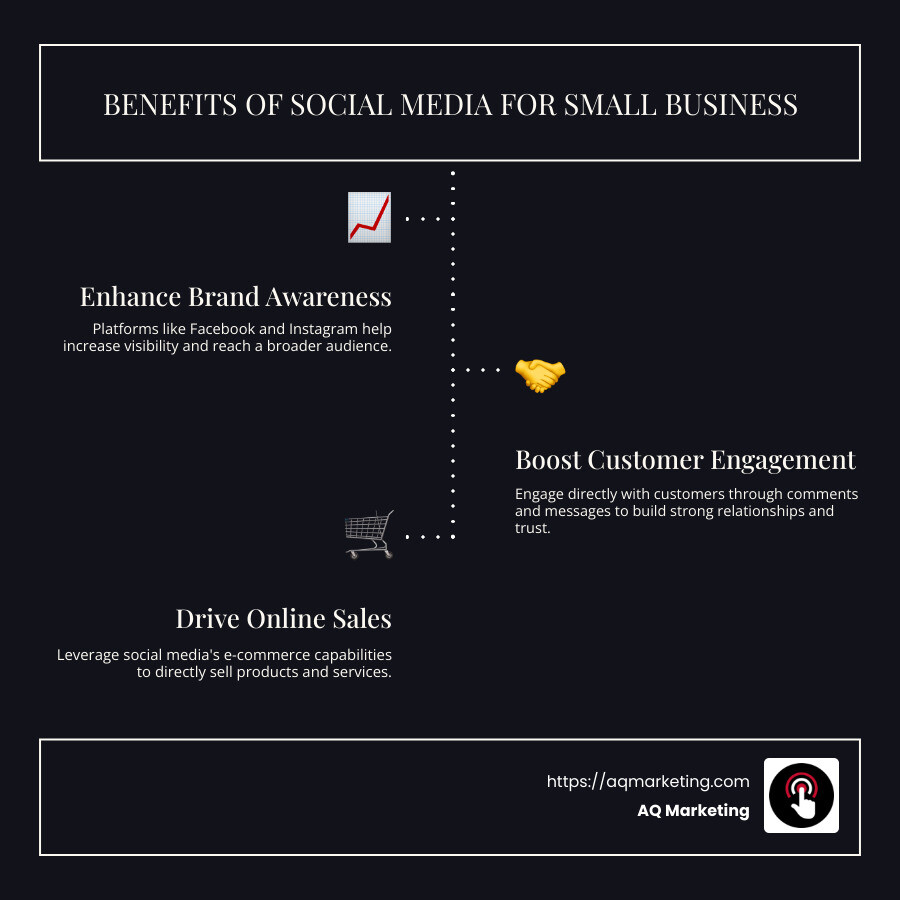
- Improve Brand Awareness: Social media platforms like Facebook and Instagram allow small businesses to increase visibility and reach a wider audience.
- Boost Customer Engagement: Engaging directly with customers through comments and messages helps build strong relationships and trust.
- Drive Online Sales: Social media offers exciting opportunities to directly sell products and services, integrating e-commerce capabilities.
I am Robert P. Dickey, and I have over 20 years of experience helping small businesses steer the digital marketing landscape, including how to effectively incorporate Social Media for Small Business strategies. My work with AQ Marketing has focused on empowering businesses, particularly in home services, insurance, and fitness industries, to thrive online.
Simple Social Media for Small Business word guide:
– benefits of social media marketing
– social media marketing tips
– social media marketing tools
Understanding Social Media for Small Business
Navigating Social Media for Small Business can seem daunting, but it’s a powerful tool that can transform how you connect with your audience and drive success. Let’s break down three fundamental aspects: brand awareness, customer engagement, and online sales.
Brand Awareness
Building brand awareness is crucial for small businesses looking to make a mark. Social media platforms like Facebook and Instagram offer the perfect stage to showcase your brand to a vast audience. With billions of users scrolling through their feeds daily, your brand can gain exposure quickly and cost-effectively.
Imagine you’re a local bakery. By sharing mouth-watering images of your freshly baked goods on Instagram, you can attract the attention of potential customers who might not have known about your shop. Consistent posting and strategic use of hashtags can help your business become a familiar name in the community.
Customer Engagement
Engaging with your audience is more than just replying to comments. It’s about building relationships and creating a community around your brand. Social media gives you the chance to interact with your customers in real-time, making them feel valued and heard.
For example, a small gym might use Instagram Stories to conduct quick fitness polls or Q&A sessions. This not only keeps your audience engaged but also provides valuable insights into their preferences and needs. Engaging content like this can lead to higher customer satisfaction and loyalty.
Online Sales
Social media is not just for likes and shares—it’s also a powerful platform for driving sales. Platforms like Facebook and Instagram have integrated e-commerce features that allow businesses to sell directly to consumers.
Consider a small boutique using Facebook Shops to list their products. Customers can browse, select, and purchase items without leaving the platform, making the buying process seamless and convenient. This direct approach to online sales can significantly boost your revenue and expand your customer base.
In summary, Social Media for Small Business is about more than just being present online. It’s about leveraging these platforms to improve brand awareness, foster customer engagement, and drive online sales. As you dive deeper into social media strategies, each interaction is an opportunity to grow your business and connect with your audience in meaningful ways.

Choosing the Right Platforms
When it comes to Social Media for Small Business, selecting the right platforms is essential. Each platform offers unique benefits, and choosing the right ones can significantly impact your business success.
Facebook is a powerhouse for small businesses. With over 2 billion monthly active users, it provides access to a vast audience. The platform is versatile, allowing businesses to create pages, run ad campaigns, and even set up an online shop.
A great example is a local coffee shop using Facebook to announce daily specials and engage with customers through comments. This approach not only boosts customer interaction but also encourages foot traffic to the store.
Instagram is the go-to platform for businesses with visually appealing products. It’s all about the images and videos. If you’re a small fashion boutique, showcasing your latest collection through beautiful Instagram posts can catch the eye of potential buyers.
Instagram’s Stories feature is another tool to engage with your audience. Share behind-the-scenes content or quick updates to keep your followers interested and engaged.
TikTok
TikTok is the new kid on the block but is rapidly gaining traction, especially among younger audiences. It’s ideal for businesses that can create fun, short videos.
Consider a small bakery that creates TikTok videos showing the baking process or creative decorating tips. These engaging and shareable videos can quickly go viral, bringing more customers to your door.
LinkedIn is the professional network that’s perfect for B2B interactions. If your small business offers services to other businesses, LinkedIn is your platform. It’s a place to share industry insights, network with other professionals, and even find potential employees.
A small consulting firm might use LinkedIn to publish articles showcasing their expertise, attracting new clients and building credibility in their field.
Pinterest is a visual search engine rather than a social network, making it ideal for businesses in niches like home decor, fashion, and DIY. It’s especially popular among a predominantly female audience aged 25 to 34.
For a small interior design business, Pinterest can be a goldmine. By creating boards with design ideas and tips, you can inspire users and drive traffic to your website.
Choosing the right social media platforms depends on your business goals and target audience. By understanding the strengths of each platform, you can craft a strategy that maximizes your reach and impact. Up next, we’ll dive into creating a social media plan that aligns with your business objectives.
Creating a Social Media Plan
Crafting a successful social media plan involves setting SMART goals, identifying your target audience, and maintaining a content calendar. Let’s break these down.
SMART Goals
SMART goals are specific, measurable, achievable, relevant, and time-bound. These goals give your social media efforts direction and purpose.
Specific: Define clear objectives. Instead of a vague goal like “increase followers,” aim for “gain 500 new followers on Instagram in 3 months.”
Measurable: Use metrics to track progress. Tools like Hootsuite can help you monitor engagement and growth.
Achievable: Set realistic targets. If you’re a small business new to social media, doubling your followers in a month might be too ambitious.
Relevant: Align goals with your business objectives. If your aim is to boost online sales, focus on driving traffic to your website.
Time-bound: Set deadlines. This creates urgency and a timeline for achieving your goals.
Target Audience
Understanding your target audience is crucial. You need to know who you’re speaking to and what they want. Use social media analytics tools to gather data about your current followers. This can reveal demographics, interests, and behaviors.
Create buyer personas to represent different segments of your audience. For instance, if you own a small bakery, one persona could be “busy moms looking for quick, healthy snacks.” Tailor your content to meet their needs and preferences.
Content Calendar
A content calendar helps you organize and schedule posts in advance. This keeps your social media presence consistent and reduces last-minute stress.
Plan your content around themes or events. For example, a fashion retailer might focus on “summer trends” in June. Use the 80/20 Rule: dedicate 80% of your content to inform or entertain and 20% to promote your brand.
Batch content creation to save time. Spend a few days each month creating and scheduling posts. This ensures you have a steady stream of content without daily pressure.
Tools like Hootsuite can simplify scheduling and provide insights into the best times to post for maximum engagement.
By setting SMART goals, knowing your target audience, and maintaining a content calendar, you can create a social media plan that effectively supports your business objectives. Next, let’s look at how engaging with your audience can build lasting relationships and drive success.
Engaging with Your Audience
Engaging with your audience is key to making a big impact with Social Media for Small Business. It’s not just about posting content; it’s about building relationships, gathering feedback, and fostering a sense of community.
Relationship Building
Think of social media as a conversation, not a billboard. When you engage directly with your audience, you create a bond that can turn followers into loyal customers. Respond to comments and messages promptly. This shows that you value their input and are there to help.
Use tools like Instagram Story Questions and Twitter polls to interact with your audience. Ask them what products they like or what content they want to see. This not only boosts engagement but also provides valuable insights into their preferences.
“Engaging with customers on social media can increase loyalty and create a community around your brand,” says a study from AQ Marketing.
Gathering Feedback
Feedback is a gift. Use social media to ask for opinions on new products or services. This can guide your business decisions and improve customer satisfaction. Monitor mentions and comments to identify recurring themes or issues.
Addressing negative feedback promptly can turn a dissatisfied customer into a brand advocate. It shows that your business cares about customer experience and is willing to make changes.
Fostering Community
Building a community around your brand can lead to greater loyalty and word-of-mouth marketing. Create a Facebook Group for customers to share experiences, ask questions, and connect with one another. This not only fosters a sense of belonging but also creates a space for organic brand advocacy.
Use hashtags to connect with a broader audience. For example, a local coffee shop might use #CoffeeLovers to engage with coffee enthusiasts worldwide.
According to Sprout Social, engaging with your audience directly through comments, likes, and shares can significantly boost your brand’s visibility and credibility.
By focusing on relationship building, gathering feedback, and fostering a community, small businesses can leverage social media to create lasting connections with their audience. This engagement not only improves customer loyalty but also drives business success.
Now, let’s explore how leveraging the right tools can make your social media efforts more efficient and effective.
Leveraging Tools for Efficiency
Running social media for a small business can feel like juggling flaming torches. Luckily, the right tools can make this task much easier and more efficient. Let’s dive into some of these tools and how they can help.
Hootsuite: Your Social Media Sidekick
Hootsuite is a powerhouse for managing social media. It’s like having a boostd assistant that helps you create, publish, and analyze content—all in one place. With Hootsuite, you can plan and schedule posts in advance, so you’re not scrambling to post every day.
- Batch Content Creation: Spend a few days creating content for the next week or two. This strategy, known as batching, saves time and keeps your social media consistent.
- Content Calendar: Use Hootsuite’s calendar to map out your posts. This helps you stay organized and ensures you’re not posting too much or too little.
“I batch content,” says Safari, “So I dedicate two or three days to shooting everything, and will use that [content] for the next week or two.”
Analytics: Understanding Your Impact
Analyzing your social media performance is crucial. It tells you what’s working and what’s not, allowing you to adjust your strategy. Hootsuite and other tools offer analytics features that provide insights into your posts’ performance.
- Track Engagement: See which posts get the most likes, comments, and shares. This helps you understand what content resonates with your audience.
- Identify Trends: Use analytics to spot trends in your industry or among your followers. This can inform your future content and marketing strategies.
“Sometimes something that takes five or ten minutes to make will do much better than something we’ve done a full photoshoot for,” notes Safari, highlighting the importance of tracking what works.
Scheduling: Consistency is Key
Consistency is crucial in social media. Scheduling tools ensure your posts go live at the right times, even when you’re busy with other tasks.
- Optimal Timing: Tools like Hootsuite can recommend the best times to post based on when your audience is most active.
- Automated Posting: Set up your posts to go live automatically, so you can focus on engaging with your audience.
By leveraging tools like Hootsuite for scheduling and analytics, small businesses can manage their social media more effectively. These tools save time, provide valuable insights, and help maintain a consistent online presence.
Next, let’s address some common questions small businesses have about social media.
Frequently Asked Questions about Social Media for Small Business
What social media should a small business have?
Choosing the right social media platforms is crucial for small businesses. Not all platforms are created equal, and each one serves a different purpose. Here’s a quick rundown:
- Facebook: Great for reaching a broad audience. With over 2.9 billion users, it’s perfect for businesses aiming to build community and engage customers through posts, events, and ads.
- Instagram: Ideal for businesses with visually appealing products. With about 2 billion active users, it’s especially popular among younger audiences and is excellent for brand storytelling through images and short videos.
- TikTok: If your target audience is Gen Z, TikTok is a must. With its focus on short, engaging videos, it’s a great platform for creative and viral content.
How to start a social media account for a small business?
Setting up a social media account is simple, but optimizing it is key to success. Here’s how to get started:
- Create Your Account: Sign up on the chosen platform using your business email. Try to use your business name as the username for easy recognition.
- Profile Optimization:
- Profile Picture: Use your logo for brand consistency.
- Bio: Write a clear and concise bio that tells users what your business does. Include keywords related to your industry.
- Contact Information: Make sure your contact details are up to date, including a link to your website.
- Content Planning: Decide what type of content you will share. A mix of product showcases, customer testimonials, and industry insights can be effective.
How much should a small business pay for social media?
Budgeting for social media can vary greatly depending on your goals and resources. Here are some guidelines:
- Organic Content: Creating and posting organic content is generally free. However, consider investing in tools for scheduling and analytics, like Hootsuite, to streamline your efforts.
- Paid Advertising: Most platforms offer affordable advertising options. You can start with as little as $1 to $50 a day, depending on how many people you want to reach. This can be a cost-effective way to increase visibility and drive sales.
- Cost Management: Set a clear budget and track your spending. Use analytics to measure the return on investment (ROI) of your paid campaigns and adjust as necessary.
By choosing the right platforms, optimizing your profiles, and managing your budget wisely, small businesses can effectively leverage social media to make a big impact.
Conclusion
Social Media for Small Business is not just an option—it’s a necessity. At AQ Marketing, we understand the unique challenges small to medium-sized businesses face in navigating the social media landscape. Our goal is to help you achieve long-term success with impactful strategies custom to your specific needs.
Long-term results are the cornerstone of our approach. We focus on building your brand’s online presence in a way that fosters genuine connections with your audience. By developing a strong social media strategy, we ensure your business not only reaches but also resonates with your target market. This means more than just gaining followers; it’s about turning those followers into loyal customers.
Our strategies are impactful because they are data-driven and result-oriented. We leverage analytics to understand what works best for your business, allowing us to refine our methods continually. This ensures that every post, every campaign, and every interaction is aligned with your business goals.
Partnering with AQ Marketing means investing in a future where your brand stands out in the crowded digital marketplace. Whether you’re in home services, insurance, or any other industry, we have the expertise to lift your social media presence.
Ready to make a big impact with your social media strategy? Contact us here to learn more about how AQ Marketing can help your business thrive online.
