

How to Use AI in Social Media Marketing: Top 5 Success
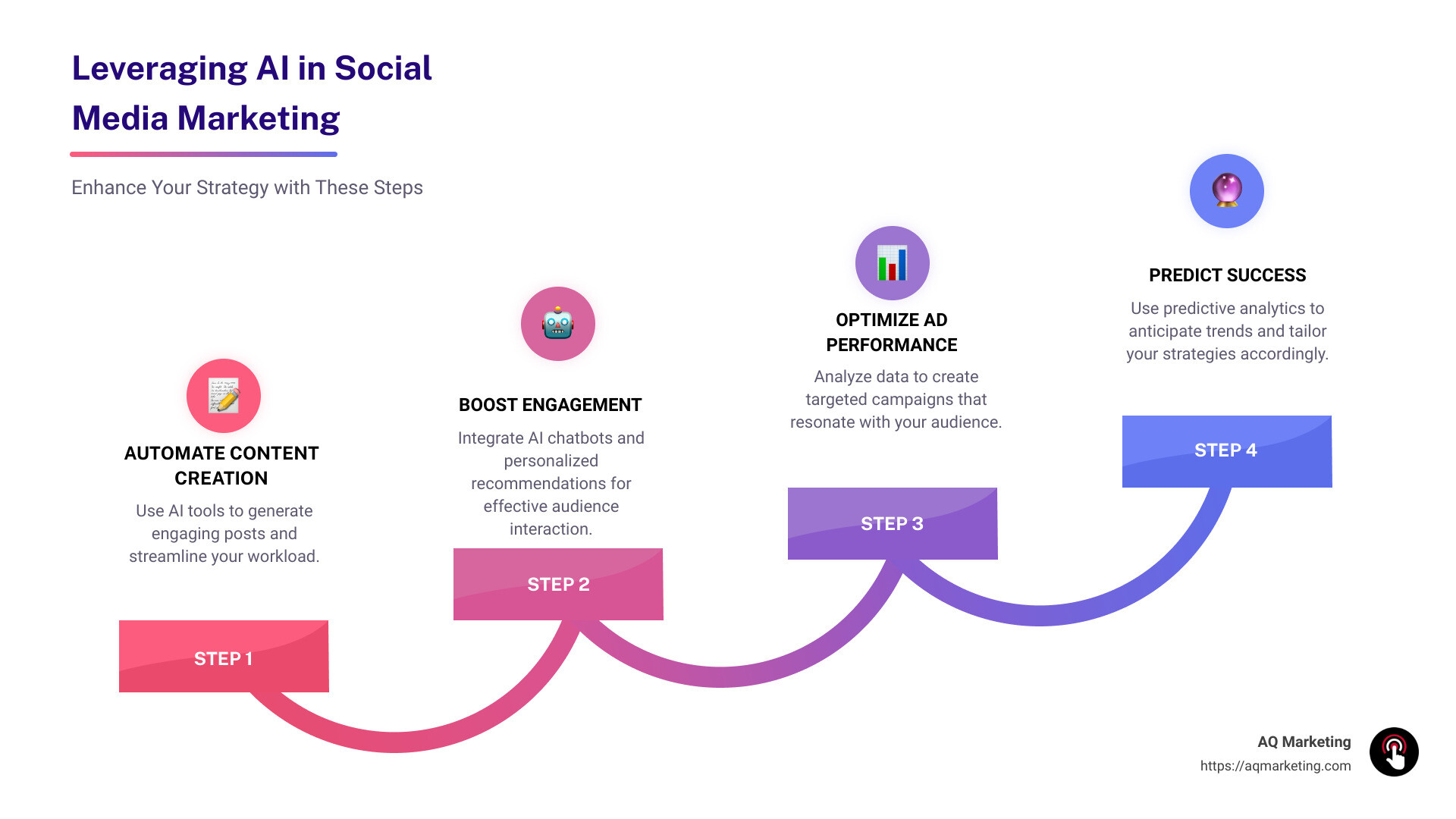
How to use AI in social media marketing has become a pivotal question for many small to medium-sized business owners eager to boost their digital presence. With the rise of AI tools, here are quick ways you can harness them for social media marketing:
- Automate Content Creation: Use AI to generate engaging posts and streamline your workload.
- Boost Engagement: Employ AI chatbots and personalized recommendations to interact more effectively with your audience.
- Optimize Ad Performance: Analyze data to create targeted campaigns that resonate with your audience.
- Streamline Operations: Leverage AI to schedule posts, monitor performance, and generate insightful reports.
- Predict Success: Use predictive analytics to anticipate trends and tailor your strategies accordingly.
AI is reshaping how businesses approach social media marketing, turning it into a formidable ally in the digital change era. By automating repetitive tasks and analyzing vast amounts of data for insights, AI allows brands to improve their social media strategy with precision and creativity.
As Robert P. Dickey, the founder of AQ Marketing, with over 20 years of digital marketing experience, I’ve seen how integrating AI in social media can revolutionize marketing efforts. How to use AI in social media marketing is a key focus as businesses seek to harness AI’s potential to drive success.
How to use ai in social media marketing terms you need:
– how ai helps in digital marketing
– how to use ai in digital marketing
– how to use ai in market research
How to Use AI in Social Media Marketing
AI-Driven Content Creation
In the changing world of social media marketing, AI-driven content creation is a game changer. Generative AI tools, like ChatGPT, can help marketers create engaging content quickly. These tools suggest topics, draft posts, and even generate visuals—saving time and boosting creativity. For instance, using AI, marketers can craft catchy captions or transform blog content into social media snippets effortlessly.
Natural Language Processing (NLP) plays a crucial role in this process. It helps AI understand and generate human-like text, enabling personalized content that resonates with the audience. Imagine having AI analyze engagement patterns and preferences to tailor content that speaks directly to your followers’ interests.
Enhancing User Engagement with AI
User engagement is vital for social media success, and AI offers innovative ways to improve it. Chatbots powered by AI provide real-time interactions, answering queries and guiding users on social platforms. These bots can handle multiple interactions simultaneously, ensuring no customer is left waiting.
AI also enables personalized recommendations, suggesting content or products based on user behavior. This personalization keeps users engaged and encourages them to explore more. Real-time interactions, facilitated by AI, ensure that users feel valued and heard, fostering a sense of community and loyalty.
Automation in Social Media Marketing
AI-driven automation streamlines social media marketing tasks, freeing up time for strategic planning. Scheduling tools powered by AI help marketers post content at optimal times, maximizing reach and engagement. Monitoring tools track brand mentions and sentiment, alerting marketers to potential issues or opportunities.
AI also simplifies reporting by generating detailed analytics on campaign performance. These insights help marketers refine their strategies and demonstrate ROI. By automating routine tasks, AI allows marketers to focus on creating meaningful connections with their audience.
Leveraging Predictive Analytics
Predictive analytics is a powerful tool in AI’s arsenal, enabling marketers to anticipate trends and consumer behavior. By analyzing historical data, AI can forecast which types of content are likely to go viral or which campaigns will perform best.
Trend analysis helps marketers stay ahead of the curve, ensuring their content remains relevant and engaging. AI also enables targeted advertising, analyzing user data to create personalized ad campaigns that resonate with specific audience segments. This precision targeting improves ad performance and maximizes ROI, making every marketing dollar count.
Benefits of AI in Social Media Marketing
Increased Marketing Efficiency
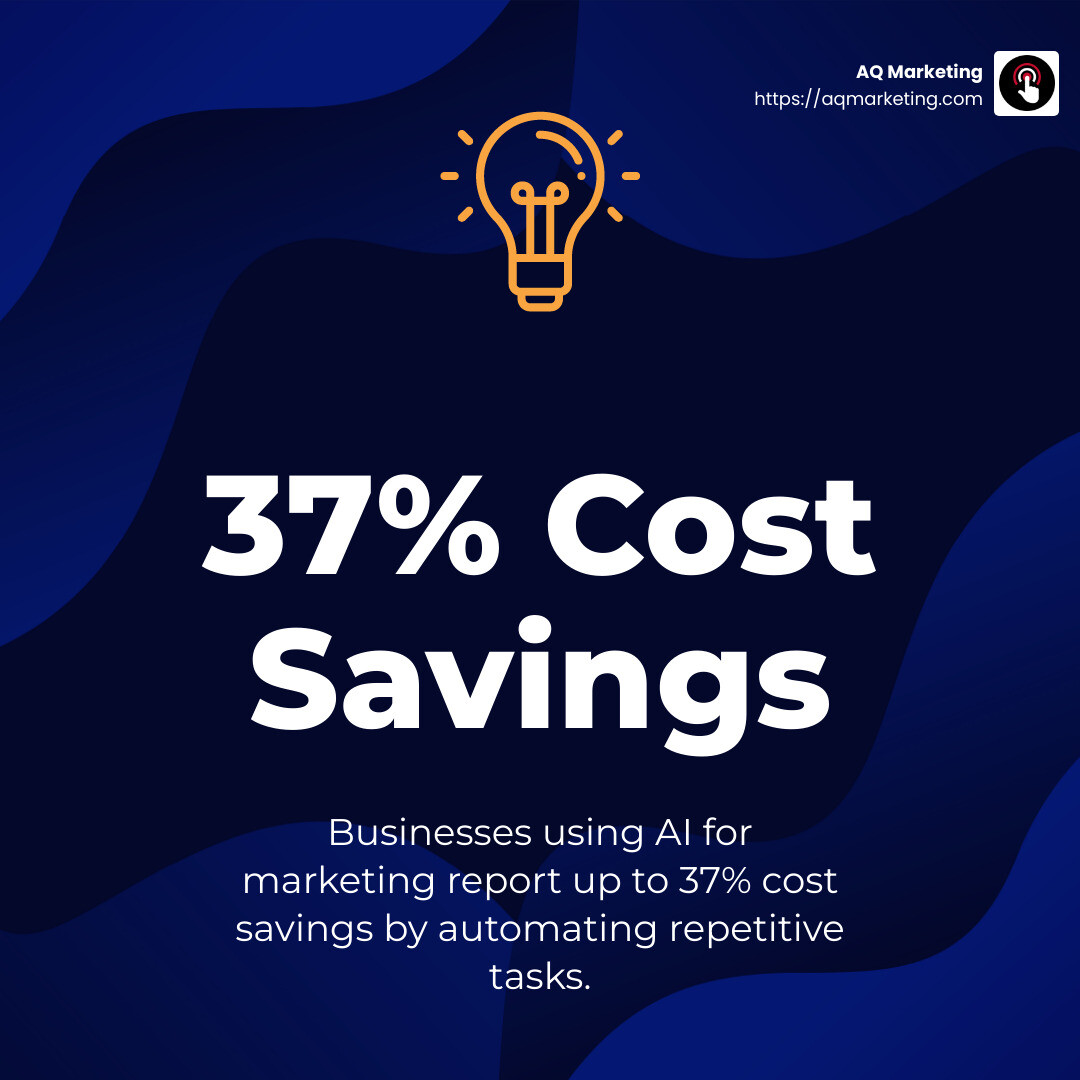
AI significantly boosts marketing efficiency by automating repetitive tasks. Imagine AI handling content scheduling, freeing up marketers to focus on strategy. This automation not only saves time but also reduces costs. Businesses using AI for marketing have reported cost savings of up to 37%.
AI-powered tools also improve time management. By automating content creation and performance analysis, teams can allocate more time to creative and strategic endeavors. This shift allows marketers to concentrate on tasks that require a human touch, such as crafting unique brand stories.
Improved Accuracy and Relevance
With AI, data analysis becomes more precise, offering deeper insights into consumer behavior. AI tools process vast amounts of social media data to uncover patterns and trends that might be missed by human analysts. This capability enables marketers to optimize content, ensuring it is both timely and relevant.
Understanding consumer insights through AI helps in crafting messages that resonate with specific audience segments. By tailoring content to match user preferences, brands can achieve higher engagement rates and build stronger connections with their audience.
Scalability of Marketing Efforts
AI allows for the scalability of marketing efforts by managing large-scale data across multiple platforms. Cross-platform integration ensures consistent messaging and branding, regardless of the social media channel. This capability is crucial for businesses aiming to maintain a cohesive online presence.
Handling large-scale data efficiently means AI can support campaigns that target millions of users simultaneously, without compromising on personalization. This scalability is essential for brands looking to expand their reach and engage with broader audiences.
Improved Personalization
Personalization is key in today’s digital landscape, and AI excels in delivering custom content. By analyzing user data, AI can create customized experiences that align with individual preferences. This approach not only improves user satisfaction but also fosters brand loyalty.
AI’s ability to understand user preferences allows for the creation of content that feels bespoke. Whether it’s personalized recommendations or customized user experiences, AI ensures that every interaction feels meaningful and relevant to the user.
Incorporating AI into social media marketing strategies offers a range of benefits, from increased efficiency to improved personalization. As AI continues to evolve, its role in shaping marketing success will only grow, providing brands with powerful tools to connect with their audience.
Real-World Applications of AI in Social Media
Major Platforms Using AI
AI is revolutionizing how major social media platforms like Facebook, Instagram, LinkedIn, and Twitter operate, enhancing user experiences and marketing capabilities.
- Facebook uses AI to optimize ad targeting and personalize content feeds, ensuring users see posts that are most relevant to them. This personalization boosts engagement and ad performance.
- Instagram leverages AI for image recognition and content recommendations, making it easier for users to find new content that matches their interests. Brands can use these insights to better tailor their campaigns.
- LinkedIn employs AI to suggest connections and content, helping professionals network more effectively. This platform’s AI-driven insights assist marketers in reaching the right audience with the right message.
- Twitter uses AI to monitor trends and analyze sentiment, providing valuable data for brands to understand public perception and adjust their strategies accordingly.
Success Stories from Brands
Brands across industries are using AI to achieve remarkable results in their social media campaigns.
McDonald’s is a prime example. When the “Grimace shake” trend went viral on TikTok, McDonald’s quickly adapted by creating a witty Grimace meme for their campaign. This agile response, powered by AI trend-spotting tools, significantly boosted engagement and demonstrated the brand’s ability to stay relevant.
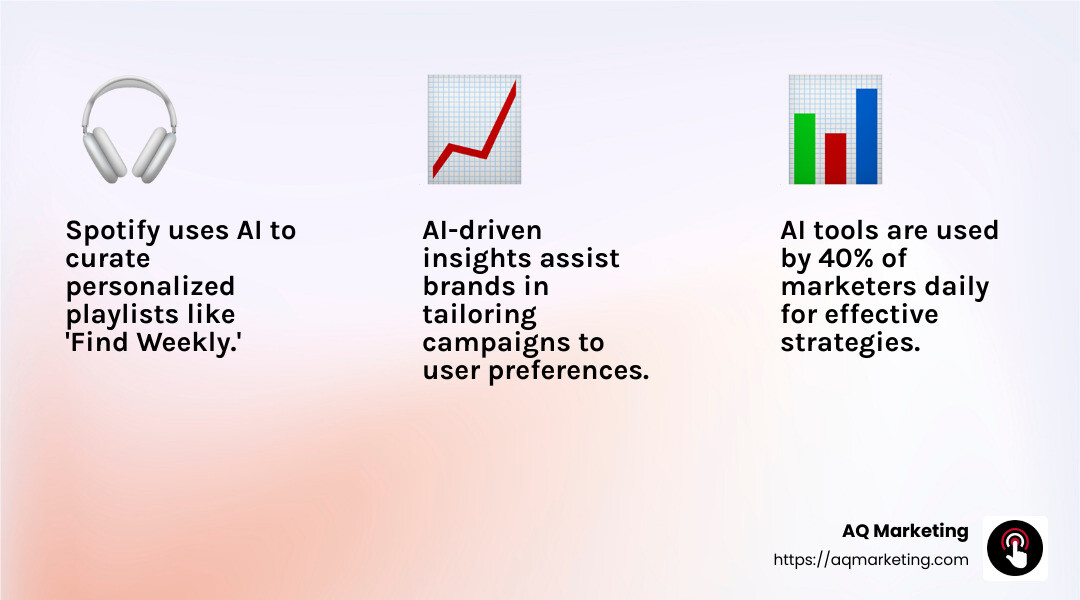
Similarly, Spotify uses AI to curate personalized playlists like “Find Weekly” and “Release Radar.” By analyzing user behavior and preferences, Spotify delivers content that resonates, enhancing user satisfaction and loyalty.
Industry-Wide Adoption of AI
The adoption of AI in social media is not just limited to a few brands; it’s a growing trend across the industry.
- According to a survey, 40% of marketers now use AI tools daily, highlighting the increasing reliance on AI for effective marketing strategies.
- The AI in social media market is projected to reach USD 3481 million by 2032, reflecting its expanding influence and potential for innovation.
AI’s integration into social media marketing is changing the landscape, offering brands powerful tools to improve engagement, improve ROI, and stay ahead of trends. As AI technologies evolve, their role in shaping the future of social media marketing will only grow, providing unprecedented opportunities for brands to connect with their audiences in meaningful ways.
Challenges and Considerations in AI-Powered Social Media Marketing
Navigating Ethical Concerns
Using AI in social media marketing brings up some important ethical questions. Transparency is key. Users should know when they’re interacting with AI, whether it’s a chatbot or seeing AI-generated content. Clear labeling builds trust and helps avoid misunderstandings.
User consent is another critical factor. People should have control over how their data is used. Companies must ensure they get explicit permission before collecting and utilizing user information. Ethical AI use means respecting users’ rights and being clear about data practices.
Ensuring Data Privacy
Data privacy is a major concern with AI-driven social media marketing. Compliance with regulations like GDPR is essential. Companies must follow strict guidelines to protect user data and maintain privacy. This involves implementing robust security measures to prevent data breaches and unauthorized access.
Building trust with users is crucial. By demonstrating a commitment to data protection and privacy, brands can foster a positive relationship with their audience. This trust can lead to increased engagement and loyalty.
Addressing AI Bias
AI systems can sometimes reflect biases present in the data they’re trained on. This can lead to unfair treatment or representation of certain groups. To tackle this, diversity in data is important. Training AI on diverse datasets helps mitigate bias and ensures fair outcomes.
Algorithm auditing is another effective strategy. Regular checks of AI systems can identify and correct biases. This proactive approach helps maintain fairness and accuracy in AI-driven decisions.
Bias mitigation techniques, such as adjusting algorithms to counteract bias, are also essential. By addressing AI bias, brands can ensure their marketing strategies are inclusive and equitable.
Navigating these challenges is crucial for brands to use AI responsibly in social media marketing. By focusing on ethics, privacy, and fairness, companies can harness AI’s power while maintaining trust and transparency with their audience.
Conclusion
Embracing Future Trends in AI and Social Media
As we look ahead, AI and social media are set to become even more intertwined. From predictive analytics that anticipate user behavior to real-time interactions powered by AI, the future promises exciting advancements. According to a recent study, 40% of marketers are already using AI tools daily, highlighting the growing reliance on these technologies.
Innovations such as augmented reality and improved natural language processing will further enrich user experiences. Emerging platforms are pushing boundaries, creating more authentic and user-empowered social media experiences. Brands that stay ahead of these trends will find new opportunities to connect with their audience.
Strategic Advice for Businesses
To leverage AI effectively, businesses should focus on best practices and implementation strategies. Start by identifying areas where AI can add value, such as content creation, engagement, or data analysis. Performance tracking is essential to understand the impact of AI on your marketing efforts. Regularly review metrics and adjust strategies to optimize outcomes.
Transparency and ethics should remain at the forefront. Ensure users are aware of AI interactions and have control over their data. This builds trust and fosters a positive brand image.
How AQ Marketing Can Improve Your Social Media Strategy
At AQ Marketing, we specialize in integrating AI into social media strategies to deliver long-term, impactful results. Our team understands the nuances of AI technology and how it can be custom to meet your business needs. With expertise in AI integration, we offer customized solutions that improve user engagement and improve marketing efficiency.
Whether you’re looking to automate tasks, personalize content, or gain deeper insights into your audience, AQ Marketing is here to help. We focus on delivering results that align with your goals, ensuring your brand thrives in the digital landscape.
Find how our digital marketing services can lift your social media strategy and drive success. Accept the future of AI in social media with confidence and watch your brand reach new heights.
