
How to Use AI in Market Research: 5 Powerful Tips 2024
How to use ai in market research is quickly changing how businesses like yours gather insights, streamline operations, and make informed decisions. Before diving deep, here’s a quick overview to satisfy your immediate curiosity:
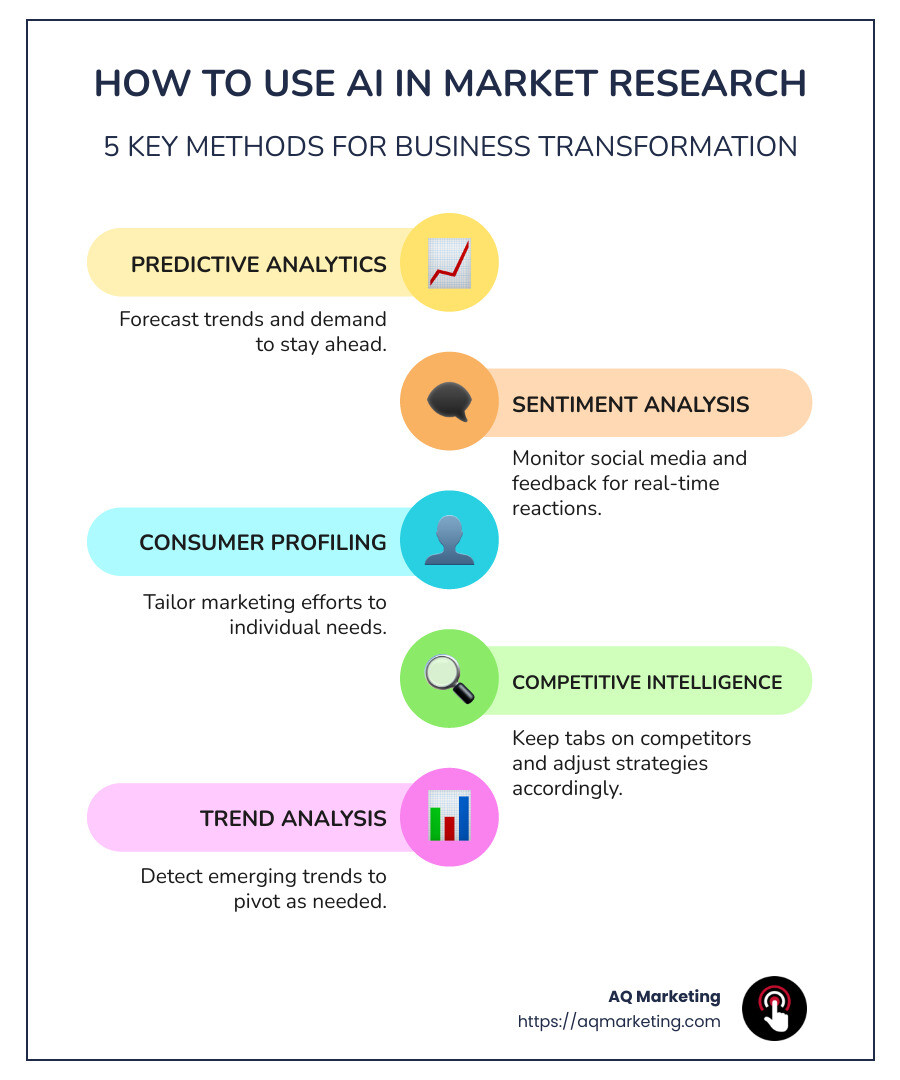
- Predictive Analytics: Forecast trends and demand to stay ahead.
- Sentiment Analysis: Monitor social media and feedback for real-time reactions.
- Consumer Profiling: Tailor marketing efforts to individual needs.
- Competitive Intelligence: Keep tabs on competitors and adjust strategies accordingly.
- Trend Analysis: Detect emerging trends to pivot as needed.
Artificial Intelligence (AI) is not just a tech buzzword; it’s a game-changer in market research. Over the last few years, swift advancements in AI have enabled businesses to process vast amounts of data, generate actionable insights, and innovate with incredible speed. This evolution is especially significant for SMEs aiming to improve their digital marketing strategies and outsmart competitors. As Steve Jobs wisely stated, “Innovation distinguishes between a leader and a follower.” Your ability to leverage AI effectively can position you as a leader in your industry.
I’m Robert P. Dickey, and with over 20 years in digital marketing, I have witnessed how AI reshapes market research. My experience includes leveraging AI tools to refine marketing strategies, focusing on how to use ai in market research to deliver exceptional results for small to medium-sized businesses.
Quick look at how to use ai in market research:
– how ai helps in digital marketing
– how to use ai in email marketing
How to Use AI in Market Research
Artificial Intelligence (AI) is changing how businesses conduct market research. By utilizing AI, companies can gain deeper insights into consumer behavior, stay ahead of trends, and make data-driven decisions with precision.
Predictive Analytics
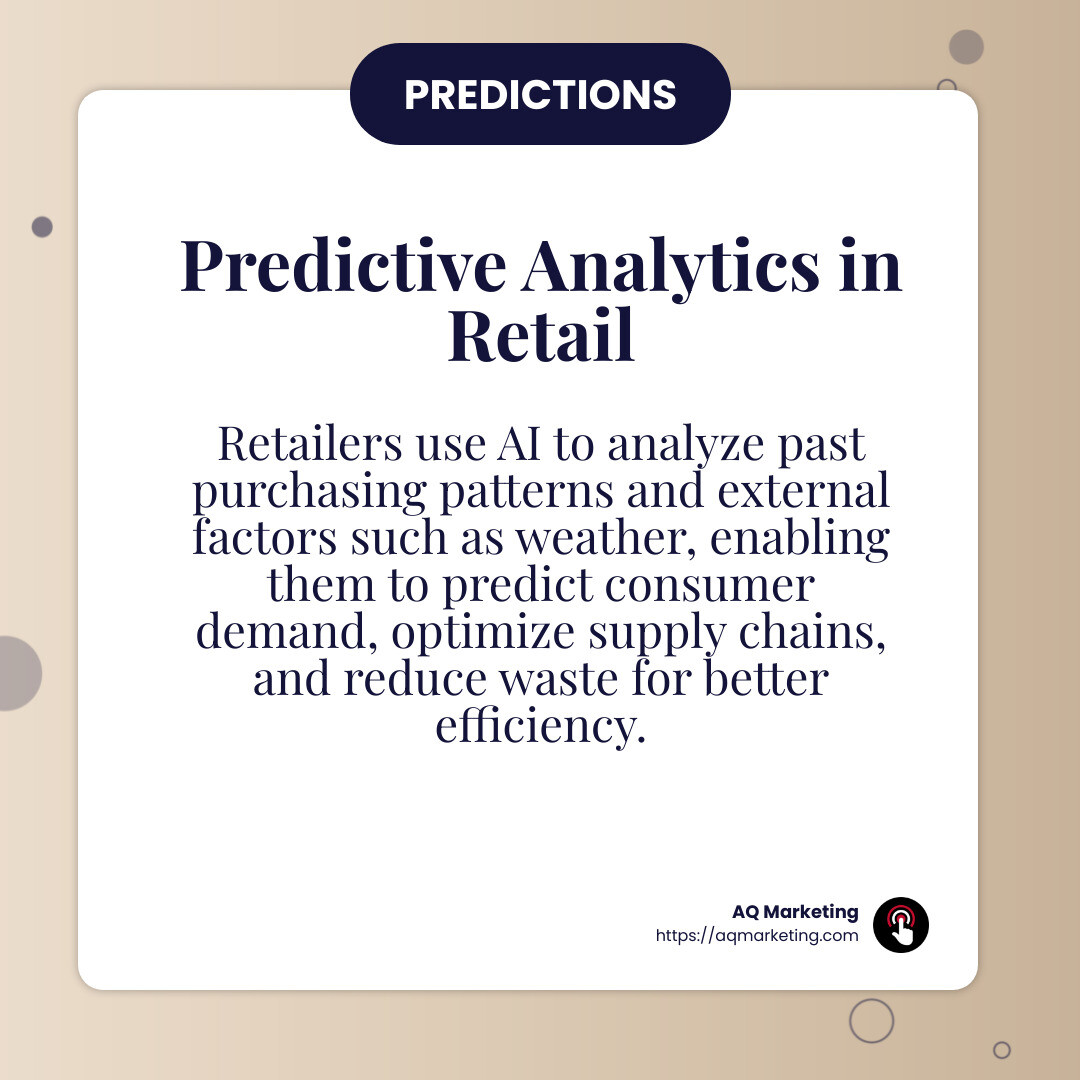
Predictive analytics uses AI to analyze large datasets and forecast future trends. This helps businesses anticipate consumer demand and optimize their supply chains. For instance, a retail company might use predictive analytics to assess past purchasing patterns and external factors like weather, enabling timely restocking and reducing waste.
Sentiment Analysis
Understanding what customers think about your brand is crucial. Sentiment analysis leverages AI to monitor social media and customer feedback in real time. By analyzing online discussions and reviews, businesses can quickly respond to consumer sentiments. For example, an airline might use sentiment analysis to address negative feedback about flight delays, issuing apologies and corrective measures promptly.
Consumer Profiling
AI can create detailed consumer profiles by analyzing data points such as demographics and purchase history. This allows for personalized marketing strategies that resonate with individual customers. A cosmetics brand, for instance, might use AI to segment its audience by age and preferences, leading to targeted marketing and increased sales.
Competitive Intelligence
Competitive intelligence involves using AI tools to monitor competitors’ activities, such as pricing strategies and product launches. By keeping an eye on the competition, businesses can adjust their tactics to maintain a competitive edge. For instance, a tech startup might track rival product releases and modify its pricing strategy accordingly.
Trend Analysis
Lastly, trend analysis with AI helps identify emerging market trends. By analyzing data from various sources, businesses can spot shifts in consumer preferences and adapt their offerings. A fashion retailer, for example, might use trend analysis to notice a rising interest in sustainable fashion, prompting the launch of a new eco-friendly product line.

Incorporating AI into market research not only improves the accuracy and speed of data analysis but also empowers businesses to make informed decisions that drive growth and innovation.
Benefits of AI in Digital Marketing
Enhancing Data Processing
AI can process data at lightning speed. It handles large volumes effortlessly, making it a game-changer for digital marketers. With AI, businesses can swiftly analyze customer data, campaign performance, and market trends. This speed and capacity mean marketers can react quickly to changes and opportunities, keeping them ahead of the competition.
Improving Decision Making
AI provides data-driven insights that improve decision-making. By analyzing patterns and trends, AI helps marketers craft strategic plans based on solid evidence rather than guesswork. This leads to more effective campaigns and better resource allocation. For example, AI can predict which marketing channels will yield the best results, allowing businesses to invest wisely.
Scaling Operations
One of AI’s standout features is automation. It takes over repetitive tasks, freeing up human resources for more creative work. This not only boosts efficiency but also allows businesses to scale their operations without a proportional increase in costs. AI-driven tools can manage everything from social media posts to customer interactions, ensuring consistent and personalized communication.
Incorporating AI into digital marketing strategies improves efficiency, accuracy, and scalability. By processing data quickly, providing actionable insights, and automating tasks, AI empowers businesses to operate at a higher level of effectiveness. As a result, companies can focus on innovation and customer engagement, driving growth and success in a competitive market.
Challenges and Solutions in AI-Driven Market Research
When using AI in market research, there are some challenges to be aware of. Let’s explore data privacy, over-automation, and AI bias, along with practical solutions to tackle these issues.
Addressing Data Privacy
With AI systems collecting vast amounts of data, ensuring data privacy is crucial. Regulations like GDPR demand strict compliance to protect personal information. Organizations must prioritize secure data handling to prevent breaches and maintain customer trust.
One effective approach is to anonymize data, removing personal identifiers before analysis. This reduces the risk of privacy violations while still allowing valuable insights. Additionally, employing encryption and access controls can further safeguard sensitive information.
Managing Over-Automation
While AI offers incredible automation capabilities, over-automation can be risky. Relying solely on AI without human oversight can lead to errors or misinterpretations.
To strike a balance, businesses should integrate human oversight into their AI processes. Experienced researchers can review AI-generated insights to ensure they align with business goals and context. This balanced automation approach combines the strengths of both human intuition and machine efficiency.
Overcoming AI Bias
AI systems can inherit biases from their training data, leading to skewed results. AI bias is a significant concern, as it can affect decision-making and perpetuate unfair practices.
To combat this, organizations should focus on algorithm training with diverse datasets. By incorporating a wide range of data sources, AI models can develop a more comprehensive understanding of different perspectives. Regularly auditing algorithms for bias and adjusting them as needed is also essential to maintain fairness and accuracy.
In summary, addressing these challenges requires a thoughtful approach. By prioritizing data privacy, managing over-automation, and actively working to overcome AI bias, businesses can harness the full potential of AI in market research. This ensures reliable insights, ethical practices, and ultimately, better outcomes for both companies and their customers.
Real-World Applications and Success Stories
Case Study: Retail
In the retail sector, AI is changing how businesses manage inventory and forecast demand. A great example is a well-known retail chain that implemented predictive analytics to optimize its supply chain. By analyzing past purchasing patterns along with external factors like weather conditions, the chain could predict demand spikes for specific products. This allowed for timely restocking and significantly reduced wastage, ultimately leading to increased efficiency and customer satisfaction.
Case Study: Finance
The finance industry is leveraging AI for market trend analysis and risk assessment. A leading financial institution used AI to sift through massive datasets, identifying trends and potential risks in real time. This enabled the firm to make informed investment decisions and mitigate risks effectively. By integrating AI-driven insights into their strategy, they improved their ability to anticipate market shifts and adjust their portfolios accordingly.
Case Study: Healthcare
In healthcare, AI is playing a crucial role in patient data analysis and treatment personalization. One major hospital system used AI to analyze patient records, identifying patterns that could predict potential health issues. This allowed doctors to personalize treatment plans more effectively, improving patient outcomes. Additionally, AI helped streamline administrative processes, freeing up healthcare professionals to focus more on patient care.
These case studies highlight the transformative power of AI across various industries. By embracing AI, businesses can achieve greater precision, efficiency, and innovation in their operations. This marks a significant step forward in the journey towards smarter, data-driven decision-making.
Conclusion
The future of AI in market research is incredibly promising. As AI technologies continue to advance, we can expect even more sophisticated tools for predictive analytics, sentiment analysis, and consumer profiling. These tools will allow businesses to not only understand their customers better but also anticipate their needs and preferences with remarkable accuracy.
AI will also improve competitive intelligence and trend analysis, enabling companies to stay ahead of market shifts and emerging trends. By leveraging real-time data and insights, businesses can make informed strategic decisions that drive growth and innovation.
At AQ Marketing, we see AI as a key component in enhancing digital strategies for our clients. Our mission is to help small to medium-sized businesses harness the power of AI to improve their online presence and achieve long-term, impactful results. Whether it’s through SEO, website design, or social media management, we are committed to integrating AI-driven solutions that align with our clients’ unique goals and challenges.
As we look to the future, the integration of AI in market research and digital marketing will continue to evolve. By staying informed and adaptable, businesses can open up new opportunities and maintain a competitive edge in an ever-changing marketplace. Together with our clients, we are excited to explore these possibilities and shape the future of market research and digital marketing.