

How Digital Marketing Helps Small Business: 5 Powerful Ways
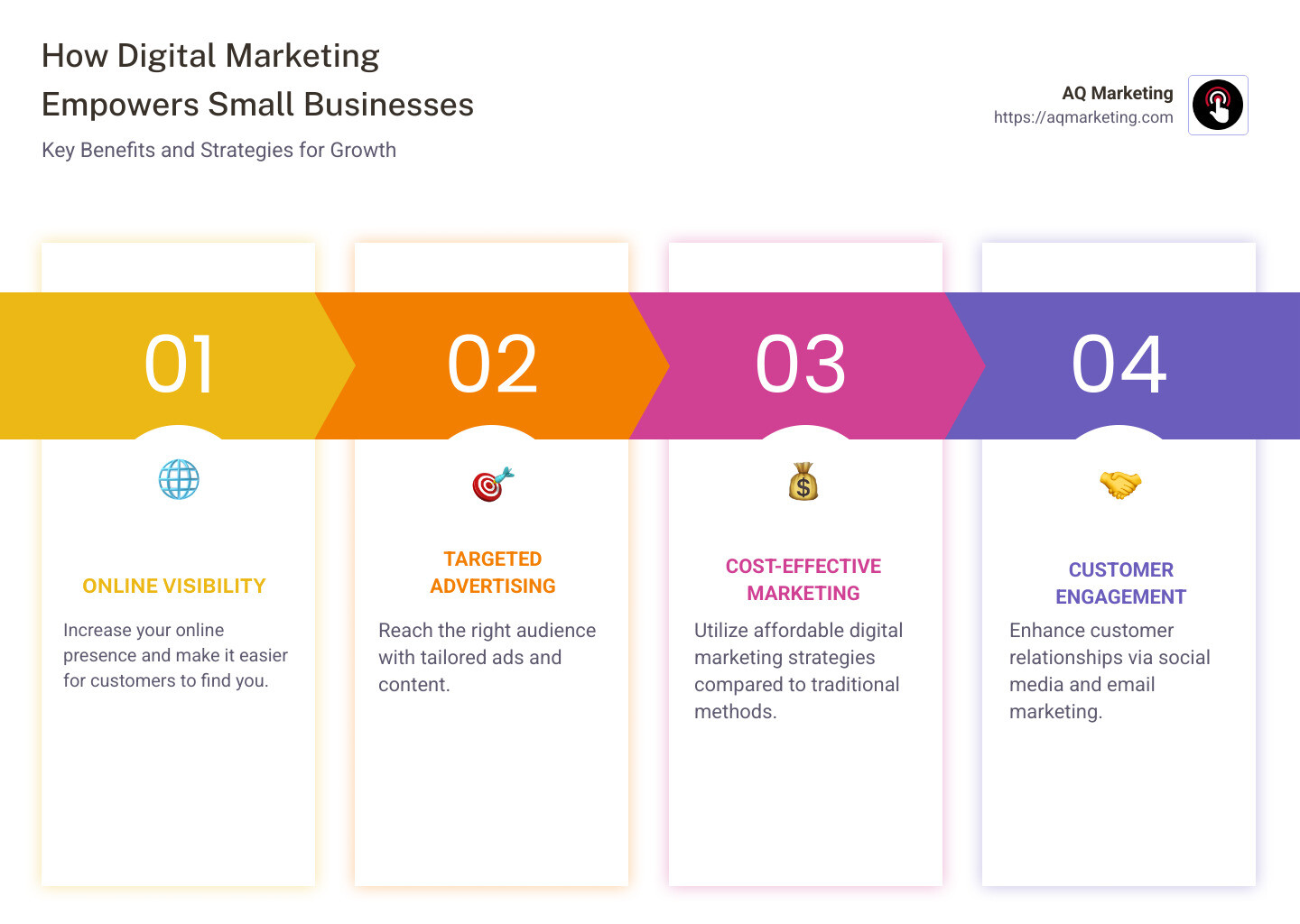
How digital marketing helps small business is clear: it boosts their digital presence and attracts new customers. Here’s a quick look at what digital marketing can do for small businesses:
- Increase online visibility, making it easier for customers to find you
- Facilitate targeted advertising so you can reach the right audience
- Provide a cost-effective way to market compared to traditional methods
- Improve customer engagement through social media and emails
- Deliver measurable results with tools for tracking and optimizing marketing efforts
When time online grows every day, the importance of a strong digital presence becomes undeniable. Today’s consumers turn to the internet for recommendations, purchases, and finding new businesses. Thus, digital marketing is not just a tool—it’s a lifeline for small businesses aiming to thrive in competitive markets.
My name is Robert P. Dickey, and with over 20 years in the marketing field and the experience of founding AQ Marketing, I’ve seen how digital marketing helps small business not just survive but flourish. From traditional print to the changing digital landscape, my focus has always been on empowering businesses with strategies that work.
How digital marketing helps small business vocab explained:
– Digital Marketing Services for Small Business
– business online marketing
– online marketing companies for small business
The Role of Digital Marketing in Small Business Growth
Digital marketing plays a crucial role in the growth of small businesses by enhancing brand visibility, driving targeted traffic, and boosting customer engagement.
Boosting Brand Visibility
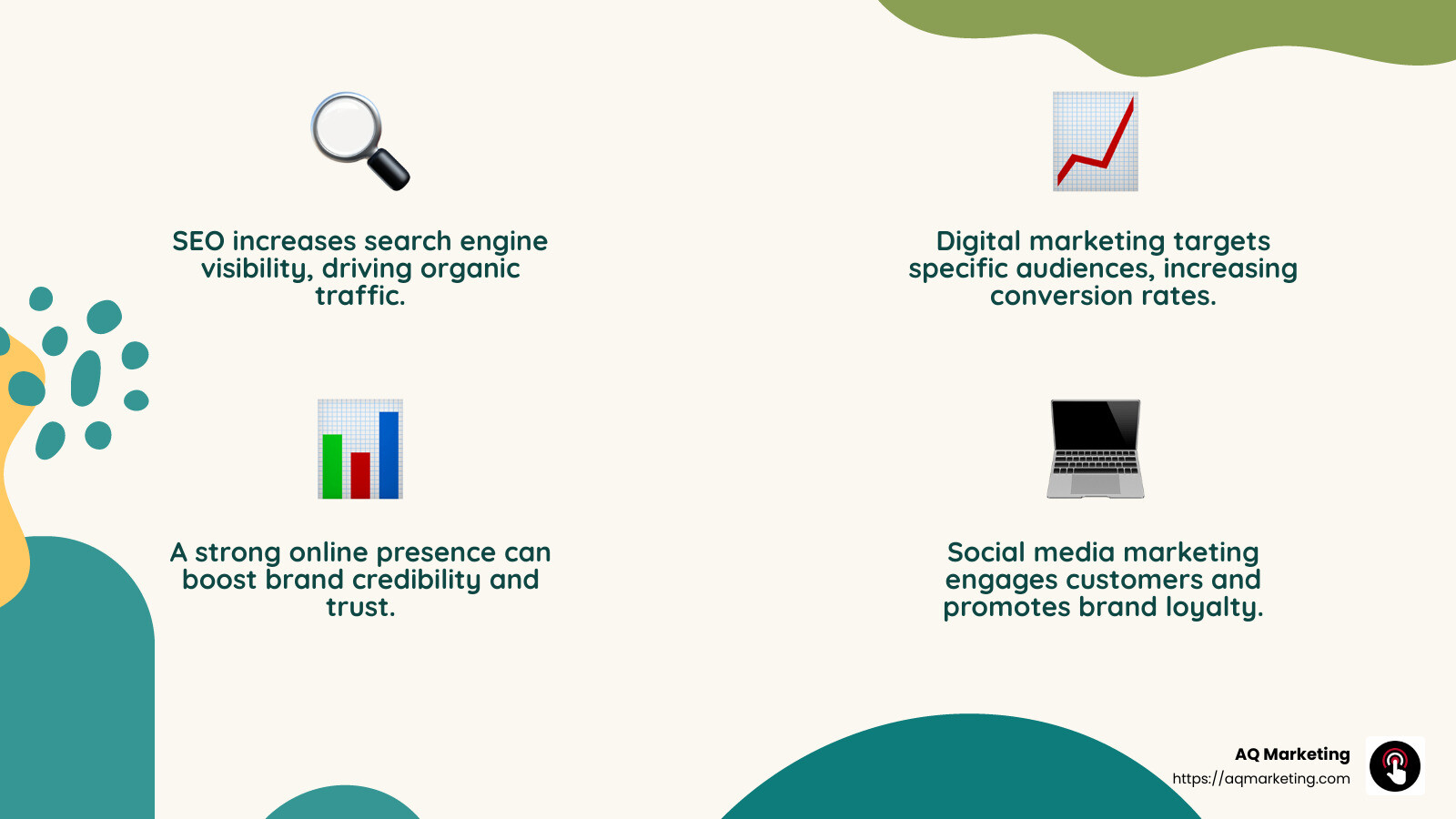
Getting noticed is half the battle. Digital marketing helps small businesses increase their online presence. Through search engine optimization (SEO), businesses can improve their rankings on search engines like Google, making it easier for potential customers to find them. A well-executed SEO strategy can lead to a significant increase in organic traffic to a business’s website.
Consider the case of Madhu Chocolate. Their participation in the Good Impressions program led to features in major publications like Food & Wine, resulting in a noticeable bump in website traffic.
Driving Targeted Traffic
Not all traffic is created equal. Digital marketing allows small businesses to focus on targeted traffic—people who are more likely to be interested in their products or services. Through social media marketing and pay-per-click (PPC) advertising, businesses can reach specific demographics based on age, location, interests, and online behavior.
For example, a small online boutique can use Facebook ads to target users who have previously shown interest in handmade jewelry. This ensures that marketing efforts are directed toward those most likely to convert into customers.
Enhancing Customer Engagement
Engaging with customers is key to building lasting relationships. Digital marketing offers numerous avenues for customer engagement, such as social media platforms and email marketing. These channels allow businesses to interact with their audience, gather feedback, and build a community around their brand.
Social media, in particular, offers a unique opportunity for two-way interaction. Businesses can respond to customer queries, share user-generated content, and even conduct polls to gather insights on customer preferences. This level of engagement fosters brand loyalty and can lead to increased customer retention.
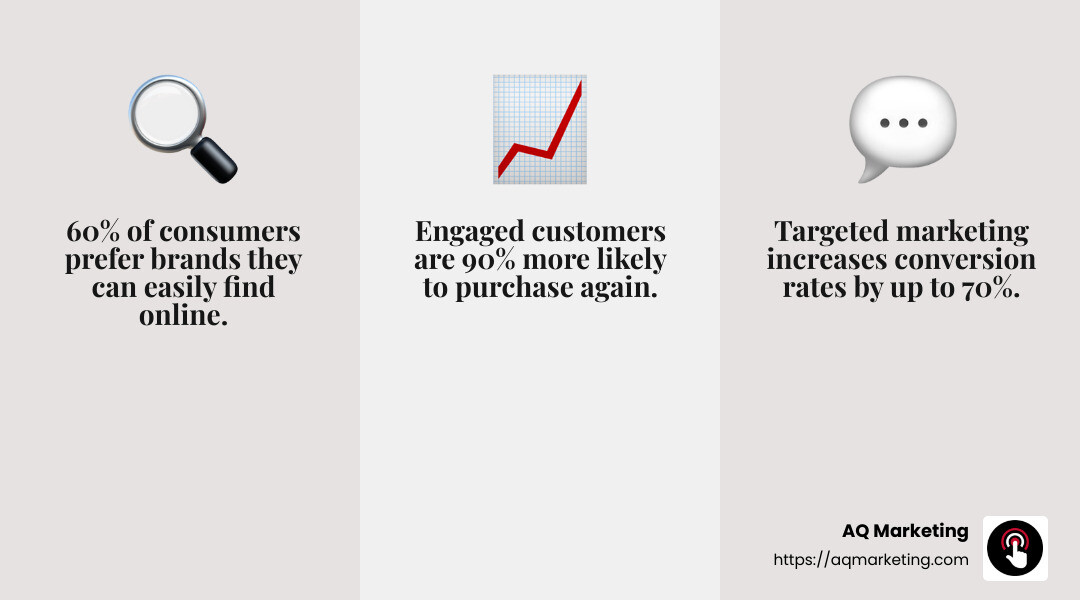
In conclusion, digital marketing is a powerful tool for small businesses looking to grow. By enhancing brand visibility, driving targeted traffic, and boosting customer engagement, businesses can position themselves for success in an increasingly digital world.
Next, we’ll explore the key digital marketing strategies that small businesses can leverage to maximize their growth potential.
How Digital Marketing Helps Small Business
Digital marketing is a game-changer for small businesses. It offers cost-effective strategies that help them reach a broader audience and generate leads efficiently.
Cost-Effective Strategies
One of the biggest advantages of digital marketing is its affordability. Unlike traditional marketing methods, such as TV or print ads, digital channels like social media, email, and blogs are often free or come with minimal costs. This makes them perfect for small business budgets.
For example, Madhu Chocolate benefited from the Good Impressions program, which provided a digital advertising budget. This allowed them to run Facebook and Instagram ads, leading to a “huge boost in holiday sales” without breaking the bank.
Reaching a Broader Audience
Digital marketing helps small businesses expand their reach far beyond their local area. With tools like SEO and social media marketing, businesses can connect with potential customers across the globe.
A strong online presence increases the likelihood that potential customers will find your business. Research shows that 76% of consumers search for a company’s website before visiting its physical location. This means a well-optimized website can attract visitors who might not have finded the business otherwise.
Generating Leads
Digital marketing is also effective in generating leads. By using data-driven strategies, businesses can target their ideal customer base. This ensures that marketing messages reach the right people at the right time, increasing the chances of conversion.
For instance, a landscaper increased their sales pipeline by using digital marketing tools to target specific customer personas. This targeted approach helps small businesses focus their efforts on those most likely to become paying customers.
In summary, digital marketing empowers small businesses by providing affordable ways to reach more people and turn them into leads. Next, we’ll dive into the key digital marketing strategies that small businesses can leverage to maximize their growth potential.
Key Digital Marketing Strategies for Small Businesses
Digital marketing offers a toolbox full of strategies that small businesses can use to grow and thrive. Here’s a look at some of the most effective methods: SEO, social media marketing, email marketing, and content marketing.
Search Engine Optimization (SEO)
SEO is all about making your business visible online. It involves optimizing your website so that it appears high on search engine results pages. This ensures that when potential customers look for products or services like yours, they find you first.
- Keyword Research: Use relevant keywords throughout your website to attract the right audience. This means understanding what words or phrases your potential customers are searching for.
- Descriptive Web Addresses: Create URLs that clearly describe the content of your pages. This helps search engines understand what your site is about and improves your ranking.
- Content Optimization: Ensure that your content is informative and relevant to your audience. Use keywords naturally and avoid stuffing them into your text.
By focusing on SEO, small businesses can drive organic traffic to their websites, increasing visibility without spending a dime on ads.
Social Media Marketing
Social media platforms like Facebook, Instagram, and LinkedIn are powerful tools for small businesses. They allow you to connect with your audience and build relationships.
- Engagement: Post regularly and interact with your followers. Respond to comments and messages to show that you value your customers.
- Targeted Ads: Use social media advertising to target specific demographics. This ensures your ads reach the people most likely to be interested in your products or services.
- Influencer Collaborations: Partner with influencers who align with your brand. Their endorsement can introduce your business to a wider audience.
Social media marketing helps small businesses increase brand awareness and customer engagement, both crucial for growth.
Email Marketing
Email marketing is a cost-effective way to reach your customers directly. It allows you to send personalized messages that can nurture leads and convert them into sales.
- Build a Subscriber List: Collect email addresses from your customers and website visitors. Offer incentives like discounts or exclusive content to encourage sign-ups.
- Segment Your Audience: Divide your email list into segments based on customer behavior or demographics. This allows you to send more relevant messages to each group.
- Create Compelling Content: Write engaging subject lines and content that captures your audience’s attention. Include clear calls to action to encourage clicks and conversions.
Email marketing helps maintain a direct line of communication with your customers, fostering loyalty and boosting sales.
Content Marketing
Content marketing involves creating valuable content that attracts and engages your audience. This could be blog posts, videos, infographics, or any other type of content that provides value.
- Educational Content: Teach your audience something new. This positions your business as an expert in your field and builds trust.
- Storytelling: Share stories about your brand, products, or customers. This creates an emotional connection with your audience.
- SEO Integration: Optimize your content for search engines to increase its visibility. This will help drive more traffic to your site.
By consistently producing high-quality content, small businesses can establish themselves as leaders in their industry and attract a loyal following.
These strategies, when used effectively, can transform small businesses into mighty competitors. Next, we’ll explore how to measure the success of these digital marketing efforts using tools like Google Analytics.
Measuring Success: Analyzing Digital Marketing ROI
Understanding the return on investment (ROI) of your digital marketing efforts is crucial for small businesses. It helps you see what works, what doesn’t, and where to focus your resources. Here’s how to measure success using powerful tools and strategies:
Google Analytics
Google Analytics is a free tool that provides in-depth insights into your website’s performance. It’s like having a window into your customers’ behavior.
- Traffic Sources: See where your visitors are coming from—social media, search engines, or direct visits. This helps you understand which channels are driving the most traffic.
- User Demographics: Learn about your audience’s age, location, and interests. This data helps tailor your marketing strategies to better meet their needs.
- Behavior Flow: Track how users steer through your site. Identify which pages hold their attention and which ones make them leave.
These insights enable you to make informed decisions about where to allocate your marketing budget.
Conversion Tracking
Conversion tracking is essential to measure the effectiveness of your digital campaigns. It shows how many visitors take desired actions, like signing up for a newsletter or making a purchase.
- Set Up Goals: Define what success looks like for your business. This could be anything from form submissions to completed sales.
- Track Conversions: Use tools like Google Analytics or Facebook Pixel to monitor these actions. This will help you see which campaigns are converting visitors into customers.
- Analyze Conversion Rates: Compare the number of conversions to total website traffic. A high conversion rate indicates that your marketing efforts are resonating with your audience.
By focusing on conversions, small businesses can identify which strategies yield the best results.
Data-Driven Decisions
Making data-driven decisions means using the information gathered from tools like Google Analytics to guide your marketing strategies.
- Identify Trends: Look for patterns in your data. Are certain types of content performing better? Is there a time of day when your audience is most active?
- Adjust Strategies: Use these insights to tweak your campaigns. If a particular ad isn’t working, try changing the copy or targeting a different audience.
- Test and Learn: Continuously test different approaches. Small changes can lead to significant improvements in performance.
Data-driven decisions help small businesses optimize their marketing efforts, ensuring they get the best possible ROI.
By leveraging these tools and strategies, small businesses can effectively measure their digital marketing success. Next, we’ll tackle some frequently asked questions about digital marketing for small businesses.
Frequently Asked Questions about Digital Marketing for Small Businesses
How does digital marketing benefit small businesses?
Digital marketing offers a multitude of benefits for small businesses, making it an essential tool for growth and success.
Customer Engagement: Digital marketing allows businesses to engage directly with their customers through platforms like social media and email. This two-way communication helps build relationships and fosters brand loyalty. For example, a small business can use social media to answer questions, respond to comments, and share updates, keeping customers informed and engaged.
Increased Sales: By reaching a larger audience online, small businesses can boost their sales. According to a report by Clutch, 45% of consumers are likely to visit a business’s physical location after searching for it online, highlighting the importance of a strong digital presence.
What is the impact of digital marketing on small business?
The impact of digital marketing on small businesses is profound, influencing various aspects of their operations and success.
Brand Visibility: Digital marketing improves brand visibility by reaching a wider audience than traditional methods. A good SEO strategy can make it easier for potential customers to find a business online, as seen with Madhu Chocolate, which experienced a significant increase in website traffic after being featured in popular publications.
Lead Generation: Digital marketing is a powerful tool for generating leads. By targeting specific demographics and interests, businesses can attract potential customers who are more likely to convert into paying clients.
How can digital marketing help a business grow?
Digital marketing is a catalyst for growth, enabling small businesses to expand their reach and increase revenue.
Target Audience: By understanding and targeting the right audience, businesses can tailor their marketing efforts to meet the specific needs and preferences of potential customers. This targeted approach leads to more effective campaigns and higher conversion rates.
Revenue Increase: The goal of digital marketing is to increase revenue. By driving more traffic to their websites and converting visitors into customers, small businesses can see a significant boost in sales. The Good Impressions program, for example, helped Madhu Chocolate achieve a substantial increase in holiday sales through targeted digital advertising.
Digital marketing empowers small businesses to compete with larger companies by providing cost-effective strategies to reach a broader audience and generate leads. In the next section, we’ll explore key digital marketing strategies that can help small businesses succeed.
Conclusion
Small businesses have a unique opportunity to thrive and grow through effective digital marketing strategies. At AQ Marketing, we specialize in helping small to medium-sized businesses make the most of these opportunities. Our focus is on delivering long-term results and creating impactful strategies that align with your business goals.
Long-Term Results: We understand that building a strong online presence takes time and persistence. That’s why we focus on strategies that provide lasting benefits, such as SEO, which helps your business appear prominently in search engine results. By consistently improving your online visibility, we ensure that your business remains competitive in the digital marketplace.
Impactful Strategies: Our approach to digital marketing is custom to meet the unique needs of each client. Whether it’s through social media marketing, email campaigns, or content marketing, we develop strategies that effectively reach your target audience and drive engagement. Our goal is to help you connect with customers in meaningful ways that lead to increased brand loyalty and sales.
Partnering with AQ Marketing means gaining access to a team of experts who are committed to your success. With our guidance, your small business can harness the power of digital marketing to achieve significant growth and establish a strong foothold in your industry. Whether you’re in Boston, Woburn, or anywhere in between, we’re here to help you steer the digital landscape and reach new heights.
Learn more about how our services can empower your business by visiting our service page. Let’s work together to transform your small business from small to mighty.
