

Why Affordable Startup Marketing Matters More Than Ever

Affordable startup marketing is the key to launching and growing a new business without draining your limited resources. Here are the most effective low-cost strategies that deliver real results:
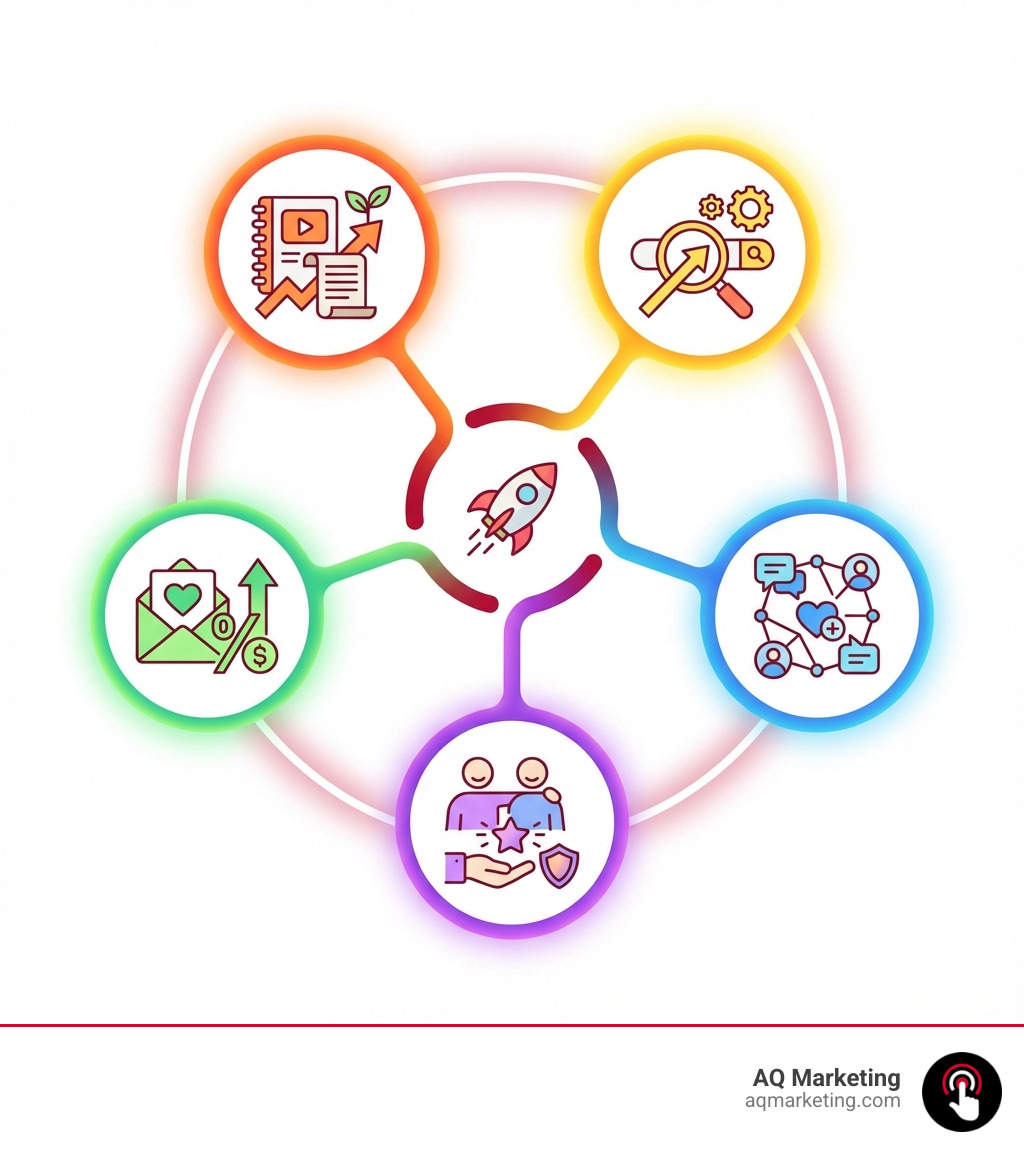
Top 5 Affordable Marketing Channels for Startups:
- Content Marketing – Create valuable blog posts, videos, and guides to attract and educate your audience
- SEO – Optimize your website to appear in search results and drive free organic traffic
- Social Media – Build relationships and brand awareness through consistent, authentic engagement
- Email Marketing – Nurture leads and customers with personalized messages (ROI up to 4,200%)
- Referral Marketing – Turn happy customers into advocates who bring you new business
Every startup faces the same challenge: how do you get customers when you’re working with pennies instead of dollars?
The reality is stark. While established companies can spend thousands on advertising campaigns, most new ventures are bootstrapping their way forward. One founder admitted spending $50,000 on paid ads before finding their best customers came from a free online post. That’s the startup paradox—the pressure to grow quickly meets the reality of limited funds.
But here’s the good news: budget constraints can be your competitive advantage. When you can’t throw money at problems, you’re forced to think strategically. You focus on what truly matters—understanding your audience, creating real value, and building genuine relationships.
The numbers back this up. Over 90% of businesses now use content marketing as part of their strategy. Email marketing delivers an impressive 4,200% ROI. And 92% of consumers trust recommendations from people they know, making word-of-mouth marketing gold for startups. These tactics don’t require massive budgets—they require smart planning and consistent execution.
The digital landscape has leveled the playing field. With 5.52 billion people online and 5.22 billion active on social media, you have unprecedented access to your target audience. Free tools and platforms let you compete with companies ten times your size. A well-crafted Google Business Profile can put you on the map—literally. Strategic content can position you as an industry expert. Authentic social media engagement can build a loyal community around your brand.
The key isn’t spending more—it’s spending smarter.
I’m Robert P. Dickey, President and CEO of AQ Marketing, and over my 20+ years in digital marketing, I’ve helped countless small businesses and startups succeed through strategic, affordable startup marketing approaches. The most successful ventures I’ve worked with weren’t the ones with the biggest budgets—they were the ones who understood their customers deeply and executed consistently.
Quick affordable startup marketing terms:
Building a Strategic Foundation on a Shoestring Budget
Before we dive into the nitty-gritty of individual tactics, let’s lay the groundwork. A solid marketing strategy isn’t just a nice-to-have; it’s the blueprint for your startup’s success. As we’ve seen, startups that take the time to craft a comprehensive marketing plan are far more likely to achieve faster growth and higher revenues. Without this strategic foundation, you risk targeting the wrong audience, setting unrealistic goals, and failing to track performance – common mistakes that can derail even the most promising ventures.
A full-funnel marketing plan, leading potential customers from initial awareness all the way to a purchase, is proven to be the most suitable option for long-term success. It’s about creating a structured approach that guides your business through different growth phases, ensuring every marketing effort contributes to a larger objective. For any small business, having a clear digital strategy is paramount for navigating the modern market.

Defining Your Target Audience
The very first step in building a successful marketing strategy is defining your target audience. Think of it as finding your people – the ones who will genuinely benefit from what you offer. Without a clear understanding of who you’re trying to reach, your marketing efforts will be like shouting into the wind in downtown Boston – loud, but likely ineffective.
To effectively define your audience, we start by understanding their demographics, interests, behaviors, and needs. This involves creating detailed buyer personas – comprehensive profiles of your ideal customers. These personas should go beyond basic demographics to include their challenges, aspirations, and even their digital habits. Ask yourself: What problems does our product or service solve? Who would benefit the most from our solution? By segmenting your audience into distinct groups, you can tailor your messaging and marketing channels for maximum impact and engagement.
Setting Clear, Measurable Marketing Goals
Once you know who you’re talking to, the next step is to determine what you want them to do. This is where setting clear, measurable goals comes in. We strongly advocate for the SMART goals framework: Specific, Measurable, Achievable, Relevant, and Time-bound. This approach provides a clear way to measure progress and breaks down objectives into actionable steps.
For a startup, your goals might prioritize:
- Brand Awareness: For example, “Increase social media followers by 50% in the next six months” or “Achieve 20% growth in website traffic within three months.”
- Lead Generation: A goal could be to “Generate 100 qualified leads per month by running a targeted email marketing campaign with a lead magnet.”
- Customer Retention: Aim to “Boost customer retention by 20% in the next quarter by implementing a loyalty program and personalized email follow-ups.”
These clear objectives allow us to track progress and make data-driven decisions. For more insights on crafting effective growth plans, check out our guide on 5 Things to Include in Your Small Business Growth Strategy.
Crafting a Compelling Brand Story
In a crowded market, your brand story is what sets you apart. It’s not just about what you sell, but why you exist and the values you embody. Brand marketing is all about creating a connection with your audience, and one of the best ways to do that is through stories. Stories have the ability to take us to other worlds, to make us feel emotions, and to give us a new perspective on familiar topics. By using the power of story, you can build a deeper, more authentic connection with your customers.
Your brand story should highlight your Unique Value Proposition (UVP) – what makes you different and better than the rest. This UVP, combined with a consistent brand voice across all your communications, helps build trust and recognition. From your website for start up small business to your social media posts, maintaining this consistent voice ensures that every interaction reinforces your brand’s identity and message.
High-Impact Channels for Affordable Startup Marketing
Now that we’ve built our strategic foundation, let’s explore the digital channels that offer the biggest bang for your buck. The beauty of modern marketing is that it has become incredibly accessible and affordable, especially with the emergence of social media and other digital tools. We focus on these cost-effective marketing strategies because they allow for long-term growth and a strong online presence without the need for a massive budget.
The Role of Content Marketing in Startup Growth
Content marketing is one of the most effective low-budget marketing strategies for startups. It involves creating, publishing, and disseminating valuable content for a targeted online audience. This isn’t just about selling; it’s about attracting and engaging leads by providing genuine value, increasing your customer base and boosting sales. In fact, over 90% of businesses incorporate content marketing into their overall marketing strategies.
Content comes in many forms: blog posts, articles, infographics, newsletters, videos, and social media posts. The key is that it must be unique, interesting, useful, and shareable. Creating content that resonates with your audience and tells relatable stories can build a recognizable brand and drive organic search traffic over the long term. For instance, many successful marketing platforms have established themselves as industry leaders through valuable content like educational blog posts and recurring video series that explain complex topics in simple terms.
Content marketing success often follows a “power law,” meaning a small percentage of your content will drive the majority of your traffic. Early on, your goal is to jumpstart traffic by finding the stories your audience cares about. We believe that focusing on high-quality content is a core component of effective digital marketing.
Utilizing SEO for Affordable Startup Marketing
Search Engine Optimization (SEO) is another incredibly capable and affordable startup marketing strategy. It involves optimizing your website to rank higher in Search Engine Result Pages (SERPs), which significantly increases site visibility and drives free, organic website traffic.
The key benefits of SEO optimization include:
- Increased Organic Visibility: Appearing higher in search results means more people find you naturally.
- Long-Term Traffic Growth: Once you rank, the traffic keeps coming, often for free.
- Improved User Experience: SEO practices often lead to a better, more intuitive website for your visitors.
While it involves a bit of technical know-how, SEO doesn’t require a hefty budget. Essential tactics include robust keyword research (using tools like Google Trends or free trials from reputable SEO platforms), optimizing your website content, and improving technical aspects like site speed, mobile-friendliness, and intuitive navigation. Ensuring your website loads quickly and is mobile-friendly is crucial.
For new businesses, especially those serving local communities like many here in Massachusetts, local SEO is a game-changer. Optimizing your Google Business Profile is critical for appearing in Google Maps and the local “3-Pack” of search results. This makes you easily findable by local customers searching for “bakery near me” or “insurance agent Woburn MA.” We offer comprehensive startup SEO services to help new ventures establish their online presence effectively.
Leveraging Social Media Without a Large Budget
With 5.22 billion people active on social media globally, these platforms offer an unparalleled opportunity for affordable startup marketing. The good news is, you don’t need a massive budget to make an impact. Social media is one of the most cost-effective digital strategies for startups because it allows you to build brand awareness and engage directly with your audience.
The trick is strategic platform selection. Instead of trying to be everywhere, focus on the platforms where your target audience spends most of their time. Share valuable content, engage daily with comments and messages, and use relevant hashtags to increase your reach. Consider running social media contests or giveaways, which can quickly build brand awareness and engage audiences by offering attractive prizes for simple actions like following your page or tagging friends.
Consistency is key. Post regularly, engage authentically, and don’t be afraid to leverage User-Generated Content (UGC). Consumers are 2.4 times more likely to consider UGC content more authentic than branded content produced by a company. Encourage your customers to share their experiences with your product or service – it’s free, authentic advertising!

Driving Growth with Email Marketing
Email marketing is far from outdated; it remains one of the most powerful and cost-effective marketing strategies available. Almost 4.4 billion people use email regularly, and it boasts strong ROI potential. This impressive return comes from the fact that you’re communicating with people who have actively opted in to hear from you – they want to be engaged.
For startups, effective email marketing involves several key practices:
- Building an Organic List: Never buy email lists. Focus on organically curating your list by offering valuable content (like a free guide or discount) in exchange for sign-ups on your website or social media.
- Personalization: Segment your subscribers based on their interests, behavior, or purchasing history. Personalized subject lines and content significantly increase open and click-through rates.
- Automation & Nurture Sequences: Set up automated email sequences (drip campaigns) to welcome new subscribers, onboard new users, or follow up after a purchase. This nurtures leads and builds relationships without constant manual effort.
- Engaging Content: Use engaging visuals, clear calls to action (CTAs), and concise messaging. Test different send times and subject lines to see what resonates best with your audience.
Email marketing allows you to maintain direct communication with your audience, share updates, promote products, and build lasting relationships, all without significant expense.
Creative Growth Hacks and Community Building
Sometimes, the best marketing strategies aren’t about spending money at all; they’re about thinking outside the box. These creative growth hacks and community-building efforts leverage word-of-mouth, strategic alliances, and unconventional tactics to boost online visibility and build brand loyalty.
The Power of Referral Marketing
Nothing sells your brand better than a recommendation from a trusted friend. Referral marketing harnesses this fundamental human tendency. Statistics show that people are four times more likely to buy a product that is referred to them by a friend, and 92% of consumers trust recommendations from their acquaintances. Furthermore, referred customers often have a 37% higher customer retention rate. That’s a powerful combination for any startup.
Implementing a structured referral program can turn your existing customers into your most enthusiastic advocates. Offer incentives – discounts, free products, or exclusive access – to both the referrer and the referred customer. Even without direct incentives, many successful companies have grown significantly through word-of-mouth marketing and personal invitations. It’s about making it easy and rewarding for your happy customers to spread the word.
Engaging in Online Communities and PR
For startups, engaging in online communities and leveraging public relations (PR) can build significant brand awareness and credibility with minimal spending.
- Online Communities: Go where your customers already are. Participate in niche forums, social media groups (like Facebook Groups or Reddit communities), and platforms focused on entrepreneurship and small business growth. The key is to add value first: answer questions, share expertise, and engage in meaningful discussions. This positions you as a helpful authority and organically draws attention to your business. Many successful technology and SaaS brands, for example, have built early momentum by hosting local meetup groups and cultivating engaged online communities.
- Public Relations (PR): While hiring a PR firm can be costly, startups can pursue affordable PR by building relationships with local media and niche publications. Instead of targeting major outlets that are inundated with pitches, look for industry-specific blogs, newsletters, or local news channels that cater to your target market. Craft compelling, newsworthy pitches focusing on your unique story or expertise. Founder outreach to journalists, providing expert insights, can boost your public profile and drive awareness without high advertising costs.
Guerrilla Marketing and Strategic Partnerships
Sometimes, you need to be a little cheeky to get noticed. Guerrilla marketing involves using unconventional and surprising communications to promote your product or service, aiming to create a buzz affordably. The idea is to be creative and memorable, often leveraging local contexts. For example, a local business might create a striking sidewalk chalk campaign near its storefront to spark curiosity and social media shares. When considering local SEO marketing tactics, think about how you can create similar local buzz in a way that fits your brand.
Strategic partnerships are another powerful way to extend your reach without breaking the bank. By collaborating with complementary businesses, you can access new audiences, share resources, and improve your value proposition. This could involve co-marketing campaigns, joint events, bundled services, or shared content initiatives. Forming a profitable partnership means looking for aligned companies whose offerings complement yours, allowing both parties to benefit from increased visibility and credibility.
Measuring, Scaling, and Future-Proofing Your Strategy
Even with the most ingenious affordable startup marketing strategies, if you’re not measuring your efforts, you’re essentially flying blind. Data-driven decisions are crucial for performance tracking, sustainable growth, and adapting to change.
Measuring ROI and Key Marketing Metrics
To truly understand what’s working (and what’s not), you need to track key metrics. For startups on a tight budget, focusing on cost-effective Key Performance Indicators (KPIs) is essential. These include:
- Customer Acquisition Cost (CAC): How much does it cost to get a new customer?
- Lifetime Value (LTV): How much revenue does a customer generate over their entire relationship with your business?
- Conversion Rates: What percentage of website visitors or leads complete a desired action (e.g., make a purchase, sign up for a newsletter)?
- Website Traffic & Engagement: Tools like Google Analytics are invaluable for understanding who visits your site, where they come from, and what they do once they’re there.
- Social Media Engagement: Track likes, shares, comments, and reach to gauge audience interaction.
Before fully committing to a marketing plan, we often recommend setting up pilot campaigns. These are smaller-scale initiatives designed to gather data on what works and what doesn’t without investing significant resources. Regularly analyzing these metrics allows you to optimize your performance and ensure your marketing spend (even if it’s just time) is generating a positive return on investment (ROI).
Scaling and Future-Proofing Your Affordable Startup Marketing
Once you’ve found strategies that work, the next step is to scale your marketing efforts cost-effectively. This doesn’t mean spending more indiscriminately; it means doubling down on high-performing tactics and finding efficiencies.
- Repurposing Content: Take a successful blog post and turn it into an infographic, a video script, social media snippets, or even an email series. This maximizes the value of your existing content without creating new material from scratch.
- Marketing Automation: As your business grows, leverage automation for tasks like email sequences, social media scheduling, and lead nurturing. When exploring paid tools to help with this, keep in mind that pricing you see online is typically based on general industry data and does not represent AQ Marketing’s actual pricing.
- Emerging Trends: Stay aware of new developments to future-proof your strategies. The digital marketing landscape is constantly evolving, with trends like AI-driven personalization, the continued rise of video marketing (54% of people love watching videos from marketers), and immersive content. By diversifying your channels and building an authentic brand, you can maintain agility and adapt to new opportunities.
Frequently Asked Questions about Startup Marketing
How can a startup compete with larger, established companies on a limited budget?
It’s a common concern, but absolutely achievable! For startups, the winning formula often lies in blending both online and offline marketing tactics. We recommend:
- Focusing on a Niche Audience: Larger companies often target broad markets. By hyper-focusing on a specific segment, you can tailor your messaging and offerings more precisely, resonating deeply with a smaller, highly engaged group.
- Leveraging Agility and Authenticity: Startups can move faster, adapt more quickly, and offer a more personal touch. Use your unique brand story and connect with niche audiences through highly personalized content.
- Building a Strong Community: Engage directly with customers on social media and prioritize exceptional customer service. This builds trust and brand loyalty that money can’t buy.
- Optimizing SEO and Content Marketing: These long-term strategies, as discussed, level the playing field by driving organic traffic and establishing your expertise without direct advertising costs.
How long does it take to see results from low-cost marketing efforts?
The timeline for results varies significantly by channel:
- Social Media: You can often see initial engagement and brand awareness build relatively quickly, sometimes within weeks, with consistent posting and interaction.
- Email Marketing: Lead nurturing sequences can start showing conversions within a few weeks to a few months, depending on your sales cycle.
- SEO & Content Marketing: These are marathon, not sprint, strategies. While you might see some early traffic, significant ranking improvements and organic growth typically take 3 to 6 months, and often longer, to build momentum.
- Referral Marketing: Once a program is in place, results can be seen relatively quickly as word-of-mouth spreads.
The key across all these efforts is consistency. Regular effort, combined with ongoing monitoring and adjustments, will yield the best long-term results.
What are the best free tools for a startup’s marketing toolkit?
You’d be surprised how much you can achieve without spending a dime! Here are some of our favorite free tools:
- Google Analytics & Google Search Console: Essential for tracking website traffic, user behavior, and search performance.
- Google Business Profile: Crucial for local businesses to appear in local search results and manage reviews.
- Social Media Platform Analytics: Facebook Insights, Instagram Insights, LinkedIn Analytics – use the built-in tools to understand your audience and content performance.
- Free Email Marketing Tiers: Many email marketing services offer free plans for a limited number of subscribers or emails per month (e.g., MailChimp).
- Free Design Tools: Canva is a fantastic resource for creating professional-looking graphics for social media, presentations, and even simple infographics without needing a designer. Other options include Adobe’s free vector kits or Visme.
- Free Video Editing Software: If you’re creating video content, there are many free video editing software options available that can do the job for entertaining videos.
- Free Keyword Research Tools: While paid tools are powerful, free trials from Ahrefs Keyword Generator or Google Trends can provide initial insights.
- Grammarly: For ensuring your written content is polished and professional.
Conclusion: Smart Marketing is Your Greatest Asset
The journey of a startup is exhilarating, challenging, and often resource-constrained. But as we’ve explored, affordable startup marketing isn’t a limitation – it’s an opportunity for creativity, strategic thinking, and building genuine connections with your audience. From defining your ideal customer to leveraging the power of content, SEO, social media, email, and referrals, there’s a wealth of high-impact, low-cost strategies at your fingertips.
The most successful ventures aren’t always those with the biggest budgets, but those with the clearest vision, the most consistent execution, and the deepest understanding of their customers. At AQ Marketing, we’ve been helping small to medium-sized businesses in Massachusetts and beyond improve their online presence since 2003. Our focus is on delivering long-term, impactful results through custom digital marketing solutions.
Don’t let budget fears hold your vision back. Instead, accept the challenge, think strategically, and execute consistently. If you’re ready to transform your startup’s marketing efforts and achieve sustainable growth, we’re here to help. Get expert help with your small business digital marketing services and let’s build your success story together.
