
Website for Start Up Small Business: Boost 2025
Why Your Startup Needs a Website Right Now
A Website for Start Up Small Business is the foundation of your company’s growth and credibility. Whether you’re launching a home services company in Woburn or an insurance agency in Boston, your website is the first impression for most potential customers.
Here’s what you need to get started:
- Choose your platform – Select from DIY builders, WordPress, or custom development.
- Secure your domain and hosting – Register a professional domain name and reliable hosting.
- Build essential pages – Create a homepage, about page, services page, and contact page.
- Ensure legal compliance – Add a privacy policy, terms of service, and accessibility features.
- Launch your marketing – Optimize for local SEO and set up your Google Business Profile.
Research shows there are 359 million registered businesses worldwide but only 200 million active websites. This gap is a massive opportunity for startups to establish an online presence early.
Your website is a 24/7 sales tool that builds trust and qualifies leads. It can also provide immediate financial benefits through tax deductions on business expenses like hosting, design, and maintenance.
I’m Robert P. Dickey, President and CEO of AQ Marketing in Woburn, MA. For over 20 years, I’ve helped hundreds of small businesses in Boston, Middlesex County, and Southern New Hampshire build effective websites. Let me walk you through what you need to know.
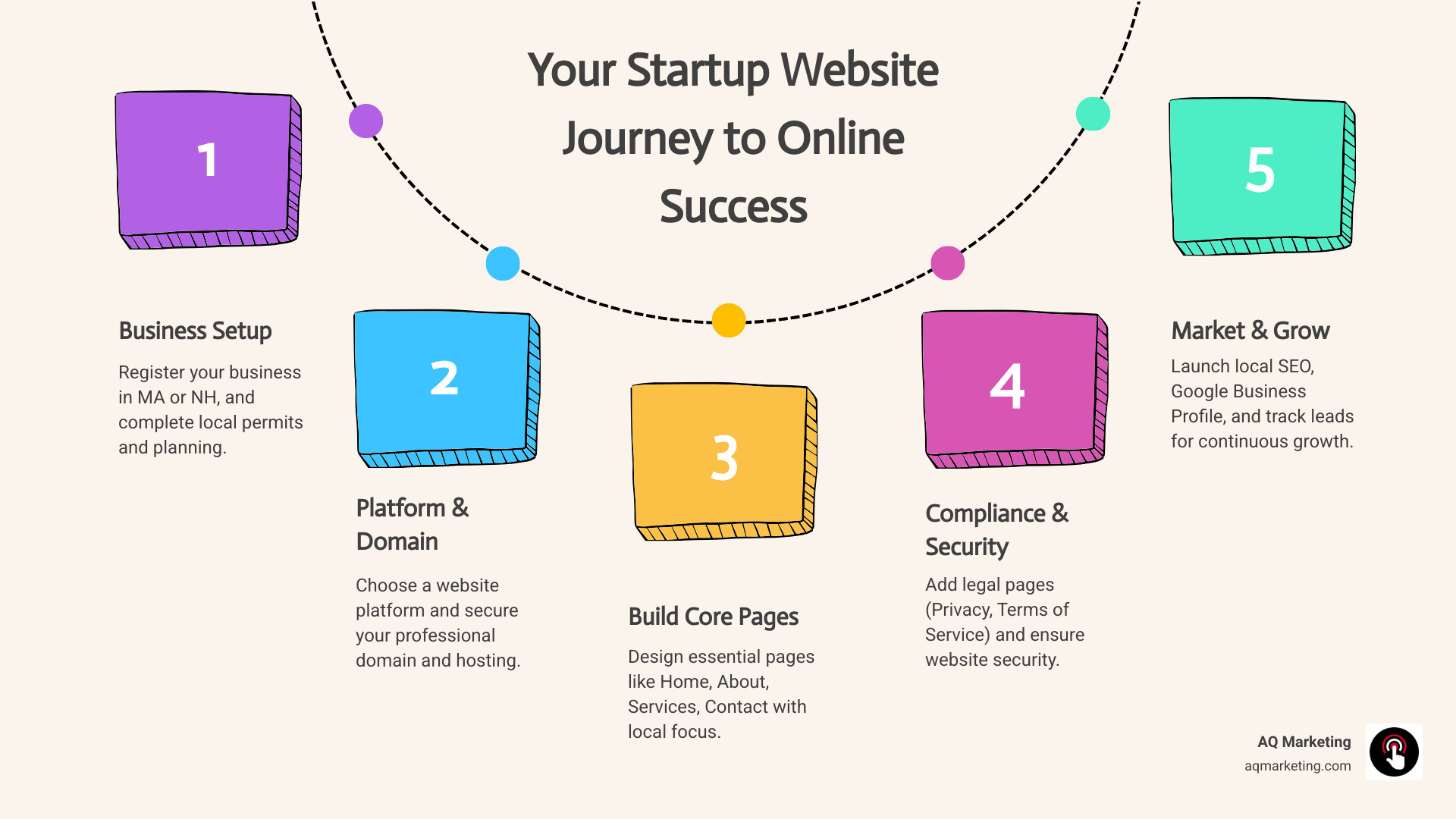
Laying the Foundation: Business Setup Before You Build
Before building your Website for Start Up Small Business, you need to get the business basics squared away. This groundwork protects you legally, saves you money on taxes, and prevents future headaches.
Start with a clear business plan that answers: What problem are you solving? Who is your customer? How will you make money? Next, conduct market research to understand your competitors and customer needs in areas like Boston or the Merrimack Valley. Finally, choose a business name and check that the domain name is available before you commit.
Then there’s the official side: choosing your business structure, registering with the state, and getting the right permits. Resources like Starting a business in Massachusetts and New Hampshire SBDC resources can guide you through state-specific requirements.
Choosing Your Business Structure
This decision affects your taxes, personal liability, and ability to scale. Most startups in Middlesex County choose one of three structures.
- Sole Proprietorships are the simplest to set up but offer no liability protection, putting your personal assets at risk. This may be suitable for very low-risk ventures.
- Limited Liability Companies (LLCs) are the most popular choice for small businesses in Boston and Southern NH. They provide liability protection for your personal assets with simpler tax and management requirements than a corporation.
- Corporations (C-Corps or S-Corps) offer the strongest liability protection and are best for companies planning to seek venture capital. They come with more complex legal and tax requirements.
For most service businesses and small retailers, an LLC offers the best balance of protection and simplicity. Always consult an accountant and a lawyer to make the right choice for your situation.
Registering Your Business in MA or NH
Once you’ve chosen a structure, it’s time to make it official.
- Register with your state: File the necessary forms with the Secretary of the Commonwealth in Massachusetts or the Secretary of State in New Hampshire.
- Get a Federal Tax ID (EIN): You’ll need this number from the IRS to open a business bank account and file taxes. It’s free and takes minutes to get online.
- Obtain local permits and licenses: Check with your city or town clerk’s office in Woburn, Boston, or your local municipality for specific industry and zoning requirements.
- Open a business bank account: This is crucial for maintaining liability protection and simplifying your bookkeeping. Never mix business and personal funds.
With these steps completed, you have a solid foundation to build your Website for Start Up Small Business.
Choosing Your Platform: The Tech Behind Your Startup Website
Now that your business is registered, it’s time to choose a website platform. This decision for your Website for Start Up Small Business depends on your budget, technical comfort, and need for control.
- DIY website builders like Squarespace and Wix are the easiest entry point, offering drag-and-drop interfaces and all-in-one packages for a low monthly fee. They’re great for getting online quickly.
- WordPress powers over 40% of the web, offering a balance of user-friendliness and powerful customization through themes and plugins. It’s a scalable solution that can grow with your business, making it a top choice for local businesses in Middlesex County.
- Custom development provides complete control over design and functionality but is the most expensive option. It’s best for startups with unique technical needs or significant funding.
For most startups, the choice is between a well-executed DIY site on a tight budget or a professional WordPress build for long-term performance.
DIY vs. Professional Design for your Website for a Start Up Small Business
Should you build it yourself? The answer depends on your resources and goals.
- Time vs. Money: DIY saves money but costs significant time. Professional design saves time and provides expertise, a crucial trade-off for a busy entrepreneur.
- Design Quality: A professional designer creates a compelling user experience that builds credibility and guides visitors to act, which is hard to achieve with a generic template.
- SEO Capabilities: Professionally built sites are structured for SEO from the ground up, giving you a significant advantage in local search results over the basic tools offered by DIY platforms.
- Long-Term ROI: A professional site that converts visitors more effectively can quickly pay for itself and saves you from having to rebuild as your business grows.
If you’re weighing your options, our Web Design and Development Services page offers more insight, and we’re transparent about Custom Website Design Pricing.
Essential Website Costs for a Startup
Budgeting for your website is crucial. Here are the typical costs:
- Domain Name: Your web address ($10-$20/year).
- Web Hosting: Renting server space for your site ($5-$50/month for starters). Our Website Hosting Services for Small Business can help.
- SSL Certificate: Secures your site (often free with hosting, otherwise $50-$200/year).
- Platform Fees: Monthly subscriptions for DIY builders ($20-$300+/month).
- Design and Development: Your time (DIY), a premium theme ($50-$150), or professional services (starting from $1,000+).
- Maintenance: Ongoing updates, security, and backups ($50-$500+/month for professional help, or your own time).
Your website is an investment, not an expense. The right site becomes your most effective salesperson, attracting customers and building credibility 24/7.
Building Your Website for a Start Up Small Business: Key Pages & Features
With the foundation in place, it’s time to build your Website for Start Up Small Business. A great website is about creating an intuitive and welcoming experience for visitors from Woburn to Boston.
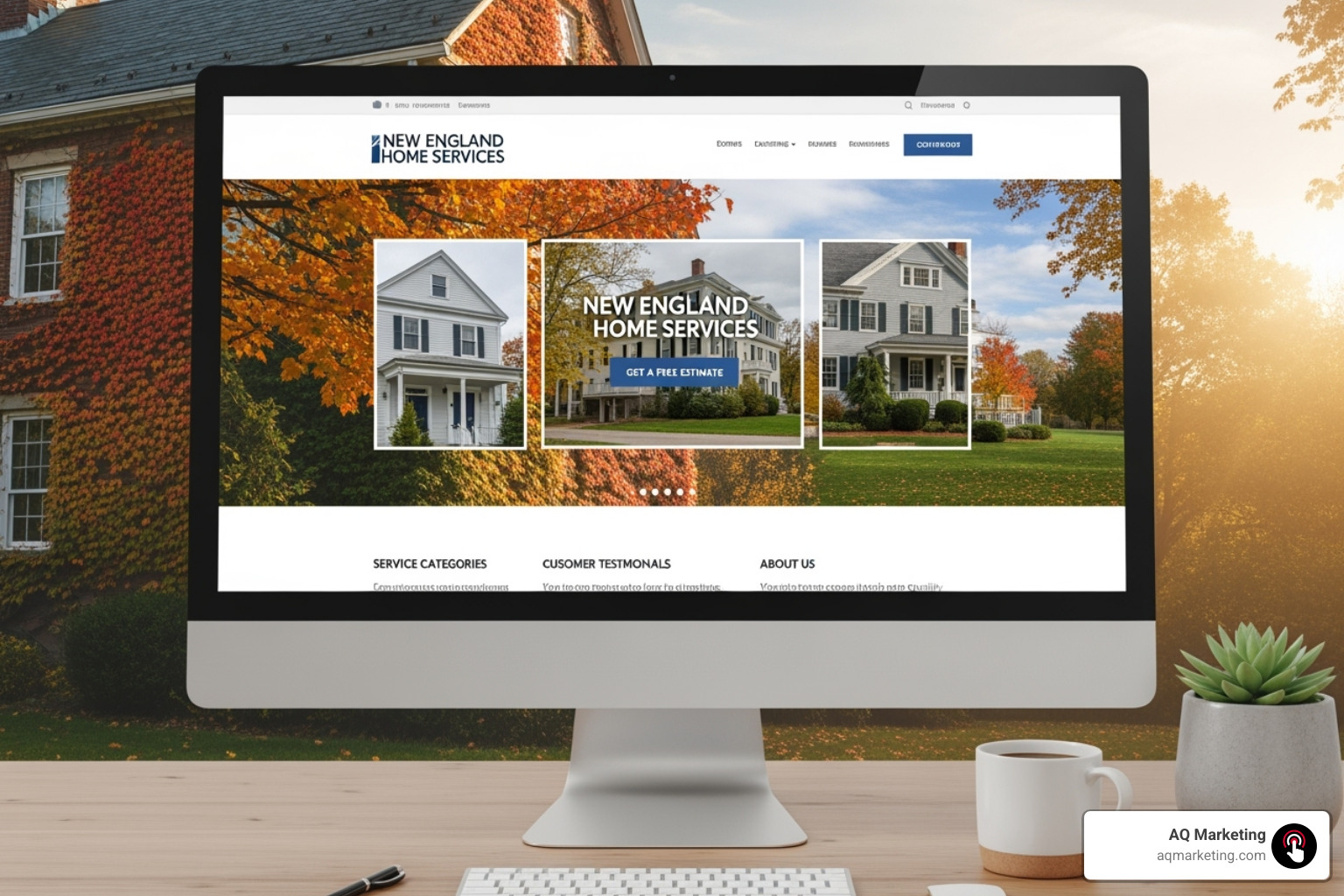
We focus on user experience (UX), ensuring your site is easy to steer. Mobile-first design is essential, as over half of all web traffic is from mobile devices. Clear navigation and effective call-to-action (CTA) buttons are critical for guiding visitors to become customers. Our approach to Small Business Web Design prioritizes these elements to build credibility and convert visitors into leads.
Must-Have Pages for Your Website
Every startup website needs these core pages:
- Homepage: Your digital front door. It must quickly explain who you are, what you do, and include clear CTAs.
- About Us Page: Tell your story and build a local connection. People in the Merrimack Valley love supporting businesses with genuine local roots.
- Services or Products Page: Clearly detail your offerings with compelling descriptions and high-quality images.
- Contact Us Page: Make it easy for people to reach you with a phone number, email, contact form, and an embedded map for local businesses.
- Blog: A powerful tool to demonstrate expertise, answer customer questions, and improve search engine rankings.
- Testimonials/Reviews Page: Showcase positive feedback from satisfied customers to build trust. You can see examples on some of the Best Local Business Websites we’ve featured.
Features That Build Trust and Generate Leads
Beyond the basic pages, these features can transform your website into a lead-generation machine:
- High-Quality Photos and Videos: Authentic images of your team and work build trust far more effectively than stock photos.
- Customer Reviews and Testimonials: Integrate positive feedback throughout your site, not just on one page, to provide powerful social proof.
- Lead Capture Forms: Use simple, easy-to-find forms to offer quotes, consultations, or newsletter signups. Making it frictionless is key to creating a Create a Lead-Gen Website for Service Businesses.
- Live Chat Functionality: Offer instant answers to visitor questions to improve customer experience and conversion rates.
- Case Studies or a Portfolio: Show, don’t just tell. Detail past projects to demonstrate your capabilities and results.
- Professional Branding: Consistent use of your logo, colors, and brand voice makes your business memorable and professional.
From Launch to Leads: Marketing Your New Website
Your Website for Start Up Small Business is live—but building it is only half the battle. Now you need to drive traffic and convert visitors into customers. Think of it as opening a new store in Woburn; you have to let people know you’re there.
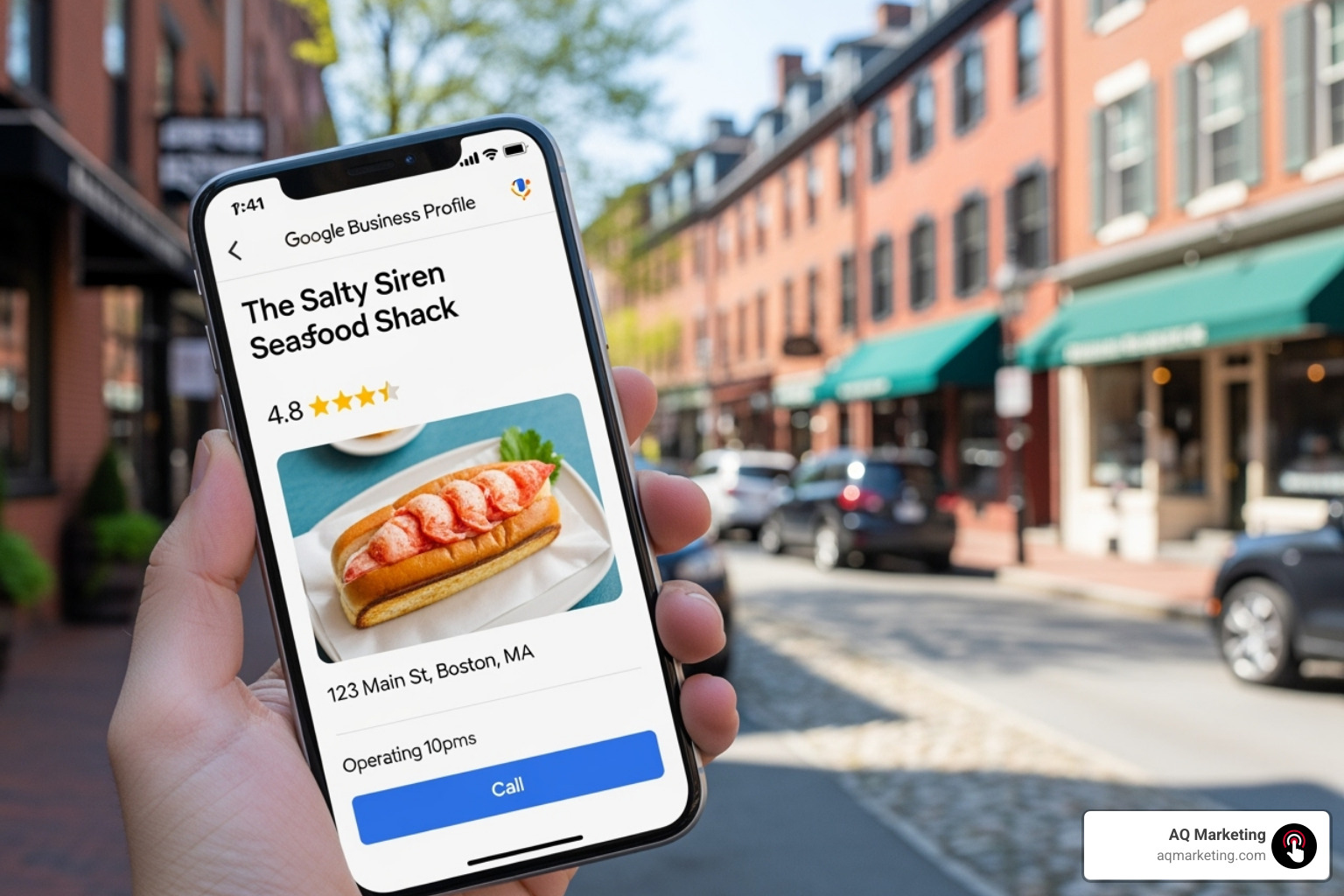
A smart digital marketing strategy is essential for getting found online, whether you’re in Boston or the Merrimack Valley. You don’t need a massive budget, just a consistent approach. Our Digital Marketing Services for Small Businesses are designed to help startups gain visibility and generate leads in competitive local markets.
Marketing Your Website for a Start Up Small Business Post-Launch
Once your site is live, focus on promoting it to the right audience.
- Search Engine Optimization (SEO): Optimize your site to rank higher in search results when customers look for your services. It’s the most cost-effective long-term marketing investment.
- Google Business Profile: This free tool is non-negotiable for local businesses. It makes you appear on Google Maps and in local search results.
- Content Marketing: Regularly publish valuable blog posts and guides to demonstrate your expertise and attract visitors.
- Social Media Marketing: Use platforms like Facebook and LinkedIn to engage with your community and drive traffic back to your website.
- Email Marketing: Build an email list to nurture relationships with potential customers over time. It’s a high-ROI channel for local businesses.
For more guidance, see our resource on Marketing for Local Business Start Ups: Building Your Website.
Leveraging Local SEO and Social Media
For businesses serving areas like Middlesex County or Southern New Hampshire, local marketing is your competitive advantage.
- Target Local Customers: Optimize your site with location-specific keywords like “plumber Woburn MA” to attract relevant search traffic.
- Generate Online Reviews: Encourage satisfied customers to leave reviews on your Google Business Profile. Positive reviews are a powerful trust signal for both customers and search engines.
- Engage with Your Community: Use social media to connect with local customers and businesses. This builds brand loyalty and awareness that translates to growth.
Our Local SEO for Small Business services can help you dominate local search, and our Guide for Small Business Social Media Marketing provides actionable strategies you can use today.
Staying Compliant & Secure: The Legal Side of Your Website
When launching your Website for Start Up Small Business, don’t overlook legal and security fundamentals. These elements protect your business and build customer trust, whether you’re in Boston or the Merrimack Valley.
Think of compliance and security as the digital equivalent of insurance and permits for a physical store. They are essential for protecting your business and can even offer financial benefits.
Essential Legal Pages and Policies
Your website needs several key legal pages to protect both you and your visitors:
- Privacy Policy: Explains how you collect, use, and protect visitor data from contact forms or analytics. This is required by data privacy regulations and shows you respect customer information. See our own Privacy Policy as an example.
- Terms of Service: Sets the rules for using your website and services, covering intellectual property, liability, and more.
- Cookie Consent Banner: If your site uses cookies for analytics or marketing, you must inform users and get their consent.
- Disclaimers: Regulated industries like finance or health in Massachusetts and New Hampshire may require specific disclaimers.
We always recommend consulting a legal professional to tailor these documents for your business.
Website Accessibility and Tax Benefits
Two other key considerations are accessibility and tax advantages.
Website accessibility (following ADA and WCAG guidelines) ensures your site is usable by everyone, including people with disabilities. This expands your customer base in areas like Middlesex County and is increasingly a legal requirement.
Additionally, your website costs are legitimate business expenses. Domain registration, hosting, design, maintenance, and marketing services are typically tax-deductible. This means your Website for Start Up Small Business isn’t just an investment in growth; it actively reduces your taxable income from day one. Always work with a tax professional to ensure you’re maximizing your write-offs correctly.
Frequently Asked Questions about Startup Business Websites
Here are answers to common questions we hear from new entrepreneurs in Boston, Woburn, and across New England.
How much does a website for a startup small business typically cost?
The cost of a Website for Start Up Small Business varies widely. A DIY approach can be under $500 per year, with your main investment being time. A professional template-based site typically costs between $1,000 and $5,000, offering a great balance of polish and value. A fully custom website starts at $5,000+ and provides the highest long-term ROI through superior performance and branding. The right choice aligns your budget with your business goals.
Do I need a website if my business is already on social media?
Yes, absolutely. Social media is rented space where the platform controls the rules and who sees your content. Your website is a digital asset that you own and control completely. A professional website provides credibility, allows for far more detailed information, and is essential for effective Search Engine Optimization (SEO). While social media is great for engagement, your website is where you convert visitors into customers. They work best together, with social media driving traffic to your site.
How can my website help my business get tax benefits?
Nearly all costs associated with creating and maintaining your Website for Start Up Small Business are tax-deductible business expenses. This includes:
- Domain name registration
- Web hosting services
- Design and development fees
- Ongoing maintenance costs
- Software, plugins, and subscriptions
- Digital marketing and SEO services
Deducting these expenses reduces your business’s taxable income, which means you pay less in taxes. Keep meticulous records of all website-related costs and consult with a tax professional to ensure you maximize your deductions.
Conclusion
Building a Website for Start Up Small Business is about creating a powerful foundation for your company’s future. From legally establishing your business in Massachusetts or New Hampshire to launching marketing strategies that attract local customers, a professional website is your central hub for growth.
Your website is your most tireless employee, working 24/7 to build trust and convert visitors into customers. In a world with far more businesses than websites, a strong online presence gives your startup a significant competitive advantage. It’s the space you own and control, tying all your marketing efforts together.
At AQ Marketing, we’ve spent over 20 years helping local businesses in Woburn, Boston, and the Merrimack Valley transform their futures by getting their online presence right. We understand the challenges of launching a new business, and we’re here to handle the technical complexity so you can focus on what you do best.
Your startup deserves a website that matches your vision. Let’s build something that works for your business, reflects your unique story, and connects with customers in your community.
Ready to transform your startup’s online presence?