

Why Home Improvement SEO is Essential in 2026
In the digital landscape of May 2026, home improvement SEO is no longer a luxury; it is the backbone of a successful contracting business. With 94% of homeowners starting their journey with an online search, your website acts as your digital storefront. If that storefront is hidden on page three of Google, you effectively don’t exist to the modern consumer.
Investing in search engine optimization builds brand authority and delivers a long-term ROI that traditional advertising simply cannot match. When you rank organically, you earn a level of trust that “Sponsored” tags can’t buy. Furthermore, since 81% of customers check reviews before calling, your SEO strategy must integrate your reputation to convert browsers into callers. By focusing on 4 Ways Home Improvement Digital Marketing Drives Revenue, you create a sustainable growth model that keeps your crews busy year-round. While niche resources like Kitchen Remodeling SEO highlight the specific needs of remodelers, the core principle remains: visibility equals opportunity.
Mastering Keyword Research for Home Improvement SEO
Keyword research is the compass of your SEO strategy. Without it, you are navigating in the dark. In 2026, we focus heavily on search intent—understanding why someone is searching. We categorize keywords into three main buckets:
- Transactional Phrases: “Kitchen remodeler in Woburn MA” or “emergency roof repair near me.” These users are ready to hire.
- Informational Queries: “How much does a bathroom remodel cost in 2026?” or “best siding materials for New England winters.” These build your authority early in the 6–18 month homeowner decision cycle.
- Seasonal Trends: Targeting “deck staining” in the spring or “heating system tune-up” in the late fall.
Using a strategy tailored for SEO for Service Providers, we target long-tail keywords—specific phrases that have lower competition but much higher conversion rates. For example, “custom walk-in shower installation in Newton MA” is far more valuable than the generic “bathroom ideas.”
Optimizing Your Google Business Profile for Home Improvement SEO
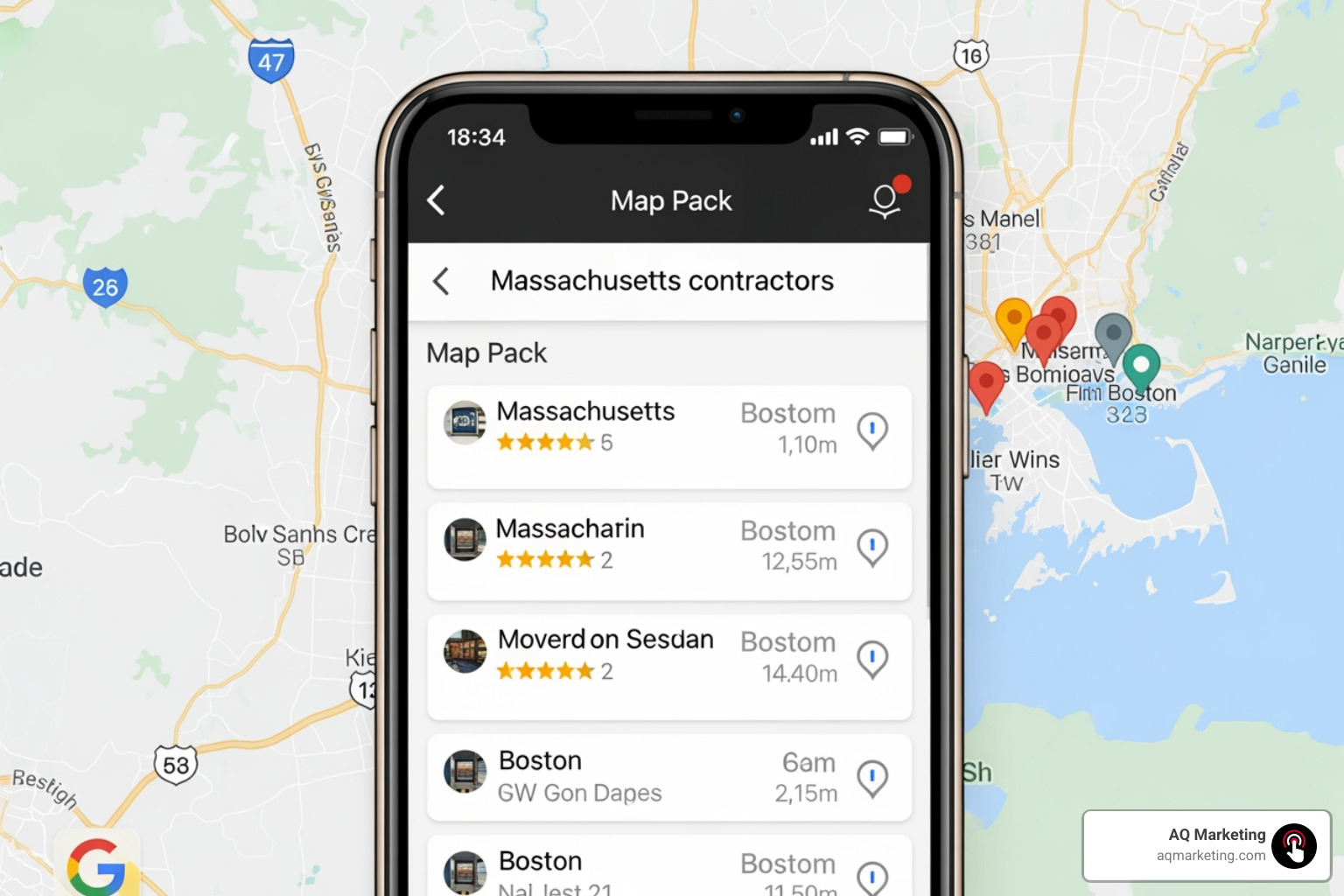
For contractors, the “Map Pack” is the most valuable real estate on the internet. This is the box that appears at the top of search results showing three local businesses with their ratings and locations. To dominate this area, your Google Business Profile (GBP) must be immaculate.
Consistency is key. Your Name, Address, and Phone number (NAP) must be identical across the web—from your website to directories like FRIENDLY HOME IMPROVEMENT – Acushnet, MA US – Houzz. We recommend updating your GBP weekly with high-resolution project photos, responding to every single review (good or bad), and clearly defining your service area settings to ensure you appear in the right towns.
Local SEO vs. General SEO for Remodelers
While general SEO helps you rank for broad terms nationwide, home improvement SEO is almost entirely local. Research shows that 70% of home improvement searches have local intent. A homeowner in Amesbury, MA, isn’t looking for a contractor in California; they want someone who knows the local building codes and can be at their house by 8:00 AM.
To win locally, we build geo-targeted landing pages. Instead of one “Services” page, we create specific pages for “Kitchen Remodeling in Lexington, MA” and “Basement Finishing in Concord, MA.” This hyper-local approach, detailed in our Complete Guide Service Business SEO, signals to Google that you are a community authority. We also focus on citation building—listing your business in local North Shore or MetroWest directories—to reinforce your geographic relevance.
Content Strategies for High-Ticket Lead Generation
High-ticket remodeling projects require a high-trust sales process. Your website content must reflect your expertise, experience, authoritativeness, and trustworthiness (E-E-A-T).
- Service-Specific Pages: Every major service needs its own home. A dedicated page for “Custom Cabinetry” allows you to go deep into detail, which search engines love. Refer to our Home Renovation Websites Guide for layout best practices.
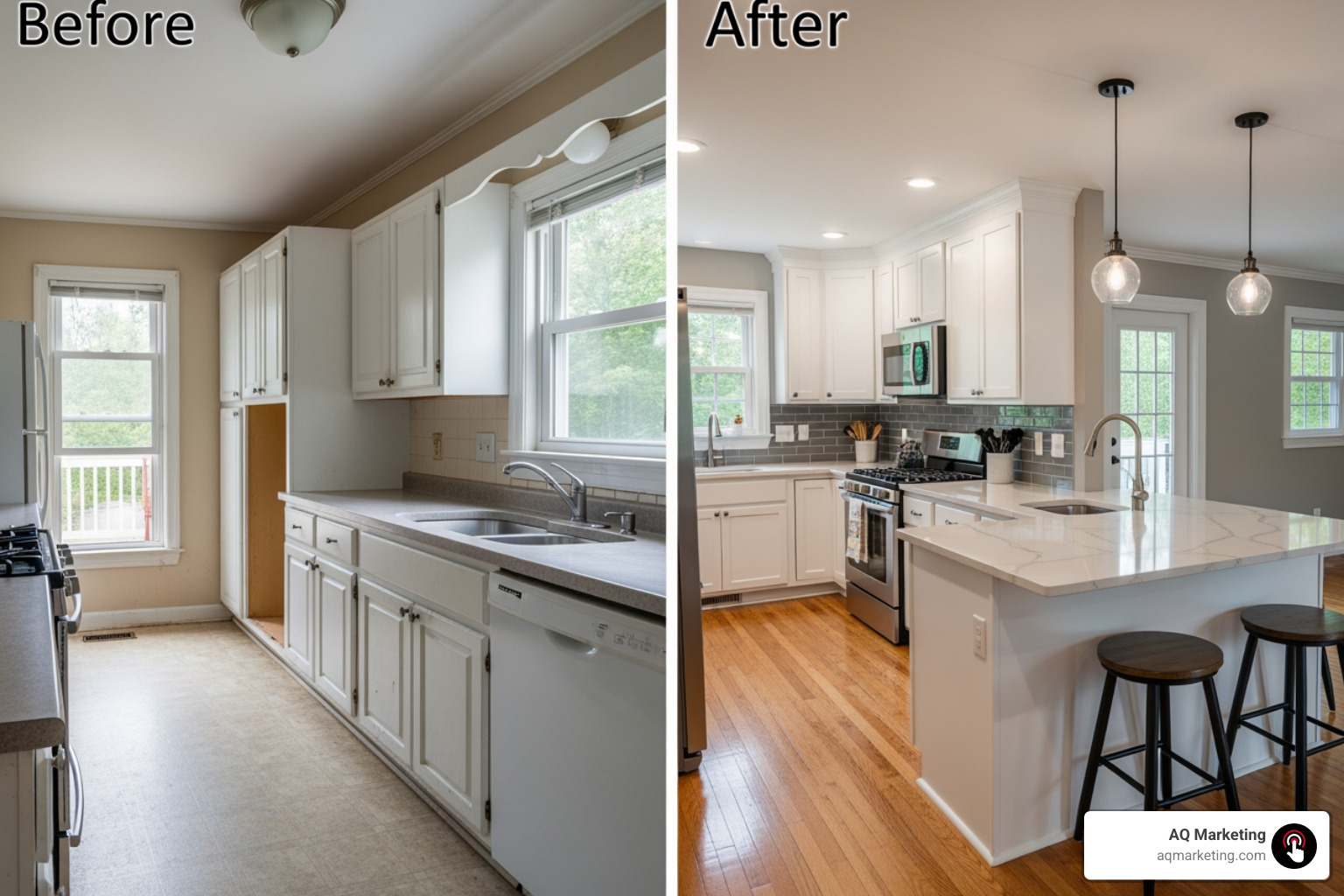
- Before-and-After Galleries: In a visual industry, photos are your best closers. Use high-definition images and describe the project using local keywords (e.g., “A modern farmhouse kitchen update in Andover, MA”).
- Educational Blogging: Don’t just sell; teach. Write about “5 Things to Know Before Starting a Home Addition.” This positions you as a consultant rather than just a laborer. Check out the Best Home Renovation Design Websites for inspiration on how to blend aesthetics with information.
- Video Project Walkthroughs: A 60-second video of a finished basement tour can do more for your SEO dwell time than 1,000 words of text.
Technical SEO and AI Search Optimization
As we move through 2026, technical SEO has evolved. Google’s Core Web Vitals—metrics that measure site speed, responsiveness, and visual stability—are critical. If your site takes longer than three seconds to load, you could lose 40% of your visitors before they even see your work.
Furthermore, we are now optimizing for “AI Search” or Answer Engine Optimization (AEO). Tools like ChatGPT, Gemini, and Google’s AI Overviews look for structured data to provide answers to users. By implementing schema markup (a specific type of code), we tell AI exactly what your services are, what your average ratings are, and where you are located.
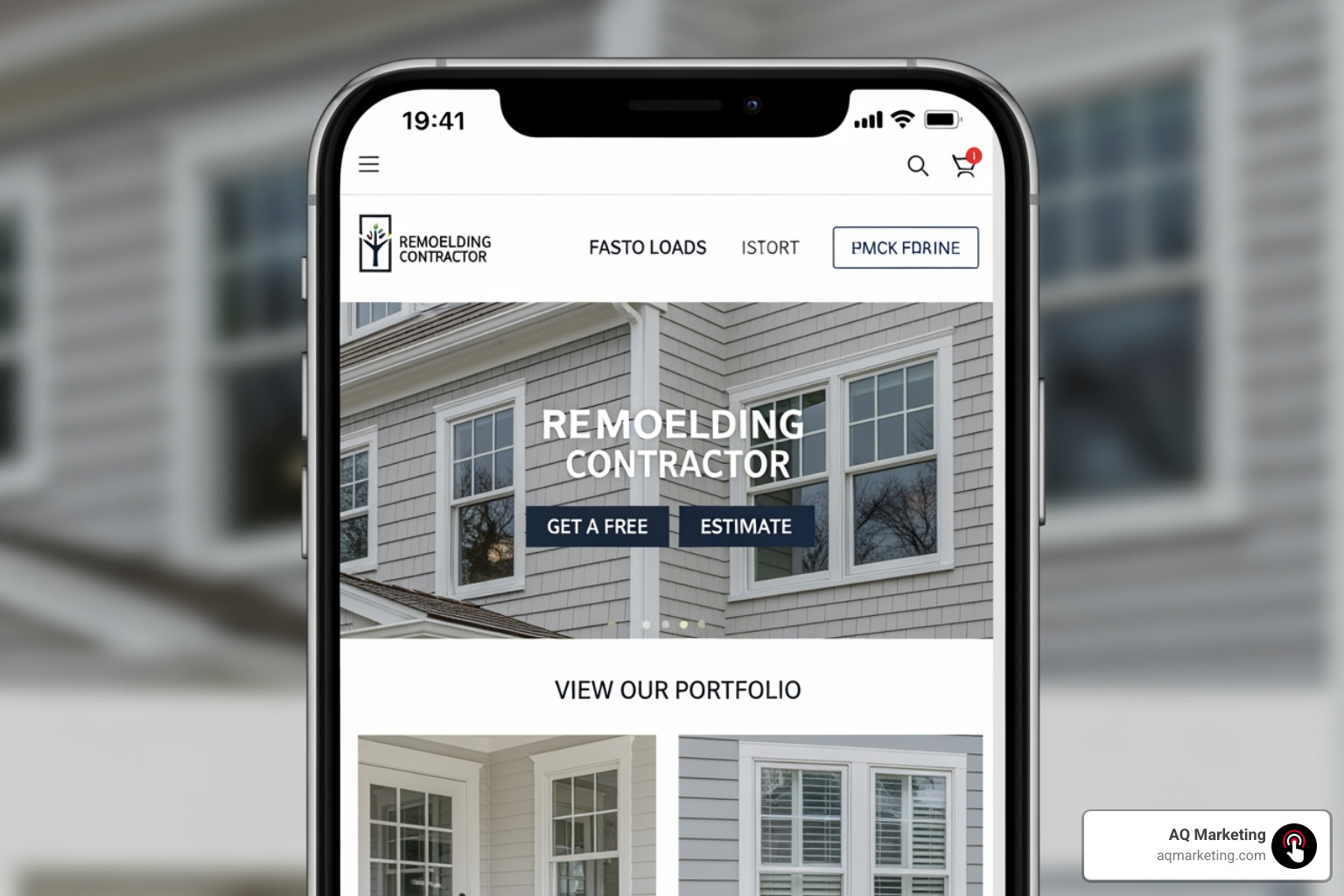
Our approach to Home Improvement Website Design ensures your site uses semantic HTML and mobile-first indexing. Since over 80% of customers browse for contractors on their smartphones, a mobile-optimized site isn’t just a “nice to have”—it’s a requirement for ranking.
Measuring Success and ROI for Home Services
We don’t just look at “traffic.” Traffic doesn’t pay the mortgage—leads and booked jobs do. We use Google Analytics 4 (GA4) to track user behavior and call tracking software to see exactly which keywords led to a phone call.
Measuring the quality of a lead is just as important as the quantity. Are you getting calls for $50,000 kitchen remodels or $500 handyman repairs? A professional Web Design for Contractors includes conversion tracking to answer this question.
SEO vs. PPC: Long-Term Cost Comparison
While Google Ads (PPC) can provide instant leads, the cost per lead usually increases over time as competition grows. Home improvement SEO provides a lower cost per lead in the long run because the content you create today continues to work for you three years from now.
| Metric | SEO (Long-Term) | PPC (Short-Term) |
|---|---|---|
| Initial Cost | Moderate to High | Low to Moderate |
| Time to Results | 3–6 Months | Instant |
| Cost Per Lead | Decreases over time | Remains steady or increases |
| Sustainability | High (builds equity) | Zero (stops when budget ends) |
| Trust Level | High (Organic) | Moderate (Paid) |
Understanding Industry Investment Standards
When looking at professional home improvement SEO services, it is important to understand the market landscape. Pricing for comprehensive strategies varies based on your location, the size of your service area, and the aggressiveness of your competitors.
Based on average online data for 2026, monthly retainers for professional contractor SEO typically range from $1,500 to $15,000+. A small local painter might be on the lower end, while a multi-location remodeling firm in a competitive market like Boston or Worcester will invest significantly more. Please note that these figures are based on broad industry averages and do not represent AQ Marketing’s actual pricing. The scope of work—including content frequency, technical complexity, and the number of target cities—is the primary driver of cost.
Frequently Asked Questions about Home Improvement SEO
How long does it take to see results from SEO?
Typically, you will start to see “movement” in your rankings within 3 months, with more significant lead generation occurring between 6 and 12 months. SEO is a compounding investment; the work we do in month one provides the foundation for the growth you see in year two.
Can I handle my own SEO or should I hire a professional?
While you can certainly handle the basics—like claiming your Google Business Profile and writing a few blog posts—modern home improvement SEO is highly technical. Managing schema markup, Core Web Vitals, and backlink building requires specialized tools and significant time. Most contractors find that their time is better spent on the job site, leaving the digital strategy to experts.
How do reviews impact my search rankings?
Reviews are a massive ranking signal for local SEO. Google prioritizes businesses with a high volume of recent, positive reviews. Furthermore, 87% of people say they won’t even hire a contractor if they have low or no reviews. A steady stream of authentic feedback is better for your rankings than a “flood” of reviews followed by months of silence.
Conclusion
The “long game” of SEO is what separates the contractors who are constantly chasing leads from those who have a waiting list of eager clients. At AQ Marketing, based in Woburn, MA, we have spent over two decades helping businesses across Massachusetts—from the Berkshires to the Cape—transform their online presence into a revenue-driving machine.
Whether you are a kitchen remodeler in Newton or a roofing contractor in Billerica, your growth depends on being found where your customers are looking. We focus on long-term, impactful results that go beyond simple rankings to deliver real business transformation.
Ready to dominate your local market? More info about home services SEO is just a click away. Let’s build something great together.
