

Small business website development: Top 5 Amazing Tips
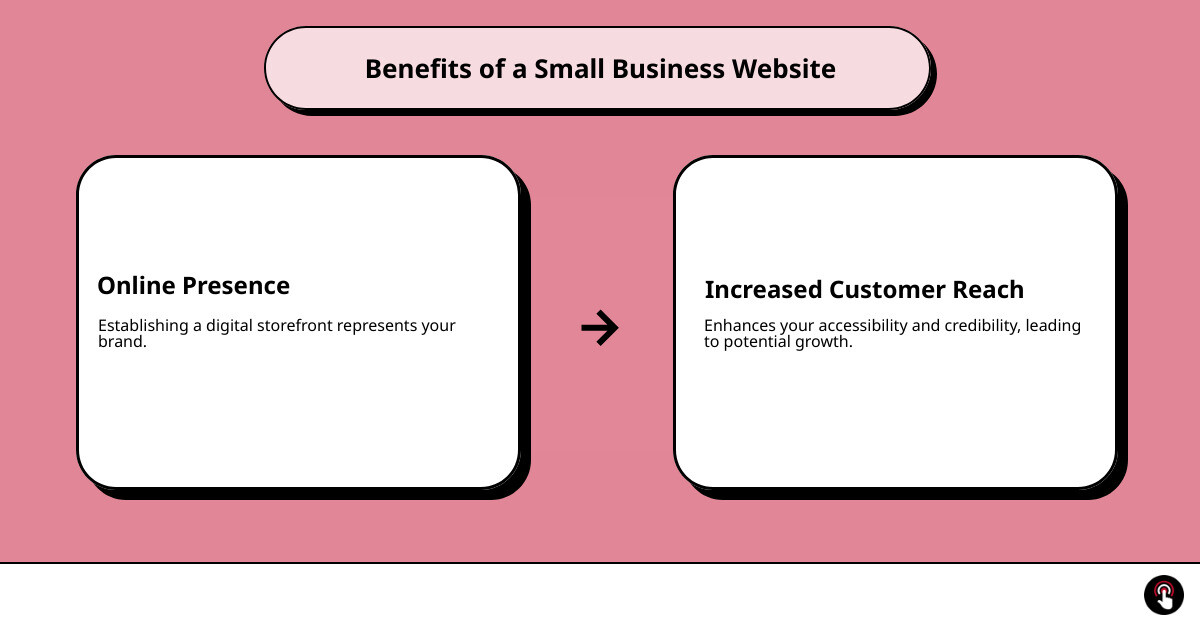
Small business website development is a cornerstone for success in today’s digital economy. Without a solid online presence, small businesses can struggle to reach new customers and effectively showcase their services or products. Here’s a quick guide on why having a website is crucial for your small business:
- First Impression: Your website acts as a digital storefront, creating an initial impression of your brand.
- Customer Engagement: It provides a platform for engaging with customers through content and direct interaction.
- Accessibility: Your business becomes accessible 24/7, accommodating potential clients who prefer online inquiries.
- Credibility: A professional website builds trust, showcasing testimonials and proof of your work.
In this environment, understanding the significance of a web presence is the first step toward growth. A well-designed website can differentiate you from competitors, improve your visibility, and serve as an invaluable marketing tool.
I’m Robert P. Dickey, and with over 20 years of dedication to the digital marketing landscape, my expertise in small business website development ensures that your business not just survives but thrives online.
Basic Small business website development terms:
– Small business SEO strategies
– Digital marketing for local businesses
– Digital marketing for insurance companies
Understanding Small Business Website Development
Creating a website for your small business sounds daunting, but breaking it down makes it manageable. Let’s explore the key aspects: cost factors, design complexity, and platform choices.
Cost Factors
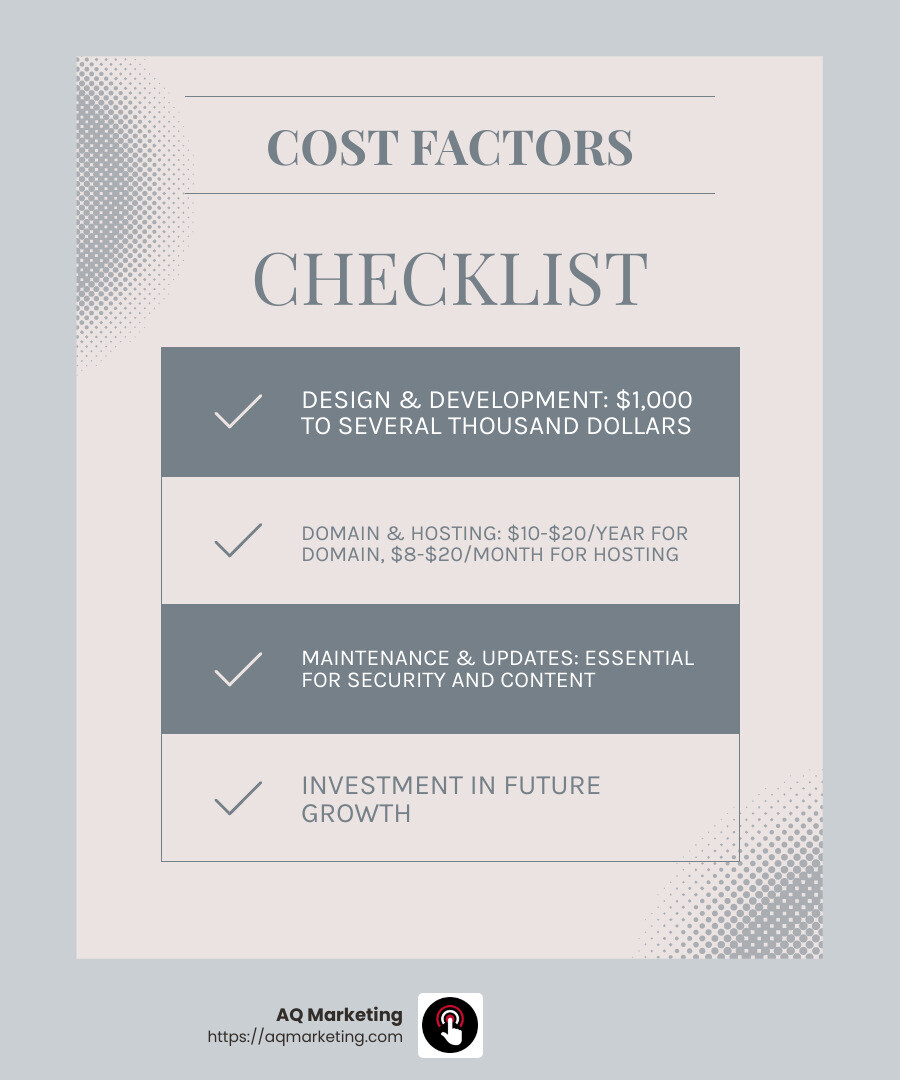
Building a website isn’t just about the initial price tag. Think of it as an investment in your business’s future. Costs can vary widely, from a few hundred dollars to several thousand. Here are some components that influence cost:
- Design and Development: Hiring a professional designer can range from $1,000 to several thousand dollars. Freelancers might be more affordable, often billing by the hour.
- Domain and Hosting: Expect to pay around $10 to $20 annually for a domain name. Hosting can range from $8 to $20 per month, depending on your needs.
- Maintenance and Updates: Websites need regular updates for security and content. Budget for ongoing maintenance to keep everything running smoothly.
Design Complexity
The complexity of your website design will depend on your business goals. A simple, clean design is often best for small businesses. However, if you need advanced features like e-commerce or custom functionalities, expect the complexity—and cost—to increase.
- Simplicity vs. Complexity: A simple website can be a few pages with basic information. Complex sites might include online stores, booking systems, or interactive features.
- User Experience (UX): Focus on creating a user-friendly experience. Easy navigation, clear calls to action, and fast loading times are crucial.
Platform Choices
Choosing the right platform is like picking the right tool for a job. Your choice depends on your technical skills, budget, and business needs.
- Website Builders: Platforms like Wix or Squarespace are user-friendly and ideal for beginners. They offer templates and drag-and-drop features, making it easy to create a professional-looking site without coding skills.
- Content Management Systems (CMS): If you need more customization, consider a CMS like WordPress. It’s more flexible and scalable, suitable for businesses planning to grow their online presence.
- Custom Development: For unique needs, custom development offers the most flexibility. However, it requires a higher budget and technical expertise.
In summary, understanding these elements helps you make informed decisions. By choosing the right mix of cost, design, and platform, you can create a website that not only looks good but also supports your business goals.
Steps to Build a Small Business Website
Building a small business website involves several key steps. Start with domain registration, move on to deciding your website style, implement SEO, and then focus on content planning. Each step is crucial for creating a site that is both effective and professional.
Domain Registration
Your domain is your website’s address on the internet. It’s how people will find you online, so choose wisely.
- Select a Memorable Name: Your domain name should reflect your business and be easy to remember. Include your business name and location if possible to boost local SEO.
- Check Availability: Use domain registration services to see if your desired name is available. If not, consider variations or different domain extensions (.com, .net, .biz).
- Register Your Domain: Once you find an available name, register it promptly. Domain registration typically costs around $10 to $20 per year.
Website Style
Your website’s style should align with your brand and appeal to your target audience. Here’s how to get started:
- Choose a Template: Use platforms with customizable templates to simplify the design process. A simple, clean design often works best for small businesses.
- Ensure Consistency: Consistent use of colors, fonts, and images helps reinforce your brand identity. Make sure your website matches your other marketing materials.
- Focus on User Experience: Easy navigation and fast loading times are essential. Customers should find what they need without hassle.
SEO Implementation
Search Engine Optimization (SEO) ensures your website is visible to search engines like Google. It’s vital for driving traffic to your site.
- Keyword Research: Identify keywords your potential customers are searching for. Use these in your content, titles, and meta descriptions.
- Optimize Content: Ensure your website content is relevant and valuable. Include keywords naturally and focus on quality.
- Technical SEO: Use tools to check your website’s technical aspects, like site speed and mobile-friendliness, which affect search rankings.
Content Planning
Content is king when it comes to engaging visitors and converting them into customers.
- Define Your Audience: Know who you are writing for. Tailor your content to meet their needs and answer their questions.
- Create a Content Schedule: Plan regular updates to keep your site fresh. Blog posts, news updates, and new product announcements keep visitors coming back.
- Use Multimedia: Improve your content with images, videos, and infographics. These elements can increase engagement and make your site more appealing.
By following these steps, you can build a small business website that not only looks great but also functions effectively. This foundation will set you up for success as you continue to grow your online presence.
Essential Features for a Successful Website
When it comes to small business website development, incorporating essential features can make your site stand out. These features ensure your website is not only attractive but also functional and secure.
Mobile-Friendliness
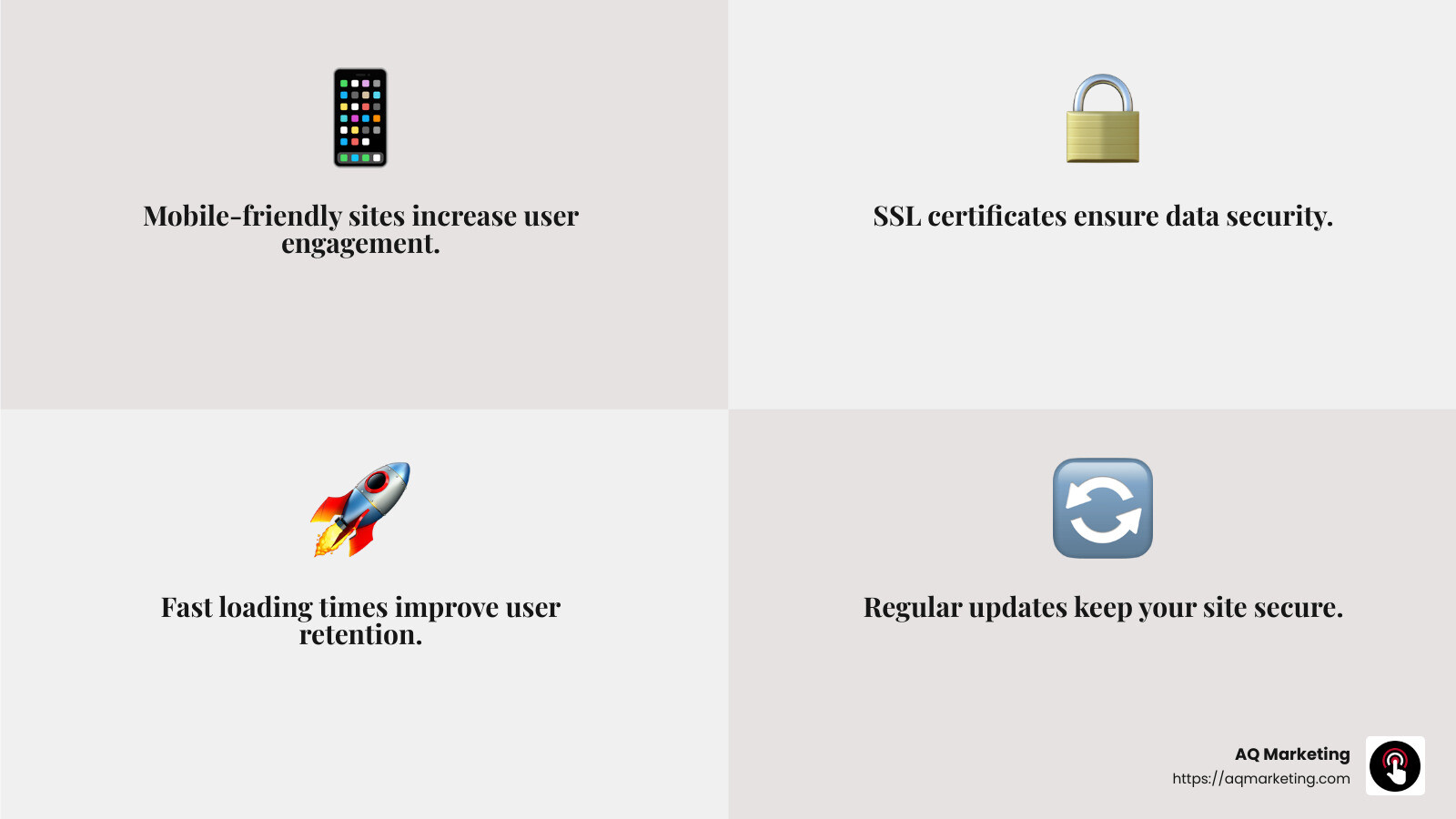
Mobile-friendliness is crucial. More people are accessing websites via smartphones and tablets than ever before. A mobile-friendly site adapts its layout and design to fit smaller screens, providing an optimal viewing experience.
- Responsive Design: Use a responsive theme that automatically adjusts to different screen sizes. This ensures your site looks good on any device.
- Test Across Devices: Regularly test your website on various devices to ensure everything works smoothly. Tools like BrowserStack can help with this.
Security
Security is a top priority for any website. Visitors need to feel their data is safe when interacting with your site.
- SSL Certificates: Ensure your website has an SSL certificate. This encrypts data transferred between the server and the user’s browser, adding a layer of security.
- Regular Updates: Keep your website’s software and plugins up to date to protect against vulnerabilities.
- Backup Solutions: Regularly back up your website to avoid data loss. In case of a security breach, you’ll be able to restore your site quickly.
User Experience
A positive user experience keeps visitors on your site longer and can lead to higher conversion rates.
- Intuitive Navigation: Your website should be easy to steer. Use clear headings and a logical menu structure to guide users.
- Fast Loading Times: Slow websites can frustrate users and drive them away. Optimize images and use efficient coding practices to improve load times.
- Engaging Content: Use a mix of text, images, and videos to keep visitors engaged. Fresh, relevant content encourages repeat visits.
By focusing on these essential features, your small business website will not only attract visitors but also convert them into loyal customers. This sets the stage for a successful online presence, paving the way for future growth.
Common Mistakes to Avoid
When diving into small business website development, it’s easy to overlook some critical elements that can make or break your online presence. Avoiding these common mistakes can set your website on the path to success.
Lack of Value Proposition
A clear value proposition is essential. It tells visitors why they should choose your business over competitors. Without it, your website might blend into the digital noise.
- Define Your Unique Offering: Clearly state what makes your business unique. Whether it’s exceptional customer service, innovative products, or unbeatable prices, make sure it’s front and center.
- Use Simple Language: Avoid jargon. Use language that speaks directly to your audience and addresses their needs.
Poor Navigation
Navigation is the backbone of user experience. If visitors can’t find what they’re looking for quickly, they’ll leave.
- Simple Menus: Keep your navigation menu simple and intuitive. Limit the number of menu items to ensure users aren’t overwhelmed.
- Breadcrumbs: Implement breadcrumb trails to help users keep track of their location on your site.
- Search Functionality: A search bar can be a lifesaver, especially for content-rich sites. It allows users to find information quickly.
Insufficient Social Proof
Social proof builds trust. Without it, potential customers may hesitate to engage with your business.
- Customer Testimonials: Display testimonials prominently. Real stories from satisfied customers can reassure new visitors.
- Case Studies: Share detailed case studies that highlight successful projects or customer experiences.
- Social Media Links: Link to your active social media profiles. This not only builds credibility but also encourages visitors to connect with your brand on multiple platforms.
Avoiding these pitfalls in small business website development can greatly improve your website’s effectiveness. By focusing on a strong value proposition, streamlined navigation, and robust social proof, you’ll be well on your way to creating a site that engages and converts visitors.
Next, we’ll tackle some frequently asked questions about building a small business website, including costs and steps to get started.
Frequently Asked Questions about Small Business Website Development
How much does it cost to build a website for a small business?
When considering small business website development, costs can vary widely. On average, you might expect to spend anywhere from $500 to $5,000, depending on your needs and choices. Key factors influencing this cost include:
- Design Complexity: A simple template-based site will be cheaper than a custom design.
- Platform Choice: DIY platforms like Wix or WordPress can be more affordable compared to hiring a professional designer.
- Features and Functionality: Adding eCommerce capabilities or advanced SEO tools can increase costs.
- Ongoing Maintenance: Don’t forget about monthly or yearly fees for domain registration, hosting, and updates.
Is it worth having a website for a small business?
Absolutely, having a website is crucial for small businesses. Here’s why:
- Visibility: A website makes your business accessible 24/7, allowing potential customers to find you anytime.
- Credibility: A professional website lends credibility to your business. It’s often the first impression customers have, and a well-designed site can improve trust.
- Competitive Edge: Many customers research online before making purchasing decisions. Without a website, you risk losing customers to competitors who have a strong online presence.
How to create a small business website?
Building a website might seem daunting, but following a clear, step-by-step guide can simplify the process:
- Select a Template or Start from Scratch: Choose a template that suits your business or start with a blank canvas for more customization.
- Pick a Domain Name: Ensure it’s easy to remember and reflects your brand. Use a domain name generator for inspiration if needed.
- Get Reliable Web Hosting: Make sure your site is backed up and secure with a trusted hosting provider.
- Customize Content and Design: Tailor your site to fit your business needs using intuitive design features.
- Add Business Apps: Incorporate essential tools like an online store, booking system, or contact forms.
- Optimize for SEO: Use built-in SEO tools to improve your site’s visibility on search engines.
- Publish and Promote: Once everything is in place, launch your site and start promoting it through social media and other channels.
By following these steps and utilizing essential tools, you can create a professional and effective website that supports your business goals.
Next, we’ll explore the conclusion, focusing on the long-term benefits of partnering with AQ Marketing for your website needs.
Conclusion
In small business website development, creating a website that truly shines requires a strategic partner who understands your unique needs. At AQ Marketing, we specialize in helping small to medium-sized businesses improve their online presence. With over two decades of experience, we know what it takes to deliver long-term, impactful results.
Why Choose AQ Marketing?
- Long-Term Results: We focus on strategies that not only achieve immediate success but also sustain growth over time. Our team is dedicated to crafting custom solutions that align with your business goals and adapt to market changes.
- Impactful Online Presence: A well-designed website is more than just a digital storefront—it’s a powerful tool for building your brand and engaging with customers. We ensure your website is not only visually appealing but also optimized for performance and user experience.
- Comprehensive Services: From SEO to social media management, we offer a full suite of digital marketing services custom to your industry. Our expertise in sectors like home services and insurance allows us to deliver targeted strategies that drive results.
- Local Expertise: Based in Woburn, MA, we understand the local market dynamics and can help your business stand out in regions like Boston, Middlesex County, and beyond.
Partnering with AQ Marketing means investing in a future where your business can thrive online. Let us help you build a website that not only meets your needs today but also paves the way for tomorrow’s success.
Ready to improve your online presence with long-term, impactful results? Contact us to get started!
