Reputation Management Software for Small Business: Top 3 Essential Picks for Success 2024
Where first impressions are often formed online, reputation management software for small business owners has become an invaluable asset for boosting their online presence. With more potential customers using the internet to gauge a business’s credibility, managing your digital footprint can make or break your success. For those who need a concise takeaway:
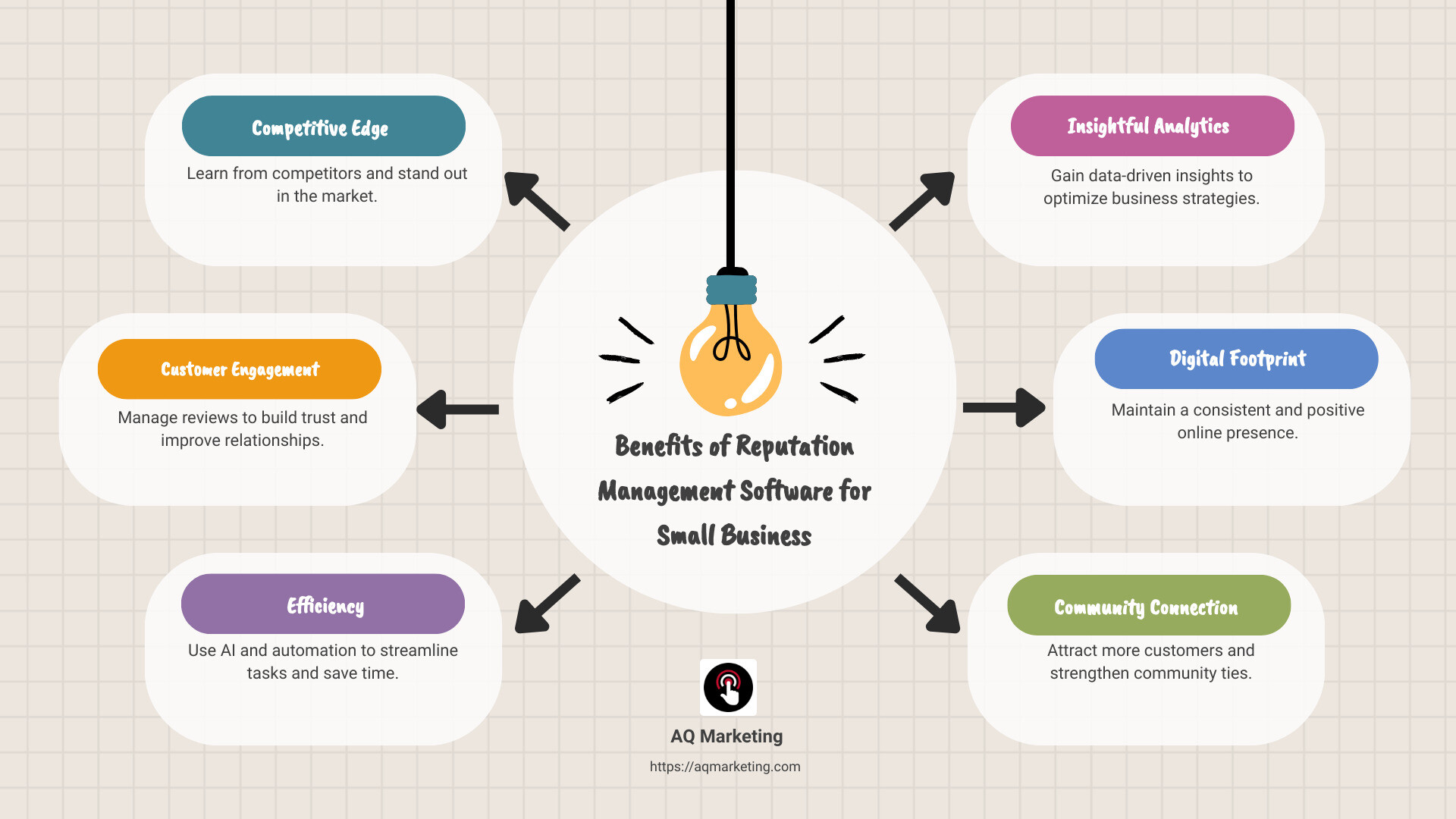
- Competitive Edge: Keep an eye on what your competitors are doing to stand out.
- Customer Engagement: Responsively manage reviews to build trust and improve relationships.
- Efficiency: Streamline your tasks with AI and automation to save time and resources.
- Insightful Analytics: Gain valuable insights to fine-tune your strategies and improve results.
Recognizing the vital role that a consistent and positive online image plays, small businesses can leverage powerful tools like these to maintain and improve their reputation, ultimately attracting more customers and forging stronger connections in their community.
As Robert P. Dickey, the President and CEO of AQ Marketing, I bring over two decades of expertise in strategic digital marketing solutions, focusing on reputation management software for small business. Through my extensive experience, I have witnessed the transformative impact that these tools can have on businesses striving to make their mark in the digital landscape. This article will further explore how small businesses can harness these solutions effectively.
Quick reputation management software for small business definitions:
– business reputation management
– online review management
– reputation management software comparison
Understanding Reputation Management Software for Small Business
Reputation management software for small business is a tool designed to help businesses monitor, manage, and improve their online reputation. It acts as a digital guardian, keeping track of what people are saying about your business online, and giving you the tools to respond and manage your image effectively.
Why is Reputation Management Important?
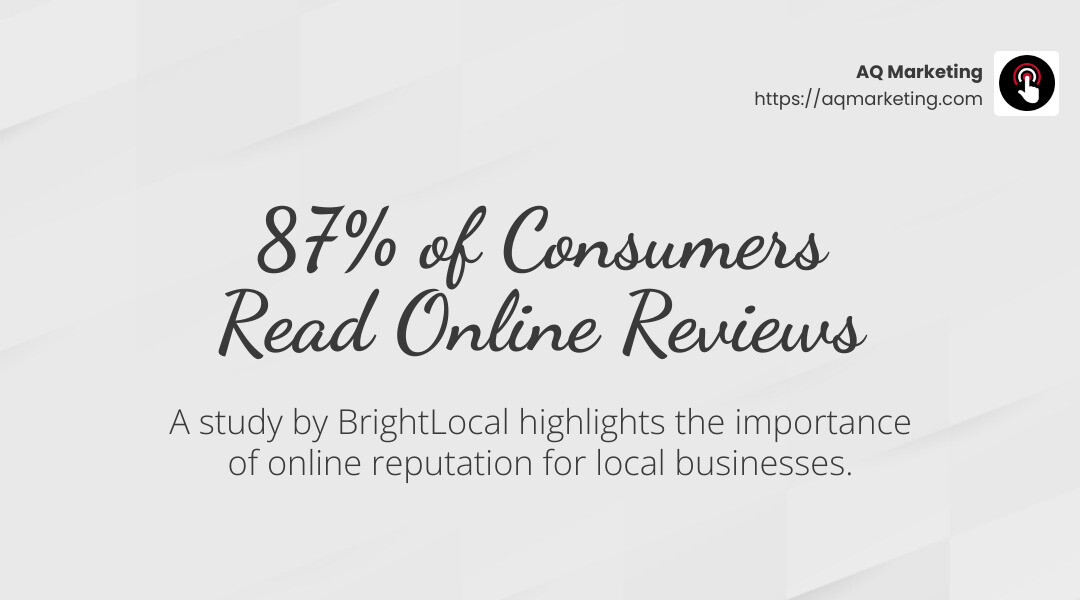
In today’s online-driven world, your business’s reputation is more visible than ever. A single negative review can spread quickly, potentially impacting your sales and customer trust. According to a study by BrightLocal, 87% of consumers read online reviews for local businesses. This makes it crucial for small businesses to actively manage their online presence.
Key Benefits of Using Reputation Management Software
- Real-Time Monitoring: Stay updated with what’s being said about your business across multiple platforms. Tools like NetReputation and ReviewTrackers help you track mentions and reviews in real time, allowing you to respond promptly.
- Improved Customer Trust: Engaging with customers by responding to reviews—positive or negative—shows that you care. This builds trust and can turn a negative experience into a positive one.
- Improved Analytics: Gain insights into customer sentiments and trends. Platforms like Meltwater offer data-driven reports that help you understand public perception and make informed decisions.
- Efficiency through Automation: Automate the process of requesting reviews and managing feedback. Tools like Grade.us can streamline these tasks, saving you time and effort.
- Competitive Edge: By analyzing competitor reviews and feedback, you can identify areas for improvement and opportunities for growth.
Reputation management software for small business is not just about damage control; it’s about building a proactive strategy to maintain and improve your brand’s image. With the right tools, small businesses can effectively manage their online presence, leading to increased customer satisfaction and business growth.
Next, we’ll dive into the key features to look for when choosing reputation management software for your small business.
Key Features of Reputation Management Software for Small Business
When it comes to reputation management software for small business, understanding the key features is essential. These features help ensure that your business maintains a positive online presence and effectively engages with customers.
Monitoring
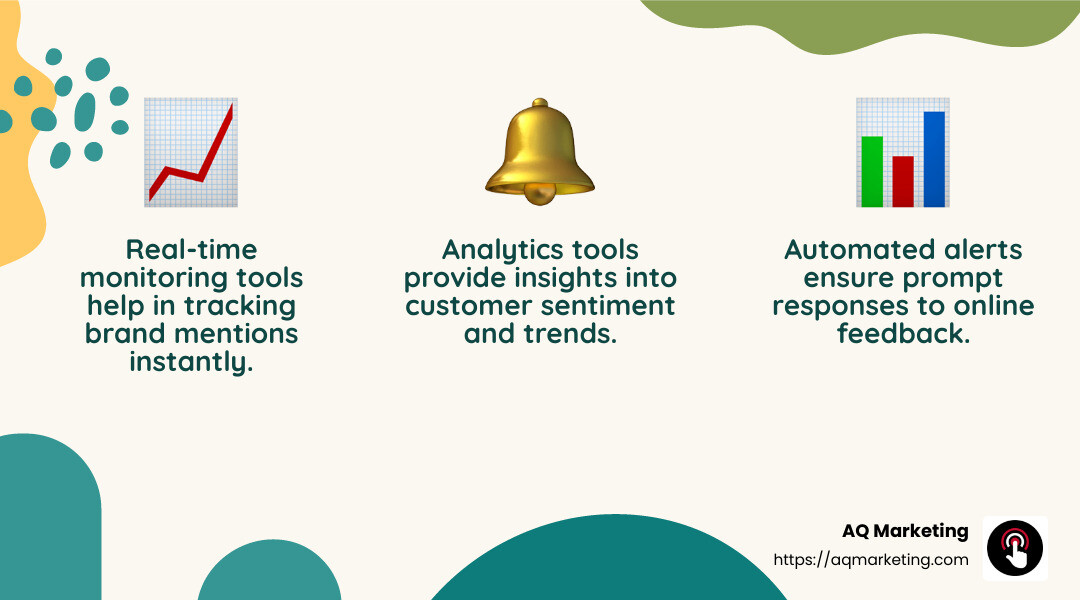
The first crucial feature is monitoring. This involves keeping an eye on what is being said about your business across various online platforms. Real-time monitoring tools, such as NetReputation, allow you to track mentions and reviews instantly. This ensures that you’re always aware of your brand’s online perception and can respond quickly to any issues.
Management
Management capabilities enable you to organize and handle your online reviews and feedback efficiently. Platforms like ReviewTrackers provide a centralized dashboard where you can respond to reviews from different sites in one place. This streamlined approach not only saves time but also ensures consistent communication with your customers.
Alerts
Receiving alerts is vital for staying on top of your online reputation. Automated alerts notify you immediately when your business is mentioned online, whether it’s a glowing review or a critical comment. This allows for prompt responses, showcasing your commitment to customer satisfaction. According to AQ Marketing, timely responses can turn negative feedback into a positive customer experience.
Analytics
Analytics features provide valuable insights into customer sentiment and behavior. Understanding these trends is crucial for making informed business decisions. Tools like Meltwater offer data-driven reports that can reveal how customers perceive your brand, helping you adjust your strategies accordingly. Analytics can also highlight areas of improvement and potential growth opportunities.
By leveraging these features, small businesses can effectively manage their online reputation, improve customer relationships, and drive growth. In the next section, we’ll explore how this software can further improve customer trust and engagement.
How Reputation Management Software Improves Customer Relationships
Engagement is at the heart of any successful business relationship. For small businesses, reputation management software acts as a bridge to engage with customers more effectively. By using tools that monitor online mentions and reviews, businesses can interact with customers in real-time. This immediate engagement shows customers they are valued and heard, which fosters a positive relationship.
For instance, when a customer leaves a review—positive or negative—a prompt response can make all the difference. A timely and thoughtful reply not only addresses the customer’s concerns but also demonstrates to others that your business is attentive and caring. As noted by AQ Marketing, turning a negative review into a positive interaction can transform an unhappy customer into a loyal advocate.
Trust is built through transparency and consistent communication. Reputation management software helps maintain this trust by ensuring that businesses are aware of and can respond to customer feedback quickly. By addressing issues head-on and showcasing positive reviews, businesses can highlight their commitment to customer satisfaction. This transparency builds trust, as customers see that the business actively seeks to improve and values their input.
Moreover, trust is reinforced when businesses use reputation management software to share customer success stories and testimonials. These stories serve as social proof, showing potential customers that others have had positive experiences with the business. According to a survey, 77% of consumers regularly check reviews when comparing local businesses, which underscores the importance of maintaining a trustworthy online presence.
Feedback is a goldmine for small businesses looking to improve their services. Reputation management software not only collects feedback from various platforms but also analyzes it to provide actionable insights. By understanding customer sentiment, businesses can identify trends and areas for improvement. This feedback loop allows businesses to adapt and evolve, ensuring they meet customer expectations.
For example, a small business might notice through analytics that customers frequently mention slow service in reviews. With this insight, the business can take steps to streamline operations and improve the customer experience. This proactive approach not only addresses customer concerns but also shows that the business is committed to continuous improvement.
In the next section, we’ll discuss how to choose the right reputation management software for your business, focusing on assessing your needs and comparing features.
Choosing the Right Reputation Management Software for Your Business
When it comes to choosing the right reputation management software for your business, it’s crucial to start with a clear understanding of your specific needs. This process begins with a needs assessment. Ask yourself: What are the primary goals you want to achieve with the software? Are you looking to monitor customer reviews, manage your online presence, or both? Identifying these objectives will help you focus on the features that matter most to your business.
Once you have a clear idea of your needs, it’s time to move on to feature comparison. Not all reputation management software is created equal. Some tools offer comprehensive monitoring across multiple platforms, while others might focus more on review management. For instance, some tools excel in providing real-time alerts for new mentions or reviews, which can be crucial for timely responses. Others might offer advanced analytics to help you understand customer sentiment and trends. Make a list of must-have features and compare different tools to see which ones align best with your business goals.
Budget consideration is another critical factor in the decision-making process. While some reputation management tools are free, they often come with limited features. On the other hand, more comprehensive solutions might come with a higher price tag. It’s important to weigh the costs against the potential benefits. Investing in the right software can lead to improved customer relationships and increased sales in the long run. Consider whether the software offers scalability, allowing your business to grow without incurring significant additional costs.
In summary, choosing the right reputation management software involves a careful balance of needs assessment, feature comparison, and budget consideration. By taking the time to evaluate these aspects, you can select a tool that not only meets your current requirements but also supports your business’s future growth. In the next section, we’ll explore the steps involved in implementing reputation management software, including setup, integration, and training.
Implementing Reputation Management Software
Once you’ve chosen the right reputation management software for your small business, it’s time to dive into the implementation process. This involves a few key steps: setup, integration, and training.
Setup
Setting up your new software is usually straightforward, but it’s important to follow the specific instructions provided by the software vendor. You’ll start by creating an account and configuring your settings. This often includes linking your business’s online profiles, such as Google, Facebook, and Yelp, to the software. This connection allows the software to pull in reviews and mentions automatically.
A pro tip: Take advantage of any initial setup guides or tutorials offered by the software provider. These resources can save you time and ensure you’re making the most of the software’s features from day one.
Integration
Integration is where the magic happens. It’s about making sure the software works seamlessly with your existing systems. For example, if you use a CRM, you might want to integrate it with your reputation management software. This integration can help you keep all customer interactions in one place, making it easier to track and respond to feedback.
During this stage, you may also want to set up automated alerts. These notifications can inform you instantly about new reviews or mentions, allowing you to respond quickly. This is crucial for maintaining a positive online image and addressing any issues before they escalate.
Training
Finally, ensure your team is well-trained to use the new software. Even the most feature-rich tool won’t be effective if your team doesn’t know how to use it. Training sessions can help familiarize your staff with the software’s dashboard, reporting features, and best practices for responding to reviews.
Consider scheduling regular training updates, especially if the software provider releases new features or updates. Keeping your team informed ensures they can leverage the software to its full potential.
In summary, the successful implementation of reputation management software involves careful setup, thoughtful integration, and comprehensive training. By following these steps, your business can effectively manage its online presence and build stronger relationships with customers.
Next, we’ll tackle some common questions about reputation management software to further clarify its benefits and features.
Frequently Asked Questions about Reputation Management Software for Small Business
What is reputation management software?
Reputation management software is a tool designed to help businesses monitor, manage, and improve their online presence. Think of it as a digital assistant that keeps track of what people are saying about your business across the internet. This includes reviews on platforms like Google and Yelp, mentions on social media, and even news articles.
Why is this important? Because your online reputation can significantly impact customer decisions. A positive reputation can attract more customers, while a negative one can drive them away.
How does reputation management software benefit a small business?
For small businesses, reputation management software offers several key benefits:
- Monitoring: It keeps an eye on your online mentions, alerting you to new reviews or comments. This means you can respond quickly, showing customers you care about their feedback.
- Management: By centralizing all your reviews and mentions, the software makes it easier to manage your online reputation. You can see everything in one place, rather than jumping between different websites.
- Insights: With analytics features, you can track trends in customer feedback. This helps you understand what you’re doing well and where you might need to improve.
- Efficiency: Automated alerts and responses can save time, allowing you to focus on other important aspects of your business.
In short, reputation management software helps small businesses maintain a positive image, build trust with customers, and ultimately drive growth.
What features should I look for in reputation management software?
When choosing reputation management software for small business, consider these essential features:
- Monitoring and Alerts: The software should provide real-time alerts for new reviews and mentions, so you can respond promptly.
- Analytics and Reporting: Look for tools that offer detailed reports on customer sentiment and feedback trends. This data is invaluable for making informed business decisions.
- Integration Capabilities: Ensure the software can integrate with your existing systems, like your CRM or social media platforms, for seamless operation.
- Ease of Use: The tool should be user-friendly, with a simple interface that doesn’t require extensive training.
- Scalability: As your business grows, your software should be able to handle increased workloads and integrate with new platforms.
By focusing on these features, you can select a tool that not only meets your current needs but also supports your business as it expands.
Next, we’ll wrap up by discussing the long-term benefits of reputation management and how AQ Marketing can help your business thrive.
Conclusion
Investing in reputation management software for small business is not just a short-term fix; it’s a strategic move with long-term benefits. By consistently managing your online presence, you can build a strong, positive image that attracts new customers and retains existing ones. It’s about creating a trustworthy brand that people can rely on.
Why are these long-term benefits crucial? For one, they lead to increased customer loyalty. When customers see that you care about their feedback and are responsive to their needs, they are more likely to return and recommend your business to others. This builds a community of advocates who can help your business grow through word-of-mouth.
Moreover, a positive online reputation can improve your credibility and differentiate you from competitors. When consumers often research businesses online before making a purchase, maintaining a stellar reputation can be the deciding factor that tips potential customers in your favor.
At AQ Marketing, we understand the importance of a robust online presence. With our expertise in digital marketing, we can help small to medium-sized businesses leverage reputation management software to its fullest potential. Our team provides comprehensive solutions, from monitoring and alerts to analytics and reporting. Our goal is to help you maintain a positive image and drive long-term success.
Ready to improve your business’s online reputation and see lasting results? Contact AQ Marketing today to learn how we can support your reputation management efforts and help your business thrive.