Reputation Management Software Comparison: Top 2024 Guide
Reputation management software comparison is essential for businesses aiming to uphold a positive online image. In today’s digital age, a single negative review can significantly affect a brand’s reputation, making the choice of the right tool critical. Here’s a quick comparison to guide your decision:
- Sprout Social: Offers comprehensive social listening and intelligence.
- Podium: Ideal for local businesses focusing on customer engagement through SMS.
- Brand24: Provides real-time tracking with multilingual support.
- Reputation X: Specializes in personalized services for executives and businesses.
Effective online reputation management (ORM) is vital for business success, influencing customer trust and driving revenue. Mishandling customer feedback, as seen in notable corporate incidents, highlights its importance. By selecting the appropriate software, businesses can not only address negative reviews but also foster positive customer interactions.
I’m Robert P. Dickey, President and CEO of AQ Marketing. With over 20 years of experience, I specialize in reputation management software comparison, assisting businesses in enhancing their online presence efficiently. Let’s explore the significance of ORM and its impact on businesses today.
Reputation management software comparison terms simplified:
- affordable reputation management software
- business reputation management
- digital reputation management
Understanding Reputation Management Software
Maintaining a positive online reputation is crucial for any business. Reputation management software helps businesses monitor, manage, and improve their online presence. This software is designed to handle various tasks, from tracking brand mentions to analyzing customer sentiments. Let’s break down the key features and how this software works.
Key Features to Look For
When choosing reputation management software, there are several essential features to consider:
- Social Media Monitoring: This feature allows businesses to track what’s being said about them across social media platforms. It helps brands stay informed about customer opinions and trends in real-time.
- Brand Mention Monitoring: Keeping tabs on where and how your brand is mentioned online is vital. This feature helps businesses identify potential issues before they escalate.
- Online Review Management: Reviews can make or break a business. Effective software will help you manage and respond to reviews, ensuring that customer feedback is addressed promptly.
- Brand Sentiment Analysis: Understanding how customers feel about your brand is crucial. Sentiment analysis provides insights into the overall perception of your brand, helping you make informed decisions.
How Does Reputation Management Software Work?
The functionality of reputation management software can be broken down into four main components:
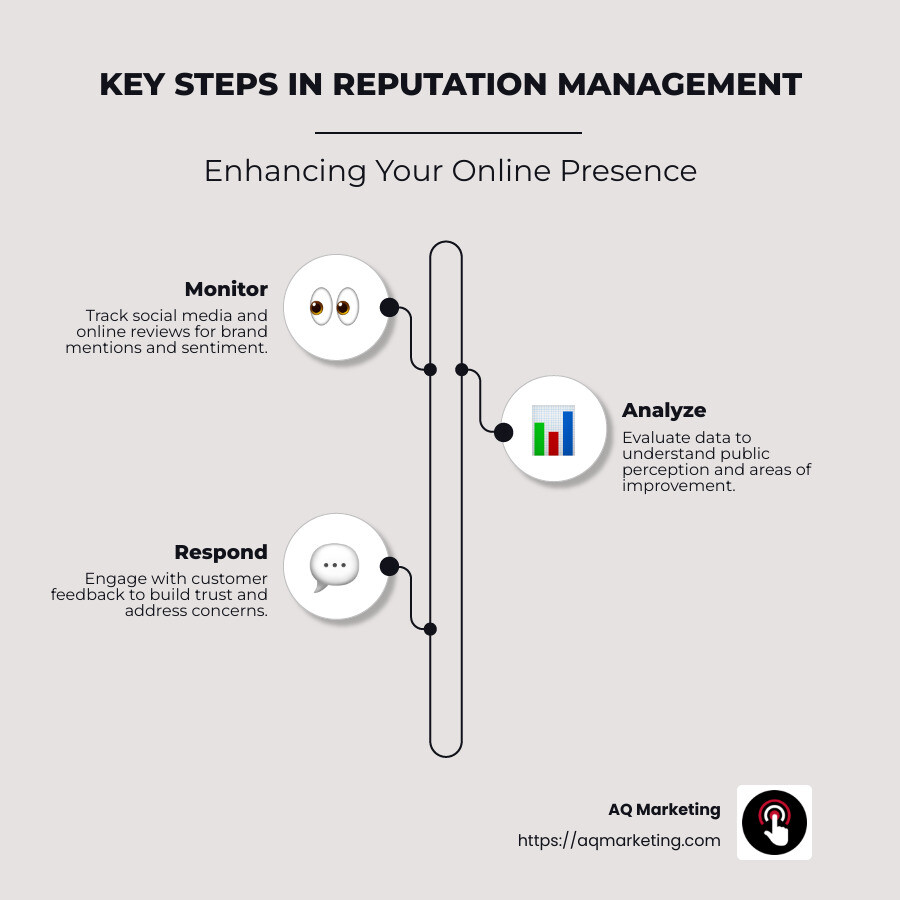
- Monitoring: The software continuously scans online platforms to track mentions of your brand. This includes social media, review sites, and other online forums.
- Analysis: Once data is collected, the software analyzes it to identify trends and sentiments. This helps businesses understand how their brand is perceived and what areas may need improvement.
- Response: Timely responses to customer feedback are crucial. The software can automate responses or provide templates to ensure consistent communication with customers.
- Reporting: Comprehensive reports provide insights into your brand’s online presence. These reports can help businesses track progress, identify areas for improvement, and make data-driven decisions.
By understanding these features and functionalities, businesses can choose the right reputation management software to suit their needs. Whether you’re a small business looking for cost-effective solutions or a large enterprise seeking advanced features, knowing what to look for will guide you in making an informed decision.

This understanding of reputation management software sets the stage for comparing different options available in the market, helping you choose the best fit for your business needs.
Reputation Management Software Comparison
Choosing the right reputation management software can be overwhelming with so many options available. Here’s a simple guide to help you compare and select the best software for your business.
Criteria for Comparing Software
When evaluating reputation management software, consider these key criteria:
- Features: Look for software that offers comprehensive features like social media monitoring, online review management, and sentiment analysis. Each feature should align with your business goals and needs.
- Usability: A user-friendly interface is crucial. The software should be easy to steer, even for those who aren’t tech-savvy. This ensures all team members can use it effectively without extensive training.
- Integration: Check if the software integrates with your existing systems, such as CRM or marketing platforms. Seamless integration can streamline processes and improve productivity.
- User Interface: A clean, intuitive interface improves user experience. It should provide easy access to essential tools and data, helping you manage your online reputation efficiently.
- Customization: The ability to customize dashboards, reports, and alerts is important. Customization allows you to tailor the software to meet specific business requirements.
- Scalability: Choose software that can grow with your business. Whether you’re a small startup or a large enterprise, the software should accommodate your evolving needs.
- Support: Reliable customer support is essential. Look for providers that offer comprehensive support, including tutorials, FAQs, and live assistance.
- Price: Consider your budget. While cost-effective solutions are appealing, ensure the software offers value for money with the necessary features and support.
Popular Features in 2024
As technology advances, reputation management software is evolving with new features:
- AI Integration: Artificial Intelligence is changing how businesses manage their online reputation. AI can automate tasks like sentiment analysis and trend identification, saving time and improving accuracy.
- Real-Time Alerts: Timely notifications about brand mentions or changes in sentiment can help businesses respond quickly to potential issues, preventing them from escalating.
- Multi-Platform Support: With customers engaging across various platforms, it’s crucial to have software that supports multiple channels. This ensures comprehensive monitoring and management of your online presence.
By focusing on these criteria and features, you can make an informed decision when selecting reputation management software. This approach ensures you choose a solution that improves your business’s online presence and reputation management efforts.
Choosing the Right Software for Your Business
Selecting the right reputation management software depends largely on the size of your business, industry specifics, and budget considerations. Here’s a breakdown to help guide your decision-making process.
For Small Businesses
Small businesses often operate with limited resources, so cost-effective solutions are crucial. Look for software that offers essential features like social media monitoring and online review management without breaking the bank. Tools like Google Alerts can be a great start, as they are free and provide basic monitoring capabilities.
Industry specifics also play a role. For example, a local restaurant might benefit from software that integrates well with platforms like Yelp and Google Reviews, while a small tech startup might prioritize tools that offer robust sentiment analysis across tech forums and social media.
Budget considerations are paramount. Small businesses should seek out software that delivers maximum value for the price. Mention, for example, offers plans starting at $49/month and can track mentions across various platforms, providing a comprehensive overview without a hefty price tag.
For Large Enterprises
Large enterprises have more complex needs, often requiring advanced features and integration capabilities. These businesses might consider tools like Sprout Social, which offers a centralized dashboard for managing multiple social media accounts and provides in-depth analytics.
Integration capabilities are vital for large enterprises that rely on various systems. The software should seamlessly connect with existing CRM, marketing, and customer service platforms to streamline processes and improve efficiency.
Security is another critical factor. Large enterprises handle vast amounts of data, and robust security measures are non-negotiable. Ensure the software has strong data protection protocols to safeguard sensitive information.
Finally, while large enterprises might have bigger budgets, it’s still important to ensure the software provides a good return on investment. Look for solutions that not only meet current needs but are also scalable to accommodate future growth.
By considering these factors, businesses can select reputation management software that aligns with their specific needs, enhancing their ability to maintain a positive online presence.
Implementing Reputation Management Software
Incorporating reputation management software into your business can significantly boost your online presence. However, successful implementation requires careful planning and execution. Let’s explore some best practices and common challenges.
Best Practices for Effective Use
Setup, Integration, and Training
Start with a smooth setup. Ensure that the software integrates seamlessly with your existing systems like CRM and customer service platforms. This integration will streamline processes and improve efficiency.
Training is crucial. Your team must understand how to use the software effectively. Conduct regular training sessions to keep everyone updated on new features and best practices. This ensures that your team can leverage the software to its full potential.
Regular Monitoring and Engaging Responsively
Once the software is up and running, regular monitoring is key. Set up alerts for brand mentions and reviews to stay on top of what’s being said about your business. This allows you to respond swiftly to both positive and negative feedback.
Engaging responsively with your audience can turn potential crises into opportunities. A quick, thoughtful response to a negative review can showcase your commitment to customer satisfaction and potentially turn a disgruntled customer into a loyal one.
Utilizing Analytics
Take full advantage of the software’s analytics features. These insights can reveal trends in customer sentiment and highlight areas for improvement. Use this data to refine your strategies and improve customer experience.
Common Challenges and Solutions
Data Overload
One common challenge is data overload. With so much information at your fingertips, it can be overwhelming to decide what’s important. Focus on key metrics that align with your business goals, such as sentiment analysis and share of voice.
Privacy Concerns
Privacy concerns are another issue. Ensure that the software complies with data protection regulations like GDPR. This not only safeguards customer data but also builds trust with your audience.
User Adoption
Finally, user adoption can be a hurdle. Encourage your team to accept the software by demonstrating its benefits and providing continuous support. Highlight how it can make their jobs easier and more efficient.
By addressing these challenges and following best practices, your business can effectively implement reputation management software, enhancing your ability to maintain and improve your online reputation.
Conclusion
Long-Term Benefits
Investing in reputation management software is not just about immediate gains; it’s a strategic move with long-term benefits. By consistently monitoring and managing your online reputation, you can build trust with your audience, improve customer loyalty, and ultimately increase your business’s bottom line.
Improved Customer Trust and Loyalty
When customers see a business actively engaging with feedback, it reinforces their trust. Addressing negative reviews promptly and positively can turn dissatisfied customers into brand advocates. This proactive approach can lead to a community of loyal customers who not only return but also recommend your business to others.
Improved Decision Making
The analytics provided by reputation management software offer valuable insights. These insights help you understand customer sentiment and identify patterns in feedback, enabling you to make informed decisions. By continuously refining your strategies based on this data, you can improve customer satisfaction and improve your products or services.
AQ Marketing’s Expertise in Enhancing Online Presence
At AQ Marketing, we specialize in helping small to medium-sized businesses improve their online presence. Our expertise lies in implementing effective reputation management strategies that align with your business goals. With over 20 years of experience, we understand the nuances of digital marketing and how to leverage tools and strategies for long-term success.
Our team is committed to providing personalized support and guidance, ensuring that your business not only steers the complexities of online reputation management but thrives in it. Whether you’re a local business in Massachusetts or beyond, we tailor our services to meet your unique needs, delivering impactful and lasting results.
For more information on how we can help you with reputation management, visit our Reputation Management Service page.
In conclusion, reputation management software is an essential tool for any business looking to maintain a positive online presence. By choosing the right software and implementing it effectively, you can secure long-term benefits for your business, and with AQ Marketing’s expertise, you’re well-equipped to improve your online reputation.