Custom website design small business: Top 6 Best Tips 2024
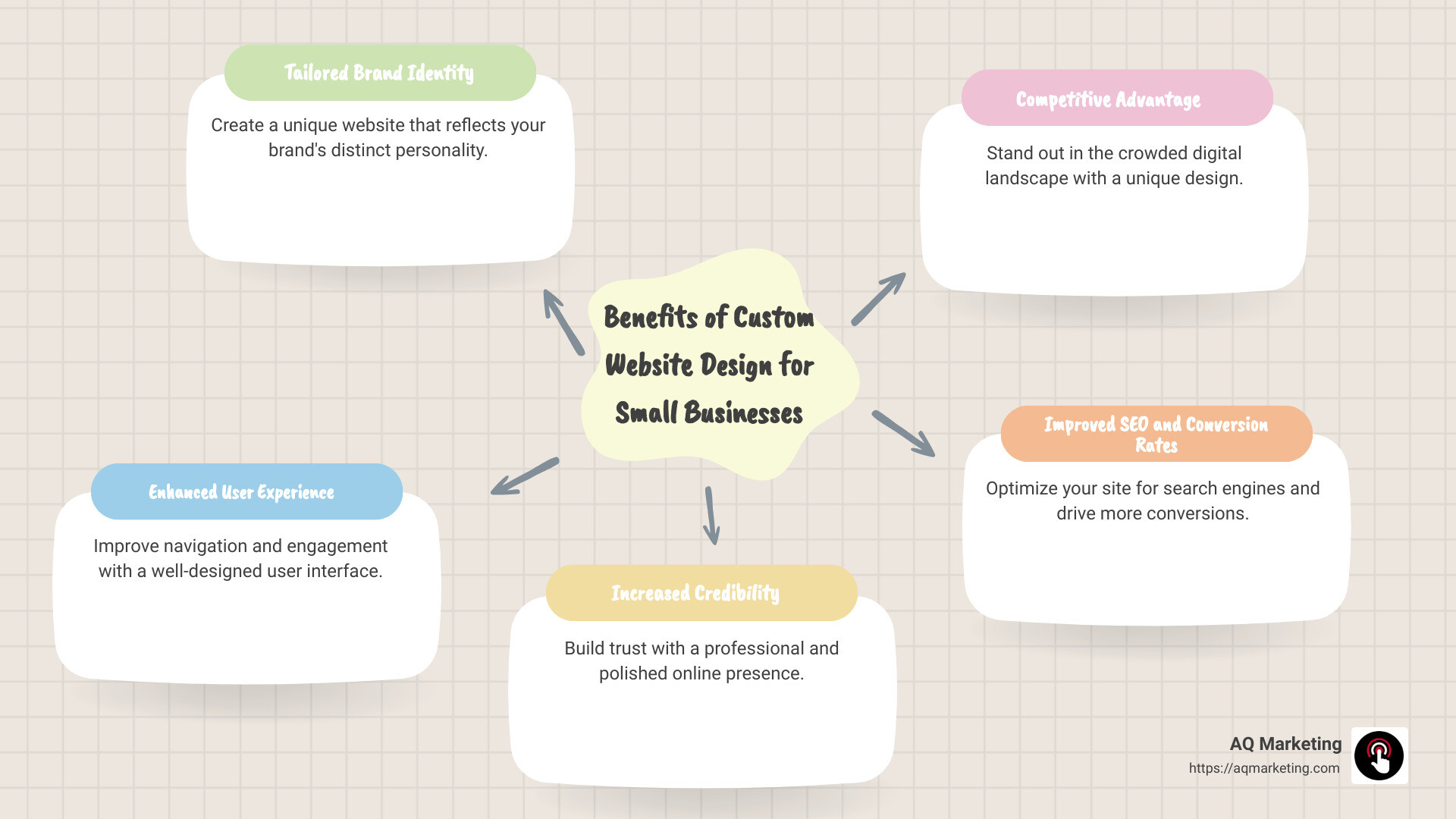
Custom website design small business is essential for creating a distinct online presence that sets your brand apart. As a small business owner, you’ll benefit from:
- Tailoring your website to reflect your brand’s unique identity.
- Enhancing customer experience through streamlined navigation.
- Leveraging design to ensure a professional and trustworthy image.
This strategic approach isn’t merely about aesthetics—it’s about crafting a digital experience that aligns with your business goals and speaks to your target audience.
In today’s competitive digital landscape, having a cookie-cutter website just isn’t enough. A customized design gives you the tools to better engage with your customers, optimize for search engines, and ultimately, drive conversions. By investing in a custom web presence, you position yourself to stand out among competitors, ensuring that your small business not only survives but thrives.
I’m Robert P. Dickey, the President and CEO of AQ Marketing, Inc. With over 20 years of experience in digital marketing, I’ve dedicated my career to helping small businesses succeed by leveraging the power of custom website design. This article aims to guide you through the process, ensuring your business can reap all the benefits a unique digital presence has to offer.
Quick Custom website design small business definitions:
– Custom website design pricing
– Custom website design process
– Custom website design services
Why Custom Website Design Matters
First Impressions Count
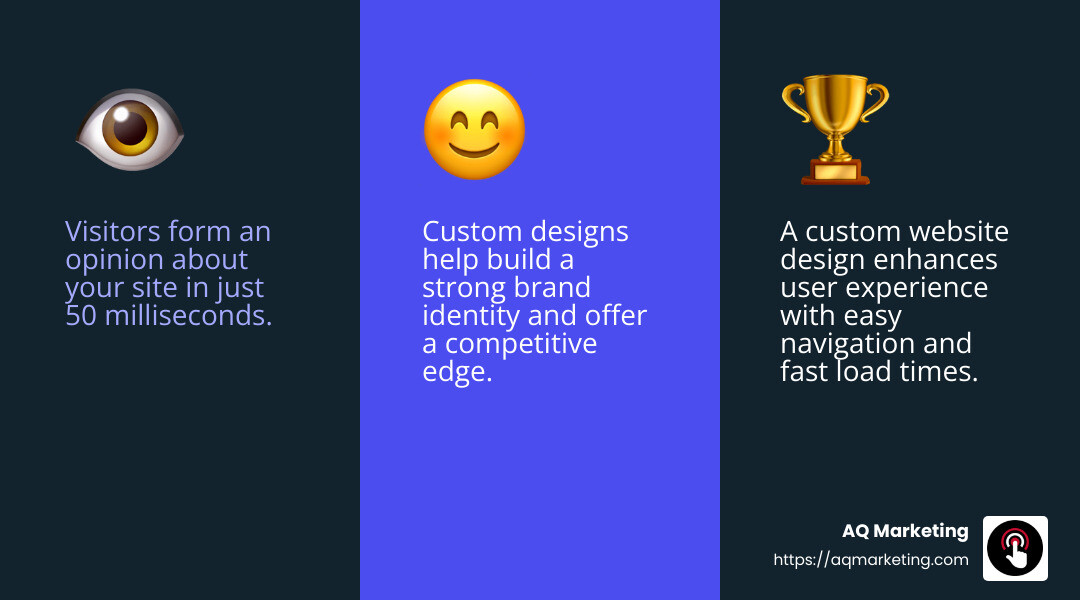
Your website is often the first interaction potential customers have with your business. A well-designed site can make a lasting impression. According to research, a visitor forms an opinion about your site in just 50 milliseconds. That’s faster than the blink of an eye! Therefore, having a custom website design for your small business is crucial to capture attention and convey professionalism immediately.
Enhancing User Experience (UX)
A custom design isn’t just about looks. It focuses on creating a seamless user experience. This means easy navigation, fast load times, and accessibility for all users.
“The truth is, the average consumer doesn’t care about the expensive animation or avant-garde design elements you’ve added to your site.” – CalTech Web
Users want simplicity and efficiency. A cluttered or confusing site can frustrate visitors, causing them to leave. In contrast, a site that is intuitive and user-friendly increases the chance of conversions.
Building a Strong Brand Identity
Your website should reflect your brand’s unique voice and values. A custom design allows you to incorporate your logo, color scheme, and other branding elements in a cohesive way. This consistency helps build trust and recognition among your audience. It’s about telling your brand story visually and making sure it resonates with your customers.
Competitive Edge
In a crowded market, standing out is essential. A generic website won’t cut it. A custom-designed site gives you a competitive edge by showcasing what makes your business unique. It allows you to tailor features and functionalities to meet your specific needs and the expectations of your target audience.
Investing in a custom website design not only improves your online presence but also positions your small business as a leader in your industry.
Steps to Get Custom Website Design for Your Small Business
Define Your Goals and Budget
Before diving into the design process, it’s crucial to outline your business objectives. Ask yourself: What do you want your website to achieve? Is it to increase sales, capture leads, or improve brand awareness? Having clear goals will guide every decision you make.
Next, consider your budget. Custom website design can range from a few thousand dollars to tens of thousands, depending on complexity and features. Planning your budget helps you prioritize features that align with your business goals without overspending. Investing in a quality website is a long-term strategy that pays off by boosting your business’s online presence.
Choose the Right Web Designer
When it comes to hiring a web designer, you have two main options: freelance or agency. Freelancers often offer more flexibility and lower costs, while agencies provide a team of experts with a wide range of skills.
To make the best choice, review portfolios and look for industry experience. A designer’s past projects can give you insight into their style and capabilities. For instance, if you run a restaurant, finding a designer with experience in the food industry can be beneficial. They’ll understand the nuances of designing for your market.
Plan Your Website Structure and Content
A well-organized site map is the backbone of any successful website. It outlines the pages you need and how they connect. Think about the user journey—what path do you want visitors to take?
Your content strategy should focus on delivering value. Identify key messages and information that your audience needs. Use this to guide content creation, ensuring it’s engaging and aligned with your business goals.
Focus on Mobile-Friendly Design
With over 53% of global web traffic coming from mobile devices, a responsive design is non-negotiable. It ensures your website looks and functions well on all screen sizes.
Understanding user behavior is key. Mobile users often seek quick answers, so your site should be easy to steer with fast load times. Prioritize mobile optimization to improve the user experience and keep visitors engaged.
Ensure SEO Optimization
Search Engine Optimization (SEO) is vital for visibility. Start with keyword research to identify terms your target audience is searching for. This will guide your content and meta tags.
On-page SEO involves optimizing elements like headings, images, and URLs to be search-friendly. Technical SEO ensures your site is crawlable by search engines, with a clean code structure and fast loading speed.
By focusing on these steps, you’ll be well on your way to achieving a custom website design that not only meets your business needs but also stands out in the digital landscape.
Custom Website Design for Small Business: Best Practices
Creating a website for your small business isn’t just about aesthetics. It’s about providing a seamless experience for your users while showcasing your brand. Here are some best practices to keep in mind:
Prioritize User Experience (UX)
Navigation: Ensure that your website’s navigation is intuitive. Users should be able to find what they need without hassle. Use clear labels and logical menu structures to guide visitors effortlessly.
Load Times: Fast load times are essential. A slow website can frustrate users and lead them to leave. Optimize images and use efficient coding practices to keep your site speedy.
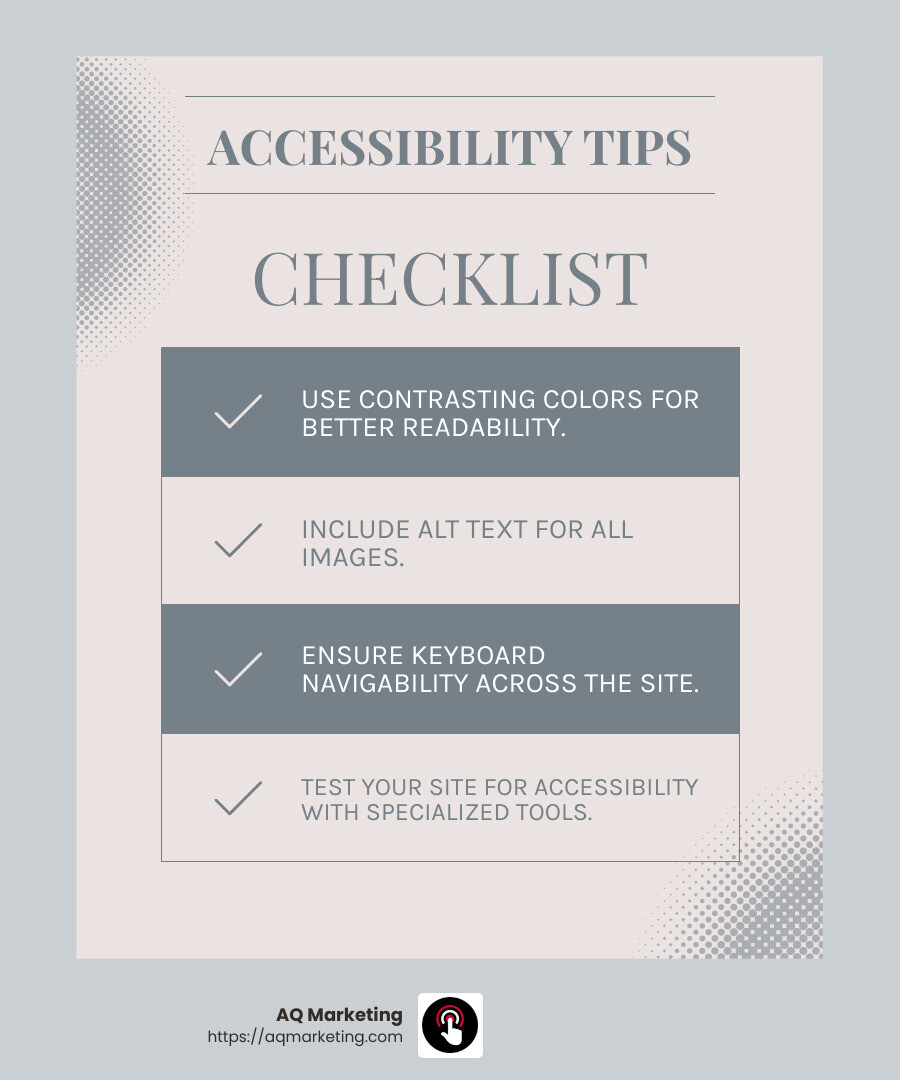
Accessibility: Make your site accessible to everyone, including those with disabilities. Use contrasting colors for readability and include alt text for images. Ensuring keyboard navigability is also crucial.
Use High-Quality Visuals
Custom Photos and Professional Videos: Using custom photos and professional videos improves your brand’s authenticity. They help tell your story in a unique way that stock photos can’t.
Stock Photo Costs: While custom visuals are ideal, stock photos can be a cost-effective alternative. Choose high-quality images that align with your brand’s message. Many platforms offer affordable options.
Keep It Simple and Functional
Minimalist Design: A clean, minimalist design can make your website more appealing and easier to steer. Avoid clutter and focus on essential elements that aid the user journey.
Essential Features: Identify the features that are crucial for your business. This could be a contact form, an e-commerce section, or a blog. Prioritize functionality over flashy design elements.
User-Friendly Interface: Your website should be easy to use for everyone. Ensure buttons are easily clickable, text is readable, and the overall layout is straightforward.
Regular Maintenance and Updates
Site Upkeep: Regular maintenance is vital to keep your website functioning smoothly. This includes updating software, checking for broken links, and ensuring all features work as intended.
Content Updates: Keep your content fresh and relevant. Regularly update your blog, product pages, and other information to engage your audience and improve SEO.
Security Checks: Protect your site from threats by performing regular security checks. Update plugins and software to the latest versions and consider using security tools to monitor your site.
By following these best practices, your custom website design will not only attract visitors but also keep them engaged, providing a solid foundation for your small business’s online presence.
Cost of Custom Website Design for Small Business
Understanding the cost of custom website design for your small business is crucial for budgeting and planning. Let’s break down the average costs, factors affecting pricing, and some tips to save money.
Average Costs
The cost of designing a custom website can vary widely based on your needs and the complexity of the project. On average, small business website design can range from $2,500 to $10,000. This price includes the design, development, and initial setup. However, the total cost can be higher if you require additional features or services.
Factors Affecting Price
Several elements can influence the cost of a custom website design:
- Design Complexity: The more intricate the design, the higher the cost. A simple, minimalist site will generally be less expensive than one with complex features and animations.
- Functionality Requirements: Additional functionalities like e-commerce capabilities, booking systems, or custom databases can increase costs.
- Content Creation: Custom photography, videos, and copywriting services add to the overall expense. Stock photos can be a cheaper alternative, but they may lack the unique touch of custom visuals.
- SEO and Marketing Services: Integrating SEO strategies from the start can be beneficial but may increase the initial investment.
- Ongoing Maintenance: Regular updates and security checks are necessary for keeping your site running smoothly. These services can add to the long-term costs.
Cost-Saving Tips
Here are some strategies to help reduce the cost of custom website design for your small business:
- Use Templates Wisely: Consider starting with a customizable template if your budget is tight. This can significantly lower costs while still allowing for some level of personalization.
- Prioritize Features: Determine which features are most crucial for your business and focus on those. You can always add more functionalities as your budget allows.
- DIY Options: If you have the skills, consider handling some aspects of the website yourself, like content updates or basic SEO tasks.
- Negotiate with Designers: Discuss your budget with potential designers or agencies. They might offer flexible pricing models or payment plans that fit your financial constraints.
- Look for Package Deals: Some agencies offer bundled services that include design, development, and maintenance at a discounted rate.
By understanding the costs and exploring ways to save, you can make informed decisions that align with your business goals and budget. Now, let’s explore what questions are frequently asked about custom website design for small businesses.
Frequently Asked Questions about Custom Website Design for Small Business
How much does it cost to hire someone to build a website for a small business?
The cost to hire a professional for building a small business website can vary, but average hourly rates range from $75 to $200. For a project-based pricing model, you might expect to pay anywhere from $2,500 to $10,000, depending on the complexity and features you need.
Design complexity and the number of pages are significant factors that can affect the price. A simple site with a few pages will cost less than a complex e-commerce site with many custom features.
How much should a website cost for a small business?
Building a small business website involves several cost components:
- Domain and Hosting: You’ll need to purchase a domain, which typically costs between $10 and $30 per year. Hosting fees can range from $5 to $50 per month, depending on the level of service and traffic your site requires.
- Design and Development: As mentioned, custom design can range from $2,500 to $10,000. This includes the initial setup and basic functionality.
- Additional Features: If you need advanced features like a shopping cart or booking system, expect to pay more. These functionalities require more time and expertise, which increases the overall cost.
Is it worth making a website for a small business?
Absolutely. Having a website is crucial for establishing an online presence. It acts as a digital storefront, providing potential customers with essential information about your products or services.
A well-designed website can give you a competitive advantage. Customers often search online before making a purchase decision, and a professional website can make a strong first impression. It helps build trust with potential customers and can significantly impact your sales and growth.
Investing in a custom website design ensures your site is custom to your brand and business goals, providing a seamless user experience that can set you apart from competitors.
Conclusion
In today’s digital landscape, a custom website design is not just a luxury but a necessity for small businesses aiming to establish a strong online presence. We’ve explored how a well-crafted website can be a game-changer, offering benefits like improved user experience, a unique brand identity, and a competitive edge.
AQ Marketing is committed to helping small to medium-sized businesses achieve these goals. With our expertise in web design, SEO, and digital marketing, we tailor solutions that align with your business objectives and budget. Our focus on long-term, impactful results ensures that your website not only looks great but also drives business growth.
Ready to take your business online with a custom website design? Contact us today to learn how we can create a website that truly represents your brand and meets your business needs.
Don’t wait to make your mark in the digital world. Let’s build something great together!