

Search Engine Marketing: 7 Powerful Success Tips
Navigating the World of Search Engine Marketing
Search engine marketing (SEM) is a powerful digital strategy designed to lift your business’s online presence by promoting your products or services through paid advertisements on search engine results pages (SERPs). In today’s competitive marketplace, SEM can help your business stand out, ensuring that your ads are seen at the moment potential customers are ready to make a purchase. This section will cover key aspects of SEM, including:
- SEM Overview: A technique involving paid ads on search engines like Google and Bing.
- Digital Marketing Strategy: Integrating SEM with SEO and social media for a synergized approach.
- Visibility in SERPs: Ensures your business is easily found by searchers ready to buy.
As the President and CEO of AQ Marketing, I, Robert P. Dickey, bring over two decades of expertise in marketing strategies designed to boost the visibility and success of small to medium-sized businesses. Throughout my career, SEM has emerged as a vital component of a comprehensive digital marketing strategy.
Search engine marketing terms you need:
– search engine marketing services
– local seo company
– seo tools
Understanding Search Engine Marketing
Search Engine Marketing (SEM) is a key player in the digital marketing world. It’s all about using paid search advertising to get your business noticed. Let’s explore what makes SEM tick.
Paid Search Advertising
Paid search advertising involves placing ads on search engine results pages (SERPs) when users enter specific queries. These ads are usually located at the top or bottom of the search results. They’re marked with a small “ad” label, so users know they’re sponsored.
This approach is effective because it targets users who are actively searching for what you offer. When someone types a query related to your product or service, your ad appears, increasing the chances they’ll click through to your website.
Pay-Per-Click (PPC)
One of the most common models in SEM is Pay-Per-Click (PPC). With PPC, advertisers pay a fee each time their ad is clicked. It’s a way of buying visits to your site rather than earning them organically.
PPC is cost-effective because you’re only paying for actual interactions. This model ensures that your budget is spent on users who are interested enough to click on your ad, potentially leading to a conversion.
Keyword Bidding
Keywords are the backbone of SEM. They determine when and where your ads appear. Keyword bidding is the process of selecting and bidding on keywords that are relevant to your business.
Here’s how it works:
- Research: Identify keywords that your potential customers are likely to use.
- Bid: Decide how much you’re willing to pay for each click on those keywords.
- Placement: Your ad’s placement is determined by your bid and the ad’s quality score. A higher bid and better quality score can lead to a more prominent ad position.
Finding the right balance between search volume and competition is crucial. High-volume keywords can be expensive, while less competitive ones might attract more motivated buyers.
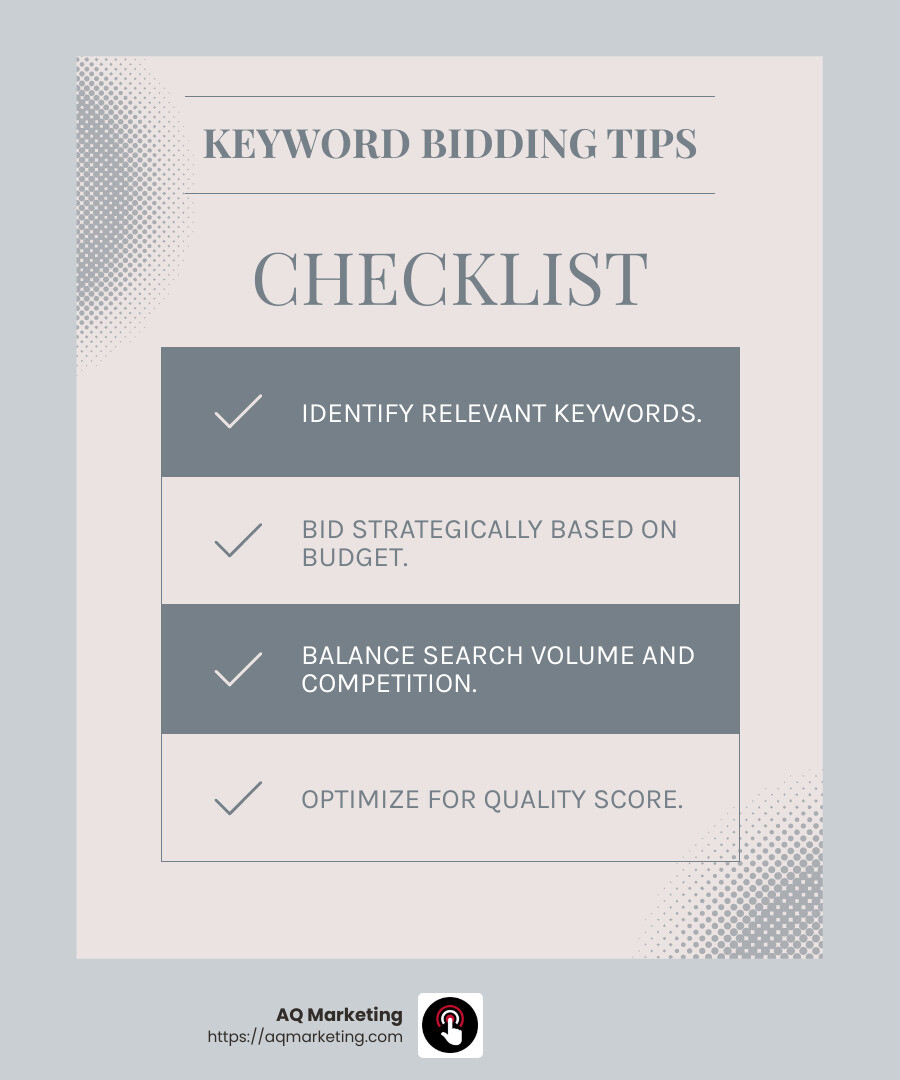
SEM is about being strategic with your keyword choices and budget to ensure that your ads reach the right audience at the right time. By mastering these elements, you can improve your brand’s visibility and drive more traffic to your site.
Next, we’ll explore the importance of SEM in reaching online audiences and how it aligns with consumer intent.
Importance of SEM
Search Engine Marketing (SEM) is crucial for expanding your online reach and connecting with potential customers. Let’s explore why SEM is so important for businesses looking to thrive online.
Online Reach
With more and more consumers turning to the internet for their shopping needs, having a strong online presence is vital. SEM allows businesses to appear prominently in search engine results pages (SERPs), making it easier for potential customers to find them. In fact, most new visitors to a website arrive via search engine queries. By leveraging SEM, you can increase your visibility and attract more visitors to your site.
Consumer Intent
One of the key advantages of SEM is its ability to target users based on their search intent. When consumers use search engines, they often have a specific goal in mind—whether it’s finding information, comparing products, or making a purchase. This intent-driven behavior means that users are more likely to engage with ads that are relevant to their needs. SEM captures this intent by displaying your ads to users who are actively searching for products or services like yours.
Non-Intrusive Advertising
Unlike many other forms of digital advertising, SEM is non-intrusive. It doesn’t interrupt users while they’re browsing other content, like social media ads might. Instead, SEM places your ads in front of users at the precise moment they’re searching for related information. This means that your ads reach consumers when they’re most receptive to new information and more likely to take action.
Immediate Results
Another compelling reason to invest in SEM is the immediacy of its results. Once your campaign is set up, your ads can start appearing in search results almost instantly. This quick turnaround makes SEM one of the fastest ways to drive traffic to your website. You’ll see immediate increases in visibility and potential customer engagement, providing a valuable return on your marketing investment.
SEM is essential for any business looking to improve its online presence and connect with consumers effectively. By understanding and utilizing SEM, you can ensure your brand reaches the right audience at the right time, maximizing your chances of success.
Next, we’ll dig into how SEM works, including the role of targeted ads and search algorithms in effective ad placement.
How SEM Works
Search Engine Marketing (SEM) is a powerful tool for businesses aiming to increase their online presence. Let’s break down how it operates, focusing on targeted ads, search algorithms, and ad placement.
Targeted Ads
At the heart of SEM are targeted ads. These ads are designed to appear in front of users who are actively searching for specific products or services. This precision targeting is possible because SEM leverages user data and search queries to identify potential customers. By choosing the right keywords, businesses can ensure their ads reach people who are most likely to be interested in their offerings.
For example, if someone searches for “buy firm mattress online,” a well-targeted ad for a mattress company can appear right at the top of the search results. This kind of targeted advertising increases the chances of engagement and conversion.
Search Algorithms
Search algorithms are the behind-the-scenes wizards that determine which ads appear where. These algorithms consider various factors, including the relevance of the ad to the search query and the quality of the ad itself.
Google’s ad auction system plays a crucial role here. It evaluates both the bid amount and the ad’s Quality Score to decide ad placement. A higher Quality Score, which reflects the ad’s relevance and user experience, can lead to better ad positions even if the bid is lower. This means businesses need to focus not just on how much they bid, but also on creating high-quality ads and landing pages.
Ad Placement
Ad placement is all about where your ads appear on the Search Engine Results Pages (SERPs). The goal is to secure a spot where potential customers are most likely to see your ad.
Paid ads typically appear at the top or bottom of the SERPs. However, not every search query will trigger an ad. Some queries, especially those without commercial intent, may not display any ads at all.
Ad placement is competitive, and businesses must continuously optimize their strategies to maintain or improve their positions. This involves tweaking ad copy, refining keyword choices, and enhancing landing pages to improve Quality Scores and bid performance.
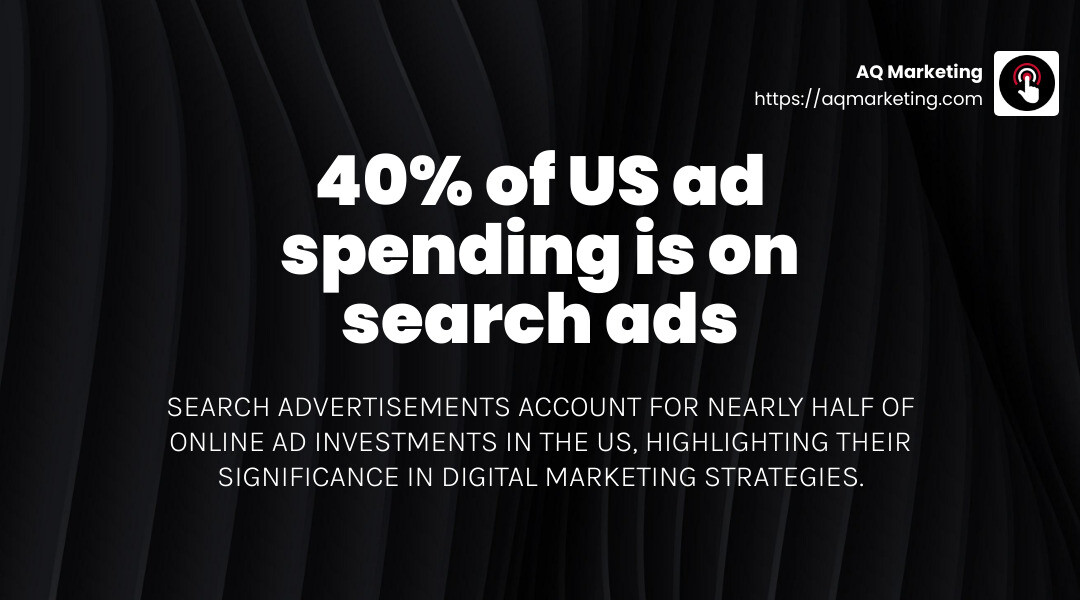
In summary, Search Engine Marketing works through a combination of targeted ads, sophisticated search algorithms, and strategic ad placement. By understanding these components, businesses can effectively steer the SEM landscape and achieve their marketing goals.
Next, we’ll explore how to create an effective SEM strategy, including keyword research and PPC campaigns.
Creating an Effective SEM Strategy
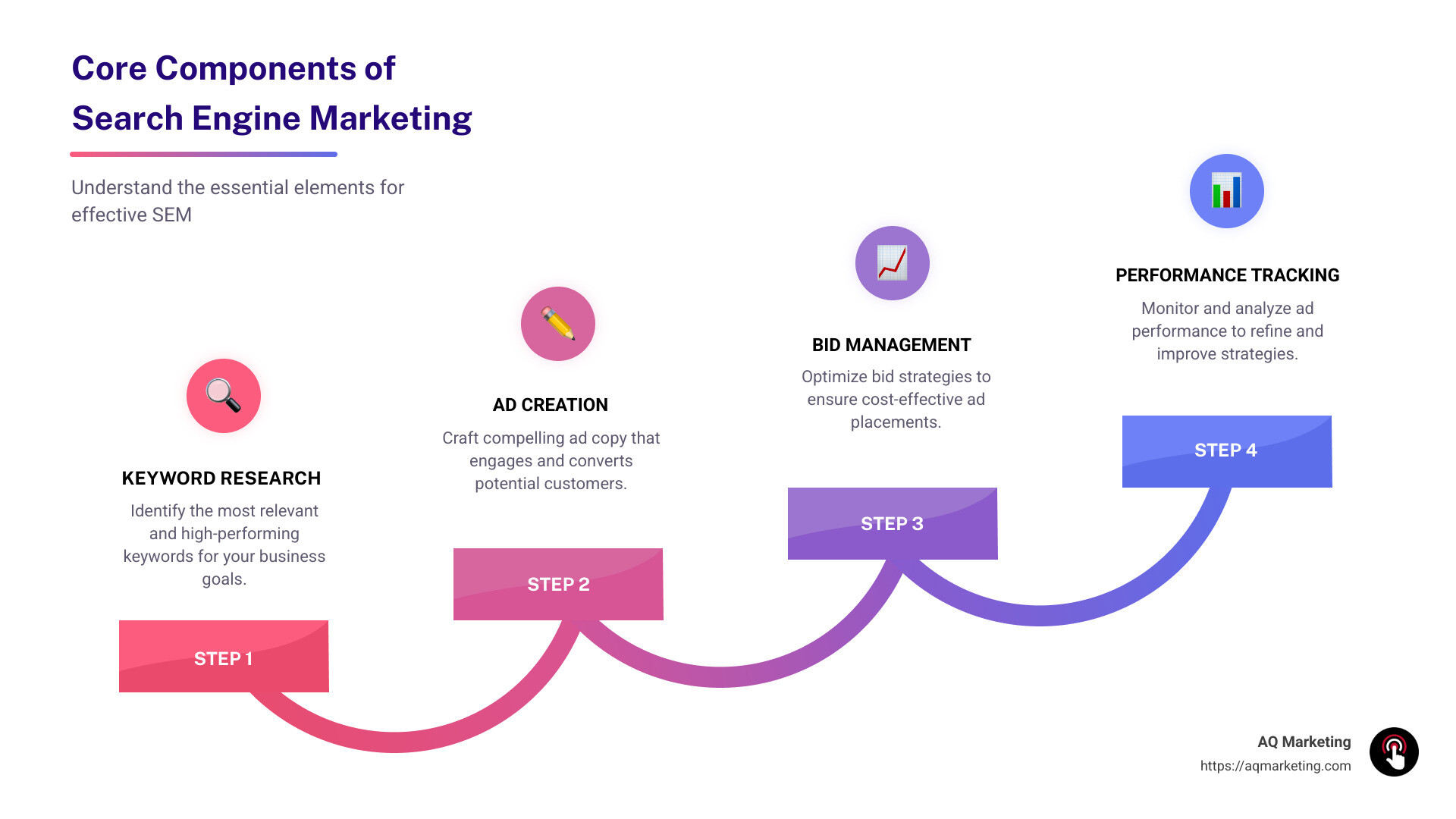
Creating an effective Search Engine Marketing (SEM) strategy involves several key steps. Each step builds on the previous one to maximize your online visibility and return on investment.
Keyword Research
Keyword research is the foundation of any successful SEM campaign. Start by identifying keywords that are relevant to your business and target audience. Use tools like Google’s Keyword Planner or SEMrush to find keywords with a good balance of search volume and competition.
Tip: Aim for keywords in the “sweet spot”—not too competitive, but with enough search volume to drive traffic.
Setting Up PPC Campaigns
Once you have your keywords, it’s time to set up your Pay-Per-Click (PPC) campaigns. Structure your campaigns around themes or products. Each campaign can contain multiple ad groups, which in turn have individual ads.
Organizing your campaigns helps in targeting specific business goals and keeps your efforts efficient. For example, if you’re running a campaign for “running shoes,” you might have ad groups for “men’s running shoes” and “women’s running shoes.”
Ad Copy Creation
Now, focus on creating compelling ad copy. Your ads should have clear and engaging headlines that match the search intent of your keywords. Use the description to highlight your unique selling points.
Don’t forget ad extensions: These can include sitelinks, phone numbers, or user ratings, making your ads more informative and inviting.
Landing Page Optimization
Your ad’s job is to get the click, but your landing page must close the deal. Ensure that your landing pages are relevant to the ad copy and provide a seamless user experience.
Optimize for conversions by having clear calls-to-action (CTAs), fast loading times, and mobile-friendly designs.
Bid Strategy Management
Decide on a bidding strategy that suits your business size and goals. Small businesses might start with manual bidding to gather data, while larger companies can leverage automated bidding for efficiency.
Adjust your bids based on the performance data you collect. Consider factors like device type, location, and time of day to refine your strategy further.
Budget Allocation
Finally, allocate your budget wisely. Focus more on high-performing ads and segments that are likely to convert. For instance, B2B companies might prioritize desktop ads during business hours.
Remember: SEM is not a set-it-and-forget-it tactic. Regularly review and adjust your budget based on performance metrics to ensure you’re getting the best return on your investment.
By following these steps, you can craft a robust SEM strategy that maximizes your online reach and effectiveness.
Next, we’ll look at some examples of SEM networks like Google Ads and Bing Ads.
Examples of SEM Networks
When it comes to Search Engine Marketing (SEM), choosing the right ad network is crucial. Two of the most popular options are Google Ads and Bing Ads. Each offers unique features and benefits, allowing businesses to reach their target audience effectively.
Google Ads
Google Ads, formerly known as Google AdWords, is the largest and most widely used SEM network. It operates on two main networks: the Google Search Network and the Google Display Network.
- Google Search Network: This includes Google’s search-related websites, where your ads can appear above or below organic search results. This prime positioning increases the likelihood of users clicking on your ads.
- Google Display Network: This network includes millions of websites, apps, and videos where your ads can be displayed. It helps in reaching a broader audience and increasing brand awareness.
Why choose Google Ads?
– Massive Reach: Google is the most popular search engine globally, providing access to a vast audience.
– Flexibility: Offers various ad formats, including text, image, and video ads.
– Detailed Analytics: Provides comprehensive data to analyze and optimize your campaigns.
Bing Ads
Bing Ads, now known as Microsoft Advertising, allows you to run ads on both Bing and Yahoo search engines. While its reach is smaller compared to Google, Bing Ads offers a few advantages.
- Lower Cost: Often, the cost per click (CPC) is lower on Bing Ads, making it a cost-effective option for businesses.
- Higher Click-Through Rates (CTR): Some marketers report higher CTRs on Bing, which can mean more traffic for your budget.
Why consider Bing Ads?
– Less Competition: Fewer advertisers mean you might secure better ad positions for competitive keywords.
– Demographic Targeting: Bing users tend to be older and more affluent, which might align with your target audience.
Other Ad Networks
While Google Ads and Bing Ads are the giants in the SEM world, other networks can also be part of your strategy, depending on your goals and audience.
- Yahoo Gemini: Offers native ads, which blend into the content of the page, making them less intrusive.
- Amazon Advertising: Ideal for businesses selling products on Amazon, allowing direct promotion to potential buyers on the platform.
Choosing the right SEM network depends on your specific business needs, target audience, and budget. By understanding the strengths of each platform, you can make informed decisions to boost your SEM success.
Up next, we’ll tackle some frequently asked questions about search engine marketing, including the differences between SEM and SEO.
Frequently Asked Questions about Search Engine Marketing
What is search engine marketing?
Search Engine Marketing (SEM) is a digital marketing strategy used to increase the visibility of a website in search engine results pages (SERPs). It involves both paid advertising and techniques to improve brand visibility. By using a pay-per-click (PPC) model, businesses can place their ads in prominent positions on search engines like Google and Bing. This method ensures that your website gets noticed by potential customers when they search for relevant keywords.
What is SEM vs SEO?
While both SEM and SEO aim to improve a website’s visibility, they take different approaches. SEM involves paid advertising to achieve immediate visibility in search results. This includes keyword bidding, where advertisers compete to have their ads shown for specific search queries. On the other hand, Search Engine Optimization (SEO) focuses on improving a website’s ranking through organic search results. This is achieved by optimizing content, keywords, and site structure to attract traffic without paying for ads.
What is an example of SEM?
Imagine you’re searching for a new laptop. You type “best laptop for students” into Google. The first few results you see are labeled “Ad”—these are examples of paid advertising through SEM. Companies bid on these keywords to have their ads appear at the top of the search results. This strategic ad placement ensures that their products are seen by users actively looking for laptops, increasing the chance of attracting traffic and potential sales.
By understanding these key aspects of search engine marketing, businesses can effectively use SEM to improve their online presence and drive targeted traffic to their websites.
Conclusion
At AQ Marketing, we understand the power of search engine marketing in changing your online presence. Our mission is to deliver impactful results for small to medium-sized businesses, especially in sectors like home services and insurance. Since 2003, we’ve been dedicated to helping businesses in Boston, Woburn, and beyond improve their visibility in the digital landscape.
Why Choose AQ Marketing for SEM?
- Proven Impact: We focus on strategies that deliver long-term results. Our approach ensures that your ads reach the right audience, driving more traffic and increasing conversions.
- Expertise in SEM: Our team is skilled in creating effective SEM strategies that include keyword research, PPC campaigns, and ad copy creation. We optimize every aspect of your SEM campaign to ensure you get the best return on your investment.
- Customized Solutions: We tailor our services to meet the unique needs of your business. Whether you’re targeting local customers in Merrimack Valley or expanding into Southern New Hampshire, we craft SEM strategies that align with your goals.
- Continuous Improvement: We don’t just set up your campaigns and leave them. We continually monitor and adjust your SEM strategy to improve performance and maximize your budget.
By partnering with us, you gain access to a team dedicated to improving your online presence through strategic search engine marketing. Let us help you achieve impactful results and stand out in the crowded digital marketplace.
Ready to boost your online presence? Explore our SEO services to learn how we can help you succeed.
