

How to Market on Social Media: Top 5 Proven Strategies for 2024
How to market on social media begins with understanding its overarching influence and leveraging its continuous growth. Here’s a quick glimpse for immediate insight:
– Define Clear Objectives: Know what you want to achieve (brand awareness, sales, engagement).
– Choose the Right Platforms: Not all platforms will suit your business; choose where your audience is most active.
– Engage Effectively: Interaction is key; respond to comments, create interactive content.
– Measure and Adapt: Use analytics to see what works and refine your strategies accordingly.
Social media’s impact on business growth cannot be overstated. From small local shops to large corporations, the ability to connect directly with customers, showcase products and services, and build brand awareness has transformed how businesses operate and market themselves. As of 2023, nearly 62% of the global population is active on social media platforms, highlighting the massive potential audience for businesses. This growth emphasizes the need for an effective social media strategy that considers the specific characteristics and audience of each platform.
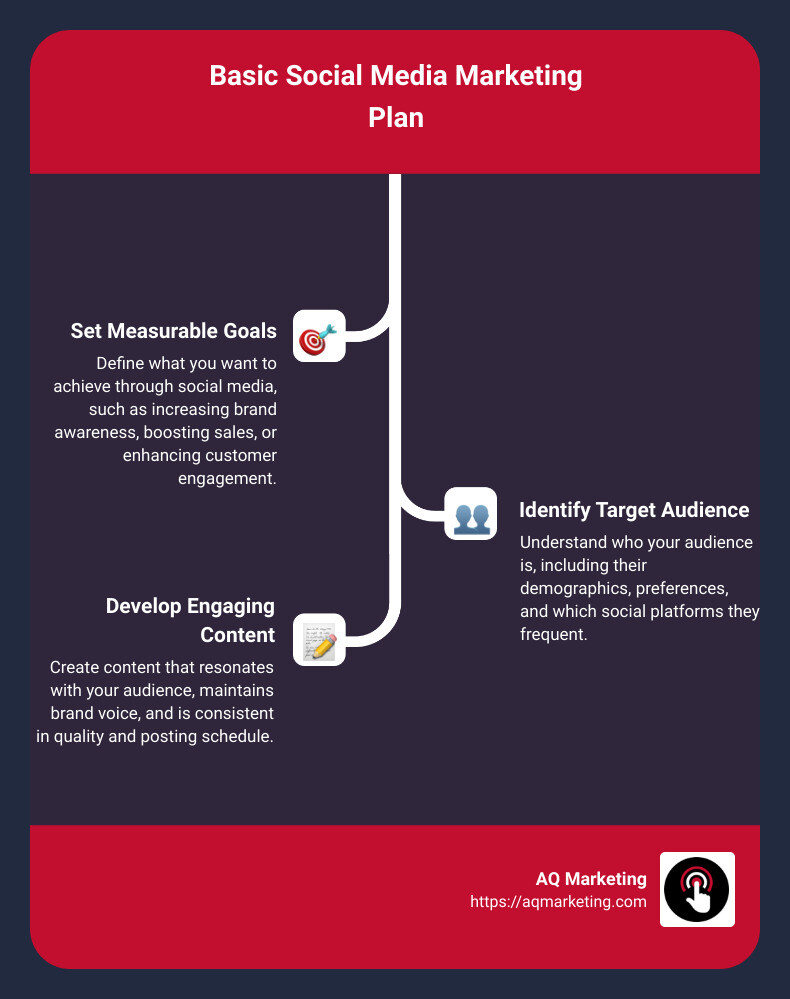
Embarking on your social media marketing journey requires a clear understanding of why these platforms are instrumental for business growth and how to use them effectively to reach and engage your audience. In the upcoming sections, we’ll dive deeper into selecting the best platforms and formulating content strategies that resonate with your target demographic.
How to Market on Social Media: Understanding the Basics
Identifying Your Audience
Knowing who you’re talking to is the first step in how to market on social media. Your audience’s age, location, and interests can dictate which social platform they use and the type of content they interact with. For instance, Instagram is popular among teens and young adults, while platforms like LinkedIn are frequented by professionals seeking business connections or industry insights.
To identify your audience:
– Analyze existing customer data: Look at who is buying your product or service.
– Use social media analytics: Platforms provide demographic data about the people interacting with your content.
– Survey your audience: Directly asking your audience through polls or surveys can provide clear insights.
Choosing the Right Platforms
Not all social media platforms will be right for your business. Choose platforms based on where your target audience spends their time and the nature of your content. For instance:
– Facebook and Instagram are great for visually appealing content and have a broad demographic appeal.
– Twitter excels in real-time communication and content that is timely and newsworthy.
– LinkedIn is ideal for B2B companies looking for professional engagement.
– TikTok offers a platform for more creative and viral content, often favored by younger audiences.
Developing a Content Strategy
Your content strategy should align with your brand voice and the preferences of your target audience. It should include:
– Content Types: Diversify your posts to include images, videos, and live streams.
– Timing and Frequency: Understand the best times to post on each platform to maximize engagement.
– Consistency: Keep your brand voice consistent across all platforms, but tailor the content to fit the platform’s unique style and audience.
Example: A fitness brand might post workout videos on YouTube, share quick exercise tips on Instagram, and discuss health trends on Facebook.
Engagement
Engagement is crucial and goes beyond just posting content. It includes interacting with your audience and encouraging them to interact with your content. Here’s how:
– Respond to comments and messages: Show your audience that you value their input and are willing to engage in conversations.
– Use features like polls and quizzes: These can be great tools to engage your audience and gather more data about their preferences.
– Create shareable content: Encourage your audience to share your posts by creating relatable and engaging content.
By focusing on these areas, you can build a strong foundation for your social media marketing efforts. Each platform has its strengths, and by tailoring your strategy to each platform while maintaining a consistent brand voice, you can engage your audience effectively.
Creating Engaging and Effective Content
Creating content that captures attention and engages your audience is crucial in social media marketing. Here’s how you can make your content both engaging and effective.
Utilizing Visuals and Media
Images and Videos: Visual content is 40X more likely to get shared on social media than other types of content. Use high-quality images and videos that align with your brand message. Visuals should be more than just attractive; they should communicate a part of your story.
GIFs: The movement in GIFs can attract the audience’s attention more effectively than static images. Use GIFs to explain processes, show off new products, or simply add a fun element to your posts.
Live Streams: Live streaming adds a layer of authenticity and immediacy to your interaction with your audience. It’s a powerful tool for product launches, Q&As, or behind-the-scenes glimpses. Live content helps build trust as viewers see the unedited version of your brand.
Leveraging Current Trends and News
Timeliness: Posting content that aligns with current events or trending topics can increase its relevance and urgency. For instance, if your brand is in the fashion industry, commenting on or creating content around Fashion Week can make your posts more relevant.
Relevance: Ensure that the trends you follow relate to your brand and audience. If there’s a new challenge or meme going around, think about how it can fit with your brand before jumping in. This keeps your content consistent and avoids confusing your audience.
Human Interest: Content that tells stories about real people and real experiences can deeply connect with your audience. Share customer stories, employee behind-the-scenes, or community events. These stories not only humanize your brand but also make your content more relatable.
By focusing on these elements, you can create content that not only attracts attention but also keeps your audience coming back for more. The goal is to blend quality, media, and storytelling with current trends to make your social media platforms a dynamic and engaging space for your audience.
Engagement Strategies to Boost Your Social Media Presence
Effective social media marketing is not just about posting content; it’s about creating meaningful interactions that foster community and encourage user participation. Here’s how you can enhance your social media presence through strategic engagement.
Building Relationships Through Engagement
Interactions are the cornerstone of building strong relationships on social media. Engaging with your audience through timely and thoughtful comments can significantly boost your visibility and user loyalty. For instance, responding to a comment with a personalized message shows that you value your followers’ input and encourage further interaction.
Live interactions, such as Facebook Live or Instagram Live sessions, offer a unique opportunity to connect with your audience in real-time. These platforms allow you to answer questions directly, showcase your brand’s personality, and build a deeper connection. A study showed that live videos hold users’ attention 3x longer than pre-recorded videos, making them a powerful tool for engagement.
Encouraging User Participation
Contests and giveaways are incredibly effective for driving engagement and excitement around your brand. By asking participants to share your content, use a specific hashtag, or tag friends, you can exponentially increase your reach and attract new followers. For example, a simple “Tag a friend to win” contest can turn one follower into many potential new connections as they share your contest with others.
User-generated content (UGC) is another powerful strategy. Encourage your followers to share their own photos, videos, or stories using your product or service, and feature their content on your social media pages. This not only provides you with authentic content but also makes your customers feel valued and part of your brand’s community. Brands like GoPro have successfully leveraged UGC, resulting in high engagement rates and brand loyalty.
Polls and quizzes can also be used to engage your audience and gather insights into their preferences and opinions. These tools make your followers feel like they have a voice in your brand, which can increase their engagement and attachment to your brand.
Feedback
Always encourage and value feedback from your community. Whether it’s through comments, direct messages, or dedicated feedback posts, understanding what your audience thinks about your brand is crucial. This feedback can guide your content strategy and help you refine your approach to better meet the needs of your audience.
By implementing these engagement strategies, you can transform your social media platforms into active communities that support sustained business growth. The key to success in social media marketing is consistent engagement and genuine interactions with your audience.
How to Analyze and Adapt Your Social Media Strategy
Analyzing and adapting your social media strategy is crucial to ensure that your efforts in how to market on social media are effective and meet your business goals. This section will guide you through tracking key performance indicators (KPIs) and using analytics to refine your strategies.
Tracking Key Performance Indicators (KPIs)
To understand the impact of your social media activities, track the right metrics. Here are some of the most important KPIs:
- Reach: This measures the number of people who have seen your post. It helps you understand the extent of your message’s spread.
- Impressions: This shows how often your content is displayed, regardless of whether it was clicked or not.
- Engagement Rate: This includes likes, comments, shares, and saves. It’s a vital indicator of how well your audience interacts with your content.
- Growth Rate: This tracks how your followers are increasing over time.
Monitoring these metrics will give you a clear picture of your social media performance and help you gauge the success of your content and campaigns.
Using Analytics to Refine Strategies
Once you have your metrics, the next step is to analyze them to make informed decisions. Here are some strategies to effectively use this data:
- Feedback Loops: Regularly check your analytics to see what type of content performs best. Use this information to tailor your future posts to better meet the preferences of your audience.
- A/B Testing: Experiment with different types of posts, times of posting, and messaging to see what resonates most with your audience. For example, you might test two different post designs to see which generates more engagement.
- Campaign Adjustments: Based on the data collected, you might find that certain strategies are not working as well as others. Don’t be afraid to pivot and tweak your campaigns. For instance, if video content has higher engagement rates, consider increasing video production.
By continuously monitoring and adapting your strategy based on analytics, you can enhance the effectiveness of your social media marketing, ensuring that your efforts contribute positively to your business goals.
The landscape of social media is always changing. Stay updated with the latest trends and platform updates to keep your strategy fresh and relevant. This proactive approach will help you maintain a strong presence on social media, driving growth and engagement in an changing digital world.
Frequently Asked Questions about Social Media Marketing
How do beginners start social media marketing?
Starting social media marketing can feel overwhelming, but breaking it down into manageable steps can simplify the process:
- Define Your Goals: Are you aiming to increase brand awareness, generate sales, or build community? Your goals will shape your strategy.
- Identify Your Audience: Understand who your potential customers are, their age, interests, and which social platforms they frequent.
- Choose the Right Platforms: Not all platforms will be right for your business. Choose based on where your audience spends their time. For example, LinkedIn is great for B2B, while Instagram and TikTok are better for reaching a younger consumer audience.
- Create a Content Calendar: Plan what content you will post and when. This helps maintain consistent posting, which is key to building an audience.
- Engage: Social media is not just about posting content; it’s also about interacting with others. Respond to comments, like posts, and participate in conversations to build a community.
What are the top social media marketing platforms for business?
The top platforms vary by business type and audience but generally include:
- Facebook: Great for a broad demographic and highly versatile in terms of content (videos, live sessions, customer service, etc.).
- Instagram: Ideal for visual content and highly popular with millennials and Gen Z.
- Twitter: Best for timely content, news, and direct interactions with customers.
- LinkedIn: Essential for B2B companies for networking and professional content.
- TikTok: Rapidly growing platform favored by younger audiences for its entertaining and creative video content.
Each platform offers unique tools and audiences, so choosing the right ones is crucial for effective social media marketing.
How can I market on social media with no initial following?
Starting from zero can be challenging, but there are strategies to help grow your following organically:
- Leverage Existing Networks: Share your new social media profiles with your email list, on your website, and through other communication channels.
- Content is King: Create high-quality, engaging content that adds value. Think about what can make your content shareable and engaging.
- Engage with Others: Follow relevant accounts, comment on their posts, and participate in community discussions.
- Use Hashtags: They are a powerful tool for getting your content seen by a broader audience on platforms like Instagram, Twitter, and TikTok.
- Consistency: Regular posting keeps your brand top of mind for your audience. Use scheduling tools to maintain a consistent posting rhythm.
By continuously monitoring and adapting your strategy based on analytics, you can enhance the effectiveness of your social media marketing, ensuring that your efforts contribute positively to your business goals.
The landscape of social media is always changing. Stay updated with the latest trends and platform updates to keep your strategy fresh and relevant. This proactive approach will help you maintain a strong presence on social media, driving growth and engagement in an changing digital world.
Conclusion
As we wrap up our guide on how to market on social media, it’s crucial to emphasize the importance of long-term strategies and continuous learning in achieving sustained success. At AQ Marketing, we understand that social media isn’t just about launching campaigns; it’s about building lasting relationships and continuously adapting to new trends and technologies.
Long-term Strategies
Effective social media marketing requires a long-term perspective. It’s not enough to post sporadically or jump on every new trend without a clear plan. Instead, focus on:
- Consistency: Regularly update your social media profiles with fresh, relevant content to keep your audience engaged.
- Brand Voice Development: Maintain a consistent tone and style that reflects your brand’s personality, making your posts instantly recognizable to your followers.
- Goal Alignment: Ensure that your social media efforts align with your broader business objectives, whether it’s increasing brand awareness, generating leads, or driving sales.
By implementing these strategies, you can create a robust online presence that grows and evolves with your business.
Continuous Learning
The digital landscape is dynamic, with new platforms, features, and user behaviors emerging regularly. To stay ahead, you must:
- Stay Informed: Keep up with the latest social media trends, platform updates, and best practices. This knowledge will help you tweak your strategy to better meet your audience’s needs.
- Analyze and Adapt: Use analytics to track the performance of your campaigns. Look at what’s working and what isn’t, and don’t be afraid to adjust your tactics accordingly.
- Educate Your Team: Ensure that everyone involved in your social media marketing is up-to-date on the latest tools and techniques. This can involve regular training sessions or subscribing to industry publications.
AQ Marketing
At AQ Marketing, we are dedicated to helping businesses like yours navigate the complexities of social media marketing. Our team of experts is equipped to handle every aspect of your social media strategy, from initial planning to ongoing management and optimization.
We believe in the power of partnership and are committed to providing you with the tools and support needed to thrive in the digital world. Whether you’re looking to refine your current strategy or start a new one from scratch, we’re here to help you achieve your marketing goals.
In conclusion, mastering social media marketing is a journey of continuous improvement and adaptation. By focusing on long-term strategies and staying committed to learning, you can ensure that your social media efforts deliver measurable results and contribute to the success of your business.
The team at AQ Marketing is always here to assist you. Let’s work together to create a social media presence that resonates with your audience and amplifies your brand.
