

Reputation Management Software for Doctors and Medical Offices: Top 5 Effective Solutions 2024
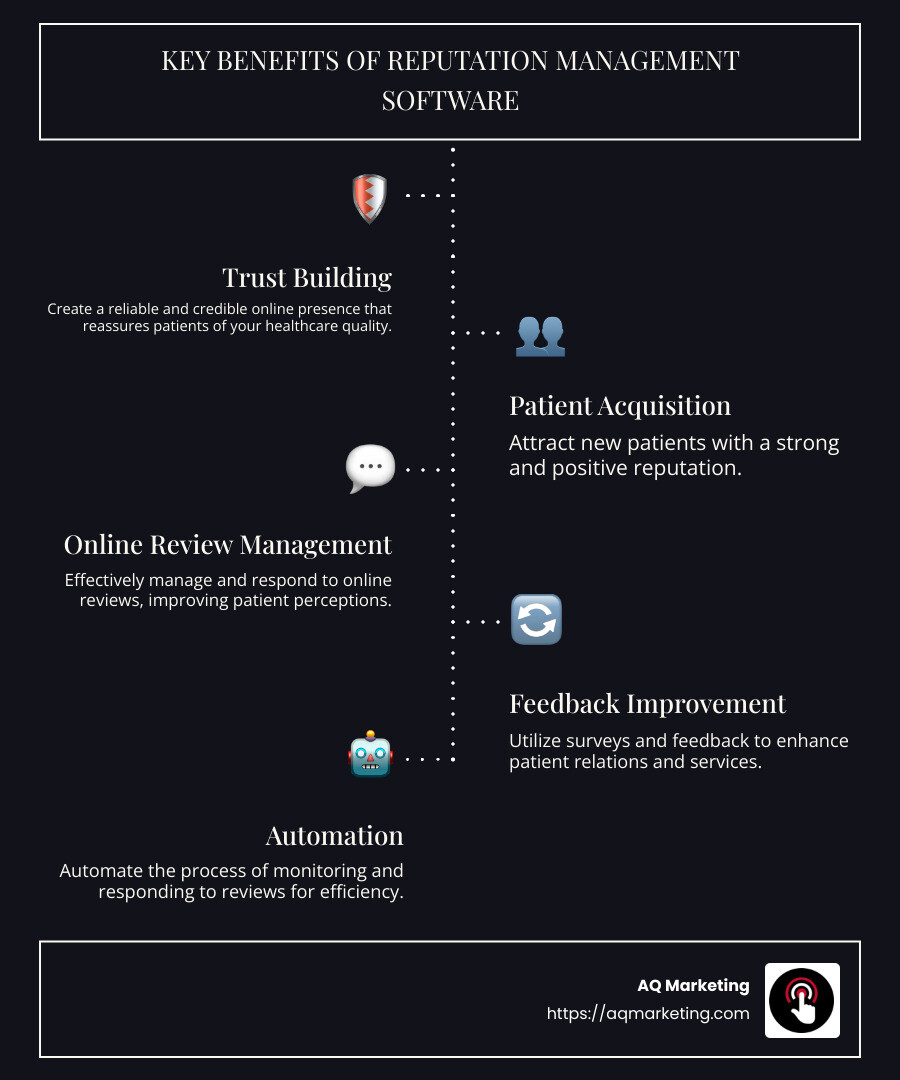
Reputation management software for doctors and medical offices plays a critical role in today’s healthcare industry. The software helps medical professionals manage online reviews, build trust, and improve patient acquisition. Here’s why it matters:
- Importance of Reputation: In healthcare, reputation is everything. Patients often rely on online reviews to choose their doctors, and positive reviews are a cornerstone of credibility and trustworthiness.
- Impact on Patient Acquisition: A solid online reputation attracts new patients. 82% of Americans read online reviews to evaluate doctors, and having a strong, positive presence can significantly influence their decision.
- Trust Building: Trust is crucial in healthcare. A practice with a positive reputation is perceived as reliable, which encourages new patients to walk through the doors.
I’m Robert P. Dickey, President and CEO of AQ Marketing, Inc., with over 20 years of expertise in digital marketing and reputation management software for doctors and medical offices. My diverse experience enables me to empower healthcare providers with the tools necessary to lift their online presence.
Reputation management software for doctors and medical offices basics:
– business reputation management
– reputation management software comparison
– online review management
Understanding Reputation Management Software for Doctors and Medical Offices
Reputation management software for doctors and medical offices is a vital tool that helps healthcare providers manage and improve their online presence. In simple terms, this software enables medical practices to track, manage, and respond to online reviews and patient feedback effectively.
Key Features
- Review Monitoring: The software aggregates reviews from multiple platforms like Google, Yelp, and healthcare-specific sites such as Healthgrades. This provides a comprehensive view of what patients are saying about your practice.
- Automated Review Requests: It automates the process of requesting reviews from patients, which increases the likelihood of receiving positive feedback. This feature is crucial because, as noted, 82% of Americans read online reviews to evaluate doctors.
- Social Media Integration: Some tools allow you to share positive reviews on social media, enhancing your practice’s visibility and credibility.
- Data Insights and Reporting: The software provides detailed reports and insights, helping practices understand patient sentiment and areas for improvement.
Benefits
- Improved Patient Acquisition: A strong online reputation attracts new patients. Positive reviews can significantly influence a potential patient’s decision to choose your practice.
- Improved Patient Trust: Trust is essential in healthcare. A practice with a solid online reputation is viewed as more credible and reliable.
- Efficient Feedback Handling: It allows for quick responses to negative feedback, turning potential detractors into loyal patients. This proactive approach shows commitment to patient satisfaction.
Automation
Automation is a standout feature of reputation management software. It streamlines the process of collecting and managing reviews, freeing up valuable time for medical staff to focus on patient care. Automated alerts for negative reviews ensure that issues are addressed promptly, minimizing potential damage to your practice’s reputation.
By integrating these tools, healthcare providers can maintain a consistent and positive online presence, ultimately leading to increased patient satisfaction and practice growth.
Key Components of Effective Reputation Management
Effective reputation management is crucial for maintaining a positive online presence for medical practices. Let’s break down the key components that make this possible: Monitoring, Responding, Analyzing, and Collecting.
Monitoring
Monitoring is the backbone of reputation management. It involves keeping a close eye on what patients are saying about your practice across various platforms, like Google, Yelp, and healthcare-specific sites such as Healthgrades. This comprehensive view helps you stay informed about patient sentiments and identify areas needing attention.
Consider this fact: 82% of Americans read online reviews to evaluate doctors. Therefore, knowing what’s being said about your practice is essential.
Responding
Responding effectively to reviews, especially negative ones, is critical. A prompt and positive response can turn an unhappy patient into a loyal one. It’s important to apologize for any issues and commit to resolving them without blaming the reviewer. This approach not only addresses the concerns of the current patient but also demonstrates to potential patients that you value feedback and are committed to providing excellent care.
Analyzing
Analyzing patient feedback helps identify trends and areas for improvement. By understanding patient sentiments, medical practices can make data-driven decisions to improve patient care. Reputation management software provides detailed reports and insights, allowing practices to measure satisfaction levels and pinpoint areas needing improvement.
Collecting
Collecting reviews is about encouraging satisfied patients to share their positive experiences online. Automated review requests can increase the likelihood of receiving positive feedback. This proactive approach helps in building a strong online reputation, as positive reviews improve online rankings and attract new patients.

By focusing on these key components, medical practices can effectively manage their online reputation, ensuring they remain the obvious choice for prospective patients. This not only leads to increased patient satisfaction but also drives practice growth.
Strategies for Enhancing Your Medical Practice’s Online Presence
A strong online presence is crucial for medical practices. Here are key strategies to boost your visibility and attract more patients:
SEO (Search Engine Optimization)
SEO is all about getting your practice noticed on search engines like Google. When potential patients search for healthcare providers, you want your practice to appear at the top of the results. This can be achieved by:
- Using relevant keywords: Include terms like “family doctor” or “pediatrician” along with your location on your website. This helps search engines understand what services you offer and where you’re located.
- Optimizing content: Ensure your website content is informative and relevant. Fresh, engaging content can improve your search rankings.
- Building backlinks: Get other reputable sites to link to your content. This boosts your site’s credibility and search engine ranking.
Over 82% of people check online review sites before visiting a doctor. So, good SEO practices can significantly improve your online visibility.
Social Media
Social media platforms like Facebook, Instagram, and LinkedIn are powerful tools for connecting with patients. Here’s how to make the most of them:
- Engage with your audience: Regularly post updates, health tips, and practice news. Respond to comments and messages promptly to build trust and engagement.
- Share testimonials: Positive reviews and patient stories can improve your reputation. Share these on your social media channels to showcase patient satisfaction.
- Run targeted ads: Use social media ads to reach potential patients in your area. You can target specific demographics, ensuring your practice is visible to those who need your services.
Website Optimization
A well-optimized website is crucial for converting visitors into patients. Focus on the following:
- Mobile-friendliness: Ensure your site is easy to steer on mobile devices, as many users will access it this way.
- Fast loading times: A slow website can frustrate visitors. Optimize images and improve server response times to keep your site fast.
- Clear contact information: Make it easy for potential patients to contact you. Include phone numbers, email addresses, and a contact form.
Content Marketing
Content marketing involves creating valuable content to attract and engage your audience. Consider these tactics:
- Educational blogs: Write articles on health topics relevant to your patients. This positions your practice as a knowledgeable and trustworthy source.
- Video content: Create videos that introduce your staff, explain procedures, or offer health tips. Videos are engaging and can help build a connection with potential patients.
- Newsletters: Send regular newsletters with health tips, updates, and promotions. This keeps your practice top-of-mind for patients.
By implementing these strategies, you can improve your medical practice’s online presence and attract more patients. A strong digital strategy not only boosts visibility but also builds trust and credibility in the eyes of potential patients.
How Reputation Management Software Improves Patient Relations
In healthcare, patient satisfaction is key. Reputation management software for doctors and medical offices plays a crucial role in enhancing patient relations. Here’s how:
Survey Management
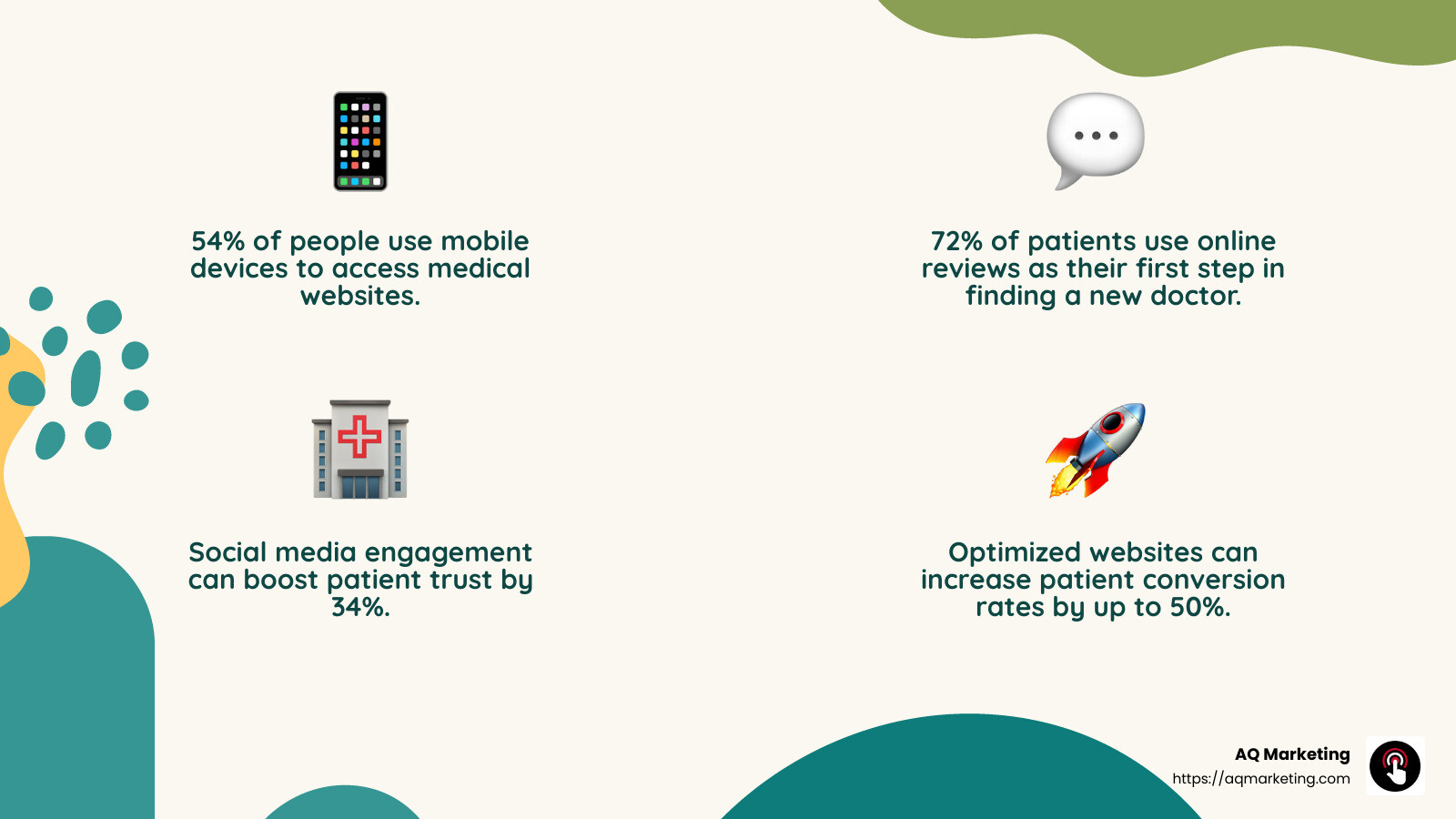
After a patient’s visit, sending out surveys is a great way to gather feedback. This software automates the process, making it easy for practices to collect patient opinions without lifting a finger. Automated emails or texts prompt patients to share their experiences, ensuring you get valuable insights into their visit.
Feedback Loop
Creating an effective feedback loop is essential for continuous improvement. When patients provide feedback, it’s important to acknowledge it and act on it. The software collects and organizes feedback, allowing you to spot trends and make necessary changes. This proactive approach can significantly improve patient satisfaction.
Negative Feedback Handling
Negative reviews can be challenging but also offer opportunities for improvement. Reputation management software helps manage these situations by alerting you to negative feedback quickly. This allows you to respond promptly, showing patients that you care about their concerns. By addressing issues head-on, you can turn a negative experience into a positive one, demonstrating your commitment to patient care.
Positive Review Promotion
Happy patients are your best advocates. Encouraging them to share their positive experiences online can boost your practice’s reputation. The software can help by prompting satisfied patients to leave reviews on platforms like Google. This not only improves your online presence but also builds trust with potential patients who read these glowing testimonials.
By leveraging these features, medical practices can improve patient relations and build a strong, positive reputation. This not only benefits current patients but also attracts new ones, ensuring long-term success.
Frequently Asked Questions about Reputation Management Software for Doctors and Medical Offices
What is Reputation Management Software?
Reputation management software for doctors and medical offices is a tool designed to help healthcare providers monitor, manage, and improve their online reputation. It automates the collection of reviews and feedback from patients across various platforms like Google, Yelp, and Healthgrades. This software helps practices stay informed about what patients are saying, respond to reviews promptly, and showcase positive testimonials effectively.
By centralizing these tasks, the software ensures that medical offices can maintain a positive online presence, which is crucial given that 82% of people check online reviews before choosing a doctor.
How Does Reputation Management Software Benefit Medical Practices?
Reputation management software offers several benefits to medical practices:
- Increased Patient Acquisition: Positive online reviews influence potential patients. A strong online reputation can attract more patients, as 9 out of 10 prospective patients look at reviews before choosing a healthcare provider.
- Improved Trust and Credibility: Regularly updated positive reviews build trust with potential patients, showing that the practice is reliable and patient-focused.
- Efficient Feedback Management: By automating review requests and organizing feedback, practices can quickly identify areas for improvement and improve the patient experience.
- Proactive Response to Negative Feedback: Alerts for negative reviews allow practices to address concerns promptly, turning potential negatives into opportunities for improvement.
What Should You Look for in Reputation Management Software?
When choosing reputation management software for doctors and medical offices, consider these key features:
- Automation: Choose software that automates review requests and feedback collection to save time and ensure consistency.
- Monitoring and Alerts: The software should offer real-time monitoring of reviews across multiple platforms and send alerts for new reviews, especially negative ones.
- Comprehensive Reporting: Look for tools that provide detailed insights and analytics, helping you understand patient sentiment and track improvements over time.
- HIPAA Compliance: Ensure the software is HIPAA-compliant to protect patient information and maintain privacy standards.
- Integration Capabilities: The ability to integrate with existing systems, like your CRM, can streamline processes and improve efficiency.
Selecting the right software can significantly improve your practice’s reputation management efforts, leading to increased patient satisfaction and growth.
Conclusion
Maintaining a positive online reputation is not just a nice-to-have—it’s essential for any medical practice. Reputation management software for doctors and medical offices offers long-term benefits that extend beyond simply attracting new patients. It plays a crucial role in enhancing trust, improving patient relations, and ultimately boosting the overall success of your practice.
Long-Term Benefits
By investing in reputation management software, medical practices can enjoy several long-term advantages:
- Sustained Patient Growth: Positive reviews continue to attract new patients over time, helping to steadily grow your practice.
- Improved Patient Experience: Regular feedback allows you to make informed improvements to your services, enhancing patient satisfaction.
- Resilience Against Negative Reviews: Quick responses to negative feedback can mitigate potential damage and demonstrate your commitment to patient care.
Enhancing Online Presence
A strong online presence is critical for standing out in today’s competitive healthcare landscape. Reputation management software helps ensure your practice is visible and appealing to potential patients:
- Higher Search Rankings: Consistent positive reviews can improve your search engine rankings, making it easier for patients to find you.
- Increased Credibility: A wealth of positive testimonials builds trust and reassures potential patients of your quality care.
AQ Marketing’s Role in Digital Strategy
At AQ Marketing, we understand the vital role that reputation management plays in a comprehensive digital strategy. Our expertise in digital marketing services, including SEO, website design, and social media management, helps small to medium-sized businesses thrive online. We work closely with medical practices to develop custom strategies that leverage reputation management software to its fullest potential.
Our goal is to deliver long-term, impactful results that improve your online presence and support your practice’s growth. If you’re ready to take your online reputation to the next level, contact us today to explore how our solutions can benefit your practice.
In conclusion, embracing reputation management software is a strategic move for any medical office looking to safeguard its online reputation and ensure a bright future.


