
Your Online Reputation Is Already Being Built — The Question Is Whether You’re Guiding It
Reputation management for small businesses is the ongoing process of monitoring, influencing, and improving how your business is perceived online — across review platforms, search results, and social media.
Here’s what it covers at a glance:
| What It Involves | Why It Matters |
|---|---|
| Monitoring reviews on Google, Yelp, Facebook | 97% of consumers read reviews before choosing a local business |
| Responding to positive and negative feedback | Businesses responding to 25%+ of reviews average 35% more revenue |
| Generating a steady stream of new reviews | Top Google local listings average 38 reviews vs. 14 for the lowest |
| Managing your Google Business Profile | Review signals are a top factor in local search rankings |
| Suppressing negative content with positive SEO | One negative article can cost you 22% of potential customers |
| Tracking sentiment and star ratings | A one-star improvement can increase revenue by 5–9% |
In 2026, your online reputation isn’t just a marketing concern — it’s a revenue driver. Before a potential customer calls you, visits your location, or fills out your contact form, they’ve almost certainly already Googled you. They’ve read your reviews. They’ve formed an opinion.
And here’s the uncomfortable truth: happy customers rarely leave reviews on their own, but unhappy ones almost always do. Without an active strategy, your online profile ends up skewed negative by default — not because your business is bad, but because you haven’t built a system to capture the voice of your satisfied customers.
This guide walks you through everything you need to know — from building your first review strategy to handling a reputation crisis — so you can take control of the narrative around your business.
I’m Robert P. Dickey, President and CEO of AQ Marketing, Inc., a digital marketing agency based in Woburn, MA, with over 20 years of experience helping small and medium-sized businesses grow their digital presence. Throughout my career, I’ve helped countless local businesses build stronger customer trust through strategic reputation management for small businesses — and in this guide, I’ll share the same practical frameworks we apply every day.
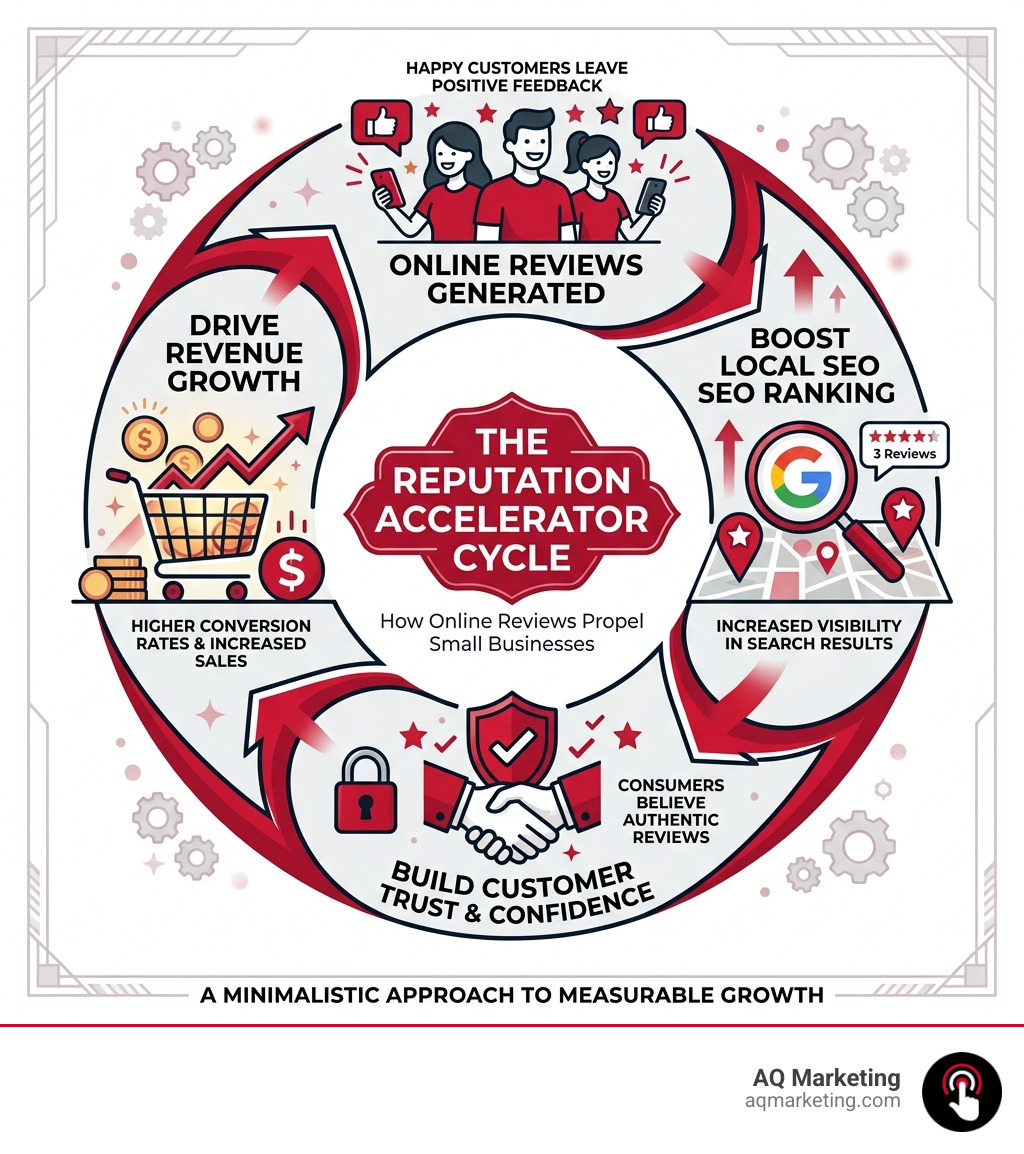
Reputation management for small businesses terminology:
Why Reputation Management for Small Businesses Is Essential in 2026
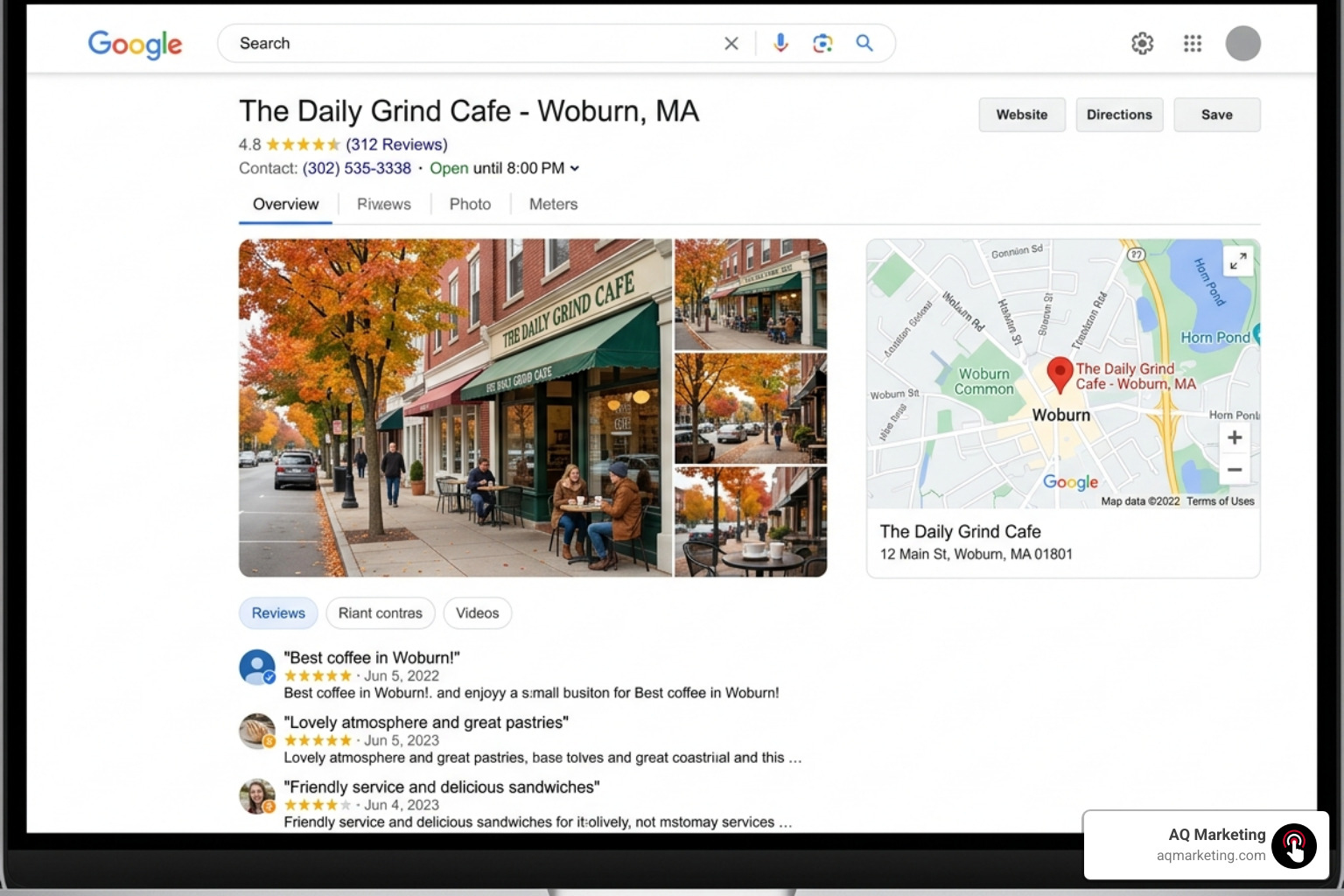
In the current 2026 digital landscape, the way we perceive “word of mouth” has fundamentally shifted. For a local plumber in Burlington or an insurance agency in Woburn, your reputation is no longer just what neighbors say over the fence; it is what a search engine algorithm synthesizes from thousands of data points.
The Power of Social Proof
The statistics are undeniable. Research shows that 97% of consumers read online reviews before choosing a local business. Furthermore, 91% of consumers aged 18 to 34 trust online reviews as much as personal recommendations from friends and family. This level of trust makes your star rating a primary “trust signal” that determines whether a lead converts into a customer.
AI Search and Local SEO
As we move through 2026, AI-driven search engines are changing how information is delivered. Instead of just a list of links, AI now synthesizes review sentiment to answer queries like, “Who is the most reliable electrician in Lexington?” If your reviews frequently mention “punctual” and “fair pricing,” the AI promotes you. If you have a low volume of reviews, you simply don’t exist in these conversational results.
The Importance Of Online Reviews For Businesses extends directly to your bottom line. We have seen that a one-star improvement in your average rating can increase revenue by 5-9%. Conversely, businesses that stay silent and ignore their reviews miss out on a massive opportunity; those that respond to at least 25% of their reviews average 35% more revenue. Proactive Reputation Management is the difference between a stagnant business and a growing one.
Key Components of a Modern Reputation Strategy
An effective strategy for reputation management for small businesses is multi-faceted. It isn’t just about waiting for a review to pop up and then saying “thanks.”
1. Active Review Monitoring
You cannot manage what you do not measure. We recommend setting up a system that alerts you the moment your brand is mentioned. This includes Google Business Profile notifications, Yelp alerts, and social media listening. In 2026, 31% of consumers say they will only use a business rated 4.5 stars or above, so you need to know the second a rating dips.
2. Sentiment Analysis
Modern Online Review Management involves looking for patterns. Are customers consistently complaining about wait times in your Quincy office? Are they praising a specific technician in Framingham? Identifying these trends allows you to make operational changes that prevent negative reviews before they happen.
3. Listings Management
Your reputation is also tied to your accuracy. Inconsistent Name, Address, and Phone (NAP) data across the web erodes trust with both customers and search engines. Ensuring your Google Business Profile is optimized with high-quality photos and current hours is a foundational step in Online Reputation & Review Management – eDriven Marketing.
Mastering Online Reviews and Customer Feedback
Strategies for Generating Positive Reputation Management for Small Businesses Reviews
The biggest hurdle for most small businesses is the “review gap.” Happy customers are often silent. To fix this, you need a systematic approach to Local Business Reviews 6 Ways To Generate More.
- Timing is Everything: Ask for the review when the customer is at their peak level of satisfaction—usually immediately after the service is completed or the product is delivered.
- Reduce Friction: Don’t just ask; provide a direct link. Using QR codes on physical receipts or direct links in SMS messages can double your conversion rate.
- SMS vs. Email: While email is standard, SMS review requests have a 98% open rate and significantly higher completion rates (15-25%) compared to email (3-8%).
- Automation: Integrate your review requests into your CRM or workflow. When a job is marked “complete” in your system, an automated, friendly request should go out. Statistics show that 77% of customers will leave a review if asked directly.
Professional Responses to Negative Feedback
Negative reviews are not setbacks; they are opportunities. A well-handled complaint can actually build more trust than a perfect record because it shows you are accountable.
- The 24-Hour Rule: Aim to respond to negative feedback within 24 hours. This prevents the situation from spiraling and shows the customer (and future readers) that you care.
- Stay Professional: Never get defensive. Use a warm, professional brand voice. Acknowledge the issue, offer a sincere apology, and provide a way to resolve the matter offline.
- Templates for Success: While you should personalize every response, having a framework helps. For example: “Hi [Name], we’re sorry to hear about [Issue]. We strive for excellence and would like to make this right. Please contact us at [Phone/Email] so we can discuss a solution.”
- Consistency: Referencing Reputation Management Quotes Ultimate can help you find the right tone to maintain consistency across all platforms.
Advanced Tactics: SEO, Social Media, and Crisis Recovery
Building a Strong Online Reputation for Small Businesses Through Content
Your reputation isn’t just what others say; it’s also what you put out into the world. Reputation Management Services For Small Business often include a “Positive SEO” component. This means creating high-quality content—like case studies, blog posts, and thought leadership articles—that ranks highly and pushes any negative or outdated search results to the second or third page.
Leveraging social proof is essential. Displaying positive reviews on your website using widgets can increase conversions by up to 270%. If you are a contractor in Newton or a lawyer in Boston, showcasing your successful projects through Boston Online Reputation Management | FireRock Marketing ensures that the first thing people see is your expertise.
Handling Fake Reviews and Reputation Crises
Occasionally, a business may face “review bombing” or malicious fake reviews from competitors. In 2026, the FTC has strict regulations against deceptive review practices, with penalties reaching over $50,000 per instance.
- Reporting: If a review violates platform guidelines (e.g., it’s spam, contains hate speech, or is clearly fake), flag it immediately with documentation.
- Doctors and Medical Offices: Specialized industries have higher stakes. Using Reputation Management Software For Doctors And Medical Offices helps navigate HIPAA-compliant responses while protecting your professional standing.
- Crisis Protocol: If a major PR issue occurs, remain calm. Acknowledge the mistake publicly, explain the steps you are taking to fix it, and avoid deleting comments, which often makes the situation worse.
Tools, Metrics, and Investment Costs
To manage your reputation effectively without it becoming a full-time job, you need the right tools. We often recommend looking at The 10 Best Online Reputation Management Tools For 2024 and updated 2026 versions to find a fit for your budget.
| Tool Type | Best For | Key Features |
|---|---|---|
| Standalone Review Tools | High-volume review generation | SMS requests, automated follow-ups, review widgets |
| Social Listening Software | Brand awareness | Monitoring mentions across Reddit, forums, and news |
| Integrated CRM Solutions | Holistic customer management | Linking reviews to specific customer profiles and history |
When choosing Online Reputation Management Tools Software, prioritize those that offer sentiment analysis and easy reporting. If you are just starting, there are many Affordable Reputation Management Software options that provide essential monitoring for a low monthly fee.
Investment and Pricing
It is important to understand the typical investment required for professional management. Please note: the pricing listed below is based on average online market data and does not represent AQ Marketing’s actual pricing.
The cost of reputation management varies significantly based on the size of your business and the severity of your needs:
- Basic DIY Tools: $100 – $300 per month.
- Mid-Range Managed Services: $500 – $1,500 per month.
- Enterprise/Crisis Management: $5,000 – $15,000+ per month.
Frequently Asked Questions about Small Business Reputation
How long does it take to see results from a reputation strategy?
Most small businesses see a meaningful impact within 3 to 6 months. While you can generate new positive reviews in days, shifting your overall star rating and improving search engine suppression of negative content takes consistent, long-term effort.
Can I remove a legitimate negative review from Google or Yelp?
Generally, no. Platforms like Google and Yelp will not remove a review just because it is negative or you disagree with it. They will only remove reviews that violate their terms of service (e.g., fake reviews, harassment, or conflict of interest). The best strategy is to respond professionally and drown out the negative with a high volume of new, positive reviews.
What is the ideal star rating for conversion in 2026?
Surprisingly, a perfect 5.0 is often viewed with suspicion by modern consumers. Research shows that the “sweet spot” for conversion is between 4.2 and 4.8 stars. This range suggests that your business is excellent but also authentic.
Conclusion
At AQ Marketing, we believe that your reputation is your most valuable asset. Since 2003, we have helped businesses across Massachusetts—from our home base in Woburn to clients in Billerica, Lexington, and beyond—transform their online presence into a growth engine.
Reputation management for small businesses is not a one-time task; it is a commitment to excellence and customer transparency. By implementing the strategies outlined in this guide, you aren’t just managing “reviews”—you are building a brand that customers in our New England communities can trust for years to come.
Ready to take control of your online narrative? More info about our digital marketing services is just a click away. Let us help you build the 5-star reputation your hard work deserves.
Professional Online Presence: Master 2025 Flawlessly
Why Your Professional Online Presence Matters More Than Ever
A professional online presence is your digital footprint—the combination of your website, social media, content, and reputation that shapes professional perceptions. It takes less than 10 seconds to form an impression, and recruiters spend just 7.4 seconds on initial profile screenings.
To build a strong professional online presence:
- Optimize your LinkedIn profile with a professional photo, clear headline, and detailed summary
- Create a personal website or portfolio to serve as your digital headquarters
- Maintain consistent branding across all platforms (same photo, colors, tone)
- Share valuable content that demonstrates your expertise
- Engage actively with your network through meaningful interactions
- Monitor your online reputation and respond professionally to feedback
- Update regularly to keep your presence current and relevant
For businesses and professionals in Boston, Woburn, Middlesex County, Essex County, the Merrimack Valley, and Southern New Hampshire, your digital presence is your first impression. Before anyone calls or visits, they search for you online. What they find—or don’t—directly impacts whether you win a contract, land an interview, or become a trusted local expert.
The stakes are high in competitive local markets. When someone in Woburn needs a contractor or a Boston company seeks insurance, your online presence determines if you’re even considered. It’s about crafting a credible digital identity that builds trust before you ever meet.
Your online presence works 24/7, representing you to employers, clients, and partners. 59% of recruiters will dismiss a candidate for poor grammar or spelling, and HR departments increasingly vet candidates on social media before hiring.
I’m Robert P. Dickey, President and CEO of AQ Marketing. With over 20 years in digital marketing, I’ve helped countless Boston-area businesses build a compelling professional online presence that drives real results. While the landscape has changed, the fundamentals of clarity, consistency, and authenticity remain essential.

Defining Your Digital Brand & Identity

Your professional identity is not just what you do, but how you present it online. It’s a digital version of you or your business—clear, consistent, and authentic. For professionals in Boston, Woburn, and surrounding areas, a strong digital brand helps you stand out and resonate with your target audience.
A strong online brand is crucial for career growth, impacting visibility, credibility, and networking. It lets you shape perceptions and ensure first impressions are positive and accurate. People look you up before they reach out, so your online presence must say the right things.
Clarifying Your Digital Identity and Personal Brand
The first step is to clarify your digital identity. Understand your mission, purpose, and audience. What are your core skills? What makes you unique? This is your Unique Value Proposition (UVP). For a Woburn, MA contractor, a UVP might be a commitment to quality craftsmanship and community involvement. For an insurance agent in Southern New Hampshire, it could be a personalized approach and deep knowledge of regional needs.
Defining your UVP helps you craft a compelling brand message that resonates with your target audience, whether in the Merrimack Valley or Middlesex County. Your brand story should be authentic, offering insights into your professional journey. This clarity is the bedrock of your online persona.
Ensuring Consistency Across All Platforms
Consistency builds trust. A business in Essex County with conflicting logos or messaging across platforms creates confusion. Ensuring consistency is paramount.
Your visual brand is key. Use a high-quality, current headshot, a consistent logo, a defined color scheme, and specific fonts. Your tone of voice and messaging must also be uniform. If your LinkedIn profile is corporate but your X (formerly Twitter) feed is unprofessional, it creates a disconnect. Maintain consistent handles and links to reinforce your brand.
At AQ Marketing, we understand the power of a cohesive brand. Our expertise in brand identity and logo design services can help you craft a memorable and consistent image that truly represents you or your business. Learn more about how we can help you with your visual brand at More info about AQ Marketing’s brand identity & logo design services.
Key Strategies for Building Your Professional Online Presence

With a clear digital identity, it’s time for action. Building a professional online presence means being strategically present. Use the right platforms to showcase your expertise, connect with your audience, and establish authority. Key components include optimized social media, a professional website, and a consistent email signature. Your website should be the central hub, with other platforms leading back to it.
Optimizing Social Media Profiles for Professional Use
Different platforms serve different professional purposes, especially in local markets. Understanding these nuances is key to making social media your ally.
| Platform | Best for Professional Use (Local Markets) | Key Practices |
|---|---|---|
| Professional networking, job seeking, thought leadership, business development in Boston, Woburn, etc. | Optimize your profile with a professional photo, compelling headline, and detailed summary. Join industry groups (e.g., “Boston Tech Professionals”), participate in discussions, and share relevant content to increase visibility and network effectively. | |
| Community engagement, local business promotion, event awareness, connecting with local customer bases in Middlesex County. | Create a professional page for your business, share achievements, engage with local community groups, run targeted ads for local services, and share positive customer stories. | |
| Visual storytelling, showcasing work (especially for creative fields), behind-the-scenes content for businesses in Essex County. | For a Boston-based designer, share portfolio pieces. For a Merrimack Valley restaurant, showcase food and ambiance. Use relevant local hashtags and engage with local businesses and customers. | |
| X (formerly Twitter) | Real-time industry news, engaging with thought leaders, quick insights, monitoring trends in Southern New Hampshire. | Share industry news, engage in relevant discussions, use hashtags to join conversations, and connect with local news outlets or influencers. |
| Visual portfolios, curating industry trends, research skills (e.g., hospitality professionals). | Pin relevant articles and links to show you’re informed. For a local interior designer, create boards of design inspiration or client projects. |
LinkedIn Best Practices: LinkedIn is the champion for professionals. Optimize your profile with a clear, professional photo. Your headline should be a compelling, keyword-rich description of the value you bring. Your summary should tell your professional story, highlighting skills and aspirations. Update your experience with quantified achievements. Actively participating in industry groups improves visibility. Make every second count, as recruiters review profiles quickly.
Facebook for Community Engagement: Facebook is invaluable for local community engagement. A Woburn business, for example, can use a professional page to share news, promote events, and engage with customers. Connecting with local groups builds strong community ties.
Instagram for Visual Storytelling: Instagram is powerful for visual industries or showing a brand’s human side. A Boston designer can showcase a portfolio, or an Essex County bakery can share visuals of their creations. Use it to tell your brand’s story through images and videos.
We can help you steer the complexities of social media to build a powerful professional presence. Optimize your profile with AQ Marketing’s expertise.
Creating a Professional Website or Portfolio
While social media is for engagement, a professional website is the central hub for your professional online presence. It’s your digital storefront, open 24/7, where you have complete control over your narrative. For many professionals, especially in creative fields, a website is essential to showcase talent.
A well-designed website allows you to:
- Centralize Your Brand: Bring all aspects of your professional identity under one roof.
- Showcase Your Work: Display portfolios, case studies, and project highlights.
- Highlight Skills and Education: Elaborate on your expertise beyond a resume.
- Feature Testimonials: Build credibility with reviews from clients or colleagues.
- Control Your Narrative: You dictate every element, ensuring it perfectly reflects you.
For service professionals in Essex or Middlesex County, a website is also crucial for local SEO, helping customers find you. It must be mobile-friendly, fast, and easy to steer.
Building a professional website is an investment in credibility and visibility. At AQ Marketing, we specialize in creating engaging, SEO-friendly websites that serve as powerful tools for your professional brand. Find how our website design and development services can lift your online presence: More info about AQ Marketing’s website design and development services.
Leveraging Content and Engagement to Build Authority
A polished online presence is a great start, but the content you share and the engagement you foster build true authority. Content marketing allows you to share your expertise, answer questions, and become a thought leader. For local businesses, this establishes trust and relevance within the community.
Consistently providing valuable insights helps you build meaningful relationships with your audience. This engagement is a two-way street where you contribute to discussions and listen to feedback, strengthening your position as a knowledgeable expert.
Here’s a list of content ideas for a home services business in Massachusetts or Southern New Hampshire:
- Blog Posts: “5 Common HVAC Issues in Merrimack Valley Homes” or “Choosing the Right Roofing Material for New England Weather.”
- Videos: A “how-to” guide on basic plumbing maintenance, or a time-lapse of a kitchen renovation in Boston.
- Podcasts: Interviews with local real estate agents about home improvement trends in Woburn.
- Case Studies: Detailed accounts of successful projects for clients in Middlesex County.
- Infographics: Visuals like a “Seasonal Home Maintenance Checklist for Southern NH.”
- Before & After Photos: Showcasing changes from projects in Essex County.
- Local Event Participation: Photos from sponsoring a local charity run or community fair.
Using Content Marketing to Showcase Expertise
Content marketing is creating and distributing valuable content to attract your target audience. For your professional online presence, it’s how you demonstrate what you know.
- Blog Posts: Regularly publishing relevant articles establishes your knowledge. An insurance agent in Boston could write about local topics like “Understanding Homeowners Insurance in a Coastal City.”
- Videos and Podcasts: These dynamic formats let you share insights. A local web designer could create video tutorials on “Basic SEO for Small Businesses.”
- Case Studies: These are powerful for showcasing practical expertise by detailing how you solved a client’s problem.
Thought leadership means being recognized as an expert. For local businesses, this means answering customer questions or commenting on local industry trends. Publishing guest articles or speaking at local events, like a Chamber of Commerce meeting in Woburn, improves credibility and authority.
To ensure your content reaches the right people, search engine optimization (SEO) is critical. AQ Marketing specializes in helping businesses get found online. Learn more about how our SEO services can boost your content’s visibility: More info about AQ Marketing’s search engine optimization (SEO) services.
Strategies for Engaging Your Audience and Network
Building authority is a conversation. Active engagement is vital for nurturing relationships and expanding your reach.
- Join Industry Discussions: Participate in relevant online forums and LinkedIn groups. Share insights, ask questions, and offer feedback. A Middlesex County professional could engage in a local business forum on regional trends.
- Respond to Comments: Respond to comments promptly and thoughtfully to show you value their input and encourage interaction.
- Ask Questions: Prompt your audience for their opinions to spark conversation and gain valuable insights.
- Participate in Local Online Groups: Join local Facebook groups or forums where your audience congregates. Contribute valuable information and engage respectfully.
- Network with Peers: Engage with content from other professionals in your area. Share their insights and seek collaboration to open doors to new opportunities in the Merrimack Valley and Southern New Hampshire.
Managing, Monitoring, and Adapting Your Presence
Your professional online presence is not a “set it and forget it” task. It requires ongoing management, monitoring, and adaptation to ensure your online image remains accurate, positive, and relevant.
Managing Your Online Reputation and Privacy
Online Reputation Management (ORM) is about actively overseeing the perception of you or your business online.
- Google Alerts: Set up Google Alerts for your name and business. This free tool notifies you of new mentions, allowing you to address issues or leverage positive press.
- Responding to Negative Feedback Professionally: You will likely encounter negative feedback. How you handle it is crucial. Respond calmly, address the issue, and offer a solution, taking the conversation offline if needed. A constructive response can turn a negative into a positive impression.
- Showcasing Positive Reviews: Highlight positive testimonials on your website and social media. This social proof builds trust with potential clients in Boston and new connections in Essex County.
- Protecting Personal Information: Be mindful of privacy settings on all platforms. Periodically Google yourself to see what an outsider sees. Ensure you haven’t posted anything detrimental to your career, especially when job hunting, as employers will check your social media. More info about AQ Marketing’s online reputation management services.
Using Analytics to Track and Improve Your Presence
Managing your online presence without data is like driving without a dashboard. Analytics provide key insights into what’s working and where to improve.
- Google Analytics for Websites: Use Google Analytics to track website visitors, behavior, and traffic sources. This data shows which content resonates most and where your audience is from (e.g., local searches in Woburn).
- Social Media Metrics: Track engagement metrics like likes, shares, and comments on each platform to understand audience preferences and optimal content types.
- Making Data-Driven Adjustments: Use these insights to refine your strategy. If videos get more engagement, create more videos. If blog posts on local topics are popular in Southern New Hampshire, focus your content there.
Common Mistakes to Avoid with Your Professional Online Presence
Avoiding common pitfalls is as important as following best practices.
- Inconsistent Messaging: A lack of uniform branding across platforms confuses your audience and undermines credibility.
- Poor Grammar and Spelling: 59% of recruiters will dismiss a candidate for these mistakes. Proofread everything.
- Neglecting Profiles: Outdated profiles look unprofessional. Regularly update them with your current skills and achievements.
- Oversharing Personal Details: Be authentic, but don’t overshare. Keep sensitive personal opinions and excessive personal details off professional platforms.
- Arguing Online: Public arguments on social media can damage your reputation. It’s often best to ignore disagreeable content or respond with a calm, professional tone.
- Ignoring Feedback: Audience feedback is a gift. Ignoring it, especially negative comments, makes you seem unresponsive. Listening and acting on suggestions builds trust.
Frequently Asked Questions about Professional Online Presence
How often should I update my online profiles?
Regular updates are key to a relevant professional online presence. Review core profiles (like LinkedIn and your website) at least quarterly to keep information current. On active social media, post new content weekly or bi-weekly. Update immediately after a job change or major accomplishment. Active, updated profiles are favored by algorithms, increasing your visibility.
Is a personal website really necessary for a professional?
While not mandatory for everyone, a personal website is a powerful asset offering total control over your professional online presence. It’s highly recommended for service professionals in competitive areas like Boston and the Merrimack Valley. A website acts as a central hub for your portfolio, testimonials, and content, allowing you to tell your story without the limits of third-party platforms. It’s your digital home base to showcase your talent.
How do I handle negative comments or reviews online?
How you handle negative feedback on your professional online presence can significantly impact your reputation. Address comments promptly and professionally. Never argue publicly or respond emotionally. Acknowledge the feedback, express regret, and offer to resolve the issue offline. For example: “We’re sorry to hear about your experience. Please contact us directly so we can address this.” A calm, constructive response demonstrates professionalism and can improve your reputation.
Conclusion
The journey to crafting a compelling professional online presence is an ongoing one, but the rewards are immense. We’ve explored how defining your digital brand, optimizing your online platforms, leveraging valuable content, and diligently managing your reputation are all critical steps. This isn’t just about looking good online; it’s about building trust, establishing credibility, and creating tangible opportunities for career growth and business development.
The digital world has become your new storefront, your 24/7 networking event, and your primary stage for thought leadership. For small businesses in Boston, Woburn, Middlesex County, Essex County, the Merrimack Valley, and Southern New Hampshire, a polished digital footprint is no longer a luxury—it’s essential for attracting local customers, standing out in a crowded market, and demonstrating your expertise.
At AQ Marketing, we specialize in helping local businesses like yours steer this complex digital landscape. Our team has been delivering impactful results since 2003, ensuring your professional online presence is not just visible, but truly impactful. Whether it’s through expert SEO, stunning website design, or strategic social media management, we’re here to help you build an online presence that works as hard as you do.
Ready to lift your digital footprint and open up new opportunities? More info about our digital marketing services.
Online Reputation Management Pricing: Essential 2025
Why Understanding Online Reputation Management Pricing Matters for Your Business
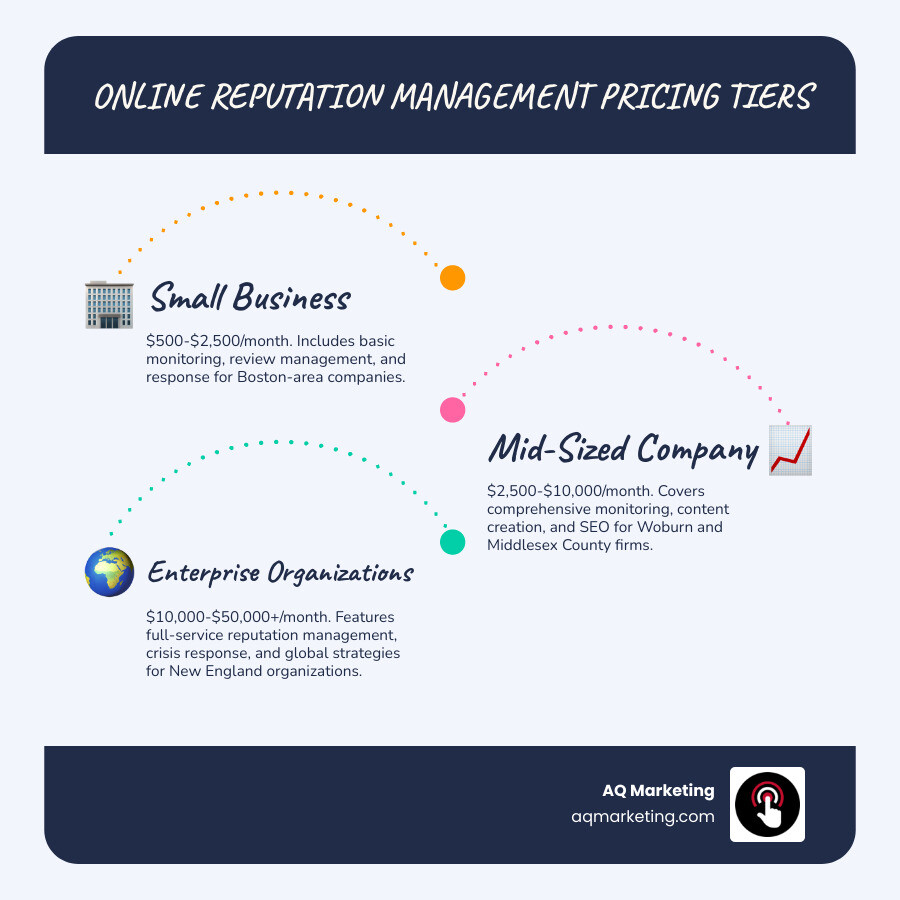
Online Reputation Management Pricing varies based on your needs. Most small businesses in the Boston area invest between $500 and $2,500 per month, while mid-sized companies typically spend $2,500 to $10,000 monthly. Here’s a quick look:
- Small Businesses (1-10 locations): $500-$2,500/month for basic monitoring and review management.
- Mid-Sized Companies (10-50 locations): $2,500-$10,000/month for comprehensive monitoring, content creation, and SEO.
- Enterprise Organizations (50+ locations): $10,000-$50,000+/month for full-service reputation management and crisis response.
- One-Time Services: Content removal ($500-$10,000), setup fees ($1,000-$5,000), or crisis intervention ($3,000-$15,000).
Your online reputation is critical for survival. With 92% of consumers checking online reviews before buying, a single negative result on Google’s first page can have a significant impact on your revenue. According to research from BrightLocal, 87% of consumers read online reviews for local businesses, making reputation management essential for companies in Woburn, Boston, and throughout Middlesex and Essex Counties, where local competition is fierce. Your digital reputation directly impacts your bottom line.
Costs depend on factors like business size, industry, the severity of existing issues, and whether you need ongoing monitoring or crisis intervention. A home services contractor in Merrimack Valley faces different challenges than a medical office in Essex County or a financial firm in downtown Boston.
I’m Robert P. Dickey, President and CEO of AQ Marketing in Woburn, MA. For over 20 years, I’ve helped businesses in the Boston area and Southern New Hampshire steer Online Reputation Management Pricing. Understanding what you’ll pay—and why—is the first step toward protecting your brand.
A Breakdown of Online Reputation Management Pricing Models
When exploring Online Reputation Management Pricing, you’ll find it’s not a one-size-fits-all service. The cost depends on the scope, complexity, and duration of the work, much like a home renovation in Woburn or Boston.
Most agencies use three main payment structures:
- Monthly Retainers: This is the most common model. You pay a recurring fee for ongoing services like continuous monitoring, proactive content creation, and rapid issue response. It’s like having a dedicated team protecting your brand 24/7.
- Project-Based Fees: For specific, one-time situations, agencies charge a flat fee. This is ideal for addressing a particular negative review hurting your Middlesex County restaurant or handling a reputation crisis for your Southern New Hampshire business. The project has a clear start and end.
- One-Time Fees: These include setup and onboarding costs, typically ranging from $1,000 to $5,000+. This initial investment covers a deep dive into your current reputation, developing a custom strategy, and setting up necessary tools.
Understanding these structures helps you budget effectively. Our guide on What Is Online Reputation Management Services? breaks down what these services include.
Here’s how typical Online Reputation Management Pricing tiers look for Boston-area businesses:
| Pricing Tier | Included Services (Examples) | Average Monthly Costs (USD) | Ideal For (Boston Area Businesses) |
|---|---|---|---|
| Basic | Monitoring, Review Management, Basic Social Media Listening | $500 – $2,500 | Small shops in Woburn, local restaurants in Merrimack Valley, startups |
| Advanced | Content Creation, SEO, Influencer Outreach, Proactive PR, Reputation Repair | $2,500 – $10,000 | Mid-sized professional services in Boston, growing contractors in Middlesex County |
| Custom/Enterprise | Crisis Management, Legal Support, Global Strategies, Executive ORM | $10,000 – $50,000+ | Large corporations in Boston, multi-location healthcare in New England |
Average Online Reputation Management Pricing for Boston and New England Businesses
Online Reputation Management Pricing varies by business size and goals. In New England, we see clear patterns:
- Small businesses, like a boutique in Newburyport or a plumber in Southern New Hampshire, typically invest $500 to $2,500 per month. This covers essentials like monitoring online mentions and managing reviews on Google and Yelp.
- Mid-sized companies, such as a regional insurance agency in Woburn or a tech firm in Cambridge, usually spend $2,500 to $10,000 monthly. This includes content creation, SEO to push down negative results, and proactive PR.
- Enterprise organizations with extensive operations may spend $10,000 to $50,000+ per month for 24/7 crisis management, media outreach, and managing reputations across multiple brands.
Local factors, like the intense review scrutiny for a restaurant in Boston’s North End, influence these costs. Our expertise in Business Reputation Management means we tailor our approach to your specific market.
Common Pricing Structures: Retainers vs. Projects
Understanding how you’ll be billed is crucial. You’ll mainly encounter two structures for Online Reputation Management Pricing.

Monthly retainers are for long-term brand protection. You pay a fixed amount for continuous services like monitoring, content creation, and SEO. This structure is ideal for ongoing maintenance and implementing a long-term strategy, providing predictable budgeting.
Project-based fees are for specific, finite tasks. This is perfect for crisis intervention, like suppressing a damaging news article, or for short-term goals with a clear finish line. Projects can range from $1,000 to $50,000 depending on complexity. A project handles the immediate fire, while a retainer builds a fire-resistant structure. For more insights, see How Much Do Reputation Management Services Cost?.
Key Factors That Determine Your Reputation Management Costs
Online Reputation Management Pricing isn’t a single number; it’s shaped by your unique situation. The cost depends on several interconnected factors.
- Scope of Services: Are you looking for simple review monitoring or a comprehensive strategy with content creation, SEO, and crisis management? Each service adds to the investment.
- Business Size: A family-owned bakery in Merrimack Valley has different needs and a different budget than a regional healthcare network.
- Issue Complexity: Managing a few lukewarm reviews is straightforward. A viral social media crisis or multiple negative news articles requires far more resources and expertise.
- Industry Needs: High-stakes industries like healthcare or finance face more intense reputation challenges.
- Geographic Focus: Managing a reputation across Boston requires local knowledge, which differs from a national or international strategy.

How Business Size and Industry Affect the Price
Your business size and industry are foundational to your Online Reputation Management Pricing.
- Small businesses in Southern New Hampshire and Merrimack Valley ($500-$2,500 monthly) need to manage their Google Business Profile, respond to Yelp reviews, and monitor local social media.
- Home services contractors in Middlesex County ($1,500-$5,000 monthly) depend on platforms like HomeAdvisor and Angi. Their investment focuses on generating positive reviews and managing feedback on these crucial channels.
- Medical offices in Essex County ($2,000-$7,000 monthly) operate in a sensitive, HIPAA-compliant environment where patient reviews on Healthgrades and Zocdoc are critical. We offer specialized Reputation Management Software for Doctors and Medical Offices for this reason.
- Financial services firms in Boston ($5,000-$20,000+ monthly) require executive reputation management, proactive content strategies, and robust crisis communication plans due to the high stakes involved.
Higher risk industries like healthcare, finance, and legal services naturally have higher costs, typically ranging from $2,000 to $15,000 per month.
The Impact of Service Scope and Issue Complexity
The services you need and the severity of your challenges directly shape your Online Reputation Management Pricing.
- Reputation Monitoring: Basic tracking of brand mentions can be under $500 monthly, while comprehensive solutions with sentiment analysis can cost several thousand.
- Content Creation: Crafting blog posts, articles, and press releases to build a positive narrative can range from $2,000 to $10,000 monthly.
- SEO: Ensuring positive content ranks high to push down negative results is a key part of ORM. This service typically ranges from $1,000 to $20,000+ monthly, depending on market competition.
- Review Generation: Actively encouraging satisfied customers to leave reviews can start around $499 monthly for essential management.
- Crisis Management: This intensive service involves rapid response to threats like viral complaints or negative news. It can start at $3,000 for contained incidents and exceed $15,000 monthly for complex situations.
The volume and authority of negative content also matter. A complaint on a small blog is easier to handle than a critical article in a major newspaper. Suppressing negative content from high-authority sources requires a significant, sustained effort and a larger investment.
Comparing Costs: Full-Service Agency, Software Tools, and Specific Goals
Navigating Online Reputation Management Pricing involves choosing the right mix of tools and partners. At AQ Marketing, we believe the most effective approach combines agency expertise with software efficiency. For businesses across Boston, Woburn, and New England, this strategic combination delivers the best results. Our Reputation Management Software Comparison can help you explore options.
Your business goals should drive your investment. A restaurant facing a crisis needs a different approach than a home services company looking to generate more reviews. Understanding the cost of each approach helps you make smarter decisions.
Full-Service Agency vs. Software Tools as a Supplement

The best strategy combines human expertise with technology. Working with a full-service agency like AQ Marketing provides strategic thinking backed by local market knowledge. We understand the competitive dynamics in Middlesex County and what it takes to stand out in Boston.
The benefits of an agency include:
- Expert Strategy: Custom plans built for your business, not from a template.
- Time Savings: We handle the monitoring, responding, and content creation so you can run your business.
- Customization: We create content that resonates with New England audiences and manage reviews with your brand voice.
- Cost-Effectiveness: Preventing a crisis is far cheaper than recovering from one. The revenue gained from an improved reputation often exceeds the investment.
Software tools serve as powerful supplements, excelling at automation for tasks like sending review requests and tracking mentions. These tools are scalable and accessible, with many options available for under $100 to several hundred dollars per month.
For most businesses in our region, a hybrid approach delivers the best results. We recommend using software for daily monitoring and automated tasks, while relying on our team for strategic planning, content creation, SEO, and crisis management.
Specific Service Costs and Their Impact on Online Reputation Management Pricing
Understanding individual service costs helps you prioritize your budget.
- Content Suppression: This involves creating positive content to push down negative search results. The cost of pushing down a search result typically runs $4,000 to $15,000 per month, often requiring several months of sustained effort.
- Content Removal: Getting damaging content deleted is the ideal solution. Removing a single item can cost $500 to $5,000. Guaranteed removal from high-authority sites starts around $5,000 per page and can exceed $10,000, with legal fees adding to the cost if necessary.
- Review Management: This is critical for local businesses in Boston and Southern New Hampshire. Basic review management typically costs $200 to $999 per month. This investment in Online Review Management directly impacts your bottom line.
- Crisis Management Pricing: Reflecting the urgency required, crisis campaigns generally start at $3,000 for one-off issues and can escalate to $15,000+ per month for complex threats.
- Proactive Maintenance: This is your insurance policy against future problems. Often included in monthly retainers, basic maintenance can range from $500 to $1,000 per month.
Understanding the ROI of Your Reputation Management Investment
Think of Online Reputation Management Pricing as an investment in your business’s growth, not just an expense. The money you put into managing your online reputation directly feeds your long-term viability.
The cost of doing nothing is almost always higher than the investment in ORM. A few negative reviews can deter 22% of potential customers. For a local contractor in Middlesex County or a shop in Essex County, losing that business can be devastating.
On the other hand, a strong online reputation builds trust and drives sales. We know 92% of consumers check online reviews before making a purchase. When you actively manage your reputation, you’re not just fixing problems—you’re attracting more leads, converting more customers, and building loyalty. Since 79% of people trust online reviews as much as personal recommendations, your online presence is your most powerful salesperson.
We track results carefully for our clients throughout Boston, Woburn, and Southern New Hampshire, ensuring you see the tangible returns on your investment. For a deeper look at the value you receive, explore the Benefits of Online Reputation Management Services.
How Long Does It Take to See Results?
One of the most common questions we hear is, “How quickly will I see results?” The honest answer is that it depends on your starting point and goals, but here is a realistic timeline:
- Initial Improvements (1-3 Months): You’ll notice an increase in positive reviews and gain peace of mind from professional monitoring. For a restaurant in Salem, this means seeing more positive Google Reviews and having a system to respond to all feedback.
- Substantial Results (3-6 Months): This is when you’ll see meaningful changes, like negative content being pushed off the first page of search results. Effective ORM relies on content and SEO, which take time to be indexed by search engines.
- Crisis Recovery (6-12+ Months): For major crises or deeply entrenched negative content, full recovery can take a year or more. This requires sustained effort, which is why many agencies recommend minimum 6-12 month contracts to achieve lasting results.
Reputation management is a marathon, not a sprint. The businesses that commit to the process see results that are worth the wait.
Calculating the ROI for Your Business

Calculating the ROI for Online Reputation Management Pricing can be straightforward. Start by considering the revenue you’re currently losing due to a poor online reputation. If 22% of potential customers are walking away, you can quickly calculate the cost.
Then, consider the increased Customer Lifetime Value (CLV) that comes from trust. Loyal customers return, refer others, and leave positive reviews that attract more business.
Improved search rankings also translate directly to more visibility and sales. Online reviews make up 15% of Google’s Local Pack ranking factors, so better reviews boost your visibility in local searches across Southern New Hampshire and Middlesex County.
Finally, there’s the value of brand equity. A strong reputation makes your business more resilient and gives you a competitive advantage. It’s no surprise that 100% of businesses surveyed report satisfaction with their reputation management ROI. When you invest in ORM, you’re building a more robust, trustworthy, and profitable business.
Frequently Asked Questions about ORM Pricing
Since 2003, we’ve helped businesses across New England manage their online reputations. Here are the most common questions we hear about Online Reputation Management Pricing from local business owners in Woburn, Middlesex County, and beyond.
What is the average monthly cost for reputation management?
There’s no single answer, as the cost depends on your business size, industry, and goals. However, we can provide some solid ranges.
The median cost is around $830 per month, but this is the middle of a wide spectrum.
- Small businesses in Merrimack Valley or Southern New Hampshire typically invest $500-$2,500 per month for essential monitoring and review management.
- Mid-sized companies across Boston or Middlesex County generally spend $2,500-$10,000 per month for more sophisticated services like content creation and SEO.
- Enterprise organizations with complex needs often invest $10,000-$50,000+ per month for full-service reputation management, including crisis response and executive ORM.
The right investment depends on where you are and where you want to go. For more details, see our guide on How Much Do Reputation Management Services Cost?
How much does it cost to remove a single negative item?
This is a common question, but the answer is complex. It’s important to distinguish between removal (the content is deleted) and suppression (the content is pushed down in search results).
For guaranteed removal, costs can range from $500 to $5,000 for a single item. If the content is on a high-authority page like a major news site, the cost can start at $5,000 and exceed $10,000. Suppression campaigns can run $4,000 to $15,000 per month over several months.
Legal fees may be necessary for defamatory content or copyright violations, adding $1,000 to $15,000+ to your costs. The authority of the source matters tremendously; removing a comment from a small blog is much cheaper and easier than removing a critical article from a major publication.
Is reputation management a one-time fix or an ongoing expense?
For the vast majority of businesses in Boston, Woburn, and New England, Online Reputation Management is an ongoing investment, not a one-time fix.
Your online presence is always active. The most effective approach is proactive rather than reactive. While we can help clean up a crisis, the real value comes from continuously monitoring your presence, creating positive content, and managing reviews before small issues become big problems.
Ongoing maintenance is essential because new content appears online every second. This allows us to respond quickly and adjust strategies as needed. Building a positive presence takes time and consistent effort. Our approach to Brand Reputation Management emphasizes this long-term cultivation to create a resilient online presence. Think of it like maintaining your business property—it requires regular attention to stay in top shape.
Conclusion: Taking Control of Your Brand’s Narrative in New England
Your online reputation is the foundation of trust that determines whether customers in Boston, Woburn, or Southern New Hampshire choose you or a competitor. Understanding Online Reputation Management Pricing is the first step toward protecting the business you’ve worked so hard to build.
As we’ve covered, pricing varies based on your business size, industry, and goals. Whether you need $500 per month for basic monitoring or $10,000+ for comprehensive crisis management, the key is finding the right fit.
After two decades serving the New England market, I’ve learned that viewing ORM as an expense misses the point. The cost of inaction—losing customers to negative reviews—far outweighs any monthly retainer. When 100% of businesses report satisfaction with their reputation management ROI, it reflects real businesses seeing tangible results.
At AQ Marketing, we understand the unique landscape of doing business in New England. We know the competitive pressures in Middlesex County and the importance of local reviews for contractors in Merrimack Valley. We don’t just manage your reputation; we help you build a resilient brand that can thrive for years to come.
Your brand’s narrative is too important to leave to chance. It’s time to take an active role in shaping how your business is perceived online. With a proactive strategy and the right partner, you can turn your online presence into your strongest competitive advantage.
Take control of your online presence with a custom reputation management plan designed for your business and goals. Let’s build something remarkable together.
Reputation management quotes: 2025 Powerful Insights
Why Reputation Management Quotes Matter for Your Business
Reputation management quotes offer powerful wisdom that can shape how you think about your business’s most valuable asset. For any local business, from a plumber in Woburn to an insurance agent in Middlesex County, these quotes distill decades of experience into memorable insights.
Here are some of the most powerful reputation management quotes you’ll find in this collection:
- “It takes 20 years to build a reputation and five minutes to ruin it.” 4 Warren Buffett
- “Your brand is what people say about you when you’re not in the room.” 4 Jeff Bezos
- “A good reputation is more valuable than money.” 4 Publilius Syrus
- “Character is like a tree and reputation like its shadow. The shadow is what we think of it; the tree is the real thing.” 4 Abraham Lincoln
- “It takes many good deeds to build a good reputation, and only one bad one to lose it.” 4 Benjamin Franklin
Your reputation is what your customers say about you to their neighbors or in online reviews. For local businesses in the Boston area, this matters more than ever. 92% of people trust businesses with great star ratings, and each additional star can increase revenue by up to 9%.
The challenge? Building a reputation takes years of consistent, authentic service, but as these quotes highlight, it can be damaged in moments. One negative review or social media misstep can undermine years of hard work.
That’s why understanding the wisdom in these reputation management quotes is so critical. They remind us that reputation is built through action and character, not just marketing. The digital age has amplified everything. A dissatisfied customer can now reach thousands online, but a delighted customer can become your most powerful marketing asset.
As Robert P. Dickey, President and CEO of AQ Marketing, I’ve seen how these quotes inspire business owners across Woburn, Middlesex County, and Southern New Hampshire to protect and improve their good name. The wisdom in these reputation management quotes isn’t just inspirational4it’s practical guidance for a successful business strategy. For broader context and definitions that complement our local insights for Boston, Woburn, the Merrimack Valley, Essex County, and Southern New Hampshire, see Reputation and Online reputation management.
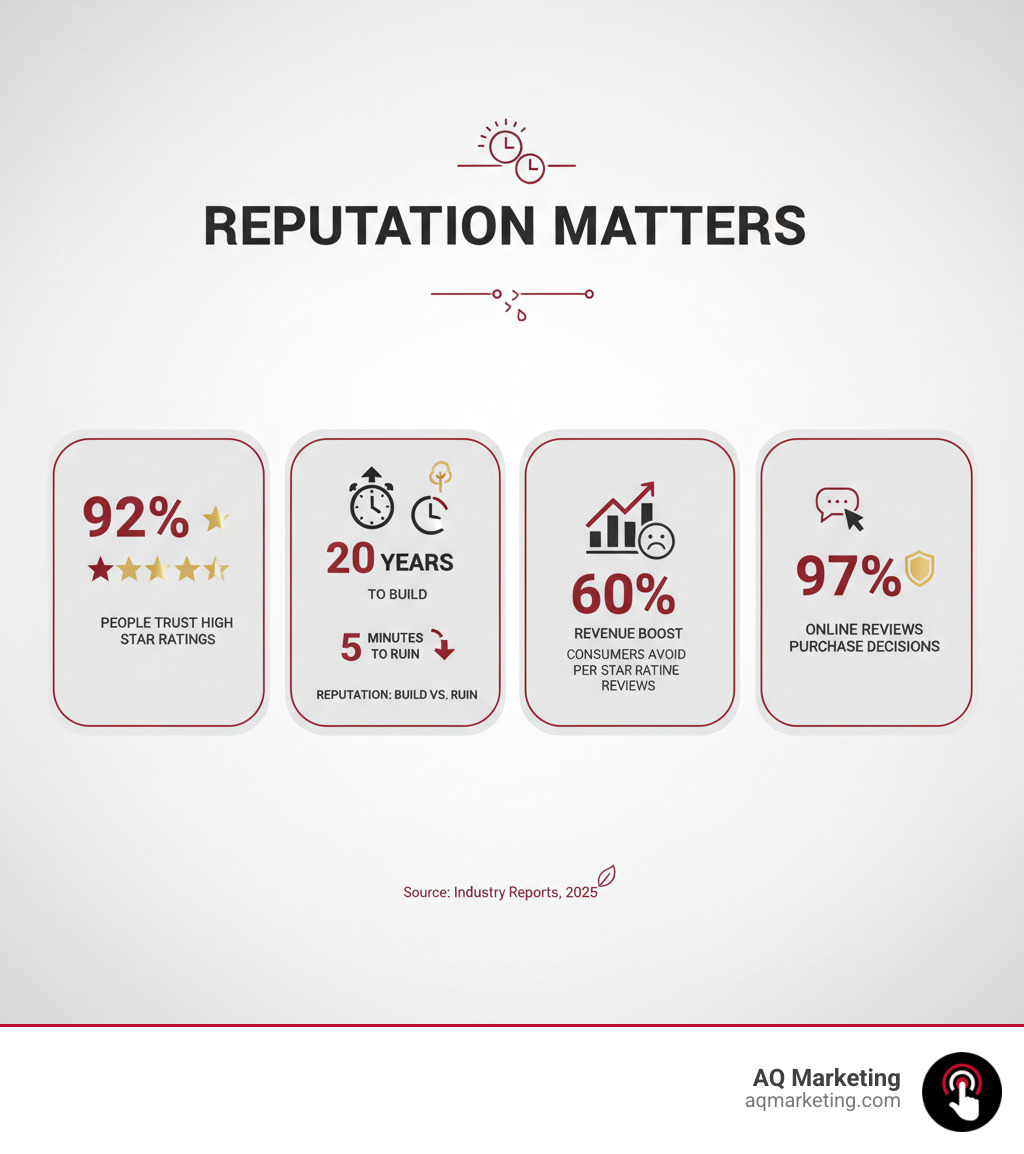
The Foundation: Quotes on Building a Strong Reputation Through Action

Your reputation isn’t built with clever advertising; it’s built one action, one customer interaction, and one kept promise at a time. When someone in Woburn or Middlesex County recommends a business, they’re talking about how that business showed up and delivered.
In local communities like Boston and across Essex County, your reputation travels fast. The foundation of a strong reputation is simple: consistent actions that match your promises. It’s about your company culture and your willingness to go the extra mile. For local businesses, this is your competitive advantage.
Tools like AQ Marketing’s Reputation Management Software for Small Business can help you capture and amplify these positive moments, turning everyday excellence into visible proof of your good name.
Building Through Service and Hard Work
The best reputation management quotes emphasize that there’s no shortcut to a great reputation. You earn it through hard work and exceptional service.
“There are no traffic jams along the extra mile.” — Roger Staubach. When you go that extra mile—whether you’re a contractor in the Merrimack Valley who cleans up carefully or a fitness studio in Southern New Hampshire that remembers a client’s goals—you stand out because you care.
“The way to gain a good reputation is to endeavor to be what you desire to appear,” said Socrates. In other words, don’t just talk about great service. Deliver it. For home service businesses in Essex and Middlesex Counties, this is everything. When a customer has an emergency, they need someone they can trust.
“Make a customer, not a sale.” — Katherine Barchetti. Focusing on the relationship instead of the transaction turns customers into advocates. They leave glowing reviews and tell their neighbors. In our local markets, where referrals drive growth, your reputation can do the marketing for you.
Building Through Authenticity and Brand Promise
“Your brand is what people say about you when you’re not in the room.” — Jeff Bezos. This powerful quote reminds us that our reputation is shaped in conversations we’re not a part of. Your brand isn’t what you say it is; it’s what your customers experience.
This is why authenticity is crucial. A gap between your promise and your delivery damages trust. If you advertise “24/7 customer service” but don’t answer the phone on weekends, you’re hurting your reputation with every missed call.
“A brand is a promise,” as Katherine Barchetti also said. Keeping promises builds trust, which builds loyalty. For businesses in the tight-knit communities of Middlesex County, this alignment between words and actions is everything. Your neighbors will remember if you did what you said you’d do.
The bottom line is that your reputation is built through action, not intention. Every interaction is either building your reputation or chipping away at it. The choice is yours.
The Fine China of Business: Quotes on the Fragility and Repair of Reputation

A good reputation is often compared to fine china: valuable, beautiful, and easily shattered. You can spend years building trust with customers in Woburn or Boston, only to have one mistake or one angry customer undo your hard work. The consequences can be severe, from lost calls to a damaged bottom line.
However, a damaged reputation isn’t always a permanent failure. Recovery is possible, but it requires honesty, effort, and patience. We’ve seen this with businesses across Middlesex and Essex Counties. The companies that survive a crisis are those that respond quickly and transparently. Ignoring the problem only makes it worse.
If you’re facing negative feedback, don’t panic. Learning how to respond to negative reviews with AQ Marketing can help turn a bad situation around.
The 20-Year Build, 5-Minute Ruin
Some reputation management quotes are uncomfortable but necessary truths for every business owner.
“It takes 20 years to build a reputation and five minutes to ruin it.” — Warren Buffett
Buffett wasn’t exaggerating. You can spend two decades serving customers in the Merrimack Valley, but one bad day that goes viral on social media can redefine your business for all the wrong reasons. In tight-knit communities across Southern New Hampshire and the Greater Boston area, word spreads fast. A single negative incident can race through town before you can even begin damage control.
“It takes many good deeds to build a good reputation, and only one bad one to lose it.” — Benjamin Franklin
Franklin understood that people often remember negative experiences more vividly than positive ones. You could have a hundred happy customers, but the one person with a terrible experience is often the most motivated to leave a scathing review. This is why vigilance is essential. Every customer interaction is an opportunity to either strengthen or weaken your reputation.
Navigating a Crisis and Recovering Your Good Name
When a crisis hits, hiding or getting defensive won’t work. A clear-headed strategy is your only path forward.
“The secret of crisis management is not good vs. bad, it’s preventing the bad from getting worse.” — Andy Gilman
This is one of the most practical reputation management quotes available. During a crisis, your goal is to stop the bleeding. This means responding quickly, communicating honestly, and showing you’re taking the situation seriously. If you made a mistake, own it. Apologize and explain how you’re making it right.
We’ve helped businesses across Boston and Woburn steer these exact situations. The companies that emerge stronger are those that face the problem head-on, respond professionally, and fix the underlying issue.
“Character is much easier kept than recovered.” — Abraham Lincoln
Lincoln’s wisdom applies perfectly to business. Maintaining a good name through consistent, ethical behavior is far easier than rebuilding trust after it’s been broken. Recovering your reputation means proving through sustained action that the crisis was an exception, not the rule. It requires fixing the root cause, whether that means retraining staff or overhauling a process. People in your community are watching to see if you’re serious about change. As the saying goes, your reputation is much easier kept than recovered.
If you handle a crisis with transparency and a real commitment to improvement, you can emerge with a reputation that’s even stronger than before.
A Curated List of Powerful Reputation Management Quotes for the Digital Age
The digital age has transformed reputation. A plumber in Woburn once relied on word-of-mouth; today, their reputation lives in Google reviews and search results. For businesses across Boston, Middlesex County, and Southern New Hampshire, your digital footprint is your new storefront.
Statistics show that 97% of consumers say online reviews influence their purchase decisions. If your online reputation isn’t strong, you’re effectively invisible. That’s why we developed our Online Review Management services—to help local businesses steer this new landscape.
The challenges are immediate: negative reviews spread in minutes, and managing your presence across multiple sites is a full-time job. But the same tools that pose a threat can also amplify your success. A single positive review can reach thousands, turning satisfied customers into vocal advocates. The wisdom in these reputation management quotes can guide us through this digital era.
Character vs. Reputation: The Tree and Its Shadow
Understanding the difference between who you are and how you’re perceived is critical in the digital age.
“Character is like a tree and reputation like its shadow. The shadow is what we think of it; the tree is the real thing.” — Abraham Lincoln
Lincoln’s words are more relevant than ever. Your character—the genuine quality of your work and your integrity—is the tree. Your reputation is the shadow it casts. For a home service business in Essex County, this means good reputation management starts with doing good work, consistently.
“Be more concerned with your character than your reputation, because your character is what you really are, while your reputation is merely what others think you are.” — John Wooden
The legendary coach knew that focusing on image without substance is a losing game. The best reputation management starts with being a business worth recommending. When a contractor in Woburn shows up on time and does quality work, they are building character that naturally generates a positive reputation.
The Power of Online Reviews: More Reputation Management Quotes
If character is the foundation, online reviews are the megaphone broadcasting your reputation to the world.
“What you say to customers is advertising. What they say to their friends, is the truth.” — Vala Afshar
This quote captures an essential truth. We’re skeptical of marketing, but we trust recommendations from peers. Online reviews are this dynamic happening at scale. When someone in Southern New Hampshire searches for a local business, they are actively seeking validation from other customers.
For local businesses, this has a direct impact on visibility. Google’s Local Pack weighs online reviews as 15% of ranking factors. This means more positive reviews can help you rank higher in search results. The challenge is turning satisfied customers into reviewers. Our Review Management services help businesses systematically collect and showcase these valuable customer insights.
Trust and Authenticity: The Core of Modern Reputation Management Quotes
Reputation management comes down to one thing: trust.
“If people like you they will listen to you, but if they trust you, they will do business with you.” — Zig Ziglar
Trust is earned through consistency and delivering on promises. For a contractor in Woburn, trust means showing up on time and charging what you quoted. In the digital world, it means responding to all reviews with humility and owning mistakes without excuses.
“A critical ingredient which binds customers to a brand is trust.” — Stephen M. R. Covey
Covey identifies trust as the glue of customer relationships. With it, customers become loyal advocates. Authenticity fuels this trust. In an age of AI-generated content and fake reviews, genuine care stands out. For organizations looking to build this trust, our Corporate Reputation Management Services provide strategic guidance. But the principle is the same for any business: trust is built through consistent, authentic action over time.
Frequently Asked Questions about Reputation Management
We’ve been helping businesses across Boston, Woburn, and Southern New Hampshire with reputation management for over 20 years. Here are answers to the most common questions we hear.
What is the difference between reputation and character?
This question gets to the heart of many reputation management quotes. Simply put: reputation is what people think of you, while character is who you really are. Your reputation is the public perception shaped by reviews and word-of-mouth. Your character is your integrity and the values you uphold, even when no one is watching.
As Abraham Lincoln said, “Character is like a tree and reputation like its shadow.” While you can’t always control your reputation (the shadow), you have complete control over your character (the tree). In the long run, strong character builds a strong reputation.
How can a business leverage positive customer experiences to build a strong reputation?
Every happy customer is a reputation-building opportunity. Here’s how to leverage those positive experiences:
- Ask for Reviews: After a job well done, send a follow-up email with a direct link to your Google Business Profile or other review sites. Make it as easy as possible for them to share their feedback.
- Showcase Testimonials: Feature your best reviews on your website’s homepage and share them on social media. For a local business in Essex County, these stories from neighbors are powerful social proof.
- Create Case Studies: Detail a successful project with before-and-after photos and a customer testimonial. This demonstrates your expertise and builds trust.
- Engage with User-Generated Content: When customers post about your work, share their posts and thank them publicly. This authentic content is marketing gold.
- Respond to All Reviews: Thank customers for positive reviews and respond professionally to negative ones. How you handle feedback shows potential customers who you really are.
What are the first steps to take in a reputational crisis?
How you respond in the first few hours of a crisis is critical. Based on our two decades of experience, here are the essential first steps:
- Acknowledge the Issue Immediately: Don’t hide or delete comments. A simple statement like, “We are aware of this and are looking into it,” prevents speculation and shows you’re engaged.
- Own Your Mistakes: If your business was at fault, offer a sincere and specific apology. Taking responsibility is a crucial step in rebuilding trust.
- Communicate with Transparency: Share the facts as you know them. Be honest about what you’re doing to investigate and resolve the issue. In local communities like the Merrimack Valley, dishonesty is quickly spotted.
- Share Your Action Plan: Publicly explain the steps you’re taking to fix the problem and prevent it from recurring. This shows you’re committed to real change.
- Fix the Root Cause: Address the underlying system or training failure that led to the problem. This allows you to confidently assure customers it won’t happen again.
At AQ Marketing, we help businesses develop crisis communication plans before a problem arises. Being prepared makes all the difference when every minute counts.
Conclusion: Protecting Your Legacy in Woburn and Beyond
Throughout this collection of reputation management quotes, one powerful truth stands out: your reputation isn’t just some abstract idea floating around—it’s a real, valuable asset that shapes everything from customer trust to business success. Whether you’re running a plumbing company in Woburn, managing an insurance agency in Middlesex County, or operating a fitness studio in Southern New Hampshire, the wisdom shared by everyone from Warren Buffett to Abraham Lincoln applies directly to you.
These quotes remind us that building a strong reputation is a marathon, not a sprint. It requires consistent action, authentic service, and unwavering commitment to doing right by our customers. As we’ve seen, it can take 20 years to build and only five minutes to destroy. That’s not meant to scare us—it’s meant to inspire vigilance and pride in the work we do every day.
For businesses across Boston, Essex County, and the Merrimack Valley, a solid reputation is more than just nice to have. It’s your competitive advantage in communities where word travels fast and neighbors trust neighbors. When someone in Southern New Hampshire searches for a service provider, they’re not just comparing prices—they’re looking at reviews, asking friends, and making decisions based on who they can trust. That trust is earned through every customer interaction, every completed project, and every promise kept.
The digital age has amplified everything. One negative review can reach thousands, but one delighted customer can become your most powerful marketing tool. The key is staying proactive, responding thoughtfully to feedback, and always aligning your actions with your values. As Jeff Bezos reminded us, your brand is what people say about you when you’re not in the room—so make sure you’re giving them something positive to talk about.
At AQ Marketing, we’ve spent over 20 years helping local businesses in the Greater Boston area build and protect their reputations. We understand the unique challenges facing companies in our communities, from managing online reviews to navigating the occasional crisis. We know that reputation management isn’t a one-time project—it’s an ongoing commitment to excellence, authenticity, and customer care.
Let these reputation management quotes serve as daily reminders of what matters most. Your reputation is your legacy, and it’s worth protecting with everything you’ve got. Whether you’re just starting to think about online reputation management or you’re ready to take your efforts to the next level, we’re here to help.
Learn more about our Online Reputation Management Services and find how we can help your business thrive in Woburn, Boston, and beyond.
Online Reputation Repair: Top Strategies for 2025 Success
Why Your Online Reputation Matters
Online reputation repair is the process of improving how your business appears in search results, review sites, and social media platforms. If you’re looking to fix your online reputation, here’s what you need to know:
- What it is: A strategic process to improve your digital presence by suppressing negative content and promoting positive information
- Why it matters: 93% of customers read online reviews before making purchase decisions
- Timeline: Typically takes 6-12 months for significant results
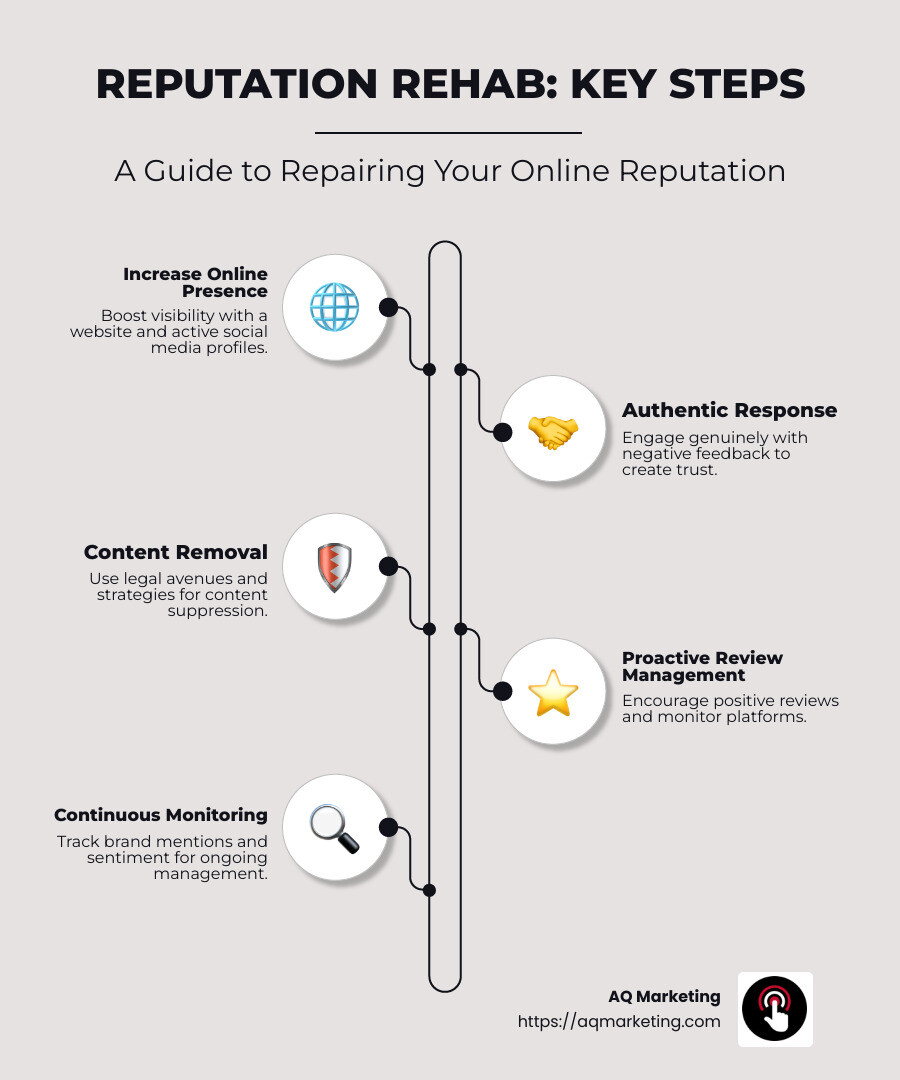
- Key strategies: Increasing online presence, responding authentically to criticism, removing negative content, and implementing review management
Your online reputation is your digital first impression. In today’s connected world, potential customers, business partners, and even job applicants will Google your name before making decisions. What they find can make or break your success.
Don’t leave your reputation to chance. According to research, a single negative search result can cost your business up to 22% of potential customers. Even more concerning, 92% of consumers won’t do business with a company that has less than a 3-star rating.
The good news? You can actively shape how others perceive you online.
“You have one reputation – we make sure it’s a good one.”
Every business faces reputation challenges at some point. Whether it’s a few negative reviews, unflattering news articles, or misleading information, these issues can significantly impact your bottom line. For small and medium-sized businesses especially, maintaining a positive online image is critical for attracting and retaining customers.
I’m Robert P. Dickey, President and CEO of AQ Marketing with over 20 years of experience helping businesses implement effective online reputation repair strategies that transform digital footprints from liabilities into valuable assets.
Learn more about online reputation repair:
– Importance of online reviews for businesses
– benefits of online reputation management services
– how to choose a reputation management service
Understanding Online Reputation Repair
When you think about your business’s reputation, what comes to mind? Your reputation isn’t just what people say about you at networking events or over coffee. It’s what shows up when someone types your name into Google. It’s the star rating that appears on Yelp. It’s the comments people leave on your Facebook page.
Your online reputation reflects how the world perceives your business based on its digital footprint. Every review, social media mention, news article, and blog post contributes to this perception – for better or worse.
Online reputation repair isn’t just about putting out fires when something goes wrong. It’s about actively shaping your digital narrative to ensure it truly represents who you are and what you stand for.
A positive online reputation does more than make you feel good. As one industry expert puts it: “A positive online reputation attracts potential customers, partners, and employees, and can significantly boost revenues.” It’s the foundation of trust in the digital marketplace.
What is Online Reputation Repair?
Think of online reputation repair as digital landscaping. Sometimes you need to remove unwanted elements (weeds), while other times you need to plant and nurture positive content (flowers) to create a beautiful overall impression.
This strategic process involves several key elements:
First, identifying and working to remove inaccurate or harmful content from websites and search engines when possible. Sometimes, this means reaching out directly to site owners or using legal channels when appropriate.
Second, creating and promoting positive, authentic content that better represents your business. This helps push less favorable content further down in search results where fewer people will see it.
Third, actively managing your reviews across platforms – not by hiding criticism, but by responding thoughtfully and encouraging satisfied customers to share their experiences.
Finally, optimizing your digital assets like your website and social profiles to strengthen your online presence and better control your narrative.
The goal isn’t to sweep legitimate concerns under the rug. Rather, it’s to ensure that when someone researches your business online, they get an accurate and balanced view.
Why is Online Reputation Repair Important?
If you’re wondering whether your online reputation really matters that much, consider this: 93% of customers read online reviews before making purchase decisions. What they find online directly impacts whether they’ll walk through your door or click “buy now” on your website.
The numbers tell a compelling story. Every additional star on your Yelp rating can increase your revenue by up to 9%. That’s real money on your bottom line, simply from improving how you’re perceived online.
Your reputation affects more than just sales. It impacts who wants to work for you too. Research shows that only one in five job seekers would consider applying to a company with a one-star rating. In today’s competitive hiring market, can you afford to lose 80% of potential talent?
For small and medium-sized businesses here in Woburn, Boston, and throughout Massachusetts, your online reputation is particularly crucial. Local customers rely heavily on online research before choosing local service providers. In fact, “near me” searches have grown by over 900% in recent years, with most of those searchers checking reviews before making contact.
Your online reputation isn’t just one aspect of your business—it’s increasingly becoming the most visible representation of your business to the world. Taking control of it isn’t optional anymore; it’s essential.
Common Causes of Negative Online Reputation
Let’s face it – nobody’s perfect, and every business hits a rough patch now and then. Understanding what’s dragging down your online image is the first crucial step toward effective online reputation repair. Think of it as diagnosing an illness before prescribing the cure.

Identifying the Root Causes
You can’t fix what you don’t understand. When we work with local businesses across Middlesex County and beyond, we often find several common culprits behind reputation problems.
Negative customer reviews can spread like wildfire. That one-star rating on Google or Yelp doesn’t just sit there – it actively discourages potential customers from walking through your door. Sometimes these reviews are fair reflections of a bad day at your business, but other times they might be exaggerated or even malicious.
Bad publicity happens even to good companies. Perhaps a local news outlet covered a misunderstanding, or an industry blog published something unflattering about your business practices. These stories tend to have staying power in search results.
Misleading information about your products or services can create false expectations. When customers believe your restaurant is open until midnight (when you actually close at 10 PM), those disappointed folks might leave angry reviews about being turned away.
Online defamation is particularly troubling because it’s intentional. We’ve seen cases where competitors or disgruntled former employees spread falsehoods that can seriously damage a business’s reputation. This is especially harmful for small businesses in tight-knit communities like those throughout Massachusetts.
Poor customer service often leads to reputation issues that go beyond a single negative review. When patterns emerge of unresolved complaints or inadequate support, the collective impact can be devastating.
At AQ Marketing, we help businesses identify these root causes through comprehensive monitoring that tracks all mentions of your brand across the digital landscape. We analyze not just what people are saying, but the sentiment behind their comments, looking for patterns that reveal deeper issues.
Impact of Negative Online Reputation
The consequences of reputation damage hit harder than most business owners expect.
Did you know that a single negative search result can cost your business up to 22% of potential customers? That’s right – nearly a quarter of your prospects might turn away before ever contacting you. For a small service business in Southern New Hampshire or Massachusetts, that could mean thousands in lost revenue each month.
The financial impact goes deeper too. Studies show that 82% of consumers simply won’t do business with a company rated below 3 stars. If your Google Business profile is sitting at 2.8 stars, you’re essentially invisible to the vast majority of your market.
Hiring becomes harder too. In today’s competitive job market, top talent has choices, and 69% of job seekers would reject an offer from a company with a negative online reputation. Only one in five would even consider applying to a business with a one-star rating. This talent gap creates a vicious cycle that makes service improvement more challenging.
Your marketing budget takes a hit as well. Businesses with poor reputations typically need to spend significantly more on advertising to attract the same number of customers as their well-regarded competitors. Those extra marketing dollars come straight out of your profit margin.
For business owners considering future exit strategies, the news gets worse. A negative online reputation can substantially reduce your company’s valuation when it’s time to sell or seek investment.
These impacts aren’t theoretical – we’ve seen them play out with real businesses throughout Woburn, Boston, and the surrounding areas. The good news? With the right online reputation repair strategy, these challenges can be overcome.
Effective Strategies for Online Reputation Repair
Now that we understand the importance and impact of online reputation, let’s explore proven strategies for effective online reputation repair:

Increase Your Online Presence
When it comes to repairing your online reputation, one of the most powerful approaches is simply building a stronger digital footprint. Think of it as planting beautiful flowers in your garden to draw attention away from a few weeds.
Creating a professional website serves as your digital home base – a place where you control the narrative completely. We’ve helped countless Woburn and Boston businesses develop compelling websites that showcase their best qualities and naturally rise in search rankings.
Don’t stop with just a website, though. Active social media profiles create multiple positive touchpoints for your brand. Whether it’s LinkedIn for professional services or Instagram for visual businesses, these platforms create additional positive content that can help push negative results further down.
Regular content creation is another game-changer. By sharing your expertise through blogs, videos or podcasts, you’re not just building your reputation – you’re providing genuine value to potential customers. One of our clients, a local insurance agency, saw their negative reviews drop to page three of Google simply by maintaining a helpful weekly blog for six months.
Remember to claim and optimize your business listings too. Your Google Business Profile, Yelp page, and industry directories are often the first places customers look. Make sure they’re complete, accurate, and showcase your best reviews.
Authentic Responses to Negative Reviews
Let’s face it – nobody likes criticism. But how you handle negative feedback can actually turn a reputation challenge into an opportunity. The secret? Authenticity.
“Handling negative sentiment authentically, rather than with a scripted apology, is essential to converting detractors into supporters.”
When you receive a negative review, resist the urge to either ignore it or respond defensively. Instead, respond promptly – ideally within 24-48 hours. Show genuine empathy by acknowledging their frustration. You might say something like, “I’m sorry to hear about your experience with our service. I understand how frustrating that must have been.”
Taking responsibility goes a long way. If your company made a mistake, own it without making excuses. Then, offer clear solutions. Whether it’s a refund, replacement, or process improvement, customers want to know how you’ll make things right.
I remember working with a home services client in Essex County who received a scathing one-star review about a delayed project. Rather than getting defensive, they acknowledged the delay, explained the unusual circumstances, offered a discount, and invited the customer to call the owner directly. Not only did the customer update their review to four stars, but they also became a repeat customer.
After addressing the issue publicly, it’s often helpful to take the conversation offline. Provide contact information for further discussion, showing you’re committed to resolution rather than just public damage control.
Remove or Suppress Negative Content
Sometimes negative content needs to be directly addressed through removal or suppression strategies.
For content that’s inaccurate, outdated, or potentially defamatory, direct outreach to website owners can be surprisingly effective. A polite, professional request explaining why the content should be removed works more often than you might think.
In cases of truly defamatory content, legal avenues might be necessary. We’ve helped businesses in Middlesex County consult with attorneys about cease and desist letters when false information was damaging their reputation.
Don’t forget to check platform policies as well. Content that violates terms of service – such as hate speech or demonstrably false information – can often be reported and removed.
When removal isn’t possible, content suppression becomes your best friend. This involves creating and promoting positive content that naturally pushes negative results down in search rankings. We help clients secure content placements on respected industry websites, distribute positive press releases, and build robust profiles on high-authority sites like LinkedIn and Medium.
Implement Proactive Review Management for Online Reputation Repair
The best defense is a good offense when it comes to online reputation repair. Being proactive about managing reviews can prevent negative content from dominating your online presence in the first place.
Start by actively encouraging happy customers to share their experiences. Most satisfied customers won’t leave reviews unless prompted, while unhappy customers are highly motivated to share negative experiences. This creates a natural imbalance that you need to counteract.
Make the review process as simple as possible – send direct links via email or text messages right after providing service. One Merrimack Valley contractor we work with increased their positive reviews by 300% just by adding QR codes to their invoices that linked directly to their Google review page.
Monitor all review platforms religiously – set up alerts so you never miss a new review. And remember that 93% of customers read reviews before purchasing, so your responsiveness matters tremendously.
The insights from reviews are invaluable too. When you notice patterns in feedback, they often point to operational issues that need addressing. One of our restaurant clients noticed multiple reviews mentioning long wait times on Friday evenings, which led them to adjust their staffing – solving a problem they hadn’t even recognized internally.
Want to learn more about comprehensive reputation management strategies? Check out our Reputation Management Services for Small Business page for custom solutions that can help your business shine online. For additional insights on managing online reviews, see Harvard Business Review’s research on responding to customer reviews.
The Importance of Review Management in Online Reputation Repair
Review management stands at the heart of any effective online reputation repair strategy. It’s not just another tactic – it’s a fundamental element that can dramatically shift how potential customers view your business.

Why Review Management is Vital
Think about your own shopping habits for a moment. When you’re considering a new restaurant or service provider, what’s one of the first things you do? If you’re like most people, you check the reviews.
The numbers tell the story: a remarkable 79% of consumers trust online reviews just as much as personal recommendations from friends or family. That’s essentially four out of five potential customers making decisions based on what others have said about you online.
For local businesses here in Merrimack Valley and Southern New Hampshire, reviews carry even more weight. They account for approximately 15% of Google Local Pack ranking factors, directly affecting how visible your business is when people search for services in your area.
The financial impact is equally significant. Every additional star in your overall rating can boost your revenue by up to 9%. Imagine what even a half-star improvement could mean for your bottom line over the course of a year!
Beyond rankings and revenue, fresh positive reviews serve as powerful trust signals. They reassure potential customers that others have recently had good experiences with your business. They’re like digital word-of-mouth that works for you 24/7.
Reviews also provide an invaluable feedback mechanism. They offer insights into what customers truly value about your service and highlight areas where improvements might be needed – often before these issues become widespread problems.
Best Practices in Review Management
Managing your reviews effectively requires both strategy and consistency. At AQ Marketing, we’ve helped countless Massachusetts businesses transform their review profiles from liabilities into valuable assets.
Respond quickly to every review – aim for within 24-48 hours. This shows both the reviewer and anyone reading later that you’re attentive and care about customer feedback. The window of opportunity to make a positive impression closes quickly after a review is posted.
Personalize each response rather than copying and pasting templates. Address the reviewer by name when possible and reference specific points they mentioned. This human touch makes a world of difference in how authentic your business appears.
Express genuine gratitude for all feedback – yes, even the negative reviews. Thank customers for taking time to share their experiences. Negative feedback, while sometimes painful to receive, offers valuable opportunities for improvement.
Maintain professionalism no matter how unfair or harsh a review might seem. Responding emotionally or defensively can do far more damage than the original negative review. Take a deep breath, and perhaps draft your response and wait an hour before posting it.
Highlight solutions when addressing problems. Explain specifically what you’ve done to resolve the issue or what steps you’re taking to prevent similar situations in the future. This transforms complaints into demonstrations of your commitment to customer satisfaction.
Use specialized tools to streamline your review management process. Quality software can aggregate reviews from multiple platforms, alert you to new feedback, and help you track response times and sentiment trends over time.
Train your entire team on the importance of generating positive experiences. The best review management strategy starts with delivering service worth talking about. Every team member should understand how their role contributes to your online reputation.
For small businesses in Woburn and throughout Massachusetts, effective review management isn’t just about damage control – it’s about creating an ongoing positive feedback loop that continuously strengthens your online reputation repair efforts and builds a foundation of trust with potential customers.
We’ve seen how businesses that accept proactive review management not only repair damaged reputations but often emerge stronger and more customer-focused than before their reputation challenges began.
Monitoring and Maintaining Your Online Reputation After Repair
Online reputation repair isn’t just a fix-it-and-forget-it solution—it’s more like tending a garden. Once you’ve cleared out the weeds, you need regular maintenance to keep everything looking beautiful.
Effective Monitoring Strategies for Online Reputation Repair
Think of monitoring your online reputation as keeping your ear to the ground. You want to know what people are saying about you before it becomes a problem—or better yet, catch positive mentions you can amplify!
Setting up Google Alerts is your first line of defense. It’s simple, free, and surprisingly effective. Just create alerts for your business name, key team members, products, and even industry keywords. When something new pops up online, you’ll know about it right away.
Beyond Google, social listening tools like Hootsuite or Mention act as your digital eyes and ears across social platforms. These tools catch mentions even when you’re not tagged directly—incredibly valuable for spotting brewing issues before they escalate.
Don’t forget about review platforms! Schedule regular check-ins on Google Business Profile, Yelp, Facebook, and any industry-specific sites where customers might leave feedback. For our Boston and Woburn clients, we’ve found that local review sites often carry more weight with nearby customers than national platforms.
Tracking your search rankings matters too. After all, what good is positive content if it’s buried on page 10? Monitor where your brand-related terms appear in search results, especially for your name plus terms like “reviews” or “complaints.”
Look beyond individual mentions to spot sentiment trends over time. Are people generally talking about your business more positively than six months ago? This bird’s-eye view helps measure the success of your reputation efforts.
Finally, conduct thorough reputation audits every few months. Think of these as your reputation’s regular check-up, examining everything from search results to social mentions to review sentiment.
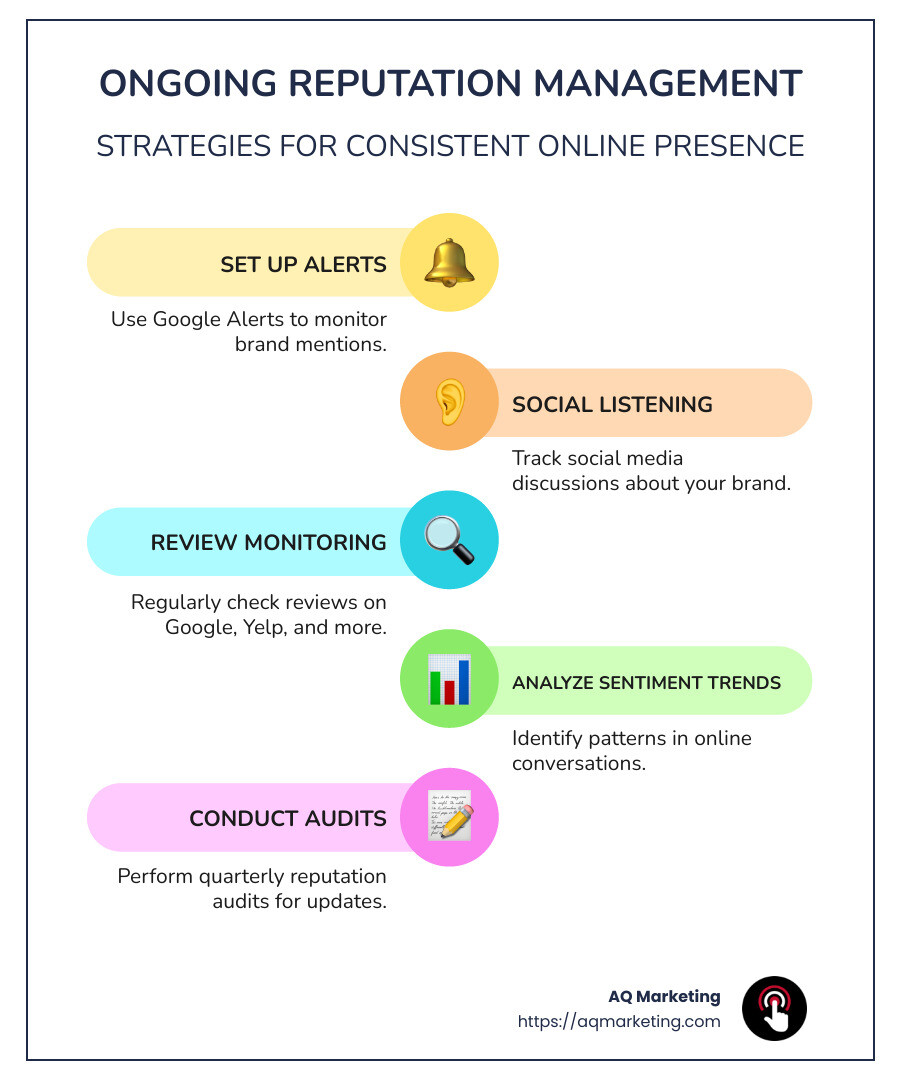
Maintaining a Positive Online Presence
Once you’ve repaired your reputation, keeping it healthy requires consistent attention—much like staying fit is easier than getting fit in the first place!
Regular content creation is your reputation’s nutrition. Fresh, helpful content signals to both search engines and customers that your business is active and engaged. Whether it’s blog posts, videos, or social updates, consistency matters more than volume.
When people engage with your content, engage back. Responding to comments, messages, and mentions shows you’re listening and that you value what people have to say. This human touch can transform casual followers into loyal advocates.
Your digital profiles are often the first impression people get of your business. Keep them current with accurate business hours, contact information, and services. Nothing frustrates potential customers more than outdated information.
Don’t be shy about showcasing positive feedback. When a customer says something wonderful about your business, feature it! Testimonials on your website, review highlights in social posts, and case studies all help reinforce your positive reputation.
Building relationships with industry influencers creates powerful allies for your reputation. These connections extend your reach and lend credibility to your brand through association.
The digital landscape changes constantly, so stay current with platform changes. When Google updates its algorithm or Facebook changes its feed, be ready to adjust your strategy accordingly.
Perhaps most importantly, address potential issues proactively. The best reputation management happens before problems appear online. Fix operational issues, improve customer service, and listen to feedback—then act on it.
Since 2003, we at AQ Marketing have helped businesses throughout Middlesex County, Essex County, and beyond maintain sterling online reputations. We’ve learned that reputation isn’t just about fighting fires—it’s about building something so positive that occasional negative mentions barely make a dent in your overall image.
When to Seek Professional Help: The Role of Reputation Management Services
Sometimes your online reputation repair needs go beyond what you can handle on your own. This is especially true when facing complex reputation challenges or when you simply don’t have the time to dedicate to comprehensive reputation management.
Benefits of Professional Reputation Management
Working with reputation specialists like our team at AQ Marketing gives you access to expertise that can make all the difference in your reputation recovery journey.
Professional reputation management isn’t just about fixing problems—it’s about changing your digital presence with precision and expertise. Time efficiency is one of the biggest advantages we offer. What might take you months to accomplish can often be implemented in weeks with the right team behind you.
We bring specialized tools to the table that aren’t typically available to individuals or small businesses. These premium monitoring systems can track mentions across the entire internet, providing insights that free tools simply can’t match.
Having an objective perspective on your reputation challenges is invaluable. When you’re deeply involved in your business, it’s easy to miss reputation vulnerabilities or overreact to minor issues. Our outside view helps prioritize what truly matters.
During reputation crises, our crisis management skills provide the calm, strategic guidance needed to steer challenging situations. We’ve helped countless businesses throughout Middlesex County and Essex County transform potential disasters into opportunities for demonstrating their values and commitment to customers.
Our content creation resources include experienced writers, designers, and SEO specialists who know exactly how to craft content that both appeals to your audience and performs well in search engines. And our established relationships with publishers and platform representatives often help expedite content removal requests when necessary.
Choosing the Right Service
Finding the perfect partner for your online reputation repair needs requires careful consideration. Not all reputation management services are created equal.
Look for providers with proven industry experience in your specific field. A reputation management company that primarily works with restaurants may not understand the nuances of managing a home service business’s reputation in Southern New Hampshire.
Always review case studies and testimonials before making a decision. A reputable firm should be able to show you examples of how they’ve helped businesses similar to yours overcome reputation challenges. At AQ Marketing, we’re proud of our track record helping businesses throughout Massachusetts rebuild and strengthen their digital reputations since 2003.
Transparency about methods is non-negotiable. Be wary of any service promising overnight results or using tactics they can’t clearly explain. Effective reputation repair takes time and follows ethical guidelines. Anyone promising to make negative content disappear immediately is likely using techniques that could ultimately harm your reputation.
The best reputation management partners offer a comprehensive approach that combines content creation, technical SEO, review management, and strategic planning. This holistic strategy creates sustainable results rather than quick fixes that don’t last.
Robust monitoring capabilities should be a priority in your selection process. Your reputation management service should provide regular, detailed reports on your online presence and the progress of their repair efforts.
Consider the provider’s communication style as well. You’ll be working closely with this team, often during stressful situations, so finding a partner whose approach aligns with your preferences is important for a productive relationship.
Finally, focus on services that build a long-term strategy for your reputation, not just temporary improvements. At AQ Marketing, we believe in creating sustainable reputation management systems that continue working for our clients in Woburn, Boston, and beyond long after our initial engagement.
Learn more about how to choose a reputation management service
Frequently Asked Questions About Online Reputation Repair
How Long Does Online Reputation Repair Take?
When clients ask me about timelines for online reputation repair, I always tell them the honest truth: it depends on your unique situation. Think of reputation repair like getting in shape—someone who needs to lose 5 pounds will see results much faster than someone tackling a major change.
Several factors influence your timeline:
The severity of your reputation issues makes a big difference. A few negative reviews can be addressed relatively quickly, while recovering from a major PR crisis takes considerably longer. The visibility of negative content matters too—if negative information appears on the first page of Google, it’ll take more time and effort to address than content buried on page five.
Some content types present bigger challenges than others. For example, a negative article published in The Boston Globe will be much harder to address than a complaint posted on a small forum. Your existing digital presence also plays a role—if you already have a strong online presence with multiple positive assets, you’ll see faster results.
Most importantly, consistency wins the race. Reputation repair isn’t a “set it and forget it” process—it requires ongoing attention and effort.
For our clients in Merrimack Valley and Southern New Hampshire, here’s what a typical timeline looks like:
Within 2-4 weeks, you’ll see some quick wins like updated business listings or thoughtful responses to negative reviews. By the 3-6 month mark, you should notice visible shifts in search results and review profiles. Significant change typically happens within 6-12 months of implementing a comprehensive strategy. And remember, even after we’ve repaired your reputation, ongoing maintenance is essential to protect your hard-earned results.
Can Negative Search Results Be Removed Completely?
This is probably the question I hear most often, and I wish I could say “absolutely!” But the reality is more nuanced.
Some content can often be removed directly. If information is false or defamatory, outdated, violates a platform’s terms of service, infringes on copyright, or shares private information without consent, we have good chances of getting it taken down. We’ve helped numerous Massachusetts business owners successfully remove damaging content that falls into these categories.
However, some negative content typically requires suppression rather than removal. Negative but factual reviews, legitimate news articles, public records like court cases, and opinion pieces that don’t contain factual errors generally cannot be removed outright. In these cases, we focus on creating and promoting positive content that pushes the negative material further down in search results.
The legal landscape adds another layer of complexity. Content removal options vary depending on where you’re located. Our clients in Massachusetts and New Hampshire sometimes have different legal avenues available to them based on state laws.
At AQ Marketing, we don’t make false promises about magically erasing all negative content. Instead, we use a strategic combination of removal requests when appropriate and content suppression techniques when necessary. Our goal is always to achieve the best possible results while setting realistic expectations.
What Investment is Needed for Effective Online Reputation Repair?
Talking about money is always a bit awkward, isn’t it? But I believe in being transparent about costs. Think of online reputation repair as an investment rather than an expense—it’s about protecting your business’s most valuable asset.
The investment needed varies widely based on your specific situation. More extensive reputation damage naturally requires greater resources to address. If you need results quickly, that typically demands more intensive efforts. Your in-house capabilities also factor in—if you have team members who can handle some aspects of reputation management, that can reduce your external service costs.
Content creation is often a significant cost factor. High-quality articles, videos, and graphics that position you as an industry leader don’t come cheap, but they’re incredibly effective for reputation repair. The depth of monitoring you need also impacts your investment—more comprehensive tracking requires more sophisticated tools.
For a DIY approach, you’re looking primarily at a time investment plus about $100-300 monthly for basic monitoring tools. If you want to outsource specific components while handling others in-house, expect to invest $500-2,000 monthly. Comprehensive professional services for small to medium businesses typically range from $2,000-5,000 monthly. For severe reputation crises requiring immediate attention, costs can reach $5,000-10,000+ monthly.
For our small business clients in Boston, Woburn, and surrounding areas, we’ve developed scalable solutions that provide maximum value while respecting budget constraints. Many business owners tell us the return on investment has been substantial—their improved reputation directly translates to increased customer acquisition and retention.
The cost of doing nothing can be far greater than the investment in reputation repair. When potential customers are turning away because of what they find online, addressing those issues becomes one of the most important investments you can make.
Conclusion
In today’s digital-first world, your online reputation isn’t just another business asset—it’s often the first impression potential customers have of your brand. Online reputation repair goes far beyond simple damage control. It’s about thoughtfully shaping how your business appears online and ensuring that this digital reflection accurately showcases your true value and commitment to excellence.
Effective reputation management isn’t a quick fix or one-time effort. It’s an ongoing journey that requires attention, strategy, and persistence. Think of it as tending a garden—with regular care and maintenance, it flourishes; with neglect, unwanted elements take over.
For small and medium-sized businesses in Woburn, Boston, and throughout Massachusetts and Southern New Hampshire, your online reputation carries even more weight. In these communities, where relationships and trust are paramount, potential customers increasingly turn to online reviews and search results before picking up the phone or visiting your location. A strong digital presence isn’t just nice to have—it’s essential for survival and growth.
Since 2003, we at AQ Marketing have witnessed how reputation challenges can impact businesses across Middlesex County, Essex County, and the Merrimack Valley. We’ve also seen the remarkable changes that occur when businesses take control of their digital narrative. From the local plumber whose business doubled after addressing negative reviews to the insurance agency that outranked industry giants by building a strategic content presence—the results speak for themselves.
The most successful online reputation repair efforts share common elements: they identify root causes rather than just symptoms; they create authentic, valuable content rather than empty promotional material; they engage genuinely with customer feedback instead of hiding from criticism; and they maintain vigilance through ongoing monitoring.
Perhaps most importantly, successful businesses recognize when to seek expert guidance. While some reputation management tasks can be handled in-house, partnering with professionals who understand the nuances of search algorithms, content strategy, and review management often delivers faster, more sustainable results.
At AQ Marketing, we pride ourselves on developing customized reputation strategies that reflect the unique needs, challenges, and opportunities of each business we serve. We don’t believe in cookie-cutter solutions or quick fixes—we believe in building digital foundations that support long-term growth and resilience.
Your online reputation isn’t just about avoiding negative perceptions. It’s about actively creating positive impressions that accurately reflect your business values and quality. With the right approach, your digital presence becomes more than a liability to manage—it transforms into one of your most powerful marketing assets.
Ready to take control of your online reputation? We’re here to help you steer the journey from reputation repair to reputation excellence.
Learn more about our Digital Marketing Services
The 10 Best Online Reputation Management Tools 2024: Ultimate Guide
The 10 Best Online Reputation Management Tools for 2024 are essential in today’s digital landscape, as they help businesses track and shape how they’re perceived online. With so much happening on social media, review sites, and forums, understanding and managing your brand’s reputation has never been more crucial. Whether it’s through review monitoring, sentiment analysis, or social listening, these tools offer businesses the insights they need to improve brand perception and customer relationships.
Here’s a quick look at the tools making a splash in 2024:
- Sprout Social: Known for its sentiment analysis and social listening capabilities.
- Brandwatch: Offers competitor benchmarking and strategic insights.
- Reputation.com: Provides automated review collection and customer sentiment insights.
- Yext: Specializes in business listing synchronization and local SEO optimization.
- Trustpilot: Focuses on transparent review collection and website integration.
- Talkwalker: Ideal for crisis monitoring and enterprise brand tracking.
- AQ Marketing: Offers comprehensive online reputation management services custom for small to medium-sized businesses.
Understanding and utilizing these tools can significantly improve a brand’s online reputation and perception, offering businesses a competitive edge.
I’m Robert P. Dickey, and with over 20 years of experience in digital marketing, I’ve seen how effective online reputation management can transform a business. The 10 Best Online Reputation Management Tools for 2024 provide essential strategies for maintaining a positive online presence, vital for success in today’s digital age.
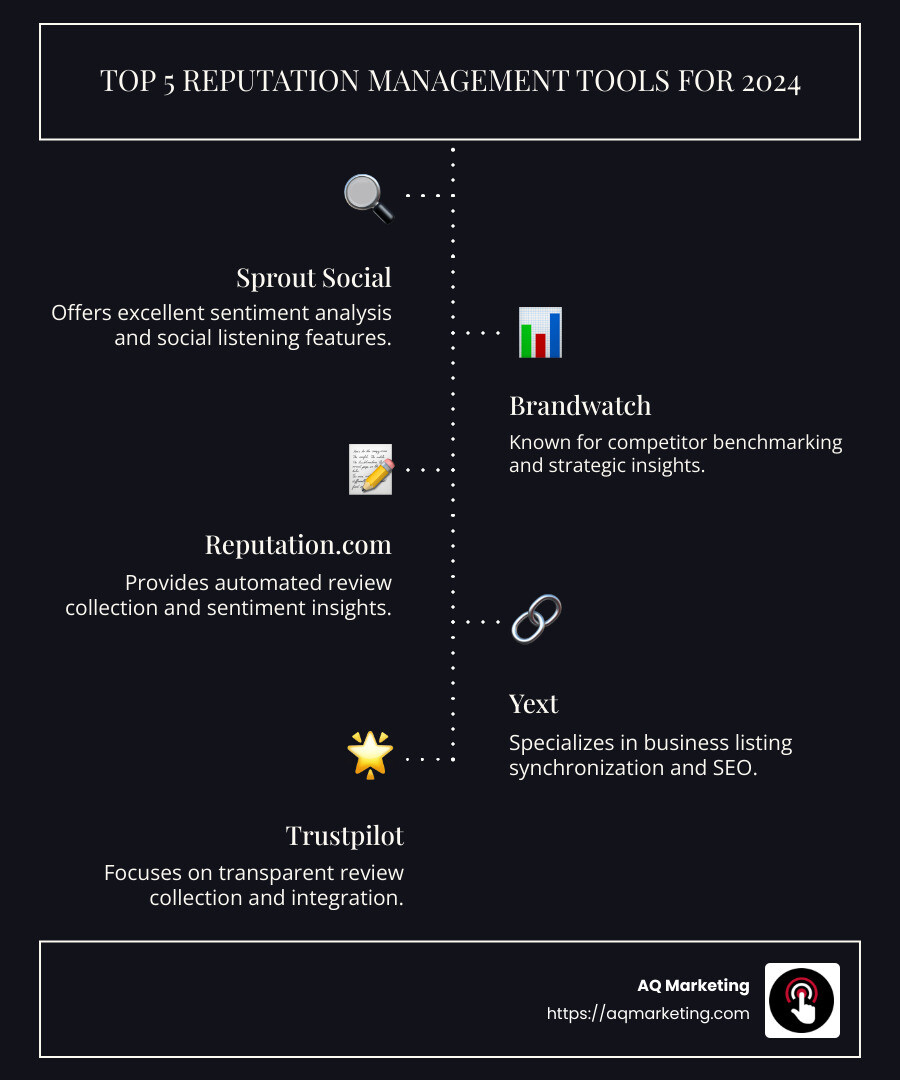
Similar topics to The 10 Best Online Reputation Management Tools for 2024:
– online reputation management tools software
– reputation management software comparison
– online review management
The 10 Best Online Reputation Management Tools for 2024
In the digital world, your brand’s online reputation can make or break your business. That’s why The 10 Best Online Reputation Management Tools for 2025 are vital for companies wanting to monitor and improve how they are perceived online. These tools help businesses stay on top of customer reviews, analyze sentiment, and listen to social media conversations.
Review Monitoring
Review monitoring is crucial. It allows businesses to see what customers are saying about them across various platforms. Tools like Reputation.com and Trustpilot are leaders in this area. They automatically collect reviews from multiple sources, providing a centralized view of customer feedback. This helps businesses respond quickly to both positive and negative reviews, showing customers that they care about their experiences.
Sentiment Analysis
Understanding the emotions behind customer feedback is just as important as the feedback itself. Sentiment analysis tools like Sprout Social and Brandwatch dive deep into the emotional tone of reviews and social media mentions. These tools categorize sentiments as positive, negative, or neutral, allowing businesses to adjust their strategies accordingly. For example, if a product consistently receives negative reviews, a company can investigate and make necessary improvements.
Social Listening
Social listening involves tracking conversations about your brand on social media and other online platforms. It’s not just about counting mentions; it’s about understanding the context and sentiment behind them. Talkwalker excels in this area, offering real-time monitoring and crisis management features. By actively listening to what customers are saying, businesses can engage in meaningful conversations and address issues before they escalate.
These tools are more than just software—they are strategic partners in maintaining a positive online presence. By leveraging review monitoring, sentiment analysis, and social listening, businesses can build trust, improve customer relationships, and improve their overall reputation.
Incorporating these tools into your strategy will not only help you keep track of how your brand is perceived but also provide valuable insights that drive long-term success. As we move further into 2025, using these tools effectively will be key to staying ahead in the competitive online landscape.
Top 10 Reputation Management Tools
Managing your online reputation is crucial in today’s digital age. With so many tools available, finding the right fit for your business can be overwhelming. Here’s a closer look at the Top 10 Reputation Management Tools for 2024, each offering unique features to help you maintain a positive online presence.
HubSpot
HubSpot’s Marketing Hub is a comprehensive solution that offers a range of reputation management features. It provides tools for social listening, review monitoring, and sentiment analysis. HubSpot is ideal for businesses looking to integrate reputation management with broader marketing efforts. Its detailed analytics can help track customer sentiment and engagement across platforms.
Oktopost
Oktopost is designed for B2B marketers, especially in industries like tech and finance. It offers advanced social listening tools and in-depth analytics to monitor brand mentions and industry keywords. The platform integrates smoothly with CRM systems, making it easy to align reputation management with your broader marketing goals.
Reputation
Reputation.com focuses on managing reviews and social media interactions. Its Social Suite provides real-time social listening and centralized responding features. This tool is particularly beneficial for B2C businesses, helping them maintain a positive image by quickly addressing customer feedback.
Determ
Determ is a PR-focused tool that offers real-time monitoring of brand mentions across over 100 million online sources. It includes features like sentiment analysis and competitive analysis. An AI assistant, Synthia, improves reporting by providing strategic insights, making it a great choice for PR agencies.
Mention
Mention excels in social media reputation management. It offers automated reporting and robust data filtering to provide precise insights. With customizable alerts and detailed analytics, businesses can uncover trends and measure their reputation’s impact effectively.
Statusbrew
Statusbrew provides a unified platform for managing social media engagement and reputation. It offers automated scheduling, social listening, and sentiment analysis. This tool is perfect for businesses looking to streamline their social media strategies while keeping an eye on their online reputation.
Meltwater
Meltwater is known for its media intelligence capabilities. It offers tools for monitoring brand mentions across news sites, social media, and blogs. Meltwater’s AI-driven analytics help businesses understand public perception and respond to emerging trends effectively.
Cyfe
Cyfe is an all-in-one business dashboard that includes reputation management features. It allows businesses to monitor social media, reviews, and web analytics in one place. Cyfe’s customizable dashboards make it easy to track key metrics and stay informed about your brand’s online reputation.
Brand24
Brand24 provides real-time monitoring of brand mentions and sentiment analysis. It’s a powerful tool for tracking customer feedback and identifying potential PR crises before they escalate. With its intuitive interface, businesses can quickly understand their brand’s online presence.
GatherUp
GatherUp focuses on collecting and managing customer feedback. It offers tools for automated review requests and feedback management, helping businesses improve their online reputation by encouraging positive reviews and addressing negative ones promptly.
Each of these tools offers unique capabilities to help businesses manage their online reputation effectively. By choosing the right tool for your needs, you can improve customer trust, improve engagement, and maintain a positive brand image in the competitive digital landscape.
Key Features of Reputation Management Tools
In the digital world, managing your online reputation is more than just responding to reviews. It involves using advanced features to understand and shape how your brand is perceived. Let’s explore the key features that set apart the best reputation management tools in 2024.
AI-Powered Insights
Artificial Intelligence (AI) is changing reputation management. AI-powered tools can analyze vast amounts of data to provide deep insights into customer sentiment and behavior. For instance, Meltwater’s AI-driven analytics help businesses understand public perception by analyzing social media, news sites, and blogs. This allows you to respond to trends and shifts in sentiment faster than ever before.
Automated Review Management
Managing reviews manually can be overwhelming, especially for businesses with a large customer base. Automated review management tools, like those offered by GatherUp, streamline this process. They send automated review requests to customers, ensuring a steady flow of feedback. This not only helps in gathering more positive reviews but also allows businesses to address negative feedback promptly.
Influence Scoring
Understanding who influences conversations about your brand is crucial. Influence scoring tools identify key individuals shaping your brand’s narrative. Mention excels in this area by providing detailed analytics and customizable alerts that highlight influential voices. Engaging with these influencers can amplify your positive reputation and mitigate negative comments effectively.
Predictive Analytics
Predictive analytics use historical data to forecast future trends in brand perception. This proactive approach allows businesses to adjust strategies before issues arise. Tools like Determ, with its AI assistant Synthia, offer strategic insights by predicting shifts in sentiment and potential PR crises. This foresight helps in crafting messages that align with customer expectations and industry trends.
Sentiment-Driven Content
Creating content that resonates with your audience is key to maintaining a positive online reputation. Sentiment-driven content tools analyze current trends and provide content suggestions that align with customer sentiments. This ensures that your messaging is relevant and timely, addressing client concerns or highlighting positive topics of interest.
By leveraging these advanced features, businesses can not only manage their reputation but also build a stronger, more engaging brand presence. The right tool can make all the difference in maintaining a positive image in today’s digital landscape.
Benefits of Using Reputation Management Tools
In the changing digital landscape, reputation management tools are indispensable for businesses aiming to maintain a positive brand image. These tools offer several key benefits that can significantly improve how your brand is perceived and engaged with online.
Brand Monitoring
Staying informed about what people are saying about your brand is crucial. Brand monitoring tools provide real-time tracking of mentions across social media, review sites, and other online platforms. This helps businesses understand public perception and allows for quick responses to both positive and negative feedback. For instance, tools like Statusbrew consolidate mentions into a single dashboard, making it easier to keep track of your brand’s online presence.
Crisis Management
Reputation management tools are essential for crisis management. They offer alerts and response features to address potential PR issues before they escalate. With timely notifications about negative mentions, businesses can quickly engage with dissatisfied customers and mitigate any damage. This proactive approach is vital in preventing a single incident from spiraling into a larger crisis.
Improved Customer Engagement
Customer engagement is at the heart of reputation management. Tools that consolidate messages and mentions enable businesses to respond swiftly to customer inquiries and feedback. This responsiveness builds trust and loyalty, showing customers that their opinions are valued. For example, Reputation provides a unified inbox for handling customer interactions efficiently, enhancing the overall customer experience.
Competitor Benchmarking
Understanding your competitors’ strategies is crucial for staying ahead. Competitor benchmarking tools analyze competitors’ social media activities, helping businesses identify trends and opportunities. By monitoring what works for others, companies can refine their strategies and capitalize on market gaps. Brand24 excels in providing insights into competitor performance, enabling businesses to adapt and innovate effectively.
Brand Consistency
Maintaining brand consistency across all platforms is vital for reinforcing a unified brand identity. Reputation management tools ensure that your messaging and branding are consistent, helping potential customers recognize and trust your company. Tools like Cyfe offer dashboards that track brand consistency metrics, ensuring that your brand’s voice remains coherent across different channels.
By leveraging these benefits, businesses can not only protect their online reputation but also foster a stronger connection with their audience. In today’s digital world, reputation management tools are invaluable for building a resilient and trusted brand presence.
Frequently Asked Questions about Reputation Management
What are the features of reputation management tools?
Reputation management tools come packed with features designed to help businesses maintain a positive online presence. Key features include:
- Social Listening: This involves tracking conversations about your brand across social media platforms. It helps identify trends and gather insights into what people are saying about your brand in real-time.
- Review Monitoring: Tools that monitor online reviews allow businesses to keep track of customer feedback across various platforms. This enables timely responses to both positive and negative reviews, which is crucial for maintaining a good reputation.
- Sentiment Analysis: This feature evaluates the tone of online mentions and reviews to understand public sentiment toward your brand. By analyzing whether conversations are positive, negative, or neutral, businesses can gauge overall brand perception.
How to measure online reputation?
Measuring online reputation involves several key metrics:
- Review Volume: The number of reviews your business receives can indicate customer engagement levels. A high volume of reviews, especially positive ones, can improve credibility and attract more customers.
- Sentiment Analysis: As mentioned earlier, sentiment analysis helps determine the emotional tone of mentions and reviews. It provides insights into how customers feel about your brand, allowing you to make informed decisions.
- Social Media Reach: This metric measures how far your brand’s message spreads across social media platforms. A broad reach signifies strong brand visibility and influence, which are critical components of a positive online reputation.
What are the 4 components of reputation management?
Reputation management is a comprehensive process that involves four main components:
- Monitoring: This is the ongoing process of tracking brand mentions, reviews, and discussions across various online platforms. Effective monitoring helps businesses stay informed about public perception.
- Response: Addressing feedback—both positive and negative—is vital. Quick and thoughtful responses to customer interactions can mitigate negative impacts and improve customer satisfaction.
- Engagement: Actively engaging with your audience through social media interactions and thoughtful content helps build relationships and trust. Engagement demonstrates that the brand values its customers’ opinions.
- Strategy: Developing a strategic plan for managing your brand’s reputation is crucial. This includes setting goals, identifying key platforms, and determining the best approaches for maintaining a positive image.
By understanding and implementing these components, businesses can effectively manage their online reputation and foster a strong, positive brand image.
Conclusion
In the changing digital landscape, managing your online reputation is more crucial than ever. At AQ Marketing, we understand how vital it is for small to medium-sized businesses to maintain a strong online presence. Since 2003, we’ve been committed to delivering long-term, impactful results for our clients through our comprehensive digital marketing services.
Online reputation management is not just about responding to reviews or monitoring social media mentions. It’s about crafting a consistent and positive brand image that resonates with your audience. Our expertise in SEO, website design, and social media management ensures that your business stands out in the crowded digital space.
By leveraging The 10 Best Online Reputation Management Tools for 2024, we help our clients monitor and improve their brand perception. These tools provide valuable insights through features like sentiment analysis and social listening, enabling businesses to engage effectively with their audience and address any potential issues proactively.
Our approach focuses on building trust and credibility over time. We believe that a positive online presence is a cornerstone for business success, and we are dedicated to helping our clients achieve this. Whether you’re in Boston, Woburn, or anywhere in the areas we serve, our team is here to support your digital marketing journey.
As we continue to steer the complexities of the digital world, our commitment remains the same: to empower businesses with the tools and strategies they need to thrive online. Let’s work together to improve your brand’s reputation and ensure your business’s long-term success.
Reputation Management Software for Small Business: Top 3 Essential Picks for Success 2024
Where first impressions are often formed online, reputation management software for small business owners has become an invaluable asset for boosting their online presence. With more potential customers using the internet to gauge a business’s credibility, managing your digital footprint can make or break your success. For those who need a concise takeaway:
- Competitive Edge: Keep an eye on what your competitors are doing to stand out.
- Customer Engagement: Responsively manage reviews to build trust and improve relationships.
- Efficiency: Streamline your tasks with AI and automation to save time and resources.
- Insightful Analytics: Gain valuable insights to fine-tune your strategies and improve results.
Recognizing the vital role that a consistent and positive online image plays, small businesses can leverage powerful tools like these to maintain and improve their reputation, ultimately attracting more customers and forging stronger connections in their community.
As Robert P. Dickey, the President and CEO of AQ Marketing, I bring over two decades of expertise in strategic digital marketing solutions, focusing on reputation management software for small business. Through my extensive experience, I have witnessed the transformative impact that these tools can have on businesses striving to make their mark in the digital landscape. This article will further explore how small businesses can harness these solutions effectively.
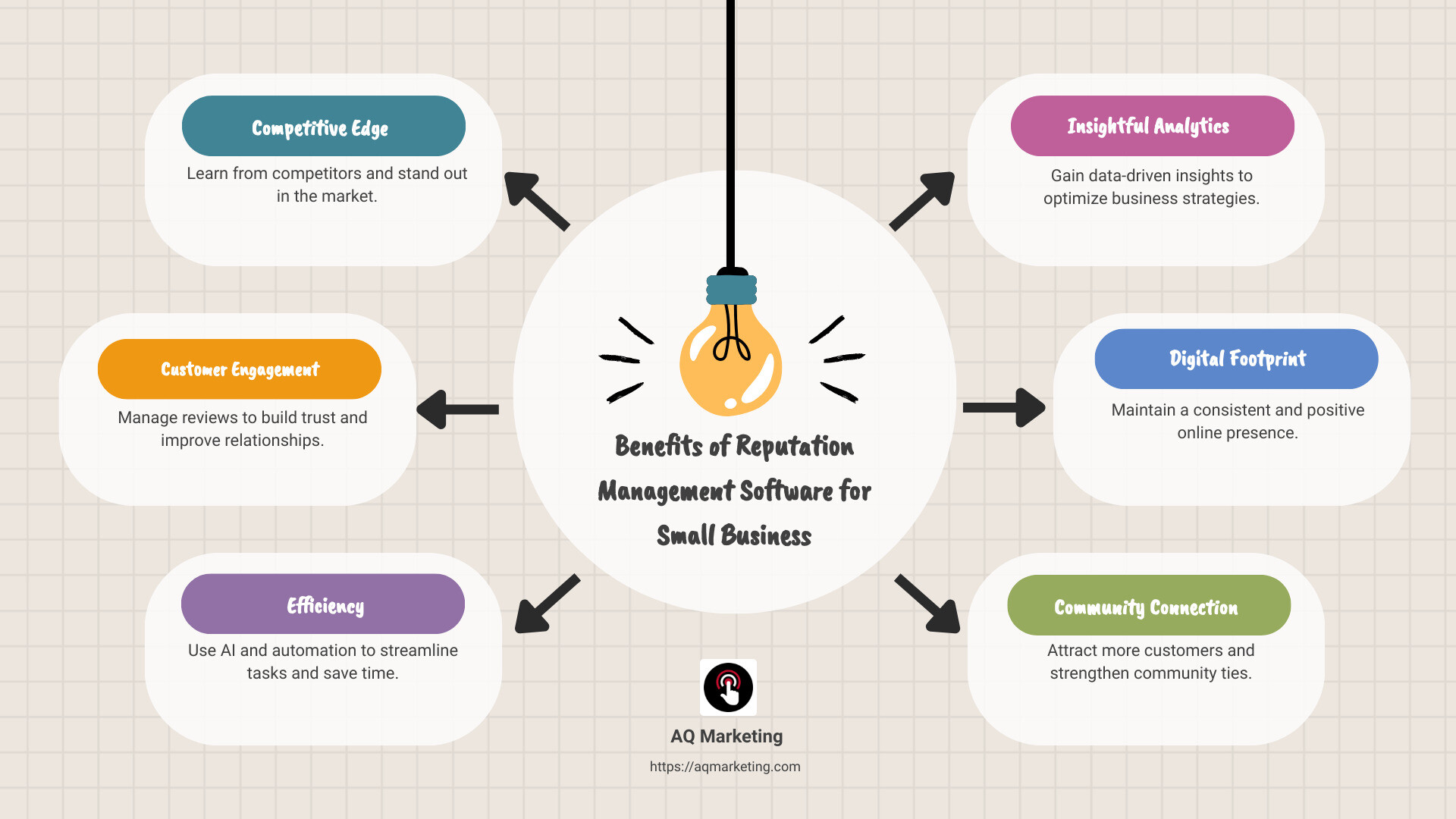
Quick reputation management software for small business definitions:
– business reputation management
– online review management
– reputation management software comparison
Understanding Reputation Management Software for Small Business
Reputation management software for small business is a tool designed to help businesses monitor, manage, and improve their online reputation. It acts as a digital guardian, keeping track of what people are saying about your business online, and giving you the tools to respond and manage your image effectively.
Why is Reputation Management Important?
In today’s online-driven world, your business’s reputation is more visible than ever. A single negative review can spread quickly, potentially impacting your sales and customer trust. According to a study by BrightLocal, 87% of consumers read online reviews for local businesses. This makes it crucial for small businesses to actively manage their online presence.
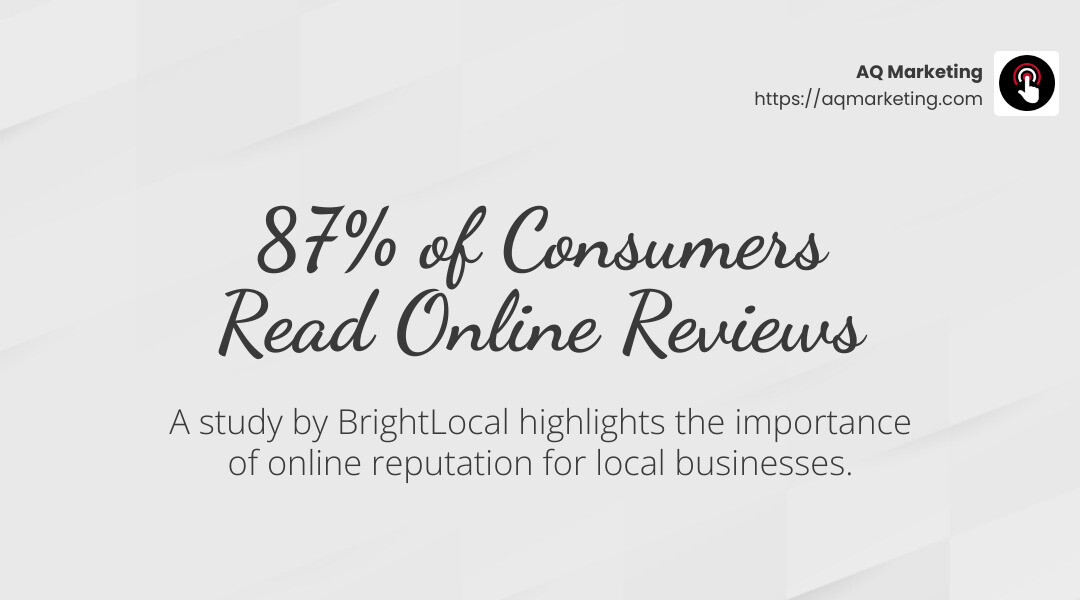
Key Benefits of Using Reputation Management Software
- Real-Time Monitoring: Stay updated with what’s being said about your business across multiple platforms. Tools like NetReputation and ReviewTrackers help you track mentions and reviews in real time, allowing you to respond promptly.
- Improved Customer Trust: Engaging with customers by responding to reviews—positive or negative—shows that you care. This builds trust and can turn a negative experience into a positive one.
- Improved Analytics: Gain insights into customer sentiments and trends. Platforms like Meltwater offer data-driven reports that help you understand public perception and make informed decisions.
- Efficiency through Automation: Automate the process of requesting reviews and managing feedback. Tools like Grade.us can streamline these tasks, saving you time and effort.
- Competitive Edge: By analyzing competitor reviews and feedback, you can identify areas for improvement and opportunities for growth.
Reputation management software for small business is not just about damage control; it’s about building a proactive strategy to maintain and improve your brand’s image. With the right tools, small businesses can effectively manage their online presence, leading to increased customer satisfaction and business growth.
Next, we’ll dive into the key features to look for when choosing reputation management software for your small business.
Key Features of Reputation Management Software for Small Business
When it comes to reputation management software for small business, understanding the key features is essential. These features help ensure that your business maintains a positive online presence and effectively engages with customers.
Monitoring
The first crucial feature is monitoring. This involves keeping an eye on what is being said about your business across various online platforms. Real-time monitoring tools, such as NetReputation, allow you to track mentions and reviews instantly. This ensures that you’re always aware of your brand’s online perception and can respond quickly to any issues.
Management
Management capabilities enable you to organize and handle your online reviews and feedback efficiently. Platforms like ReviewTrackers provide a centralized dashboard where you can respond to reviews from different sites in one place. This streamlined approach not only saves time but also ensures consistent communication with your customers.
Alerts
Receiving alerts is vital for staying on top of your online reputation. Automated alerts notify you immediately when your business is mentioned online, whether it’s a glowing review or a critical comment. This allows for prompt responses, showcasing your commitment to customer satisfaction. According to AQ Marketing, timely responses can turn negative feedback into a positive customer experience.
Analytics
Analytics features provide valuable insights into customer sentiment and behavior. Understanding these trends is crucial for making informed business decisions. Tools like Meltwater offer data-driven reports that can reveal how customers perceive your brand, helping you adjust your strategies accordingly. Analytics can also highlight areas of improvement and potential growth opportunities.
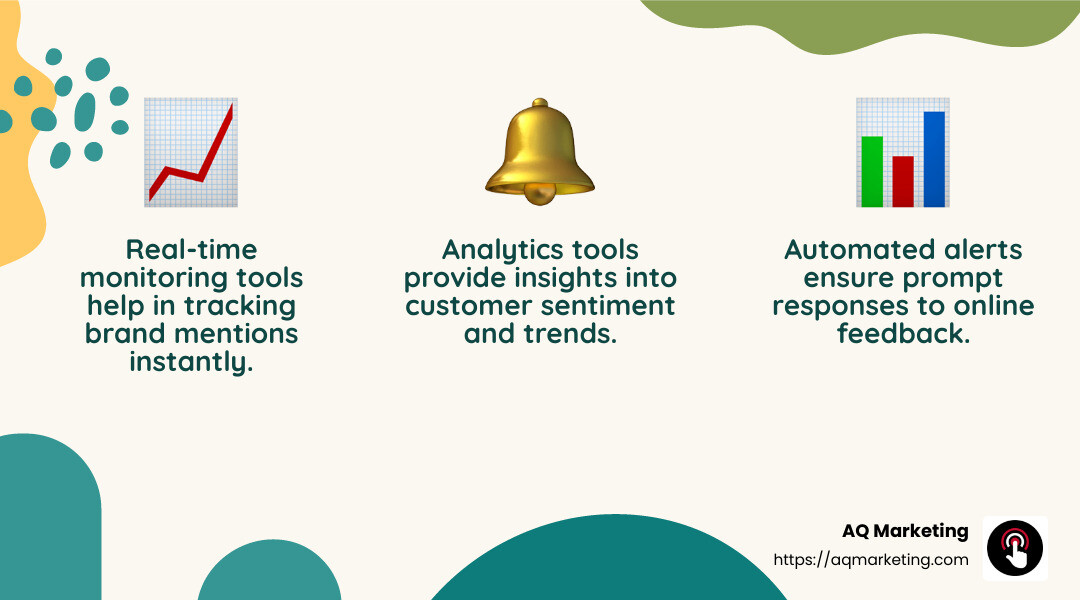
By leveraging these features, small businesses can effectively manage their online reputation, improve customer relationships, and drive growth. In the next section, we’ll explore how this software can further improve customer trust and engagement.
How Reputation Management Software Improves Customer Relationships
Engagement is at the heart of any successful business relationship. For small businesses, reputation management software acts as a bridge to engage with customers more effectively. By using tools that monitor online mentions and reviews, businesses can interact with customers in real-time. This immediate engagement shows customers they are valued and heard, which fosters a positive relationship.
For instance, when a customer leaves a review—positive or negative—a prompt response can make all the difference. A timely and thoughtful reply not only addresses the customer’s concerns but also demonstrates to others that your business is attentive and caring. As noted by AQ Marketing, turning a negative review into a positive interaction can transform an unhappy customer into a loyal advocate.
Trust is built through transparency and consistent communication. Reputation management software helps maintain this trust by ensuring that businesses are aware of and can respond to customer feedback quickly. By addressing issues head-on and showcasing positive reviews, businesses can highlight their commitment to customer satisfaction. This transparency builds trust, as customers see that the business actively seeks to improve and values their input.
Moreover, trust is reinforced when businesses use reputation management software to share customer success stories and testimonials. These stories serve as social proof, showing potential customers that others have had positive experiences with the business. According to a survey, 77% of consumers regularly check reviews when comparing local businesses, which underscores the importance of maintaining a trustworthy online presence.
Feedback is a goldmine for small businesses looking to improve their services. Reputation management software not only collects feedback from various platforms but also analyzes it to provide actionable insights. By understanding customer sentiment, businesses can identify trends and areas for improvement. This feedback loop allows businesses to adapt and evolve, ensuring they meet customer expectations.
For example, a small business might notice through analytics that customers frequently mention slow service in reviews. With this insight, the business can take steps to streamline operations and improve the customer experience. This proactive approach not only addresses customer concerns but also shows that the business is committed to continuous improvement.
In the next section, we’ll discuss how to choose the right reputation management software for your business, focusing on assessing your needs and comparing features.
Choosing the Right Reputation Management Software for Your Business
When it comes to choosing the right reputation management software for your business, it’s crucial to start with a clear understanding of your specific needs. This process begins with a needs assessment. Ask yourself: What are the primary goals you want to achieve with the software? Are you looking to monitor customer reviews, manage your online presence, or both? Identifying these objectives will help you focus on the features that matter most to your business.
Once you have a clear idea of your needs, it’s time to move on to feature comparison. Not all reputation management software is created equal. Some tools offer comprehensive monitoring across multiple platforms, while others might focus more on review management. For instance, some tools excel in providing real-time alerts for new mentions or reviews, which can be crucial for timely responses. Others might offer advanced analytics to help you understand customer sentiment and trends. Make a list of must-have features and compare different tools to see which ones align best with your business goals.
Budget consideration is another critical factor in the decision-making process. While some reputation management tools are free, they often come with limited features. On the other hand, more comprehensive solutions might come with a higher price tag. It’s important to weigh the costs against the potential benefits. Investing in the right software can lead to improved customer relationships and increased sales in the long run. Consider whether the software offers scalability, allowing your business to grow without incurring significant additional costs.
In summary, choosing the right reputation management software involves a careful balance of needs assessment, feature comparison, and budget consideration. By taking the time to evaluate these aspects, you can select a tool that not only meets your current requirements but also supports your business’s future growth. In the next section, we’ll explore the steps involved in implementing reputation management software, including setup, integration, and training.
Implementing Reputation Management Software
Once you’ve chosen the right reputation management software for your small business, it’s time to dive into the implementation process. This involves a few key steps: setup, integration, and training.
Setup
Setting up your new software is usually straightforward, but it’s important to follow the specific instructions provided by the software vendor. You’ll start by creating an account and configuring your settings. This often includes linking your business’s online profiles, such as Google, Facebook, and Yelp, to the software. This connection allows the software to pull in reviews and mentions automatically.
A pro tip: Take advantage of any initial setup guides or tutorials offered by the software provider. These resources can save you time and ensure you’re making the most of the software’s features from day one.
Integration
Integration is where the magic happens. It’s about making sure the software works seamlessly with your existing systems. For example, if you use a CRM, you might want to integrate it with your reputation management software. This integration can help you keep all customer interactions in one place, making it easier to track and respond to feedback.
During this stage, you may also want to set up automated alerts. These notifications can inform you instantly about new reviews or mentions, allowing you to respond quickly. This is crucial for maintaining a positive online image and addressing any issues before they escalate.
Training
Finally, ensure your team is well-trained to use the new software. Even the most feature-rich tool won’t be effective if your team doesn’t know how to use it. Training sessions can help familiarize your staff with the software’s dashboard, reporting features, and best practices for responding to reviews.
Consider scheduling regular training updates, especially if the software provider releases new features or updates. Keeping your team informed ensures they can leverage the software to its full potential.
In summary, the successful implementation of reputation management software involves careful setup, thoughtful integration, and comprehensive training. By following these steps, your business can effectively manage its online presence and build stronger relationships with customers.
Next, we’ll tackle some common questions about reputation management software to further clarify its benefits and features.
Frequently Asked Questions about Reputation Management Software for Small Business
What is reputation management software?
Reputation management software is a tool designed to help businesses monitor, manage, and improve their online presence. Think of it as a digital assistant that keeps track of what people are saying about your business across the internet. This includes reviews on platforms like Google and Yelp, mentions on social media, and even news articles.
Why is this important? Because your online reputation can significantly impact customer decisions. A positive reputation can attract more customers, while a negative one can drive them away.
How does reputation management software benefit a small business?
For small businesses, reputation management software offers several key benefits:
- Monitoring: It keeps an eye on your online mentions, alerting you to new reviews or comments. This means you can respond quickly, showing customers you care about their feedback.
- Management: By centralizing all your reviews and mentions, the software makes it easier to manage your online reputation. You can see everything in one place, rather than jumping between different websites.
- Insights: With analytics features, you can track trends in customer feedback. This helps you understand what you’re doing well and where you might need to improve.
- Efficiency: Automated alerts and responses can save time, allowing you to focus on other important aspects of your business.
In short, reputation management software helps small businesses maintain a positive image, build trust with customers, and ultimately drive growth.
What features should I look for in reputation management software?
When choosing reputation management software for small business, consider these essential features:
- Monitoring and Alerts: The software should provide real-time alerts for new reviews and mentions, so you can respond promptly.
- Analytics and Reporting: Look for tools that offer detailed reports on customer sentiment and feedback trends. This data is invaluable for making informed business decisions.
- Integration Capabilities: Ensure the software can integrate with your existing systems, like your CRM or social media platforms, for seamless operation.
- Ease of Use: The tool should be user-friendly, with a simple interface that doesn’t require extensive training.
- Scalability: As your business grows, your software should be able to handle increased workloads and integrate with new platforms.
By focusing on these features, you can select a tool that not only meets your current needs but also supports your business as it expands.
Next, we’ll wrap up by discussing the long-term benefits of reputation management and how AQ Marketing can help your business thrive.
Conclusion
Investing in reputation management software for small business is not just a short-term fix; it’s a strategic move with long-term benefits. By consistently managing your online presence, you can build a strong, positive image that attracts new customers and retains existing ones. It’s about creating a trustworthy brand that people can rely on.
Why are these long-term benefits crucial? For one, they lead to increased customer loyalty. When customers see that you care about their feedback and are responsive to their needs, they are more likely to return and recommend your business to others. This builds a community of advocates who can help your business grow through word-of-mouth.
Moreover, a positive online reputation can improve your credibility and differentiate you from competitors. When consumers often research businesses online before making a purchase, maintaining a stellar reputation can be the deciding factor that tips potential customers in your favor.
At AQ Marketing, we understand the importance of a robust online presence. With our expertise in digital marketing, we can help small to medium-sized businesses leverage reputation management software to its fullest potential. Our team provides comprehensive solutions, from monitoring and alerts to analytics and reporting. Our goal is to help you maintain a positive image and drive long-term success.
Ready to improve your business’s online reputation and see lasting results? Contact AQ Marketing today to learn how we can support your reputation management efforts and help your business thrive.
Corporate Reputation Management Services: Top 5 Best 2024
Corporate reputation management services are more critical than ever in today’s digital age. A strong corporate reputation helps businesses stand out by ensuring a credible and positive public image, especially online. Here’s the gist of what effective corporate reputation management involves:
- Building a positive online presence
- Engaging with customers effectively
- Suppressing negative content
- Using proactive brand strategies
The digital age has transformed how businesses and consumers interact, with online reputation being a significant factor in success. Positive reviews, engaging social media interactions, and a well-managed digital footprint are essential. This is why corporate reputation management services are pivotal for businesses aiming to thrive in a competitive landscape.
As Robert P. Dickey, President and CEO of AQ Marketing, with over 20 years in digital marketing, I have witnessed how corporate reputation management services can transform a business’s market position and customer perception.
Simple guide to corporate reputation management services:
– brand reputation management
– importance of online reviews for businesses
– what is reputation management in customer service
Understanding Corporate Reputation Management Services
Corporate reputation management services are vital for maintaining a positive image. A great reputation can set your business apart. So, how do these services work to build and maintain that image?
Positive Image
First, let’s talk about creating a positive image. This is the heart of reputation management. Companies like AQ Marketing focus on highlighting your strengths and values. They use strategic content creation to showcase the best aspects of your brand. This includes sharing success stories, customer testimonials, and positive press releases.
Online Reviews
Online reviews play a huge role in shaping your reputation. Research shows that a constant stream of positive reviews can be like a money-printing machine for your business. People trust reviews from other customers more than they trust your marketing. AQ Marketing uses automated review requests to gather feedback, ensuring you have a steady flow of positive reviews.

SEO Strategies
Search engine optimization (SEO) is another key component. It’s not just about making your website rank higher. It’s about ensuring that when people search for your business, they find positive and relevant information. By optimizing content and using strategic keywords, reputation management services help control what potential customers see first.
SEO strategies also involve suppressing negative content. This means pushing down harmful or outdated information in search engine results. By promoting positive content, you can ensure that your brand’s best foot is always forward.
In summary, corporate reputation management services are all about crafting a positive image, managing online reviews, and using SEO strategies to ensure your business shines online. These elements work together to build trust and credibility, essential for any business aiming to succeed in today’s competitive market.
Key Features of Effective Reputation Management
In the field of corporate reputation management services, three key features stand out: content promotion, negative content suppression, and customer engagement. These elements are crucial in shaping how the world perceives your business.
Content Promotion
Content promotion is about getting the right stories in front of the right audience. It involves crafting and distributing high-quality content that highlights your business’s strengths. This could include feature articles in reputable publications, like Forbes or Entrepreneur, which are known to rank well in search results. These articles not only boost your brand’s visibility but also lend credibility.
Press releases are another effective tool. They allow you to share positive news about your business across multiple platforms, enhancing your online presence. Quality interview placements on various sites can also help create a narrative that resonates with your audience.
Negative Content Suppression
Suppressing negative content is about managing what people see when they search for your business. The goal is to push harmful information down in search engine results and replace it with positive content. Techniques include SEO tweaks to improve existing content and strategic link building.
Manual link building through Web 2.0 sites and private blog networks (PBNs) can help boost the ranking of your positive content. This approach ensures that when people search for your company, they find the best stories first.
Customer Engagement
Engaging with customers is vital for maintaining a strong reputation. This involves not only gathering positive reviews but also responding to negative ones.
A prompt and professional response to a negative review can turn a dissatisfied customer into a loyal one. It shows that you care about your customers’ experiences and are committed to improving. AQ Marketing’s system, for instance, alerts businesses to negative reviews immediately, allowing them to address issues swiftly.
By focusing on these key features—content promotion, negative content suppression, and customer engagement—businesses can effectively manage their reputation and build a trustworthy brand image. This sets the stage for the next step: implementing top strategies for corporate reputation management.
Top Strategies for Corporate Reputation Management
When it comes to corporate reputation management services, employing the right strategies is essential. Let’s explore three of the most effective approaches: content creation, link building, and press releases.
Content Creation
Creating fresh, engaging content is the backbone of reputation management. This involves crafting high-quality articles, blog posts, and even guest contributions that reflect positively on your brand. The aim is to fill search results with content that showcases your strengths and achievements.
For instance, developing a series of articles that highlight your company’s milestones or customer success stories can significantly improve your online image. These pieces not only inform your audience but also help in building trust and authority within your industry.
Link Building
Link building is another powerful strategy. It involves creating a network of links that point back to your positive content, helping it rank higher in search engine results. This can be achieved through various methods, such as:
- Manual link building on Web 2.0 sites: Platforms like Twitter, Facebook, and WordPress allow you to share content and build a web of links that improve your online presence.
- Private Blog Networks (PBNs): By inserting contextual links in relevant blog posts, you can boost the visibility of your key content. This tactic requires careful handling to ensure authenticity and effectiveness.
Link building not only supports content visibility but also strengthens your site’s overall authority, making it more resilient against negative content.
Press Releases
Press releases are a tried-and-true method for spreading positive news about your company. Whether announcing a product launch, a new partnership, or a corporate achievement, press releases help distribute your message across multiple platforms.
These releases can be picked up by various media outlets, increasing your reach and potentially leading to further coverage. They serve as a direct line to your audience, ensuring that the narrative surrounding your brand is positive and controlled.
By integrating these strategies—content creation, link building, and press releases—businesses can effectively manage their reputation and reinforce their brand’s positive image. This comprehensive approach not only addresses current challenges but also prepares companies for future opportunities.
Next, we’ll address some common questions about corporate reputation management services to further clarify this essential business practice.
Frequently Asked Questions about Corporate Reputation Management Services
What is corporate reputation management?
Corporate reputation management is all about maintaining and improving your company’s public image. It’s like managing your brand’s report card. This involves generating positive feedback and handling any crises that could harm your reputation. By actively monitoring and promoting your brand’s best qualities, you ensure that your business is seen in the best light possible.
In today’s digital world, a single negative review or news story can spread quickly. That’s why having a solid crisis management plan is crucial. It helps you respond swiftly and effectively to any issues that arise, minimizing potential damage.
How much do reputation management services cost?
The cost of reputation management services can vary widely. Factors influencing pricing include the complexity of your needs, the number of services you require, and the duration of the engagement.
Some companies charge monthly fees, which can range from a few hundred to several thousand dollars. These fees often depend on the scope of the work, such as content creation, monitoring, and suppression strategies. It’s important to discuss these pricing factors with your service provider to find a plan that fits your budget while meeting your objectives.
Should I focus on removal or suppression of negative content?
When it comes to dealing with negative content, you have two main options: removal or suppression.
Content removal involves getting the unwanted material taken down from the internet. This is the ideal solution, but it’s not always possible, especially with strong domains like news sites or review platforms.
Suppression strategies are often more feasible. This means pushing the negative content down in search results, so it’s less visible to the public. By promoting positive content and optimizing your online presence, you can effectively manage what people see when they search for your business.
Deciding between removal and suppression depends on the nature of the negative content and its impact on your brand. Consulting with a reputation management expert can help you choose the best approach for your situation.
Conclusion
At AQ Marketing, we understand the importance of a strong corporate reputation in today’s digital age. Building and maintaining a positive online presence is essential for long-term success. Our expertise lies in delivering impactful and lasting results for small to medium-sized businesses.
We focus on enhancing your online presence, ensuring your brand is seen in the best possible light. Our approach combines corporate reputation management services with effective strategies like SEO, content creation, and social media management. This comprehensive approach helps you not only manage your reputation but also improve it over time.
Long-term results are at the heart of what we do. We believe that a solid reputation is built over time through consistent efforts and proactive management. By partnering with us, you can be confident that your business will benefit from a custom strategy designed to meet your unique needs and goals.
Whether you’re dealing with negative reviews or looking to boost your brand’s visibility, AQ Marketing is here to help. We’re committed to helping you achieve a positive online image that reflects your company’s values and attracts more customers.
Ready to take control of your online reputation? Contact us today to learn more about how our corporate reputation management services can benefit your business.
Reputation Management Software for Doctors and Medical Offices: Top 5 Effective Solutions 2024
Reputation management software for doctors and medical offices plays a critical role in today’s healthcare industry. The software helps medical professionals manage online reviews, build trust, and improve patient acquisition. Here’s why it matters:
- Importance of Reputation: In healthcare, reputation is everything. Patients often rely on online reviews to choose their doctors, and positive reviews are a cornerstone of credibility and trustworthiness.
- Impact on Patient Acquisition: A solid online reputation attracts new patients. 82% of Americans read online reviews to evaluate doctors, and having a strong, positive presence can significantly influence their decision.
- Trust Building: Trust is crucial in healthcare. A practice with a positive reputation is perceived as reliable, which encourages new patients to walk through the doors.
I’m Robert P. Dickey, President and CEO of AQ Marketing, Inc., with over 20 years of expertise in digital marketing and reputation management software for doctors and medical offices. My diverse experience enables me to empower healthcare providers with the tools necessary to lift their online presence.
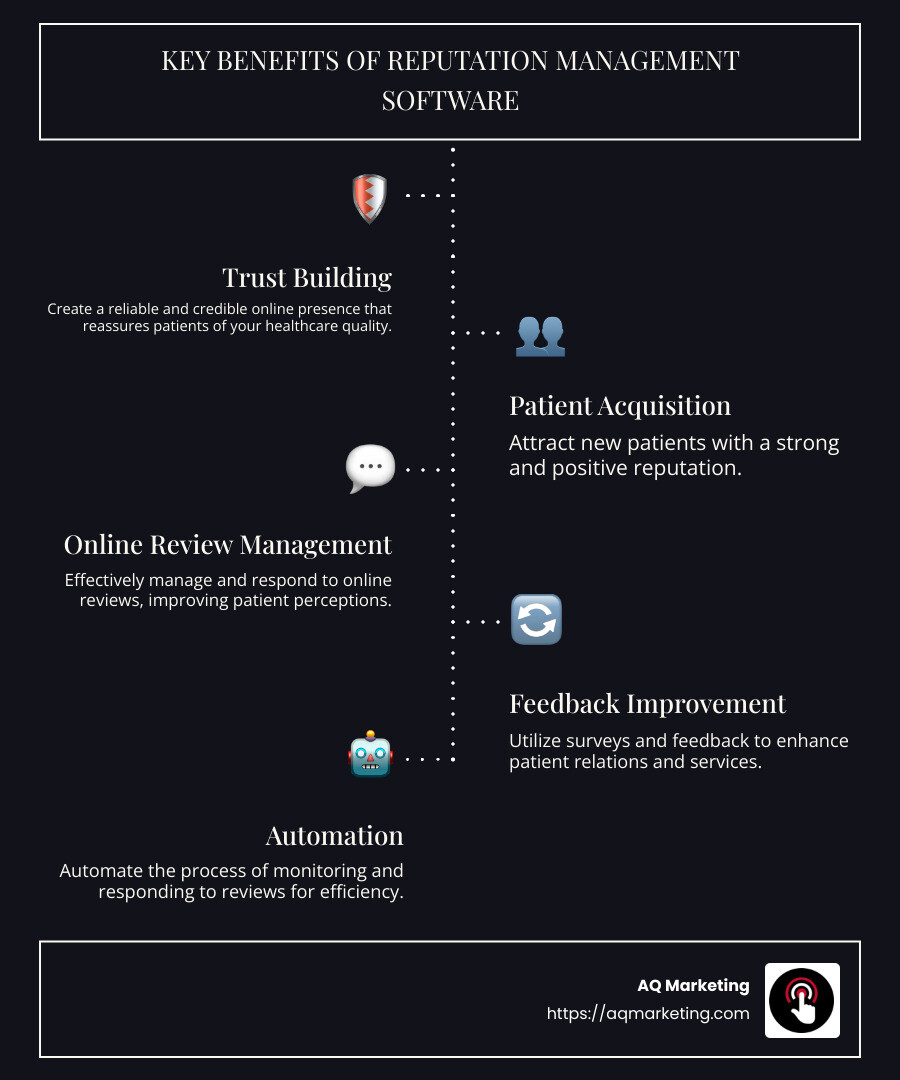
Reputation management software for doctors and medical offices basics:
– business reputation management
– reputation management software comparison
– online review management
Understanding Reputation Management Software for Doctors and Medical Offices
Reputation management software for doctors and medical offices is a vital tool that helps healthcare providers manage and improve their online presence. In simple terms, this software enables medical practices to track, manage, and respond to online reviews and patient feedback effectively.
Key Features
- Review Monitoring: The software aggregates reviews from multiple platforms like Google, Yelp, and healthcare-specific sites such as Healthgrades. This provides a comprehensive view of what patients are saying about your practice.
- Automated Review Requests: It automates the process of requesting reviews from patients, which increases the likelihood of receiving positive feedback. This feature is crucial because, as noted, 82% of Americans read online reviews to evaluate doctors.
- Social Media Integration: Some tools allow you to share positive reviews on social media, enhancing your practice’s visibility and credibility.
- Data Insights and Reporting: The software provides detailed reports and insights, helping practices understand patient sentiment and areas for improvement.
Benefits
- Improved Patient Acquisition: A strong online reputation attracts new patients. Positive reviews can significantly influence a potential patient’s decision to choose your practice.
- Improved Patient Trust: Trust is essential in healthcare. A practice with a solid online reputation is viewed as more credible and reliable.
- Efficient Feedback Handling: It allows for quick responses to negative feedback, turning potential detractors into loyal patients. This proactive approach shows commitment to patient satisfaction.
Automation
Automation is a standout feature of reputation management software. It streamlines the process of collecting and managing reviews, freeing up valuable time for medical staff to focus on patient care. Automated alerts for negative reviews ensure that issues are addressed promptly, minimizing potential damage to your practice’s reputation.
By integrating these tools, healthcare providers can maintain a consistent and positive online presence, ultimately leading to increased patient satisfaction and practice growth.
Key Components of Effective Reputation Management
Effective reputation management is crucial for maintaining a positive online presence for medical practices. Let’s break down the key components that make this possible: Monitoring, Responding, Analyzing, and Collecting.
Monitoring
Monitoring is the backbone of reputation management. It involves keeping a close eye on what patients are saying about your practice across various platforms, like Google, Yelp, and healthcare-specific sites such as Healthgrades. This comprehensive view helps you stay informed about patient sentiments and identify areas needing attention.
Consider this fact: 82% of Americans read online reviews to evaluate doctors. Therefore, knowing what’s being said about your practice is essential.
Responding
Responding effectively to reviews, especially negative ones, is critical. A prompt and positive response can turn an unhappy patient into a loyal one. It’s important to apologize for any issues and commit to resolving them without blaming the reviewer. This approach not only addresses the concerns of the current patient but also demonstrates to potential patients that you value feedback and are committed to providing excellent care.
Analyzing
Analyzing patient feedback helps identify trends and areas for improvement. By understanding patient sentiments, medical practices can make data-driven decisions to improve patient care. Reputation management software provides detailed reports and insights, allowing practices to measure satisfaction levels and pinpoint areas needing improvement.
Collecting
Collecting reviews is about encouraging satisfied patients to share their positive experiences online. Automated review requests can increase the likelihood of receiving positive feedback. This proactive approach helps in building a strong online reputation, as positive reviews improve online rankings and attract new patients.

By focusing on these key components, medical practices can effectively manage their online reputation, ensuring they remain the obvious choice for prospective patients. This not only leads to increased patient satisfaction but also drives practice growth.
Strategies for Enhancing Your Medical Practice’s Online Presence
A strong online presence is crucial for medical practices. Here are key strategies to boost your visibility and attract more patients:
SEO (Search Engine Optimization)
SEO is all about getting your practice noticed on search engines like Google. When potential patients search for healthcare providers, you want your practice to appear at the top of the results. This can be achieved by:
- Using relevant keywords: Include terms like “family doctor” or “pediatrician” along with your location on your website. This helps search engines understand what services you offer and where you’re located.
- Optimizing content: Ensure your website content is informative and relevant. Fresh, engaging content can improve your search rankings.
- Building backlinks: Get other reputable sites to link to your content. This boosts your site’s credibility and search engine ranking.
Over 82% of people check online review sites before visiting a doctor. So, good SEO practices can significantly improve your online visibility.
Social Media
Social media platforms like Facebook, Instagram, and LinkedIn are powerful tools for connecting with patients. Here’s how to make the most of them:
- Engage with your audience: Regularly post updates, health tips, and practice news. Respond to comments and messages promptly to build trust and engagement.
- Share testimonials: Positive reviews and patient stories can improve your reputation. Share these on your social media channels to showcase patient satisfaction.
- Run targeted ads: Use social media ads to reach potential patients in your area. You can target specific demographics, ensuring your practice is visible to those who need your services.
Website Optimization
A well-optimized website is crucial for converting visitors into patients. Focus on the following:
- Mobile-friendliness: Ensure your site is easy to steer on mobile devices, as many users will access it this way.
- Fast loading times: A slow website can frustrate visitors. Optimize images and improve server response times to keep your site fast.
- Clear contact information: Make it easy for potential patients to contact you. Include phone numbers, email addresses, and a contact form.
Content Marketing
Content marketing involves creating valuable content to attract and engage your audience. Consider these tactics:
- Educational blogs: Write articles on health topics relevant to your patients. This positions your practice as a knowledgeable and trustworthy source.
- Video content: Create videos that introduce your staff, explain procedures, or offer health tips. Videos are engaging and can help build a connection with potential patients.
- Newsletters: Send regular newsletters with health tips, updates, and promotions. This keeps your practice top-of-mind for patients.
By implementing these strategies, you can improve your medical practice’s online presence and attract more patients. A strong digital strategy not only boosts visibility but also builds trust and credibility in the eyes of potential patients.
How Reputation Management Software Improves Patient Relations
In healthcare, patient satisfaction is key. Reputation management software for doctors and medical offices plays a crucial role in enhancing patient relations. Here’s how:
Survey Management
After a patient’s visit, sending out surveys is a great way to gather feedback. This software automates the process, making it easy for practices to collect patient opinions without lifting a finger. Automated emails or texts prompt patients to share their experiences, ensuring you get valuable insights into their visit.
Feedback Loop
Creating an effective feedback loop is essential for continuous improvement. When patients provide feedback, it’s important to acknowledge it and act on it. The software collects and organizes feedback, allowing you to spot trends and make necessary changes. This proactive approach can significantly improve patient satisfaction.
Negative Feedback Handling
Negative reviews can be challenging but also offer opportunities for improvement. Reputation management software helps manage these situations by alerting you to negative feedback quickly. This allows you to respond promptly, showing patients that you care about their concerns. By addressing issues head-on, you can turn a negative experience into a positive one, demonstrating your commitment to patient care.
Positive Review Promotion
Happy patients are your best advocates. Encouraging them to share their positive experiences online can boost your practice’s reputation. The software can help by prompting satisfied patients to leave reviews on platforms like Google. This not only improves your online presence but also builds trust with potential patients who read these glowing testimonials.
By leveraging these features, medical practices can improve patient relations and build a strong, positive reputation. This not only benefits current patients but also attracts new ones, ensuring long-term success.
Frequently Asked Questions about Reputation Management Software for Doctors and Medical Offices
What is Reputation Management Software?
Reputation management software for doctors and medical offices is a tool designed to help healthcare providers monitor, manage, and improve their online reputation. It automates the collection of reviews and feedback from patients across various platforms like Google, Yelp, and Healthgrades. This software helps practices stay informed about what patients are saying, respond to reviews promptly, and showcase positive testimonials effectively.
By centralizing these tasks, the software ensures that medical offices can maintain a positive online presence, which is crucial given that 82% of people check online reviews before choosing a doctor.
How Does Reputation Management Software Benefit Medical Practices?
Reputation management software offers several benefits to medical practices:
- Increased Patient Acquisition: Positive online reviews influence potential patients. A strong online reputation can attract more patients, as 9 out of 10 prospective patients look at reviews before choosing a healthcare provider.
- Improved Trust and Credibility: Regularly updated positive reviews build trust with potential patients, showing that the practice is reliable and patient-focused.
- Efficient Feedback Management: By automating review requests and organizing feedback, practices can quickly identify areas for improvement and improve the patient experience.
- Proactive Response to Negative Feedback: Alerts for negative reviews allow practices to address concerns promptly, turning potential negatives into opportunities for improvement.
What Should You Look for in Reputation Management Software?
When choosing reputation management software for doctors and medical offices, consider these key features:
- Automation: Choose software that automates review requests and feedback collection to save time and ensure consistency.
- Monitoring and Alerts: The software should offer real-time monitoring of reviews across multiple platforms and send alerts for new reviews, especially negative ones.
- Comprehensive Reporting: Look for tools that provide detailed insights and analytics, helping you understand patient sentiment and track improvements over time.
- HIPAA Compliance: Ensure the software is HIPAA-compliant to protect patient information and maintain privacy standards.
- Integration Capabilities: The ability to integrate with existing systems, like your CRM, can streamline processes and improve efficiency.
Selecting the right software can significantly improve your practice’s reputation management efforts, leading to increased patient satisfaction and growth.
Conclusion
Maintaining a positive online reputation is not just a nice-to-have—it’s essential for any medical practice. Reputation management software for doctors and medical offices offers long-term benefits that extend beyond simply attracting new patients. It plays a crucial role in enhancing trust, improving patient relations, and ultimately boosting the overall success of your practice.
Long-Term Benefits
By investing in reputation management software, medical practices can enjoy several long-term advantages:
- Sustained Patient Growth: Positive reviews continue to attract new patients over time, helping to steadily grow your practice.
- Improved Patient Experience: Regular feedback allows you to make informed improvements to your services, enhancing patient satisfaction.
- Resilience Against Negative Reviews: Quick responses to negative feedback can mitigate potential damage and demonstrate your commitment to patient care.
Enhancing Online Presence
A strong online presence is critical for standing out in today’s competitive healthcare landscape. Reputation management software helps ensure your practice is visible and appealing to potential patients:
- Higher Search Rankings: Consistent positive reviews can improve your search engine rankings, making it easier for patients to find you.
- Increased Credibility: A wealth of positive testimonials builds trust and reassures potential patients of your quality care.
AQ Marketing’s Role in Digital Strategy
At AQ Marketing, we understand the vital role that reputation management plays in a comprehensive digital strategy. Our expertise in digital marketing services, including SEO, website design, and social media management, helps small to medium-sized businesses thrive online. We work closely with medical practices to develop custom strategies that leverage reputation management software to its fullest potential.
Our goal is to deliver long-term, impactful results that improve your online presence and support your practice’s growth. If you’re ready to take your online reputation to the next level, contact us today to explore how our solutions can benefit your practice.
In conclusion, embracing reputation management software is a strategic move for any medical office looking to safeguard its online reputation and ensure a bright future.